This is a submission for the Google I/O Writing Challenge
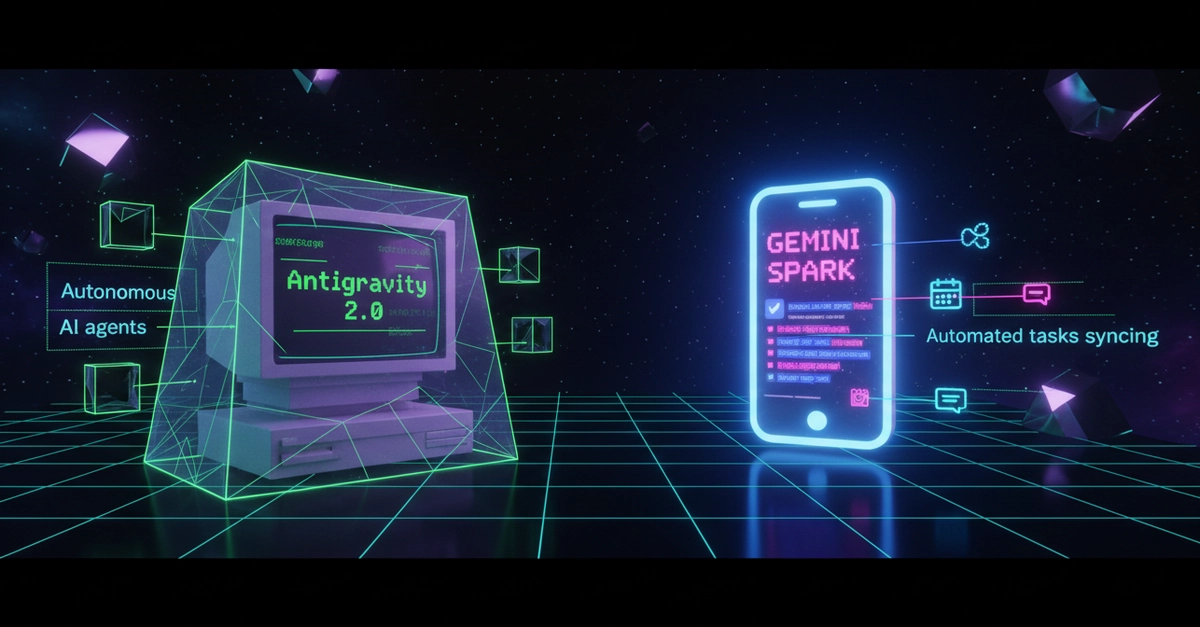
The developer track at Google I/O 2026 made one thing undeniably clear: the era of the simple AI chat assistant is over. We have officially entered the Agentic Era.
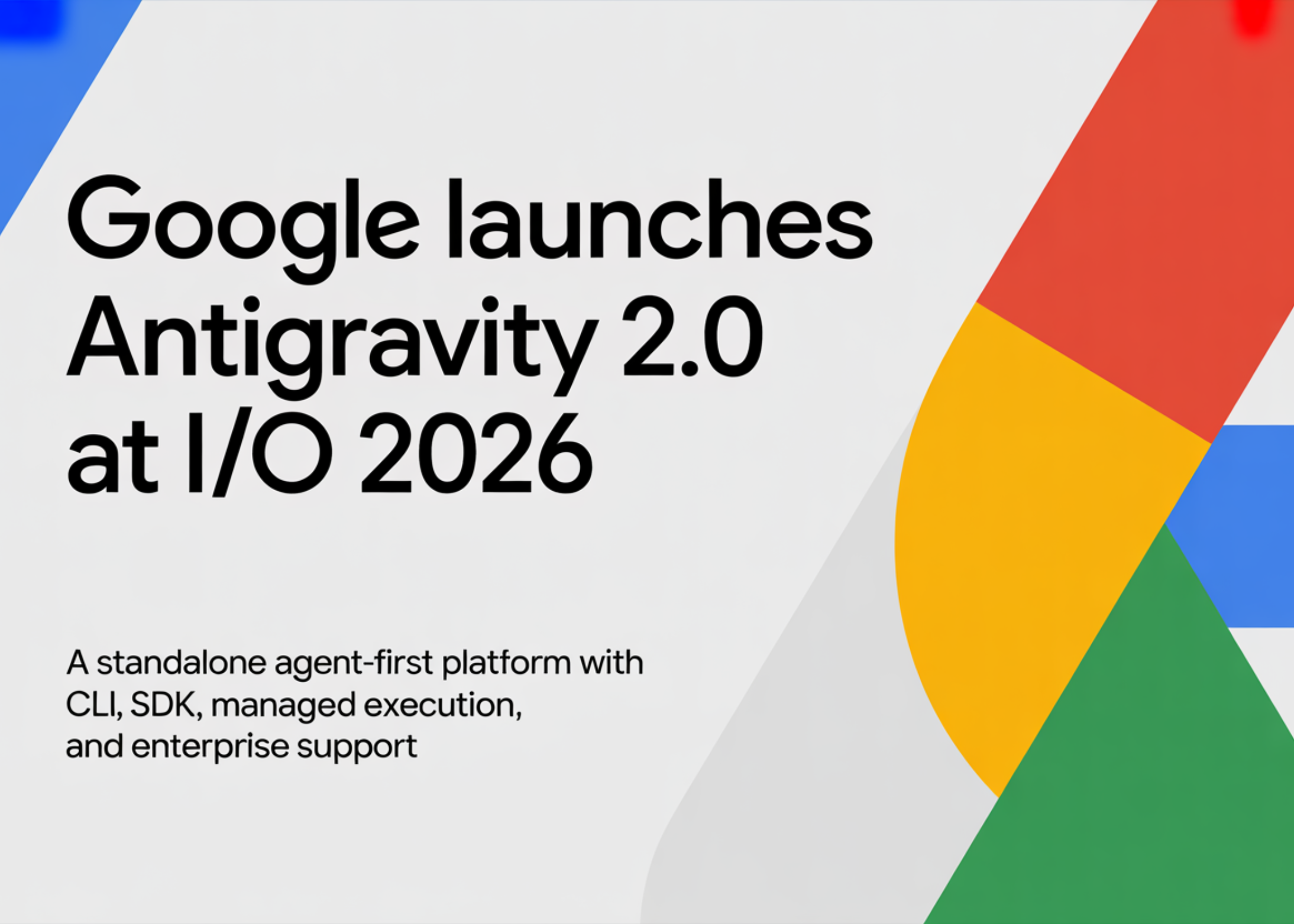
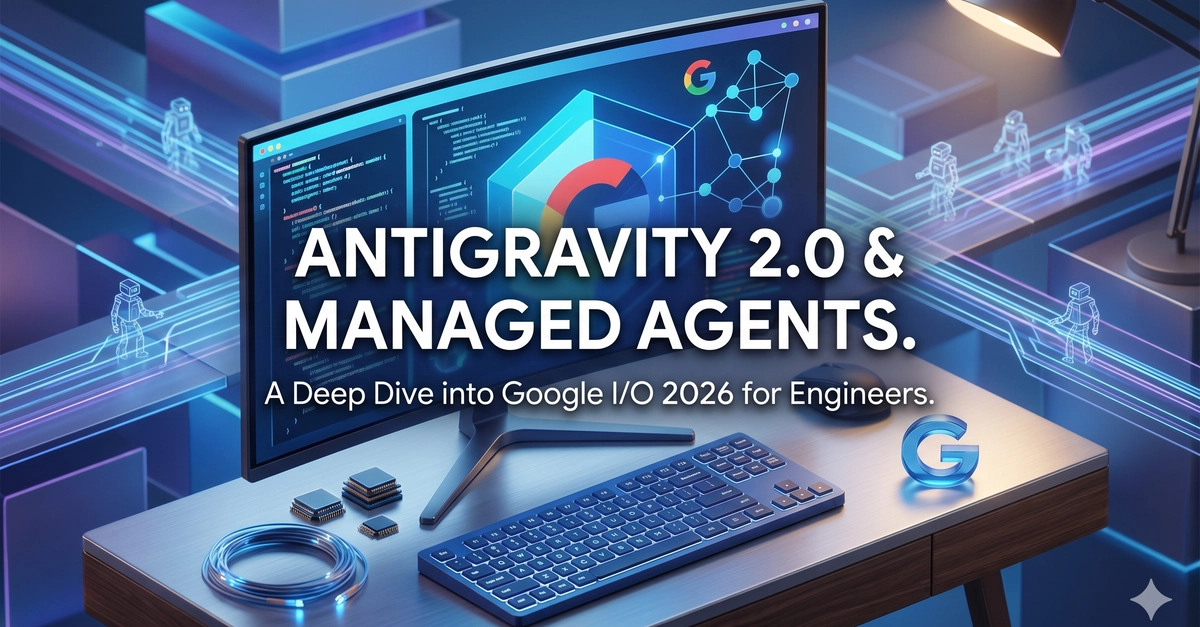
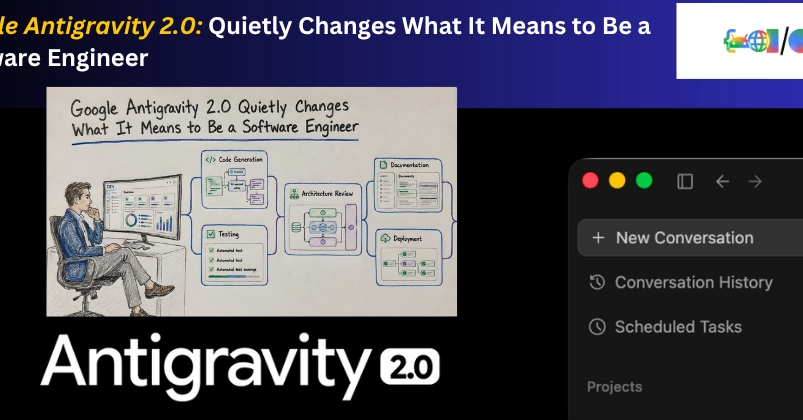
For independent developers, solo founders, and micro-SaaS builders who rely on high-velocity building—a development philosophy often called "vibe coding"—the headline launch of Google Antigravity 2.0 as a standalone desktop application represents a massive paradigm shift. It takes generative AI out of the isolated browser sidebar and morphs it into a fully contextualized, autonomous background engineering team.
Instead of treating AI as a glorified autocomplete tool, Antigravity 2.0 treats AI as an infrastructure orchestrator. Here is a deep technical breakdown of how this platform works under the hood, why its structural architecture changes how we write software, and how solo builders can leverage it to scale their output exponentially.
1. The Engine Layer: Why Gemini 3.5 Flash Changes the Economics of Agents