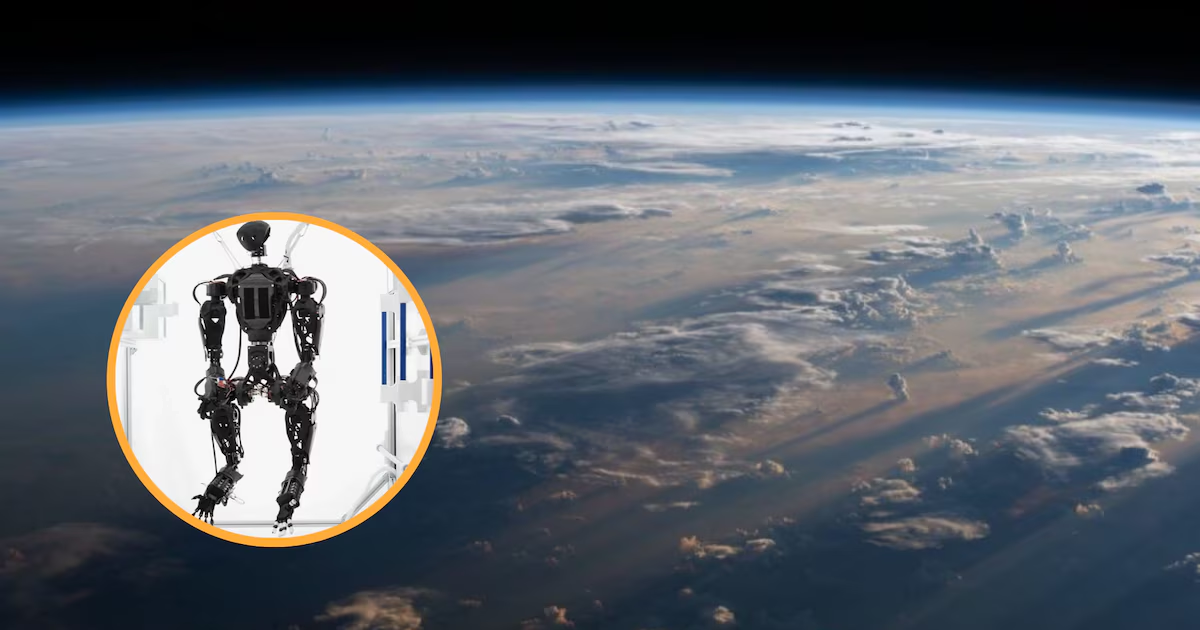
TL;DRZurich’s Orbit Robotics built a four-armed space robot called Helios. It targets the 35% of crew time spent on maintenance at $140K/hour.
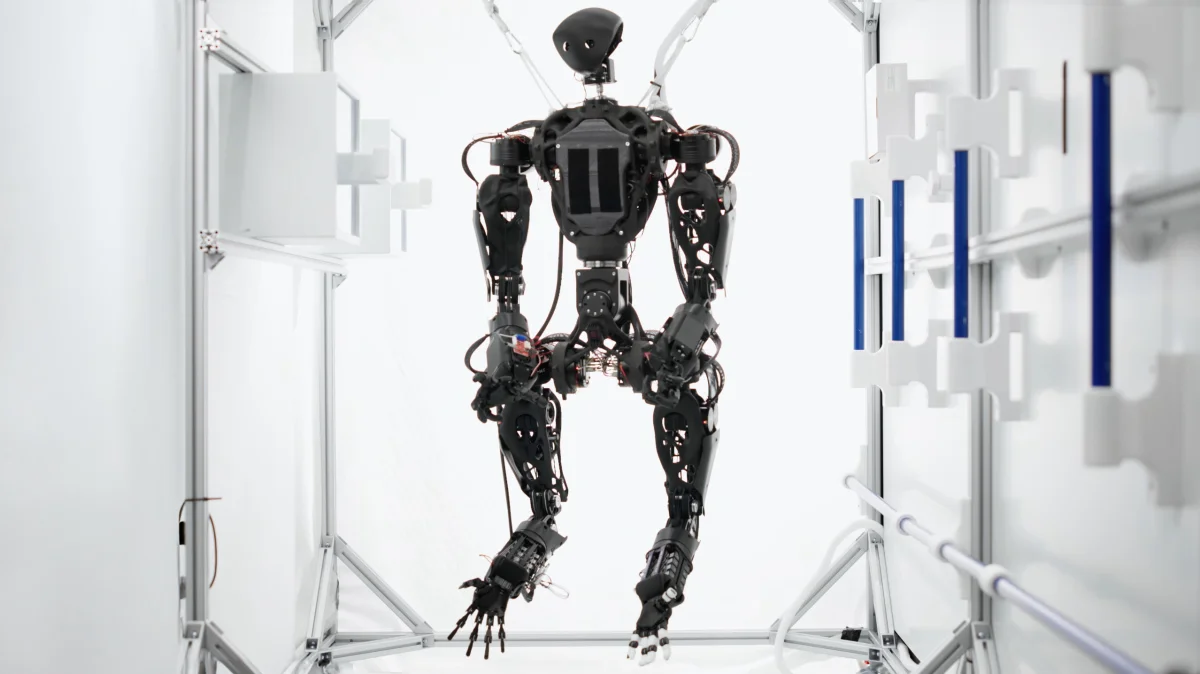
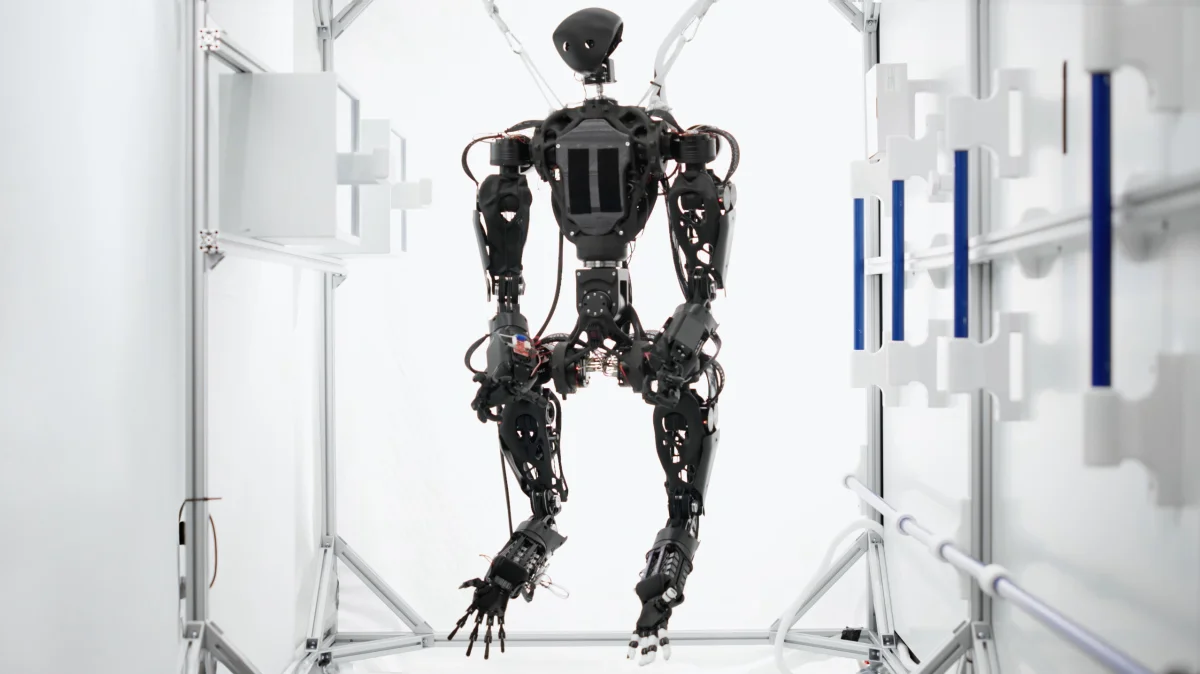
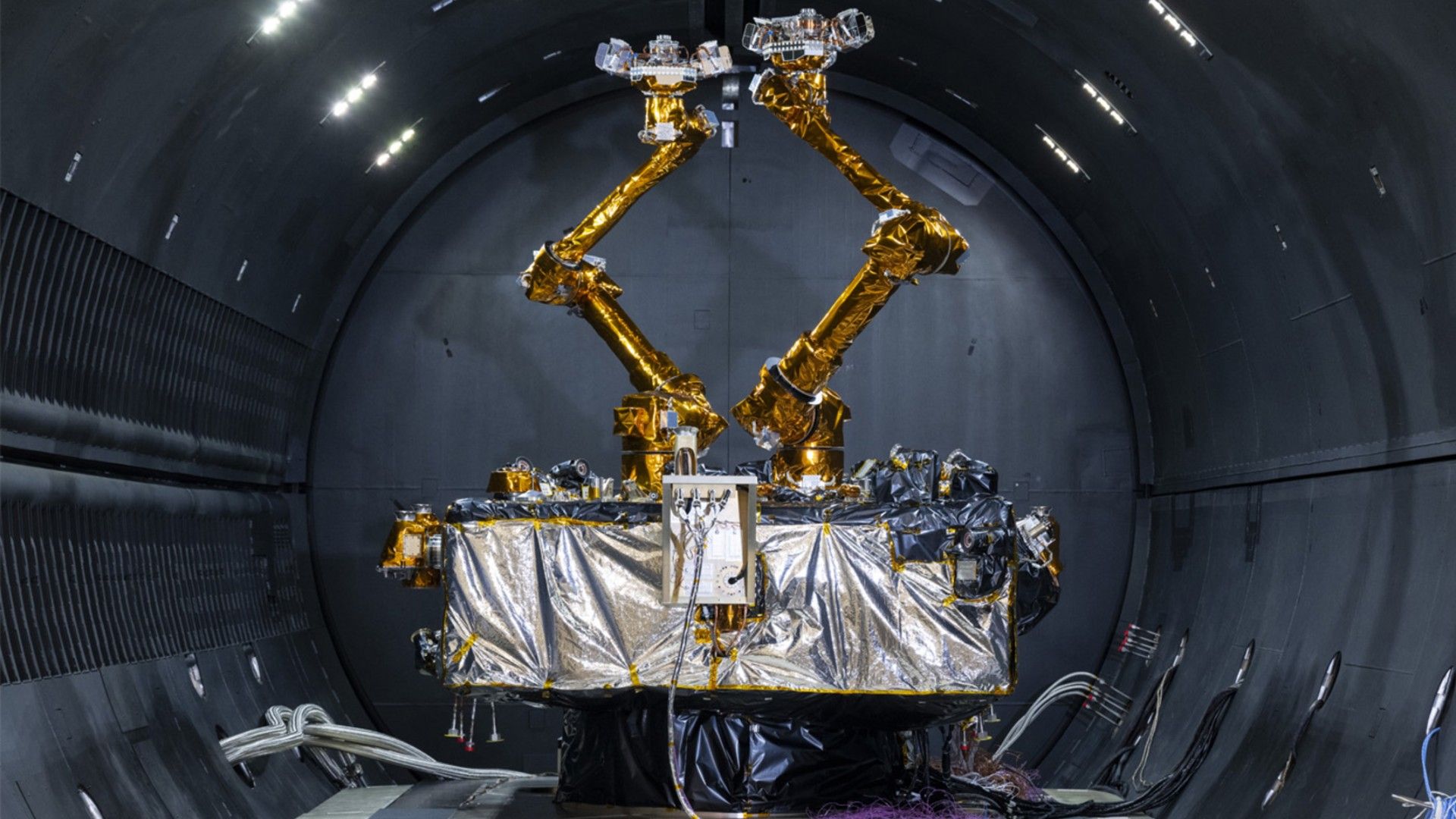
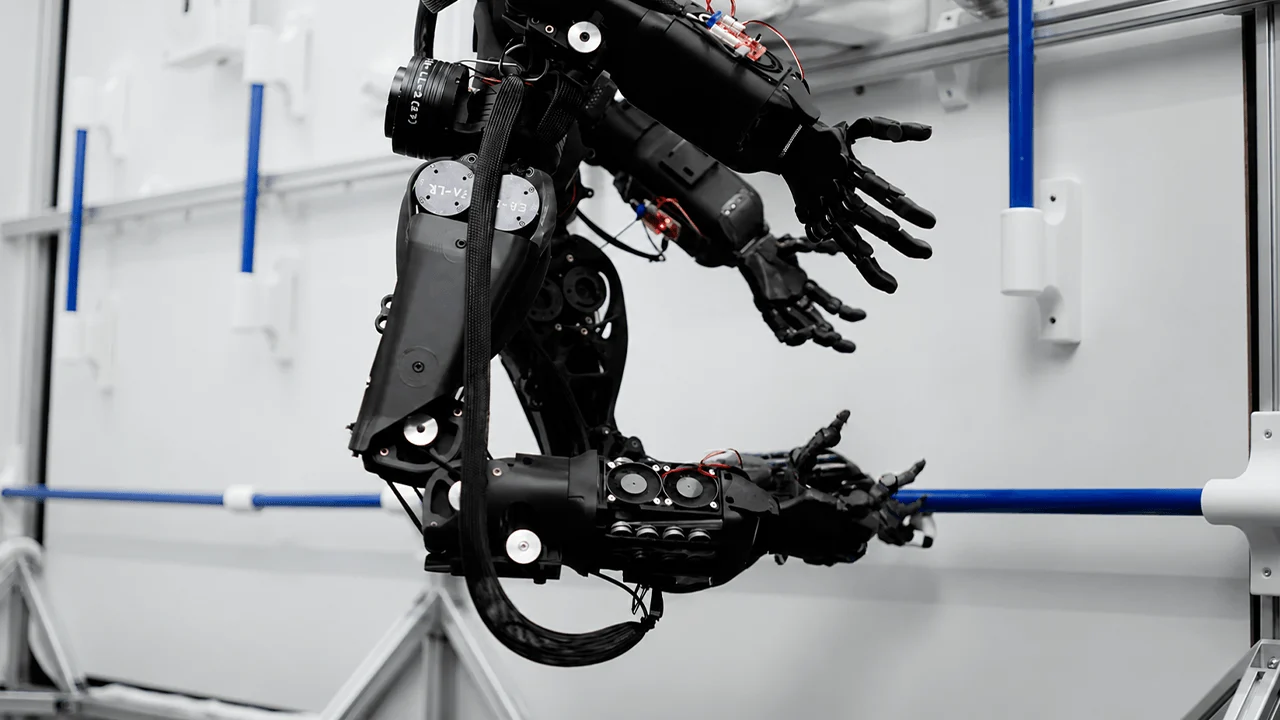
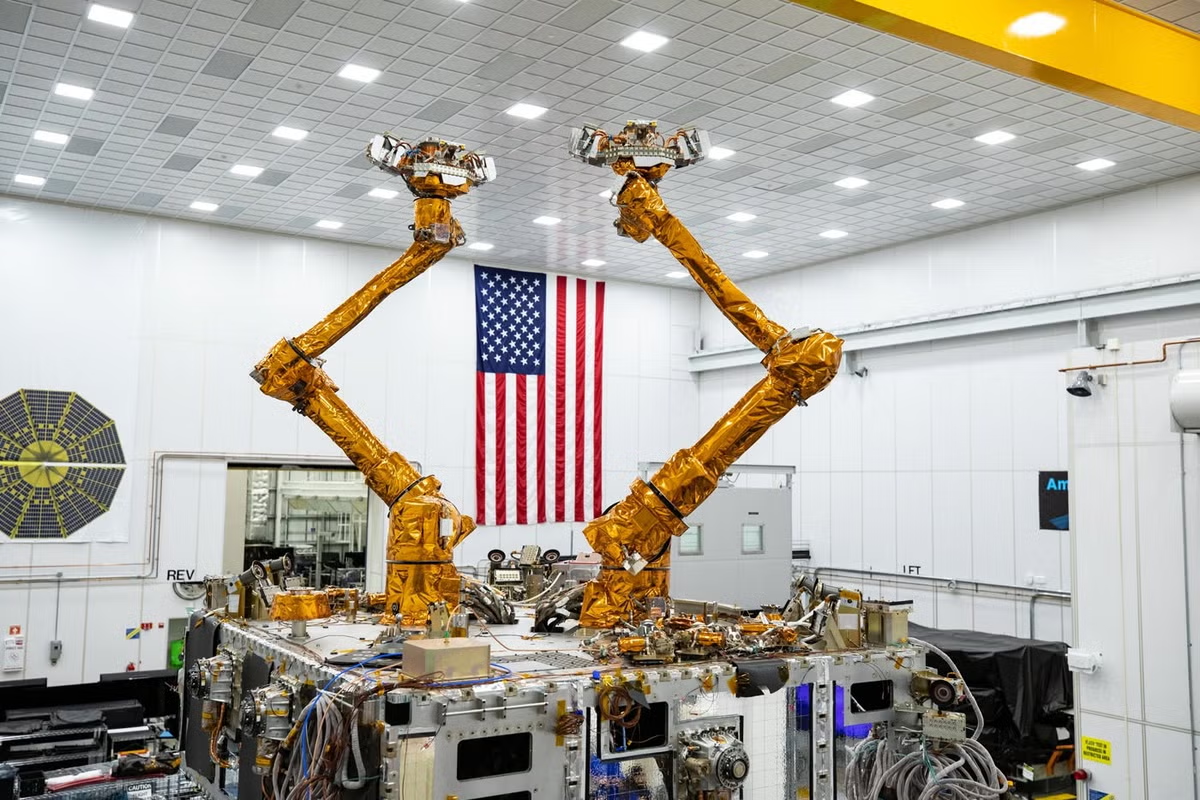
Orbit Robotics, a Zurich-based startup, has unveiled Helios, a four-armed robot designed to work inside space stations. In microgravity, legs are useless. Helios replaces them with two extra arms that serve as both mobility aids and working hands.
The design logic is simple. Two arms anchor the robot to the station interior while the other two handle cargo, tools, or equipment. The four-arm configuration gives Helios the ability to stabilise and work simultaneously, something a two-armed humanoid robot cannot do in zero gravity.
The arms are tendon-driven rather than motor-heavy at every joint. Motors sit near the shoulders and transfer force through cables and spools. This keeps the arms lighter while maintaining the range of motion needed for station work.
The 💜 of EU techThe latest rumblings from the EU tech scene, a story from our wise ol' founder Boris, and some questionable AI art. It's free, every week, in your inbox. Sign up now!Helios also uses a rolling-contact elbow joint for smoother, more controlled movement. In microgravity, sudden or uneven motion can destabilise the robot and anything it is holding. The mundane-sounding joint design is one of the most important engineering decisions in the entire system.