Introduction
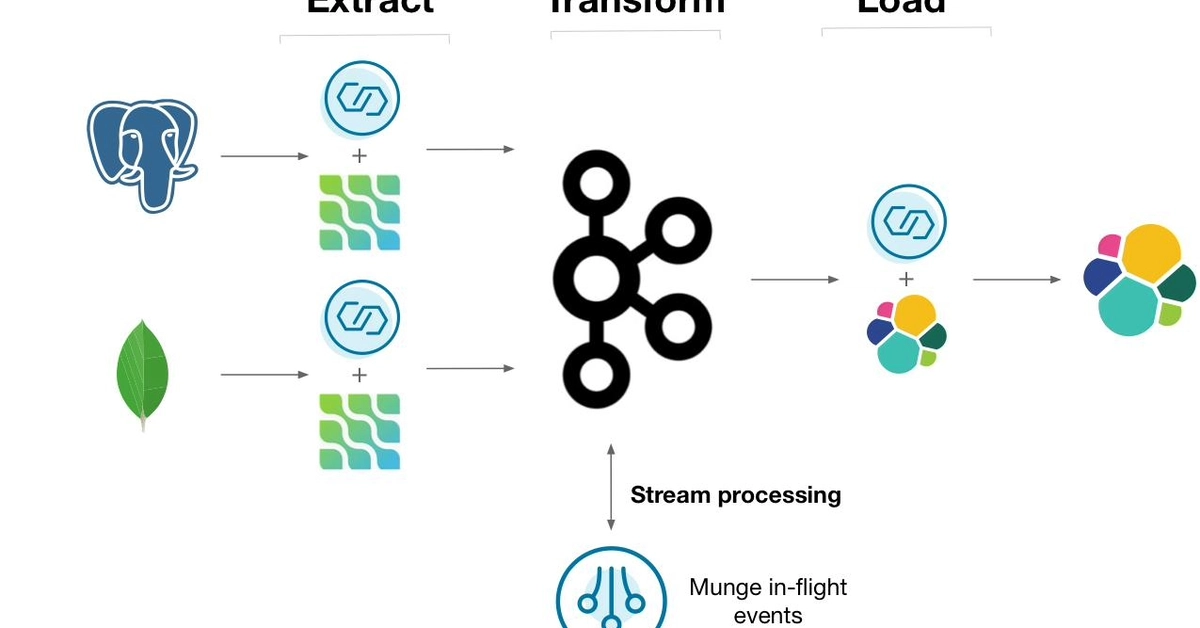
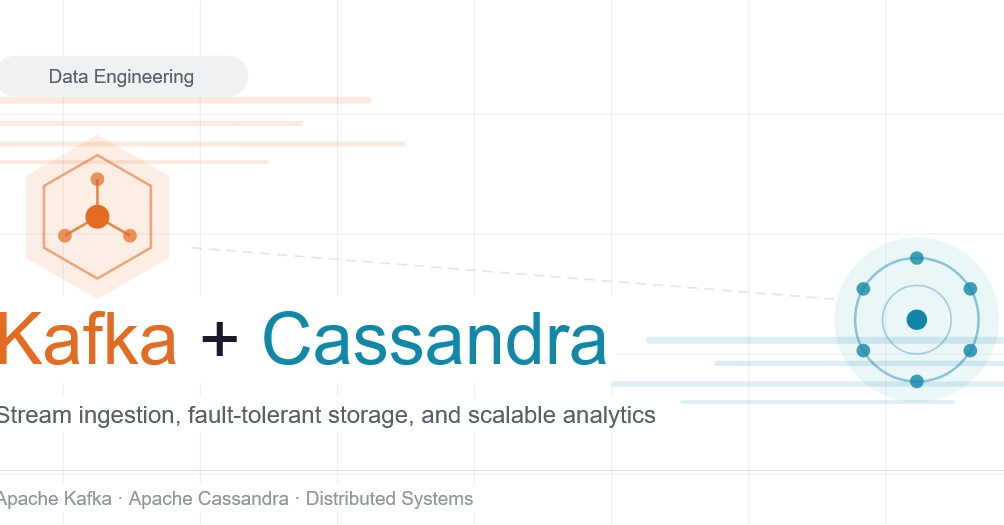
Apache Kafka and Apache Cassandra pair effectively because they complement each other's strengths: Kafka handles high throughput, real-time event streaming and ingestion, while Cassandra provides scalable, fault tolerant and low-latency persistent storage for processed data.
Example: A movies streaming company from their platform may be streaming billions of events per day including user viewing behavior, playback metrics and content recommendations. Kafka enables real-time streaming and processing of this events. These high velocity streams are then consumed and persisted into Cassandra that acts as a highly scalable, fault tolerant database for storing time-series data and user activity logs. With this combination, the movie company is able to achieve massive write throughput, low latency reads by recommendation engines and reliable handling of global traffic while maintaining high reliability. That is how Netflix does it.
What is Apache Cassandra?
It is a free, open-source NoSQL database designed to handle large volumes of data across multiple nodes using a columnar storage architecture. It supports both read and write operations one every node (a node is a single server or machine within the Cassandra cluster that stores data and handles read and write requests) enabling data replication across nodes and ensuring high availability without a single point of failure.