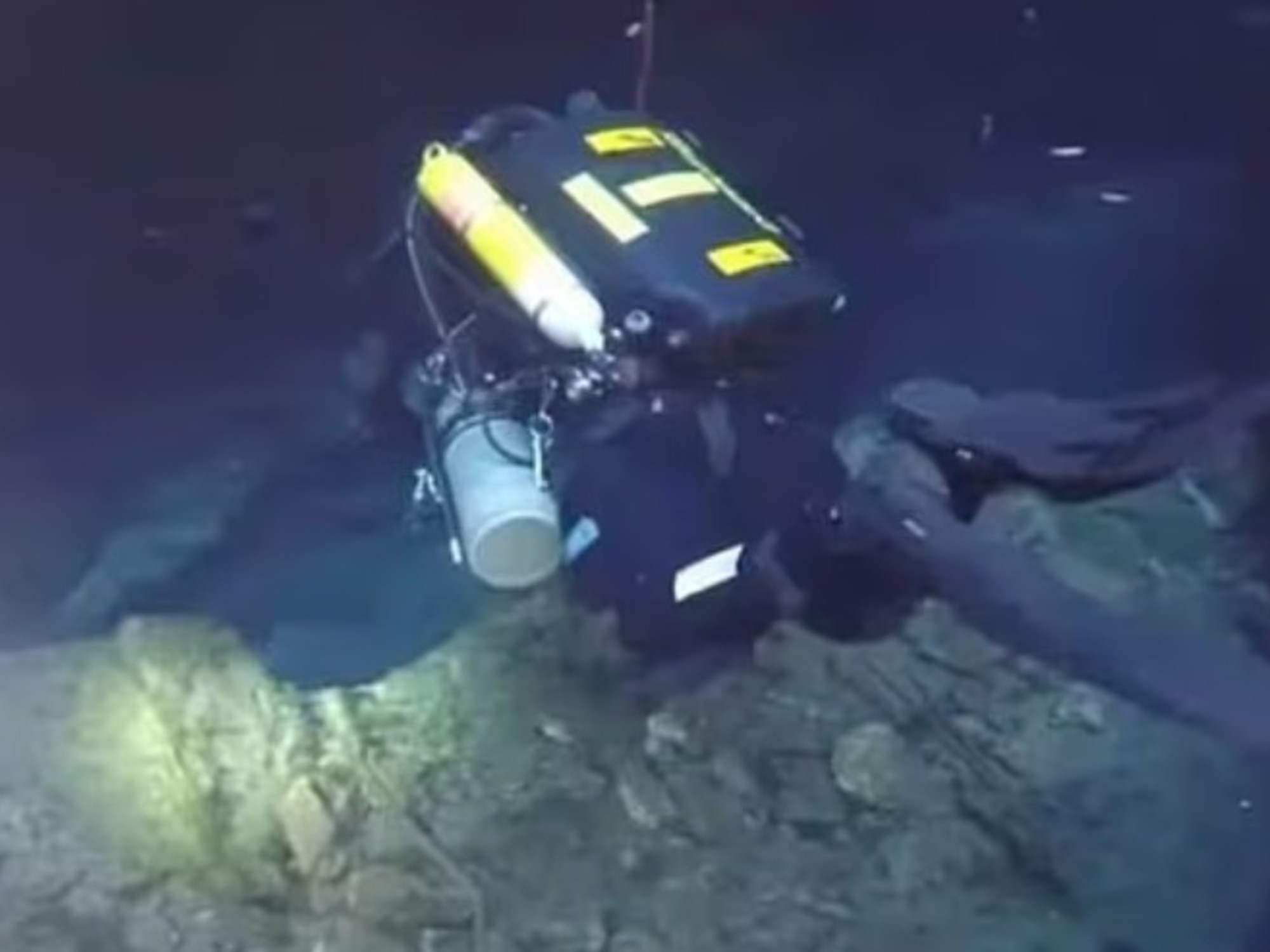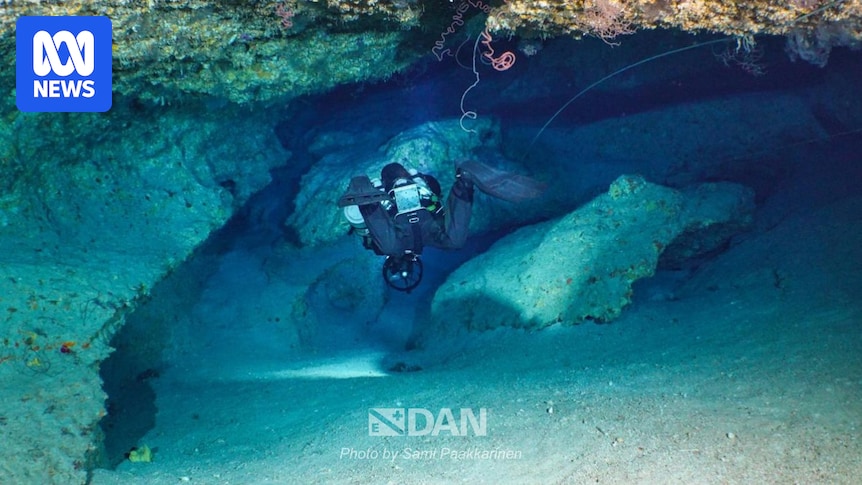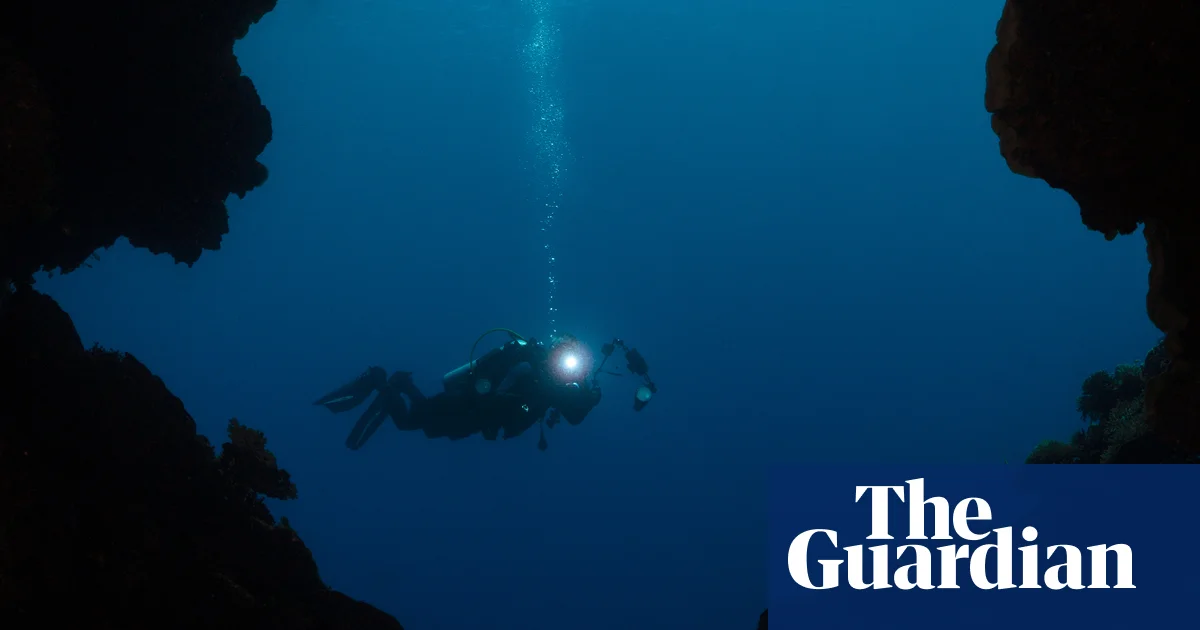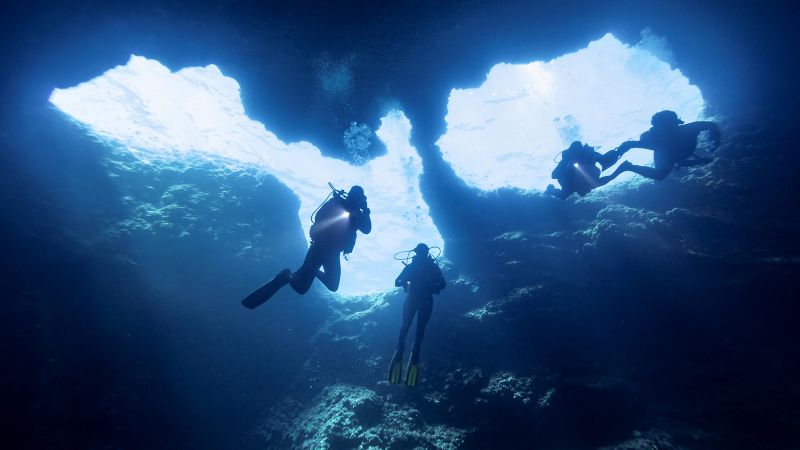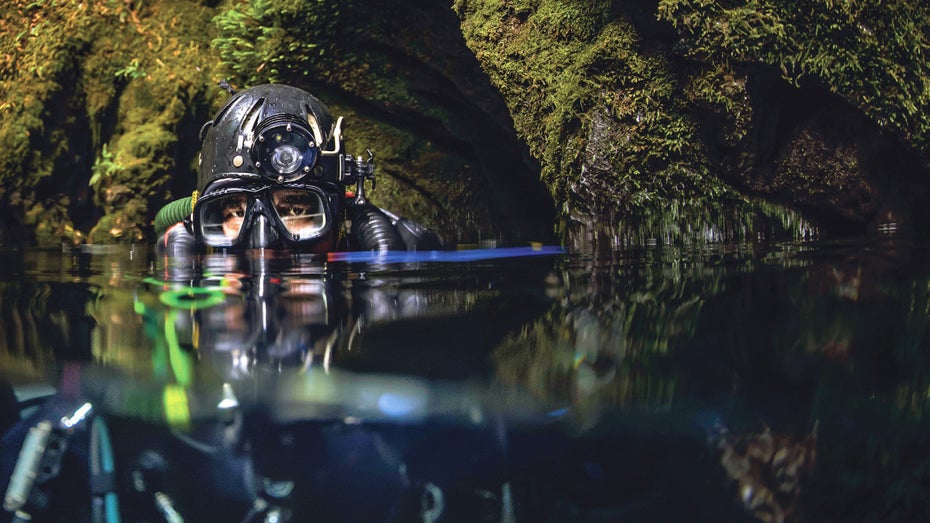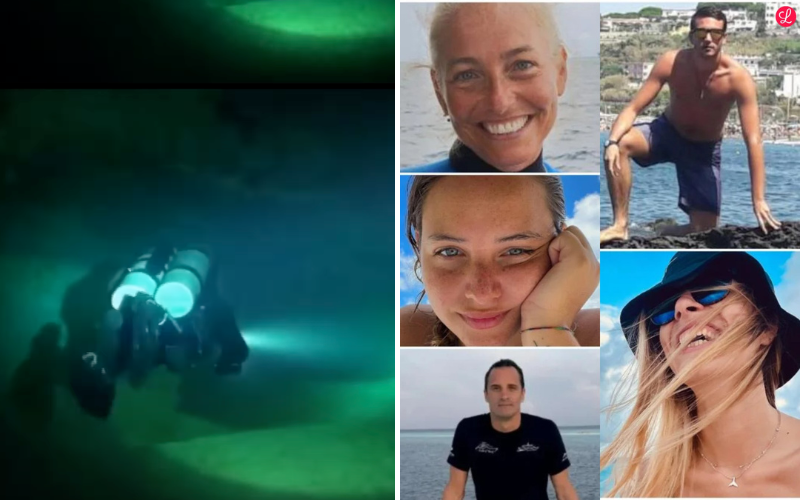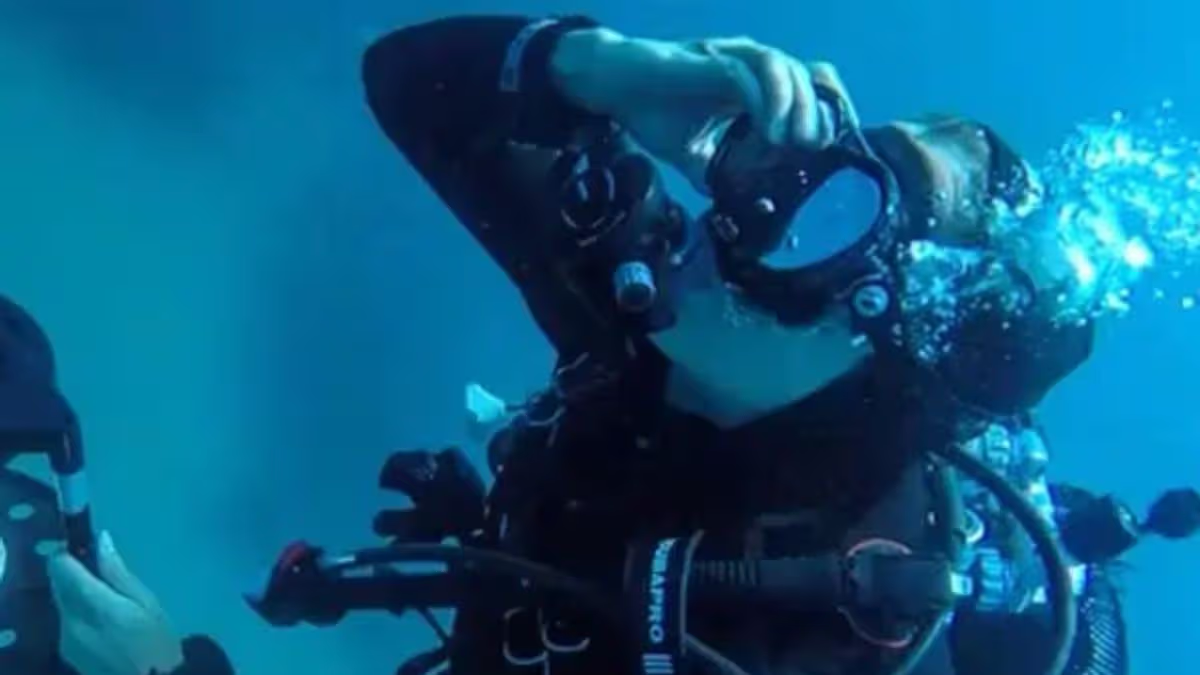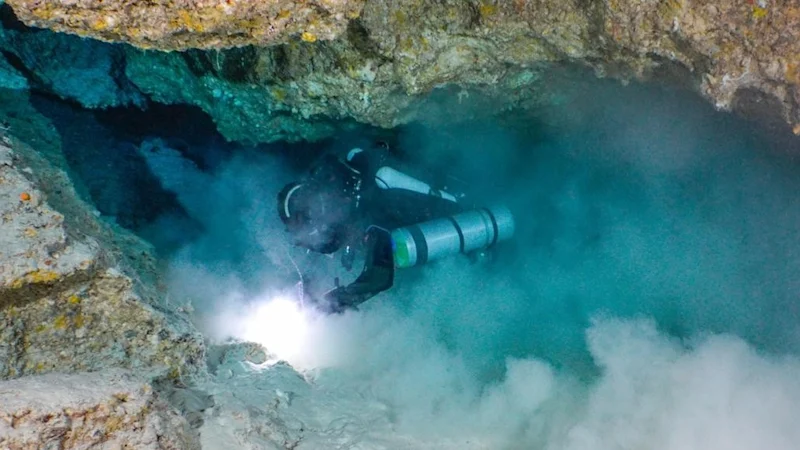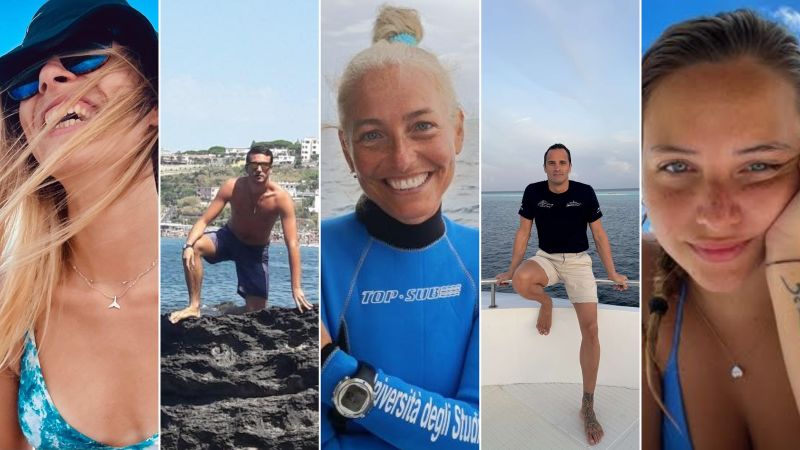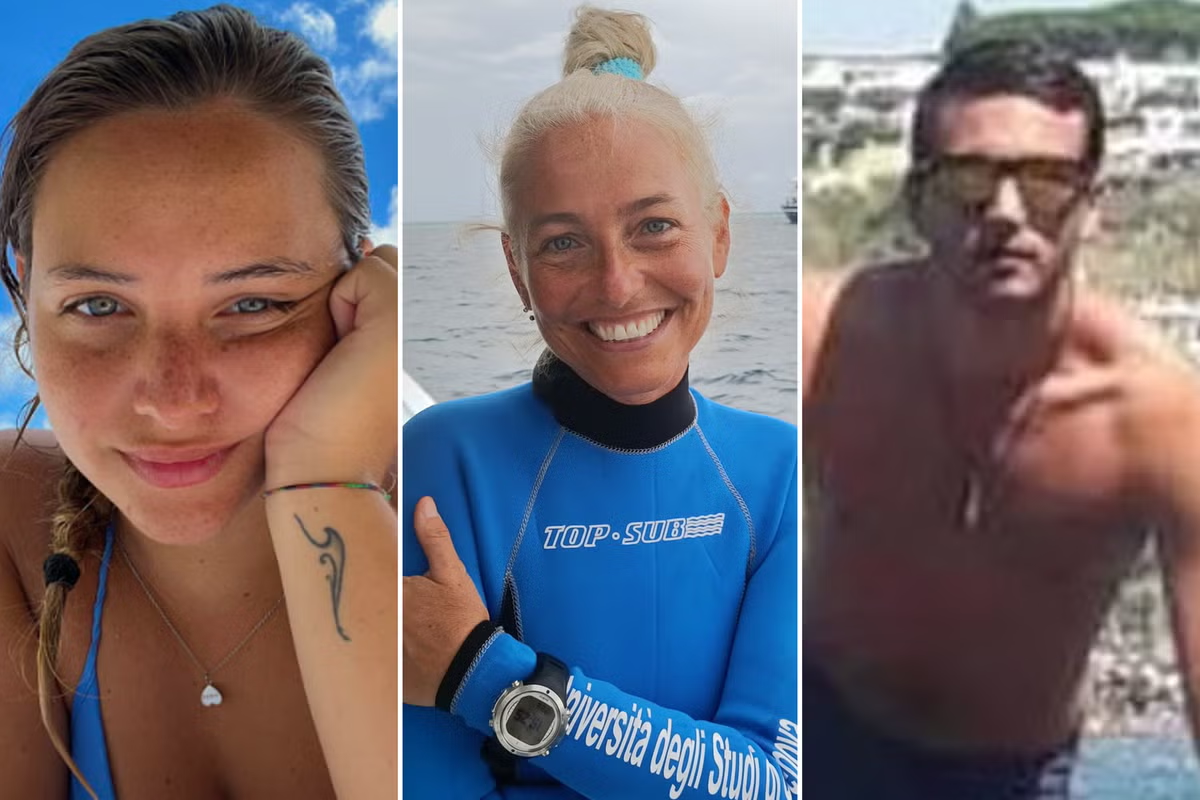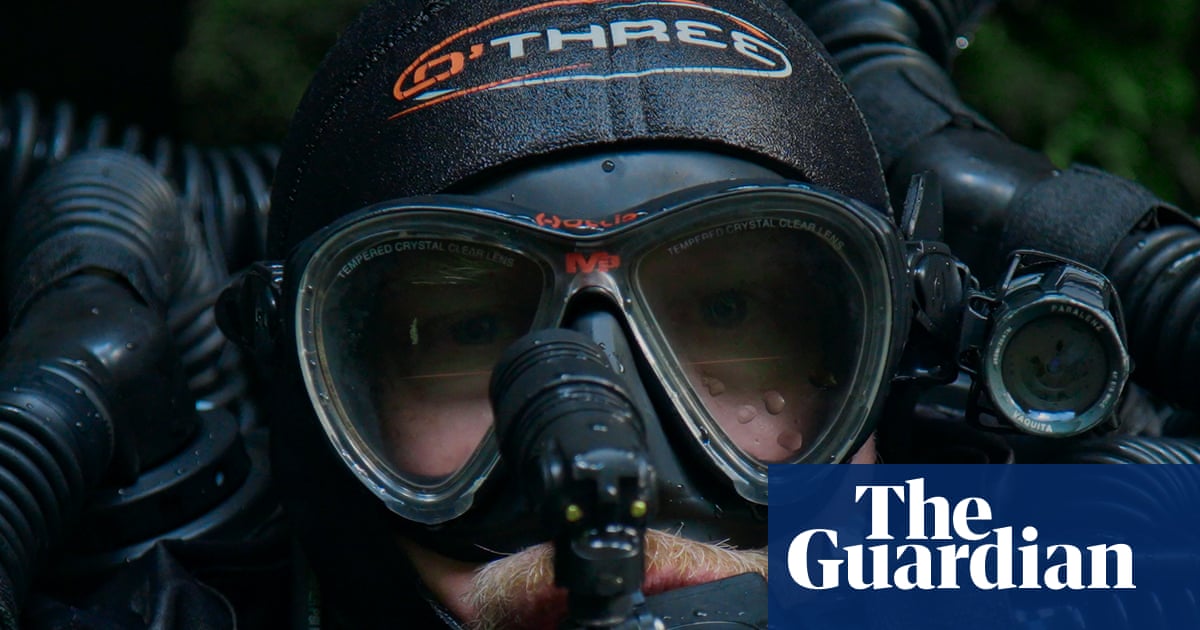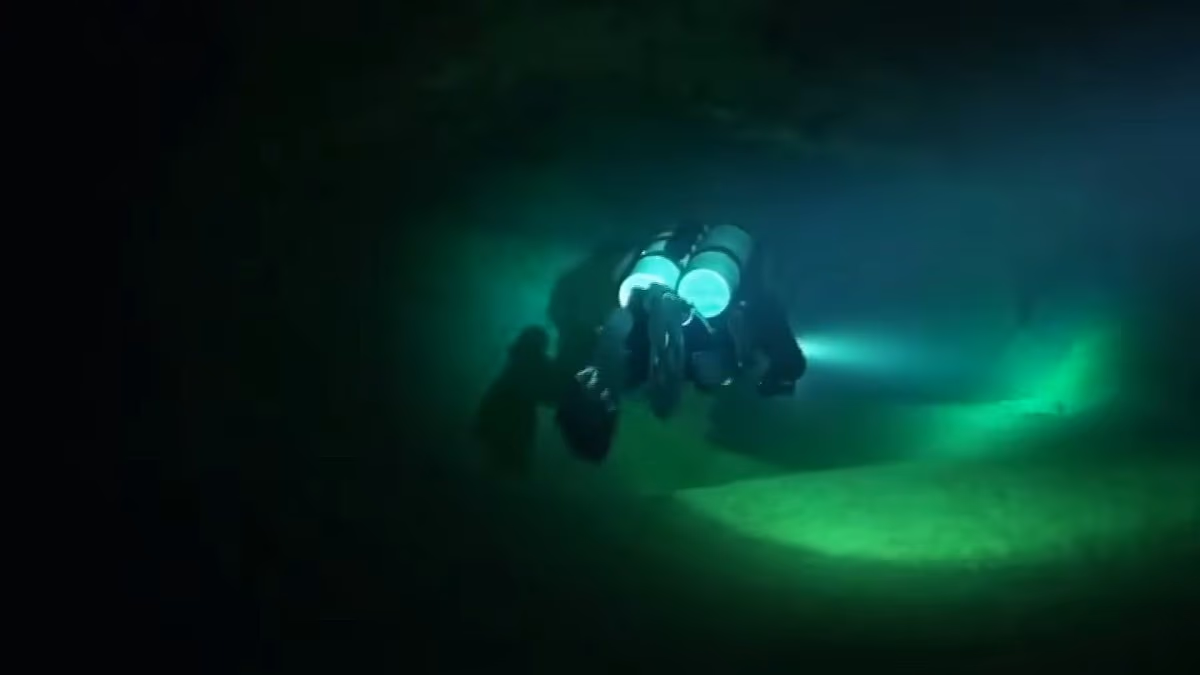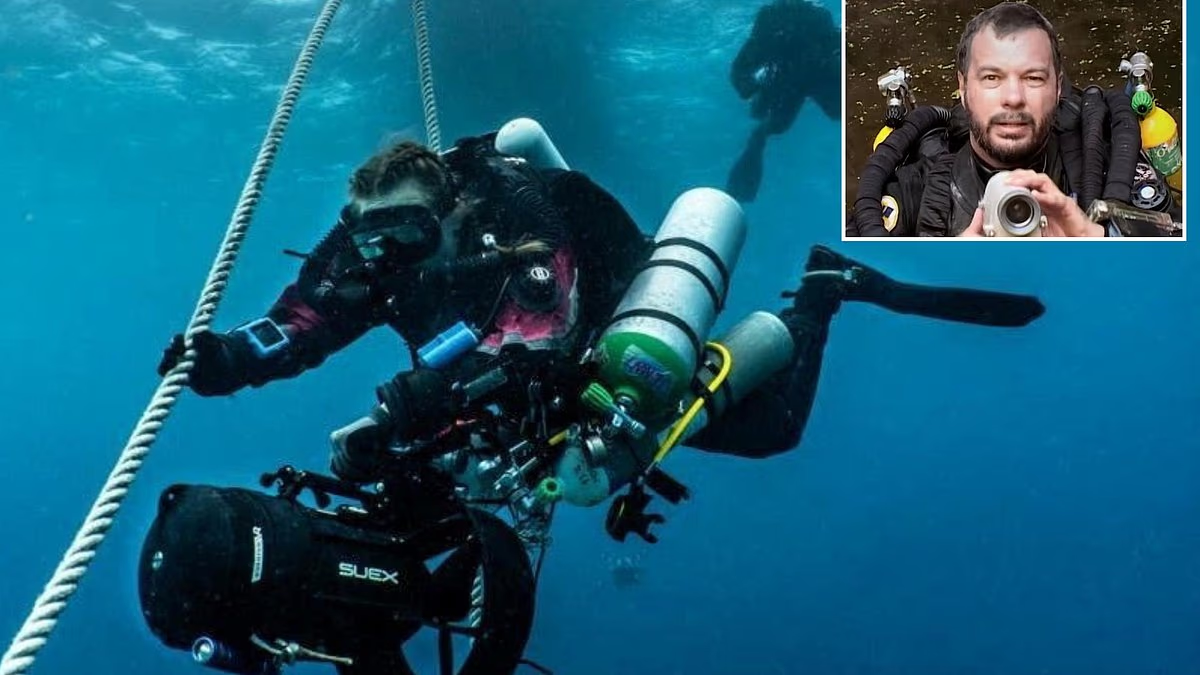
Australian diver Dave Shaw thought he was on a heroic recovery mission when he descended 900ft into South Africa’s deepest freshwater cave to retrieve a body.Instead, the crushing abyss claimed his life too, in a catastrophe that experts say could have been avoided. It all started in October 2004, when Shaw, a pilot and celebrated undersea cave explorer, set a world record for the deepest dive using a rebreather - which recycles exhaled air to allow for longer excursions - at Bushman's Hole in South Africa.Hidden beneath the surface of the entrance to the eerie hole is a cave plunging at least 927ft deep, almost the height of the Eiffel Tower.As Shaw explored the floor of the cavern, the water around him was still and serene apart from the beam of his torch and the rope trailing behind him. Then he made a chilling discovery.Lying on the cave floor was the body of Deon Dreyer, a young diver who had disappeared there a decade earlier.All that was left of his hands and head was a skeleton but his mask had somehow remained in place. Shaw tried to free Dreyer's decomposed body from the sediment but failed before abandoning the rescue mission. Dave Shaw set a world record in October 2004 for the deepest dive using a rebreather at Bushman's Hole in South Africa A 2020 documentary depicted Shaw's attempt to recover the body of Deon Dreyer, a young diver who had disappeared there a decade before his record Shaw's support diver Don Shirley wrote a chilling message to signal to the surface team that the Australian had not survived the missionBut this only made him more determined to train and complete the mission because leaving a fellow diver behind is seen as unacceptable in the community. After a year of preparation, Shaw descended into Bushman's Hole again on January 8, 2005 for what would become the 333rd and final dive of his life.Shaw and his support diver Don Shirley had gone to extreme lengths to minimise the risk, planning to take 35 backup cylinders of gas into the water - enough to survive a total rebreather failure. A rope-and-sling system was rigged to haul injured divers up the cliffside to a mobile police recompression chamber. For medical backup, Shirley recruited Dr Jack Meintjes, a diving physiology expert from the University of Stellenbosch. 'Dave felt very connected with Deon,' Shirley said. 'He had found him, so it was like a personal thing that he should bring him back.' A 6.13am, Shaw began his dive into the depths of the cave. He reached the bottom in just 11 minutes.Some 13 minutes into the dive, Shirley started his descent to the 725ft mark, where he was scheduled to meet Shaw and help bring Dreyer's body up.The plan was for divers positioned at progressively shallower depths to pass the body upward while deeper divers began their ascents and completed decompression stops.But as Shirley passed 500ft he realised something was terribly wrong as he say that Shaw's torch was completely motionless below him.The support diver attempted to descend further to help but encountered technical problems at around 800ft.He then wrote a chilling message on his slate - a waterproof writing surface which allows divers to communicate - to signal to the surface team that Shaw had not survived the deep dive. It read: 'Dave not coming back.'The crew later discovered that as Shaw struggled to place Dreyer's remains into a bag, he found that the body had transformed into a soap-like substance over the years underwater.This made the remains far harder to control and secure as they began floating away.Bodycam footage showed Shaw drop his torch while struggling with the recovery bag, leaving the light drifting away.When he tried to untangle the light from the bag's ropes, he became snagged on the main guide line leading to the surface.The mistake proved catastrophic, as Shaw began panicking, breathing faster and rapidly consuming his air supply until he drowned beside Dreyer's remains.After the incident, Shirley said he regretted not attending a practice dive during which Shaw had mentioned that he sometimes placed his torch off to one side.Shirley said even highly experienced divers should never allow equipment to float loose underwater, calling it 'a recipe for disaster'.The tragedy that claimed Dreyer's life, and ultimately Shaw's, had begun more than ten years earlier.Dreyer was a passionate young diver from Vereeniging in South Africa who had already completed 200 excursions by the age of 20.In December 1994, Dreyer joined a team led by Nuno Gomes, the future record-holder for the deepest dive at Bushman's Hole. On December 17, during a practice run for an upcoming deep technical dive, Dreyer vanished. As Shaw struggled to place Dreyer's remains into a bag, he discovered the body had transformed into a soap-like substance over the years underwaterHe became separated from his group at a depth of roughly 160ft while making his ascent.Exactly what happened remains unknown, although some theories suggested he passed out due to oxygen toxicity or hypercapnia.Several attempts were made to recover his body in the aftermath of the accident.To assist the recovery effort, Dreyer's father contacted the De Beers mining company.The firm sent a remotely operated submersible into the underwater cave, which successfully located Dreyer's diving helmet but discovered no signs of his body.Recognising the difficulty of the situation, his family eventually accepted that he would likely never be found. They later placed a memorial plaque near the entrance of Bushman's Hole to honour his memory.'He had the most majestic grave in the country,' Dreyer's father said. 'And I said, "Well, this will be his final resting place."' Against all odds, Shaw and Dreyer's bodies were ultimately recovered thanks to a heroic recovery mission carried out by two of the Australian's friends. Today, the haunting details of Shaw's final dive have eerie similarities to a devastating recent cave diving incident in the Maldives.Five divers died earlier this month while exploring the Thinwana Kandu cave system, also known as Shark Cave.The group, all from Italy, set off to explore caverns in the Vaavu Atoll on May 14, but never resurfaced. Authorities are investigating whether the group may have been pulled deeper into the cave by a powerful current known as the 'Venturi effect'.According to Alfonso Bolognini, president of the Italian Society of Underwater and Hyperbaric Medicine, the phenomenon occurs when flowing water is forced through a narrow choke point, increasing its speed and creating suction powerful enough to drag divers inward.Now, a team of expert divers from Finland, who recovered the bodies this week, has suggested the group may have taken the wrong tunnel on their way out of an underwater cave.The group, working for Dan Europe - a medical and research organisation dedicated to the health and safety of scuba divers - found the Italians in a corridor with a dead end inside the cave complex, newspaper La Repubblica reported.'There was no way out from there,' the company's CEO, Laura Marroni, was quoted as saying.The group of five included Monica Montefalcone, a marine biology professor with many years of experience; her daughter, Giorgia Sommacal; two young researchers, Federico Gualtieri and Muriel Oddenino; and their Maldives-based guide, Gianluca Benedetti.Investigators are also looking into whether the divers may have become disoriented due to bad weather and poor visibility on the day of the incident.
World-record diver's terrifying death at a depth of 900ft
It all started in October 2004, when Shaw, a pilot and celebrated cave diver, set a world record for the deepest dive using a rebreather at Bushman's Hole in South Africa.
1,341 words~6 min read