Ben Lerner’s fourth novel, Transcription (and the second I have read this year), is a fabulous, shape-shifting, perceptive story of facts, recreation, and digital behaviour. In a fully digital world, the novel raises questions about how two humans behave when a device is placed between them. Do we automatically begin performing for an audience that isn’t yet there, or do we see simply it as a permanent, depthless bank of information and memory?What is a memory worth?Constructed as a triptych, the novel begins with a 45-year-old writer who is as dependent on his phone as anybody else. He travels to Providence to interview his 90-year-old mentor and a formidable cultural icon, Thomas. This is Thomas’s first interview in decades, and the narrator wants to make the most of it. However, hours before the interview, the narrator’s phone dies when he accidentally drops it in a sink of water in the hotel bathroom. There are no backup devices – not even a notepad and a pen – and the narrator flies into panic trying to locate an Apple store to replace the phone. He doesn’t find one. What might have been a mere hiccup turns, in Lerner’s hands, into an “accident” that induces great anxiety even in the reader. The narrator craves his “cellular phone at a cellular level.” For any of us who have had to go even a few hours without the comforting presence of our phones, we know exactly what kind of psychological torture this endures. It is perhaps a mixture of shame and reverence that stops the narrator from telling Thomas about the unexpected dilemma. He decides to go ahead with the interview, lying to Thomas that he is being recorded. While Thomas recounts his life – a jumble of information due to declining cognitive abilities – the narrator cannot shake off the discomfort of losing his phone. His brain, which at one point might have been better equipped to remember the conversation, is now cripplingly dependent on technology. In fact, nothing crucial is committed to his memory besides his wife’s phone number. The interview is interrupted by the narrator’s manic desire to call his family back home, to check in and say goodnight to his daughter, and let them know that his phone is dead.The second section is set in Madrid, where the narrator has been invited to participate in a symposium in Thomas’s honour. He gives a talk and admits that Thomas’s final interview has been pieced together from memory. Later, as he chats with his colleague, she tells him that many think of it as a betrayal, a “deep fake” of sorts. The narrator is taken aback but has no convincing answer.I wondered about how justified her accusations were. Can Thomas’s recreated “interview” really be called a “deep fake”? The narrator’s memories of that afternoon, despite his disoriented state, are real. In some ways, this shows how humans have always negotiated memory. We did not always have devices to capture a moment in its exact dimensions. The human brain – the heart, too – is not a cloud. What he claims are Thomas’s responses are quite possibly an accumulation of the narrator’s own feelings for his mentor. For that argument alone, a recreated conversation is a more admirable homage than putting out the interview as is, inadvertently revealing to the world that their beloved intellectual was slowly losing his mind.In the third and final section, the dominant voice is that of Thomas’s son, Max. The narrator interviews him, once his close friend, perhaps out of guilt, to set the record straight. However, instead of talking about his father, Max immediately launches into a distraught monologue about his young daughter Emmie’s eating disorder and the difficult, expensive routes they have taken to treat it. It is only after he exhausts himself talking about his daughter that he remembers to talk about his father. Unlike the narrator, who holds Thomas in great reverence, Max’s disdain for his father is as common as any son’s – he recalls his lonely childhood, his father’s sterile parenting, and the times he disapproved of Max letting his daughter spend long hours on the iPad. Thomas correctly expresses worry about the damaging effects of the screen but Max, already a frayed bunch of nerves, does not take it kindly and sees it as an affront to his parenting style. The device, which is a fraught topic between the father and son, becomes an indispensable portal when Thomas is hospitalised during the Covid pandemic. Disoriented and quite sick, it is on this much detested device that Thomas hears what his son has been unable to say all his life.New storiesLike the interview that Lerner recreates with pieces of memory, Transcription has much to say about how incomplete or partly-preserved memories are passed down from parent to child, mentor to mentee, who must come to terms with the world they’ve inherited. In his youth, Thomas faced the wrath of the Nazis, while his granddaughter, born in extreme privilege, can afford to refuse food because she’s assured of its plentifulness. This could perhaps be her way of going on a “hunger strike” to protest against “fires, floods, and fascism”, Max muses. The child who knows nothing about her grandfather’s illness or unhappy youth nonetheless retains his fire and intellectual hunger.The human brain’s map is changing. A child often becomes a digital native before they become literate. This is, without doubt, reshaping the human brain, and indeed, humankind’s primordial connection with language and its expression. Emmie’s fascination with unboxing videos and ASMR content makes her father worry about the inspidity his daughter is drawn to. Interestingly, this form of content does not bring her “joy” or “wonderment”, but “satisfaction” – an unusual feeling for a child to chase. He naturally wonders if she indeed shares genes with his father, who could recite lengthy passages from memory. This has also disturbed the reward-punishment balance, putting the parent at a loss about disciplining their child.At every turn, Transcription poses a risk of turning into a gimmick, but Lerner is in absolute control of the story he wants to tell. The tablet or phone might exactly record a voice or capture a face, but can it register the flitting expressions of the body or the silences, even in what is spoken? A device contains information, but it may not always adequately convey it. With the overdependence on devices, be it for information or preservation, we stand to inherit only a blurry past and an inconceivable future. While we leap ahead, leaving our oral and written traditions behind, the stories that best tell us about ourselves will always come from rueful ruminations of our fathers.Transcription, Ben Lerner, Granta Books.
Sunday book pick: ‘Transcription’ brings us memories of a moment not ‘recorded’
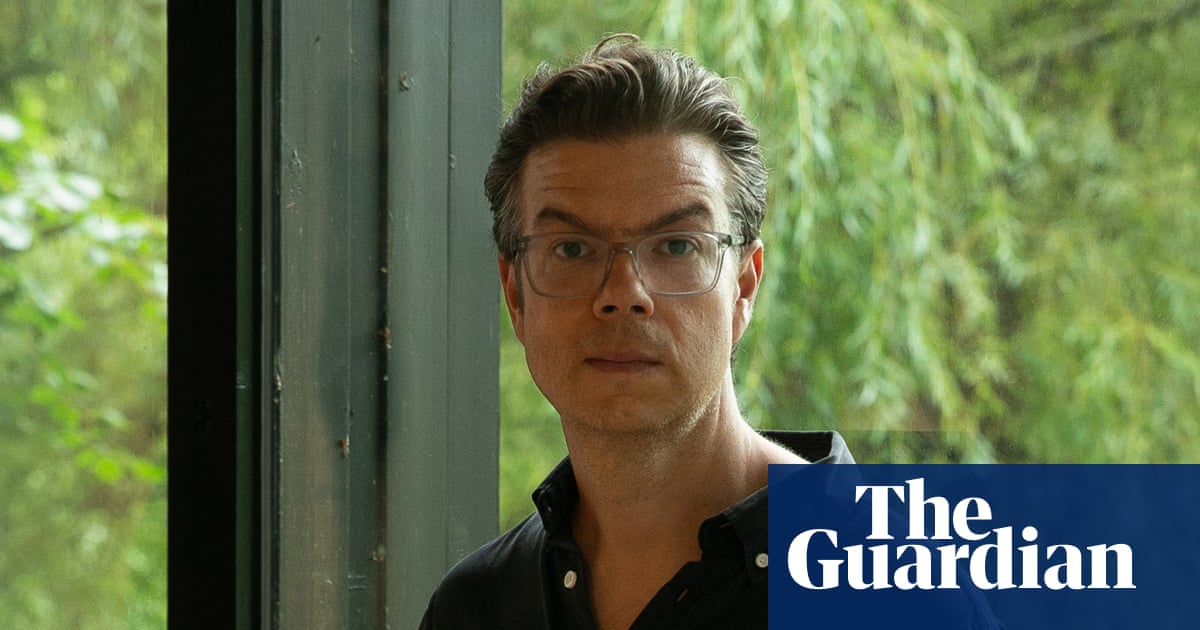
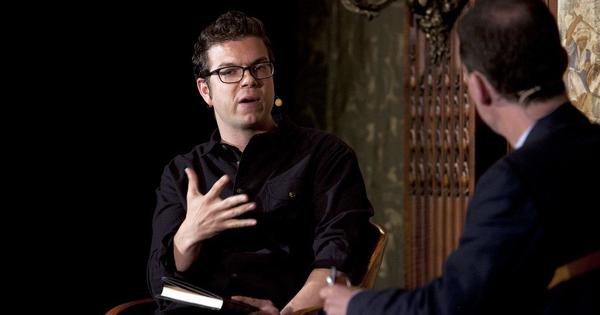
This is Ben Lerner’s fourth novel.
1,129 words~5 min read