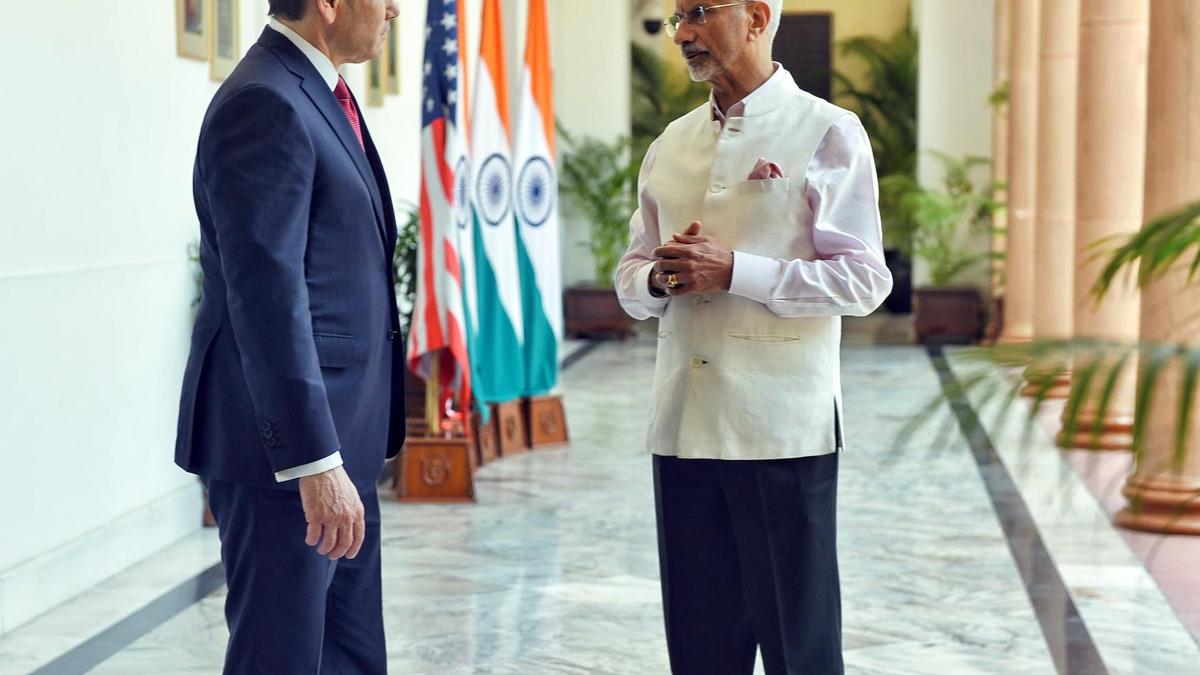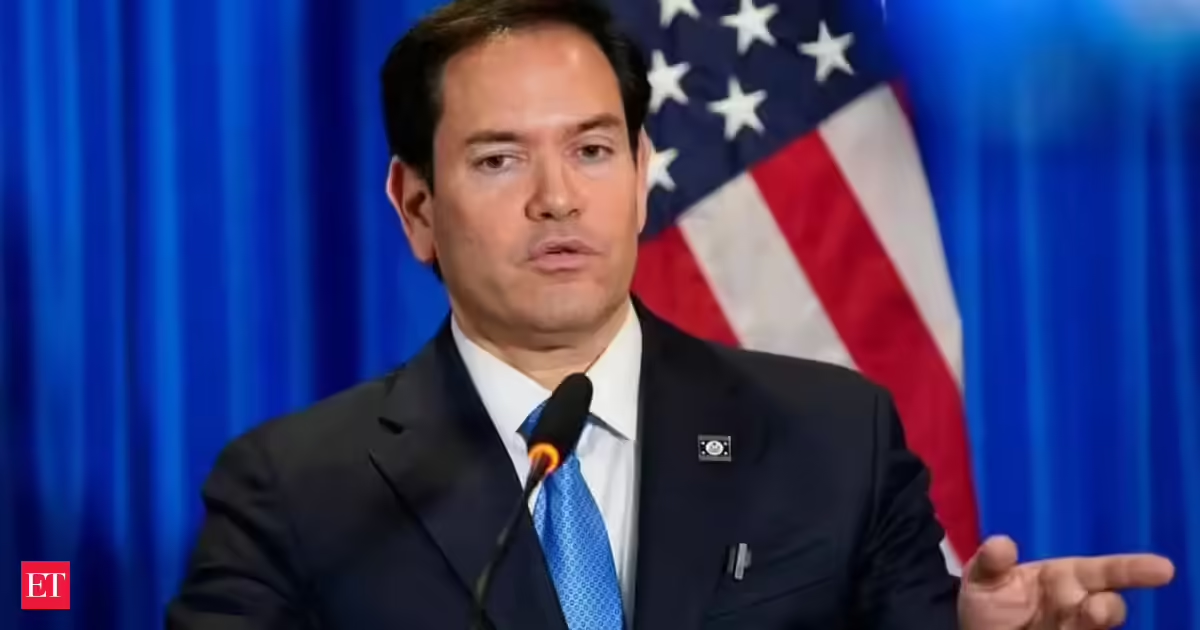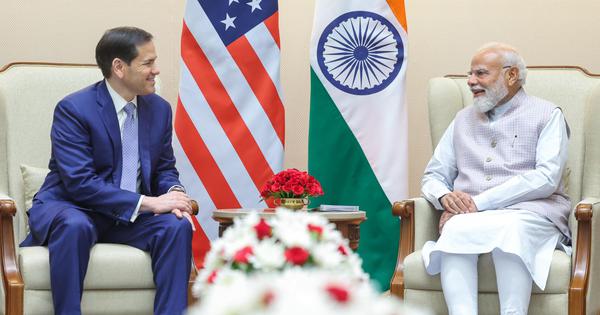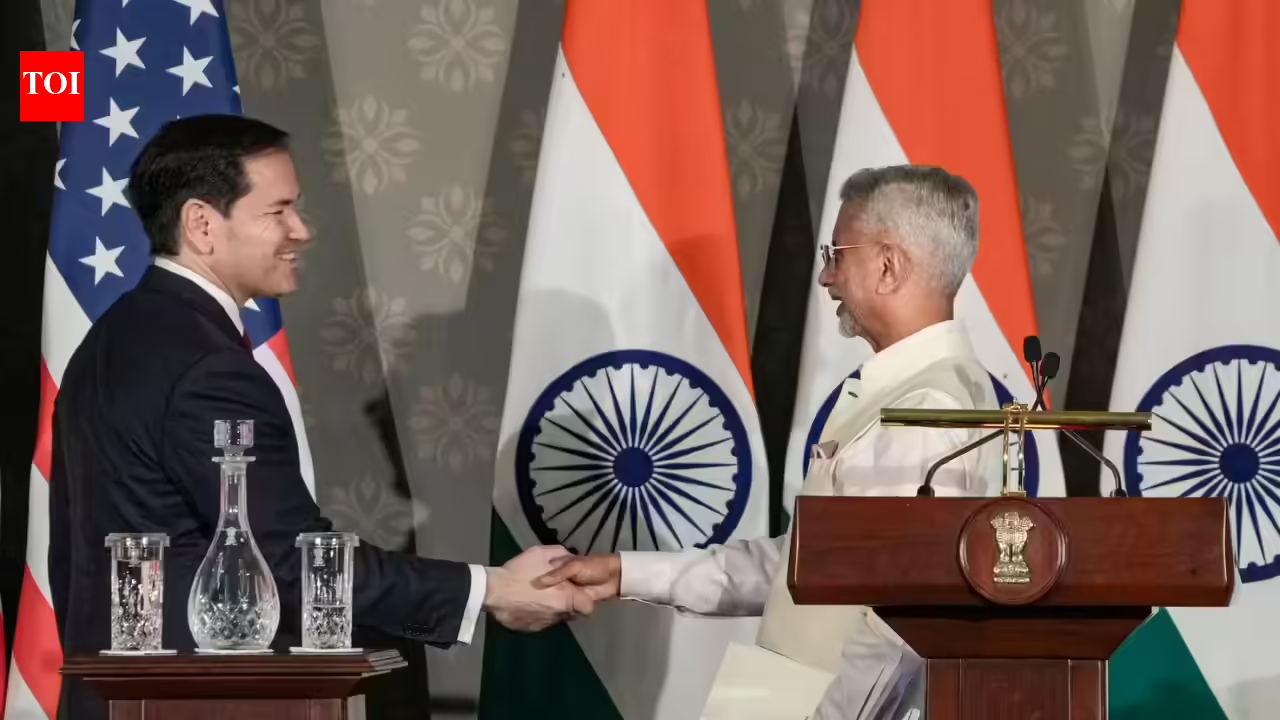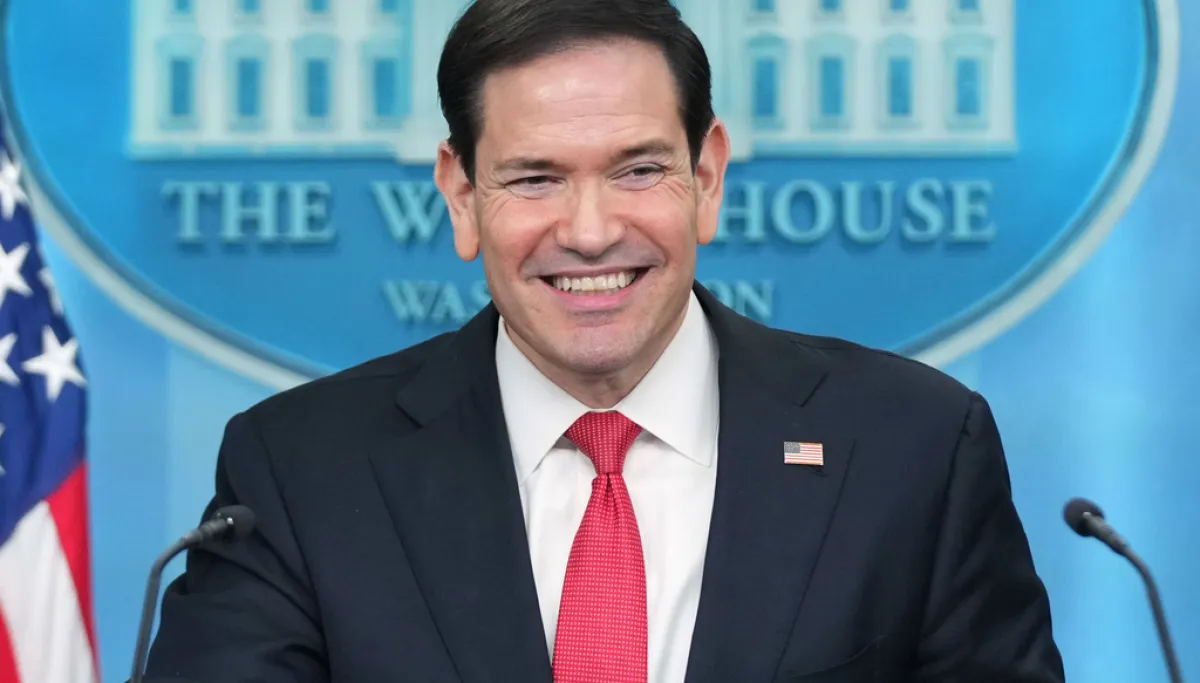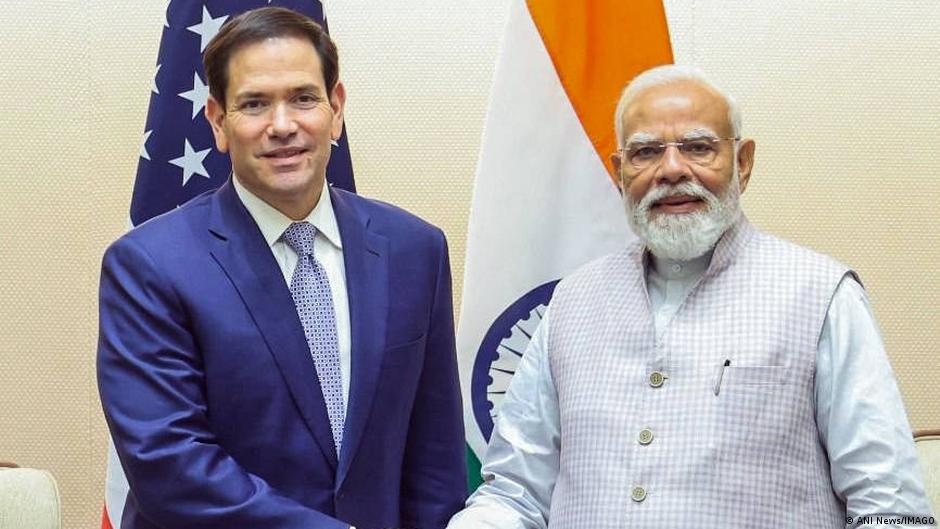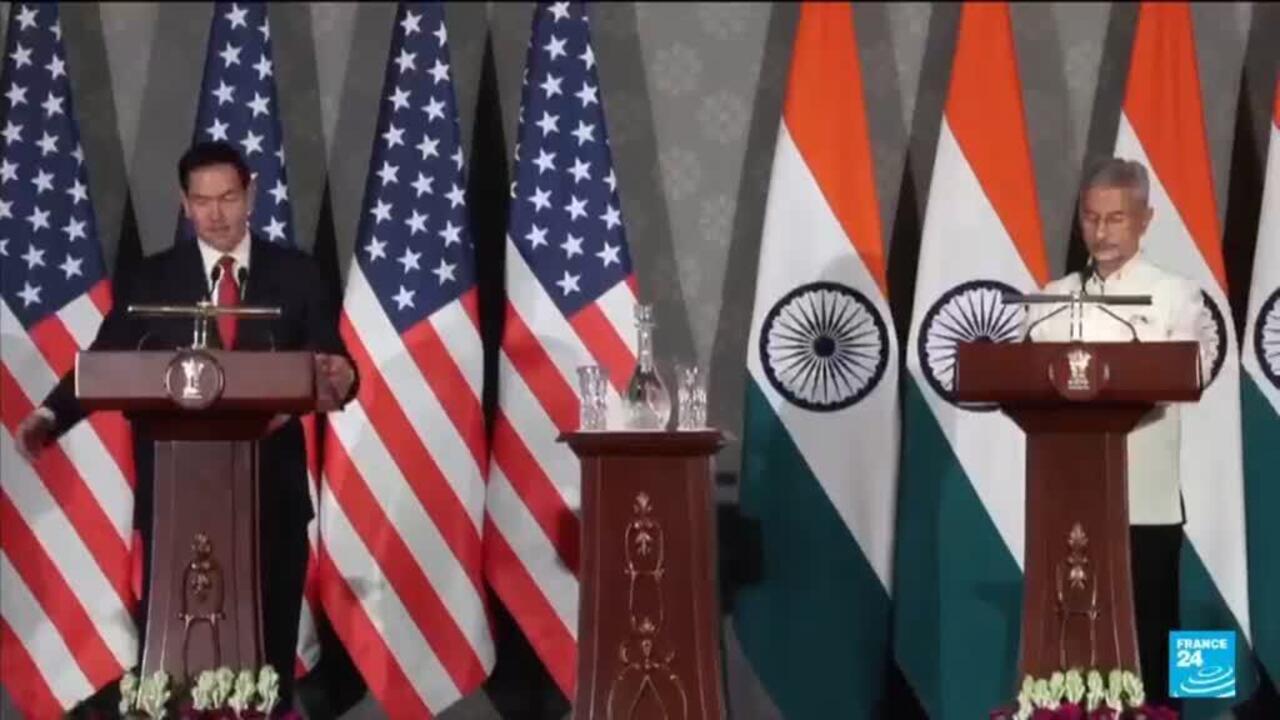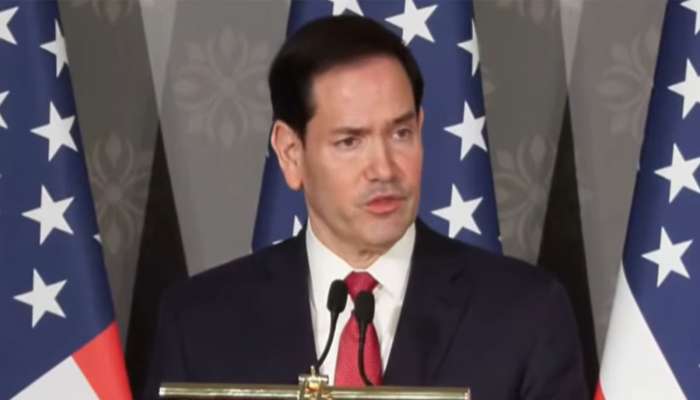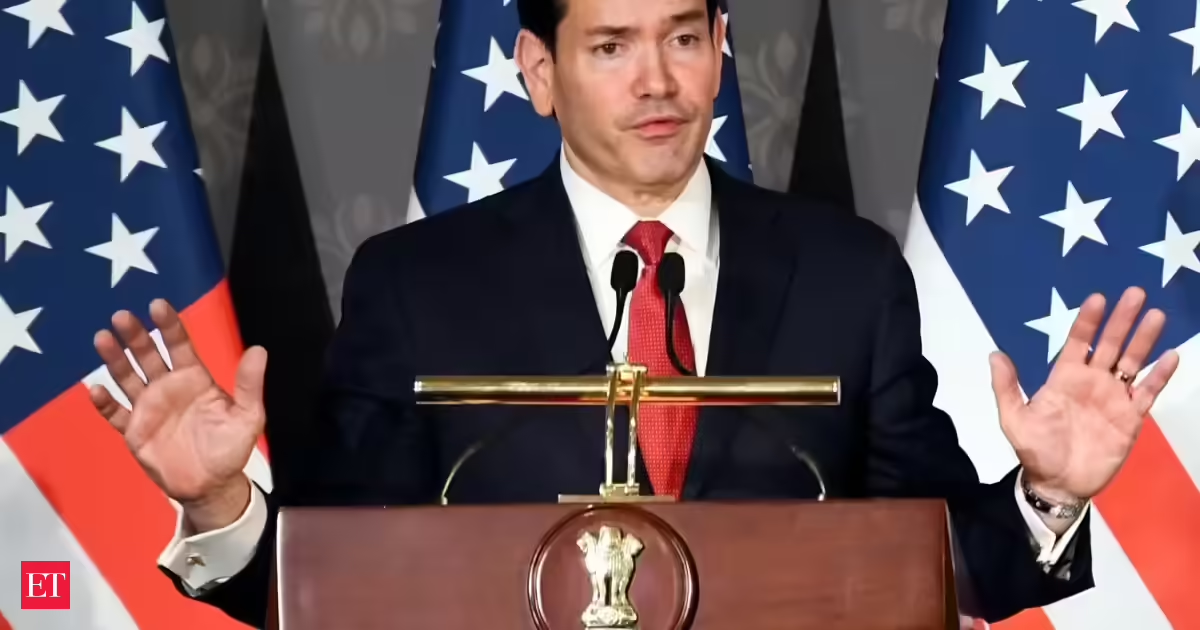
US Secretary of State Marco Rubio’s claim that India has committed to buying $500 billion worth of American goods over the next five years has run straight into a reality check from the Global Trade Research Initiative (GTRI), which says the logic of the underlying trade deal itself may have already collapsed.Rubio, currently in India (May 23–26, 2026), posted on X thanking American diplomats and claiming that India had committed to major purchases across energy, technology and agriculture sectors.Also Read: PM Modi gets invite to White House, holds talks with Marco Rubio“Huge thanks to @USAmbIndia Sergio Gor and our American diplomats for their efforts. Because of their great work, India has committed to purchasing $500 billion in U.S. goods over the next five years focusing on energy, technology, and agriculture,” he wrote.Huge thanks to @USAmbIndia Sergio Gor and our American diplomats for their efforts. Because of their great work, India has committed to purchasing $500 billion in U.S. goods over the next five years focusing on energy, technology, and agriculture. They're doing terrific work on… pic.twitter.com/iuZFOV1IWv— Secretary Marco Rubio (@SecRubio) May 23, 2026 But according to GTRI’ founder Ajay Srivastava, that headline number rests on a trade architecture that has effectively fallen apart.At the centre of the issue is the proposed India–US Bilateral Trade Agreement (BTA), under which the $500 billion purchase commitment was originally framed as part of a broader negotiation package. In the February 6, 2026 joint statement, Washington had agreed to reduce proposed reciprocal tariffs on Indian exports from 25% to 18%, while India signalled large-scale procurement commitments in return.That structure, GTRI argues, collapsed after the US Supreme Court struck down the legal basis for reciprocal tariffs on February 20, 2026. With that ruling, the entire incentive system that underpinned the deal was dismantled.Also Read: ‘Every country has stupid people’: Rubio on racist remarks against Indians in U.S.Soon after, the Trump administration moved to impose a flat 10% tariff on all imports under Section 122 of the US Trade Act of 1974, removing any country-specific advantage that earlier negotiations were supposed to secure.GTRI says that shift effectively flattens the playing field for all trading partners, whether they made concessions or not. And if there is no preferential benefit left to negotiate, the rationale for large purchase commitments becomes unclear.The report points to Malaysia’s decision in March 2026 to walk away from its own trade arrangement with the US after a similar tariff structure shift, calling the agreement “null and void.”It also flags broader macro pressure, noting that India’s rupee has weakened nearly 12% over the past year amid higher import costs, oil price pressure, and capital outflows. In that context, GTRI warns that large-scale import commitments in energy, defence, aircraft and agriculture could widen the trade deficit and add stress to foreign exchange balances.In its view, once the reciprocal tariff framework collapsed, the commercial logic of the India–US BTA itself “disappears,” making the $500 billion purchase figure difficult to interpret in any binding sense.GTRI concludes that India should clarify its position on Rubio’s statement and reconsider the negotiating framework altogether, arguing that the foundation of the agreement no longer exists in its original form.As Srivastava puts it, the issue is not the number being announced — but whether the deal it rests on still exists in any meaningful way.
A $500 billion question hangs over Rubio’s India trade claim as original tariff bargain loses its footing
The potential $500 billion investment by India in US goods is now being closely examined. According to findings from a trade advocacy group, the core underpinnings of the deal are showing signs of instability. This scrutiny follows a recent Supreme Court decision in the US that affects tariff structures, removing some exclusive advantages for specific nations.
552 words~3 min read