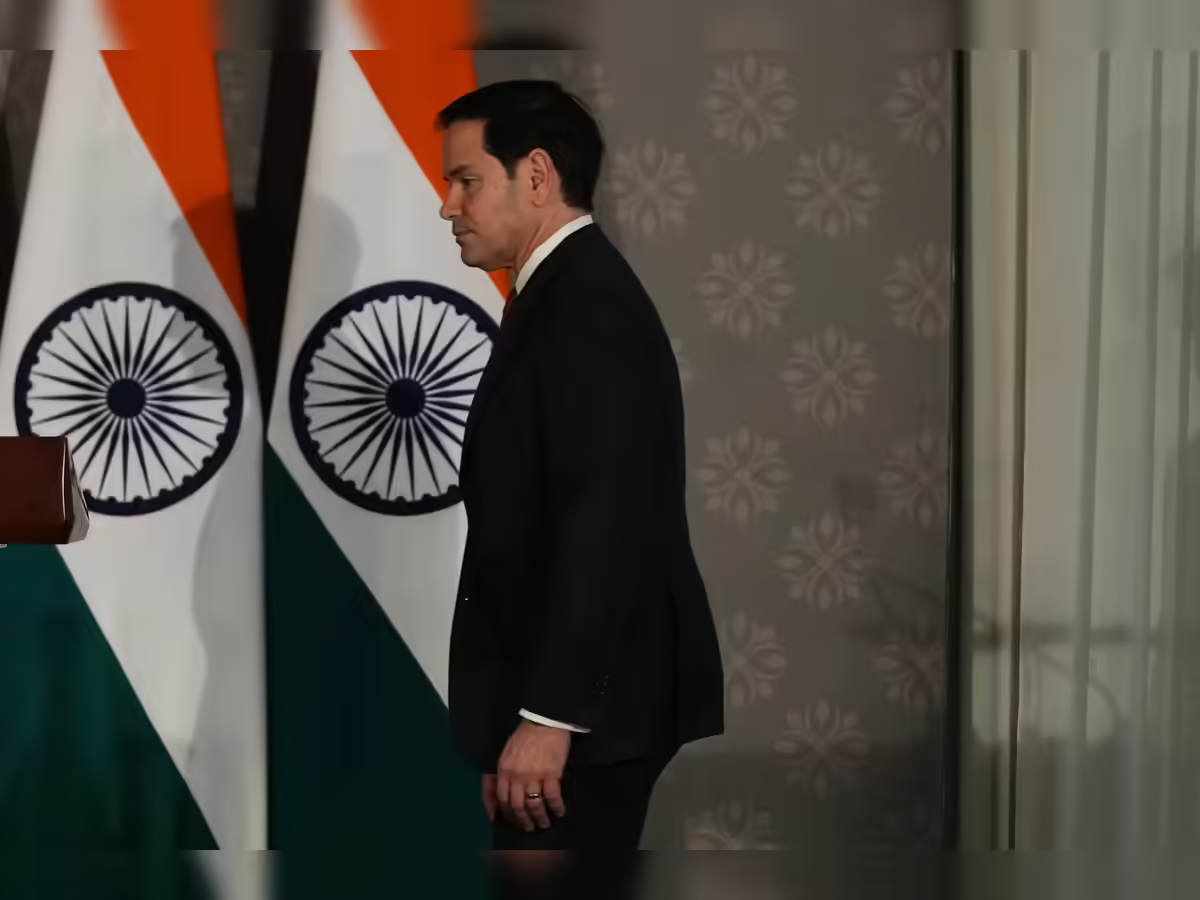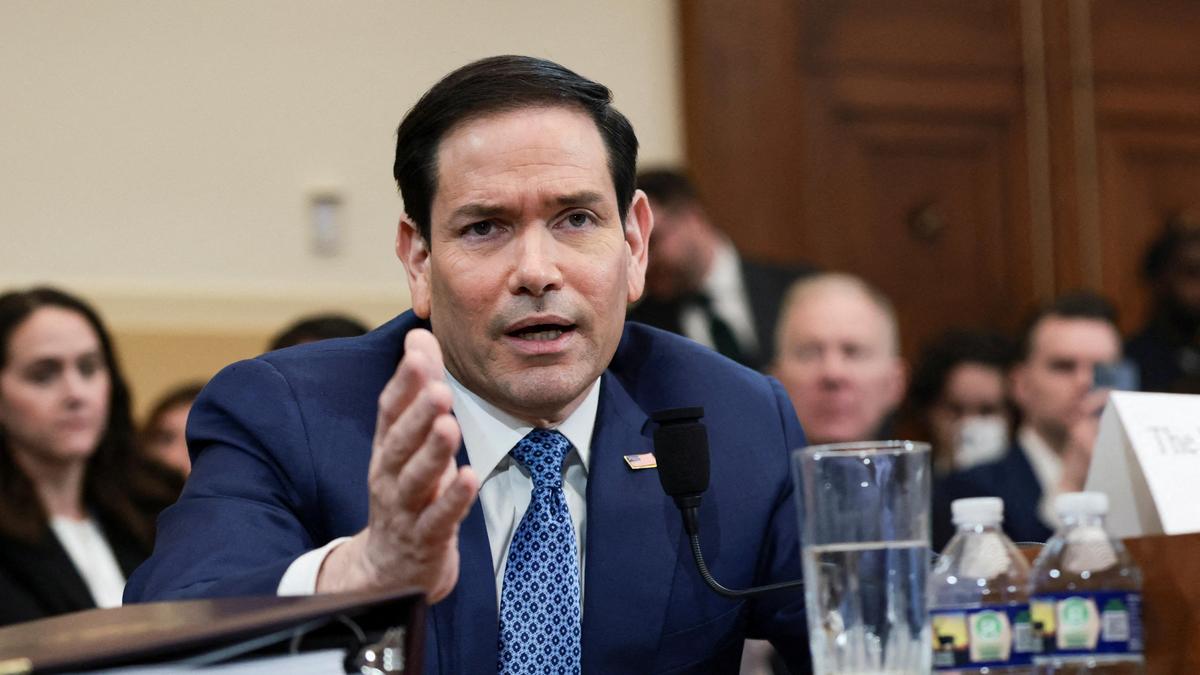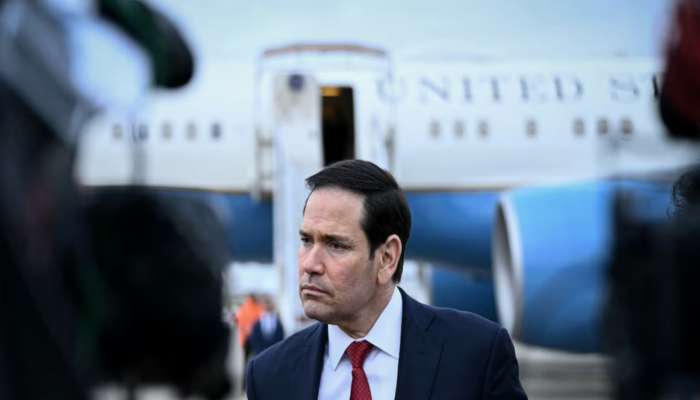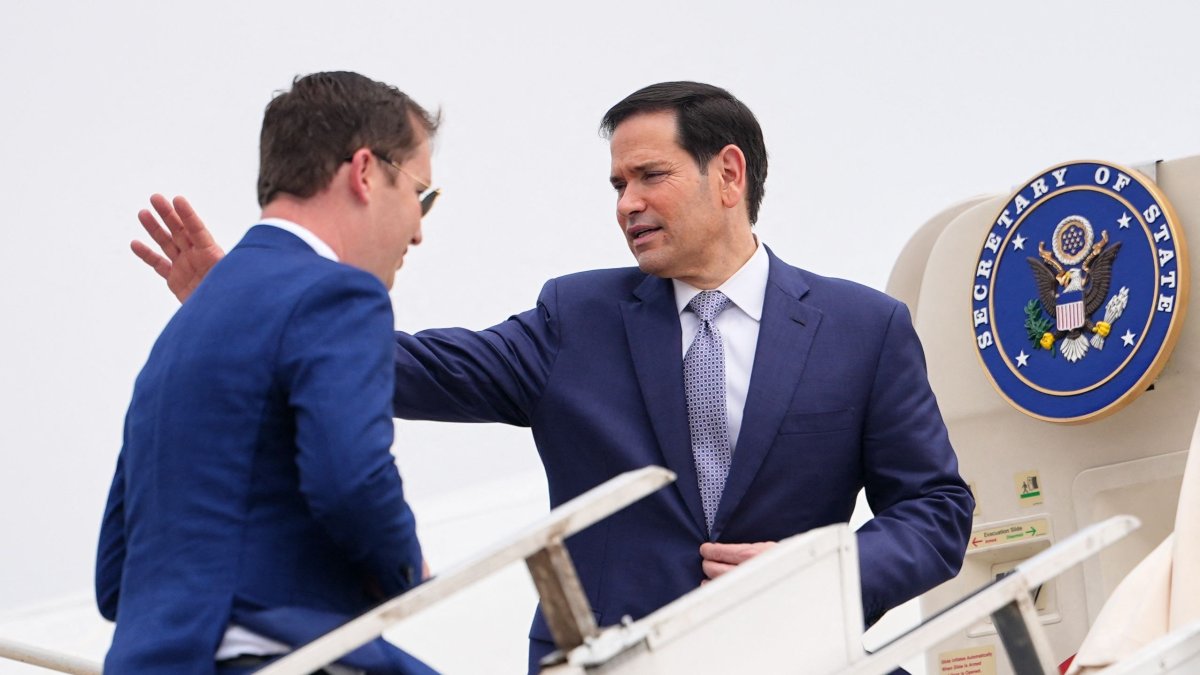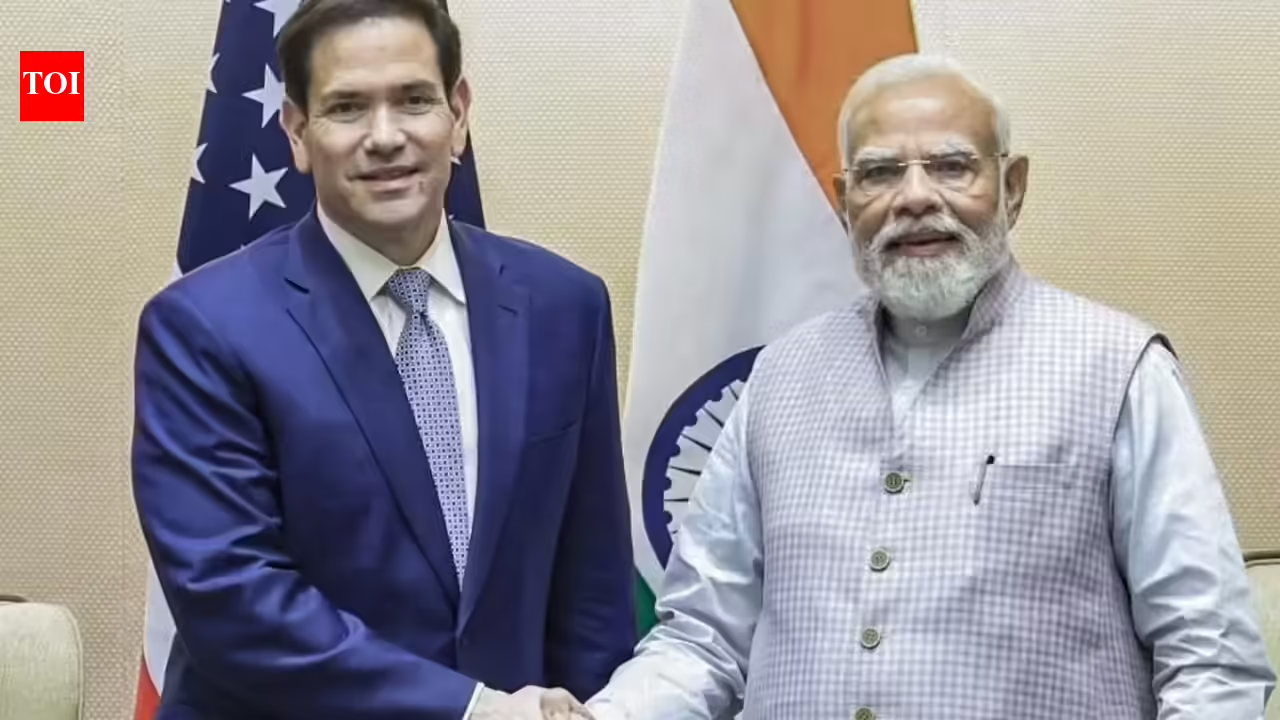
U.S. Secretary of State Marco Rubio’s visit to India produced much-needed diplomatic momentum, with more ground to cover on the energy front. Even with an Indian commitment to purchase $500 billion in American goods over the next five years, Rubio’s stated desire to supply “as much energy” as India is willing to buy appears to remain on the table.Washington and New Delhi stand united in their unapologetic embrace of oil, natural gas, and coal. However, the results of the partnership in this area remain modest compared to what the countries need. The task now is to turn early agreements into meaningful outcomes that serve both nations’ long-term interests.
Dylan Johnson, assistant secretary of state for global public affairs, confirmed that the Energy Department will host a fuel security meeting later this year for representatives of the Quadrilateral Security Dialogue, an arrangement of Australia, India, Japan, and the United States. “Each country will leverage their unique energy resources and capabilities to strengthen regional energy resilience,” he said.
The subcontinent needs energy sources at a scale to power growth for hundreds of millions moving into the middle class. And the time has come for Indian and American leaders to stop playing the games of climate theater.