As political spending builds ahead of 2027, analysts warn that excess liquidity could threaten Nigeria’s fragile reform gains and that the naira, inflation, and governance priorities may rise, writes Festus Akanbi
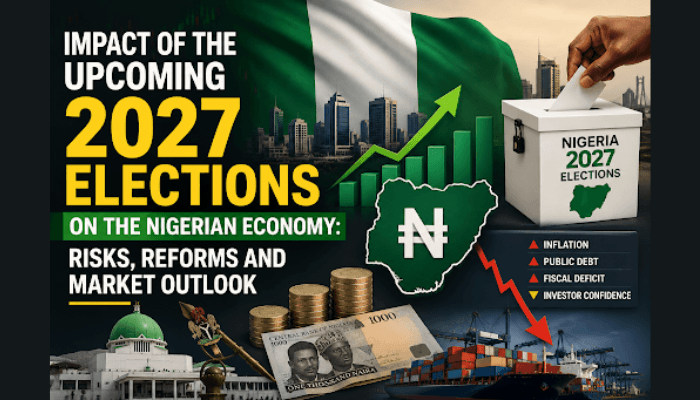
As Nigeria edges closer to the 2027 elections, economists and market watchers warn that the nation may soon enter a familiar yet dangerous economic cycle in which political spending overwhelms reform discipline, injects excess liquidity into the system, and diverts official attention from real governance to electoral survival.
The concern is that while election seasons traditionally stimulate pockets of commercial activity, they also distort macroeconomic management, weaken monetary controls, pressure the naira, and push core governance priorities to the margins.
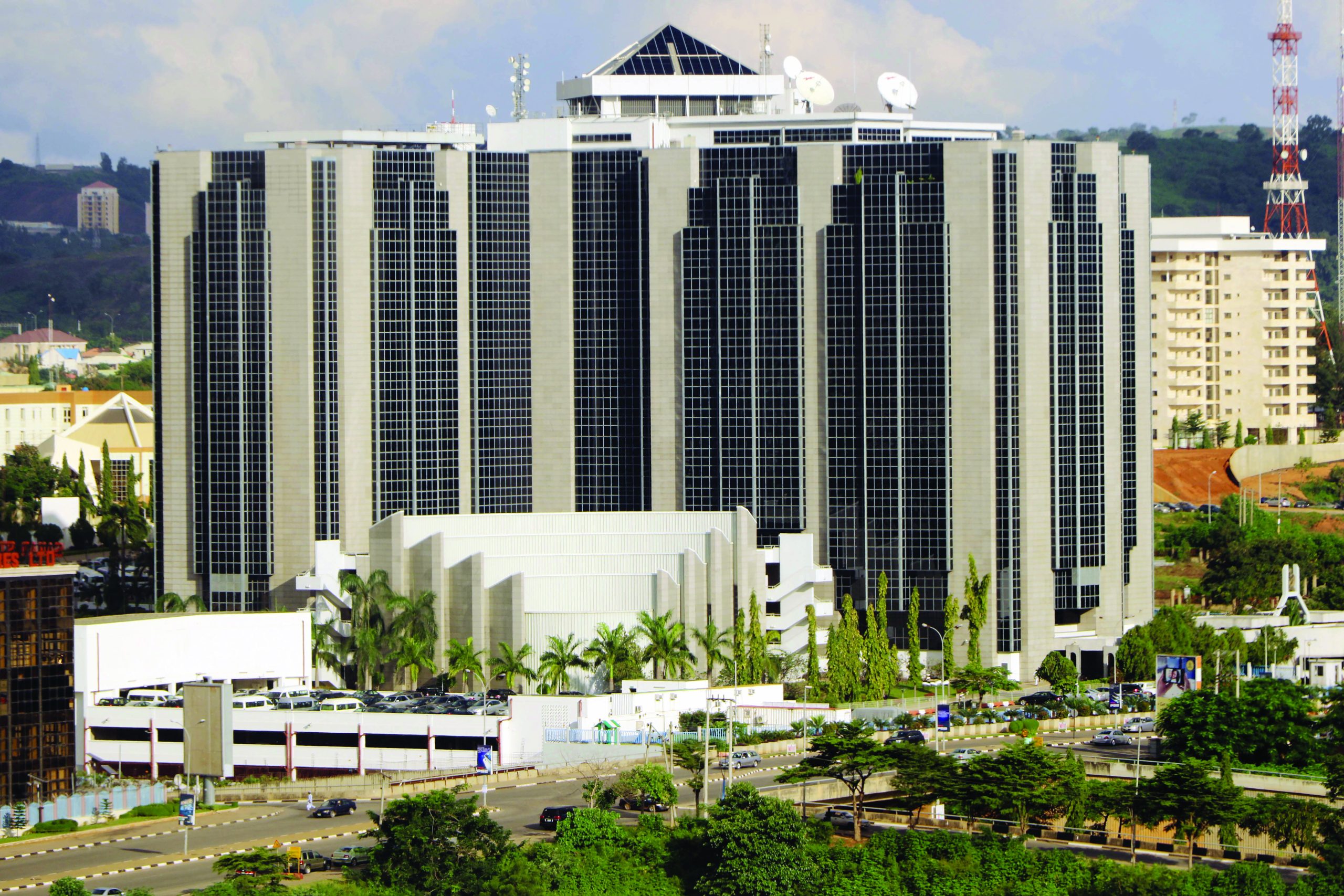
The warning has already come from the Central Bank of Nigeria (CBN) itself. Governor of the bank, Mr. Yemi Cardoso, recently cautioned that election-year spending poses a major threat to the fragile gains of current reforms, noting that excessive liquidity in the financial system could destabilise inflation, exchange rates, and investor confidence if not properly managed.
He disclosed that previous interventions of about N10.93 trillion had provided temporary relief but left behind structural distortions and higher liquidity-management costs.