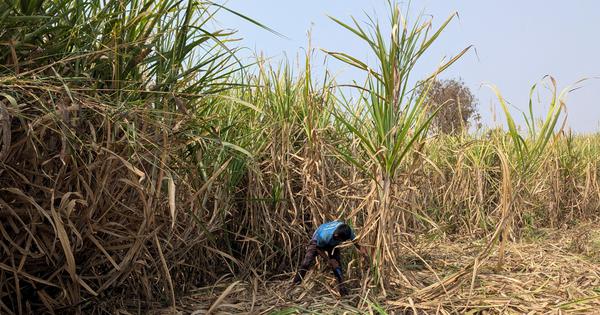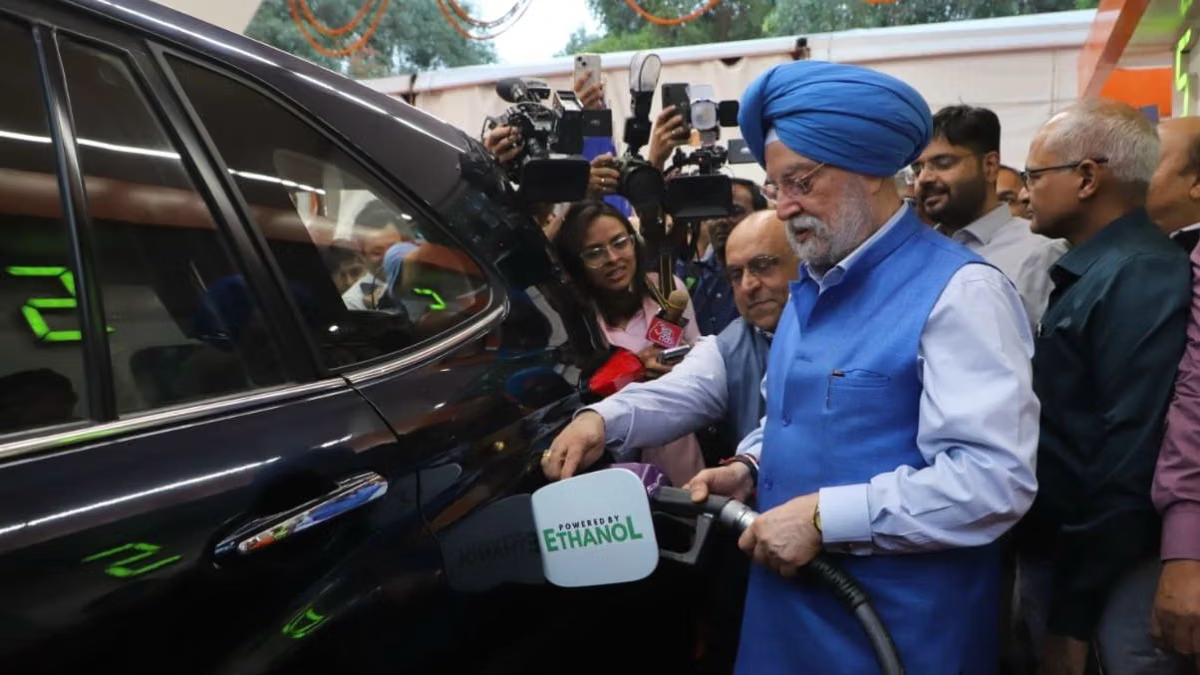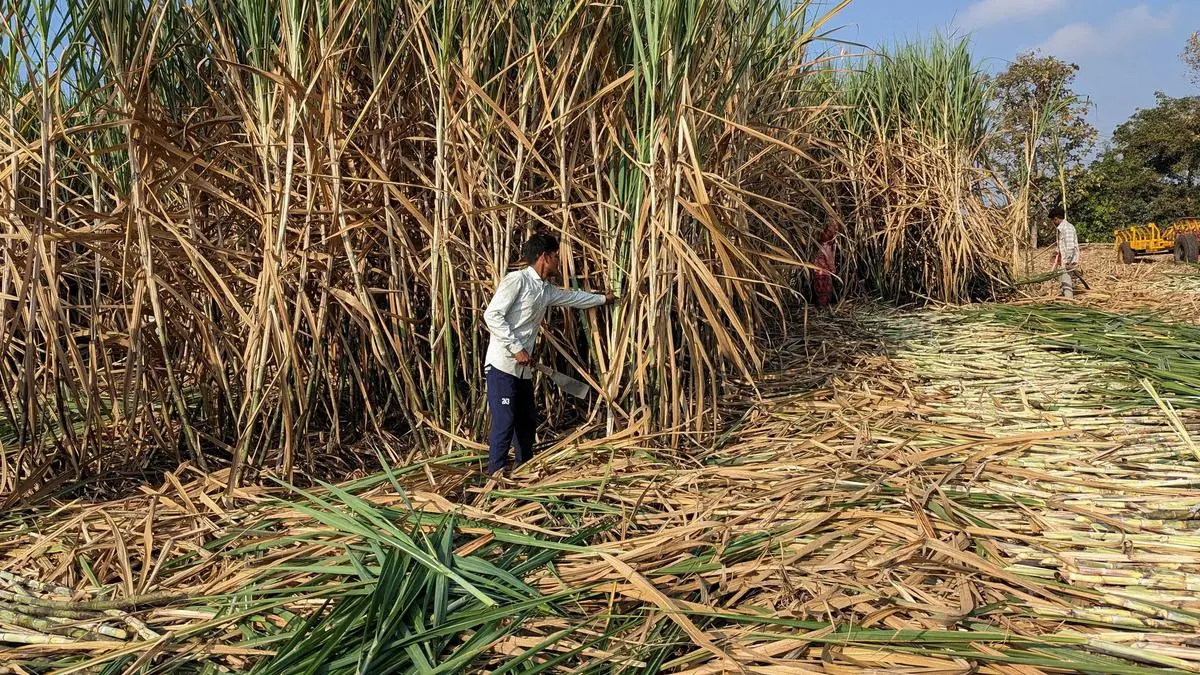
Sugarcane remains one of the most important pillars of India’s rural economy, supporting millions of farmers and workers across the agricultural and industrial value chain. India is among the world’s largest producers of sugarcane, with annual cane production exceeding 450 million tonnes in recent years. Given the scale and socio-economic importance of the sector, a transparent and sustainable pricing framework is essential not only for farmer welfare, but also for the long-term viability of the entire sugar ecosystem.Building economic resilience and farmer confidenceThe Fair and Remunerative Price (FRP) mechanism remains central to India’s sugar economy, as it establishes a minimum assured price for sugarcane that mills are mandated to pay farmers. Over the years, the FRP framework has provided stability to growers by reducing exposure to market fluctuations and ensuring a greater degree of income certainty.A predictable pricing structure gives farmers the confidence to continue investing in cane cultivation, adopt improved farming practices, and enhance productivity. Over time, stable returns can encourage greater adoption of modern agricultural techniques such as precision farming, improved seed varieties, mechanised operations, and better nutrient management practices.Importantly, sustainable farmer incomes also create opportunities for investment in soil health improvement, bio-fertilizers, and efficient agronomic practices. In this context, transparency in pricing is not merely an economic issue; it becomes a mechanism for encouraging responsible agricultural behavior and long-term rural resilience.Encouraging resource efficiency and sustainable agricultureThe sustainability challenge facing the sugar sector is closely linked to efficient utilisation of natural resources, particularly water. Sugarcane is a water-intensive crop, and studies have highlighted the significant pressure it places on groundwater and irrigation systems in several regions.A more transparent and quality-linked pricing system can help address this challenge. Incentivising farmers not only on cane quantity but also on sugar recovery encourages cultivation practices that improve efficiency and reduce resource intensity. Recovery-based pricing creates a stronger economic incentive for adopting technologies such as drip irrigation, moisture management systems, and scientific fertiliser applications.Such an approach aligns farmer incentives with sustainability outcomes. Improved water-use efficiency, healthier soils, and better crop quality ultimately strengthen both farm economics and industry competitiveness.Supporting India’s bio-energy transitionThe role of sugarcane in India is also evolving beyond conventional sugar production. The Government of India’s Ethanol Blending Programme (EBP) has positioned the sector as an important contributor to the country’s clean energy transition and energy security objectives.Transparent and policy-linked pricing mechanisms across sugar, ethanol, molasses, and other by-products provide greater operational visibility to the industry and support long-term investments in integrated bio-energy infrastructure.This transformation is accelerating the emergence of modern integrated complexes where sugar, ethanol, power generation, and other value-added products are produced through a circular and resource-efficient model. Bagasse-based cogeneration, ethanol production from multiple feedstocks, and improved utilisation of by-products are helping improve both environmental outcomes and sectoral resilience.As India advances toward its energy transition goals, a stable and transparent pricing ecosystem will remain critical in balancing farmer interests, industrial sustainability, and national energy priorities.A shared path forwardThe future sustainability of the sugar sector will depend on maintaining equilibrium across the value chain ensuring fair returns to farmers while preserving the financial viability of mills and enabling continued investment in efficiency and green technologies.Transparent pricing is, therefore, not only about price discovery. It is about building trust, improving resource efficiency, encouraging innovation, and creating a more resilient agricultural and industrial ecosystem for the future.The author is Executive Director & Unit Head, GSMA- Zuari IndustrPublished on May 24, 2026
Why transparent sugarcane pricing can improve sustainability across the sector
Discover how transparent sugarcane pricing fosters sustainability, boosts farmer confidence, and enhances resource efficiency in India's agricultural sector.
570 words~3 min read