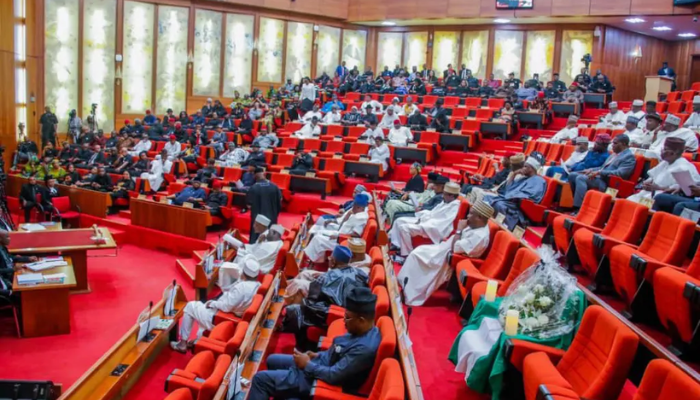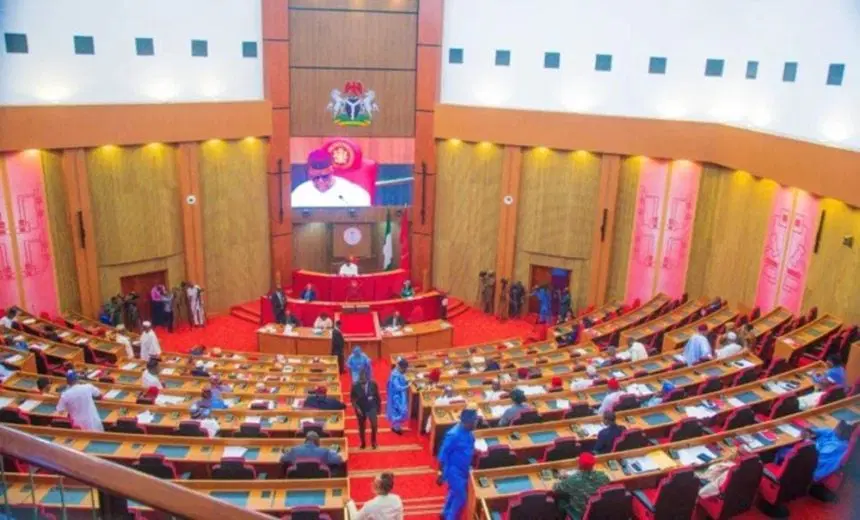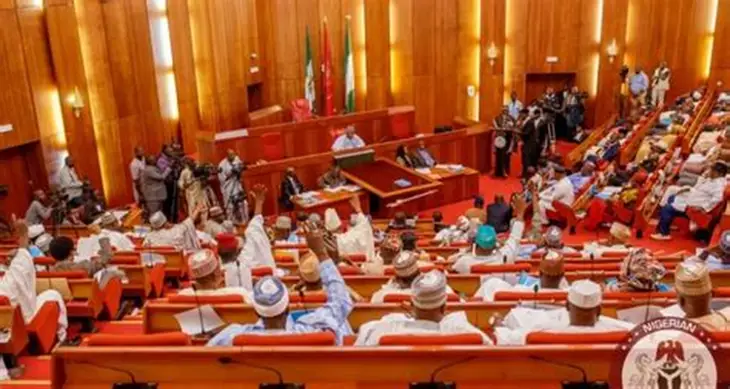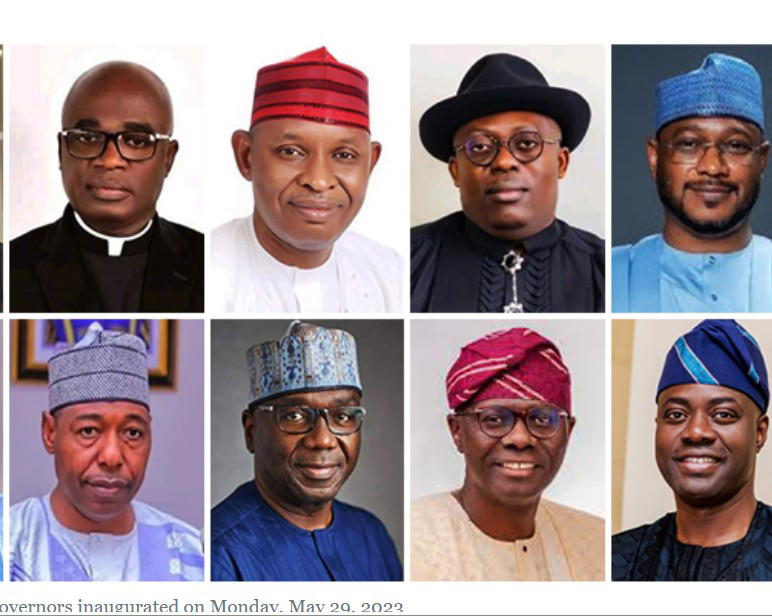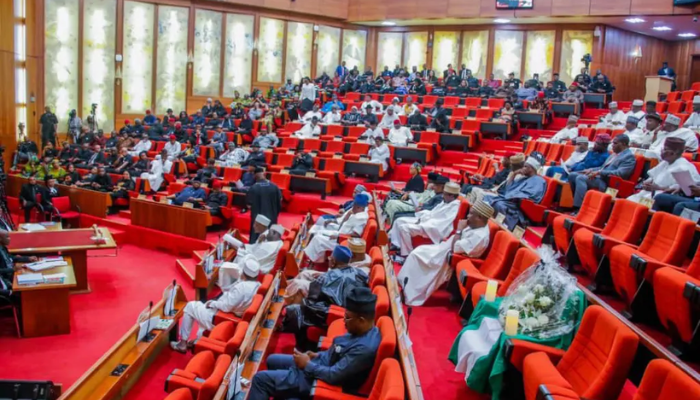
With a few months to the 2027 general elections, Nigeria’s political class is already witnessing a familiar migration pattern: outgoing governors preparing soft landings in the Senate, the country’s highest legislative body.
At least 12 of Nigeria’s 36 governors are serving their second and final terms in office. Ten of them will complete their constitutionally permitted eight years on 29 May 2027, while two – Bayelsa State Governor Douye Diri and Imo State Governor Hope Uzodimma – will leave office in early 2028 due to off-cycle elections.
For many of these governors, the question is no longer whether they will remain politically relevant after leaving office, but where they intend to relocate within Nigeria’s power structure. Increasingly, the preferred destination is the Senate, the upper chamber of the National Assembly.
The growing migration has become so pronounced that in the current 10th National Assembly, 14 former governors occupy seats in the Senate, reinforcing a long-standing pattern in which state executives move almost seamlessly from Government House to the Red Chamber.
This trend has transformed the composition and power dynamics of the upper chamber, where former governors now rank among the most influential blocs because of their extensive political networks, financial resources and executive experience.