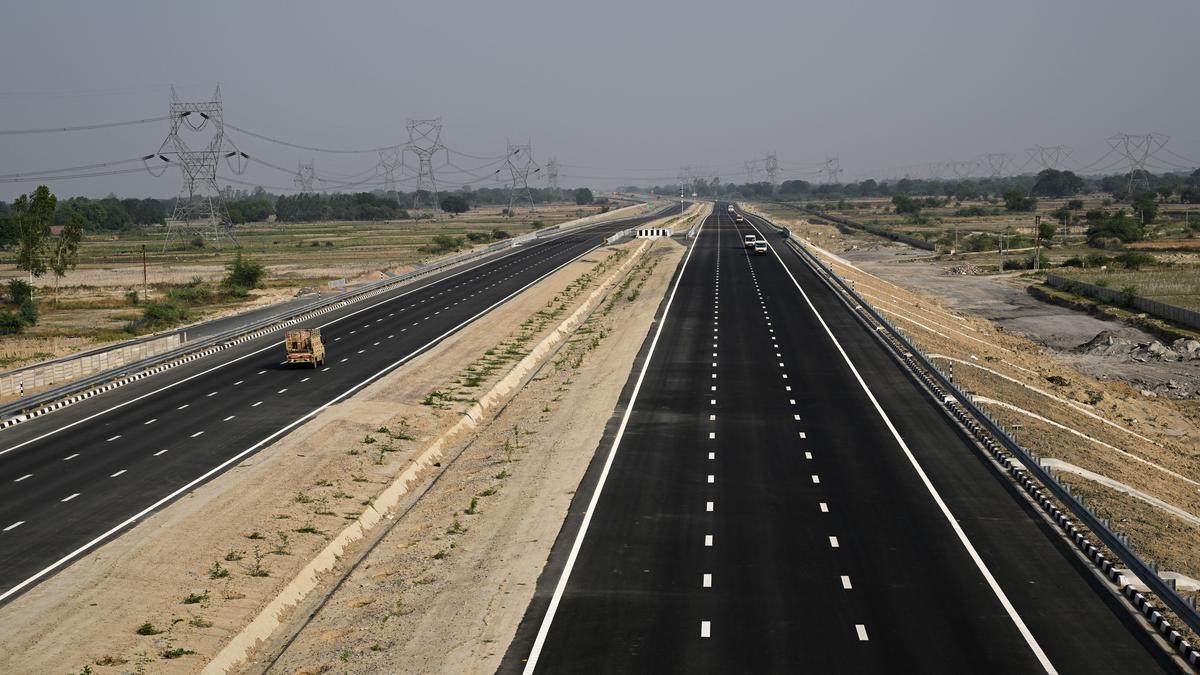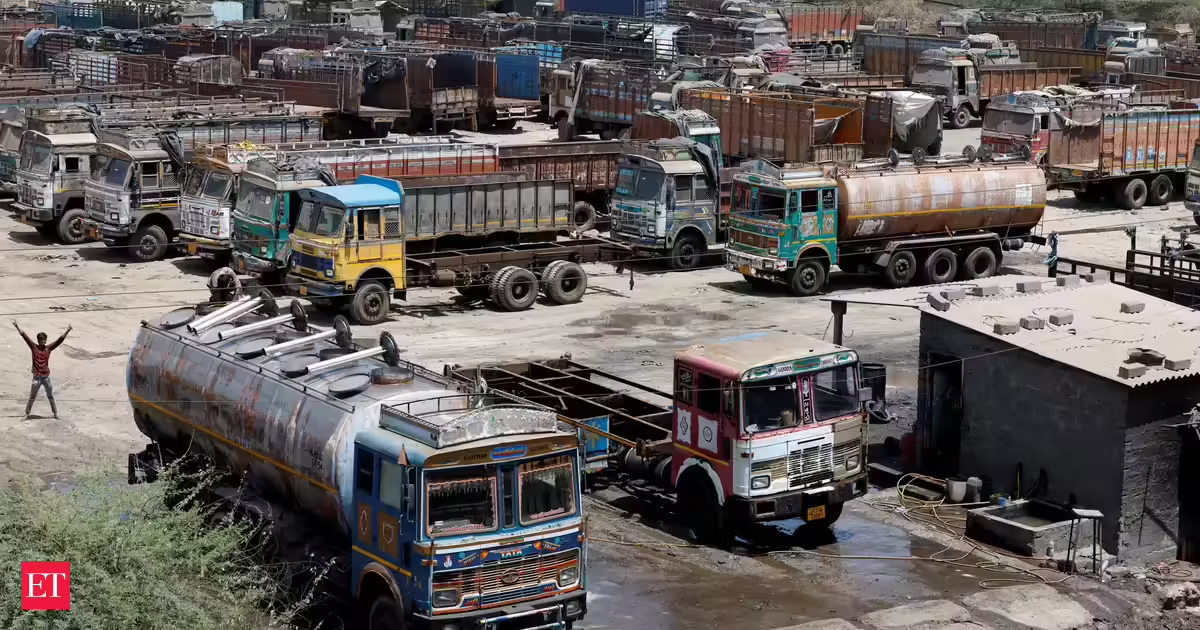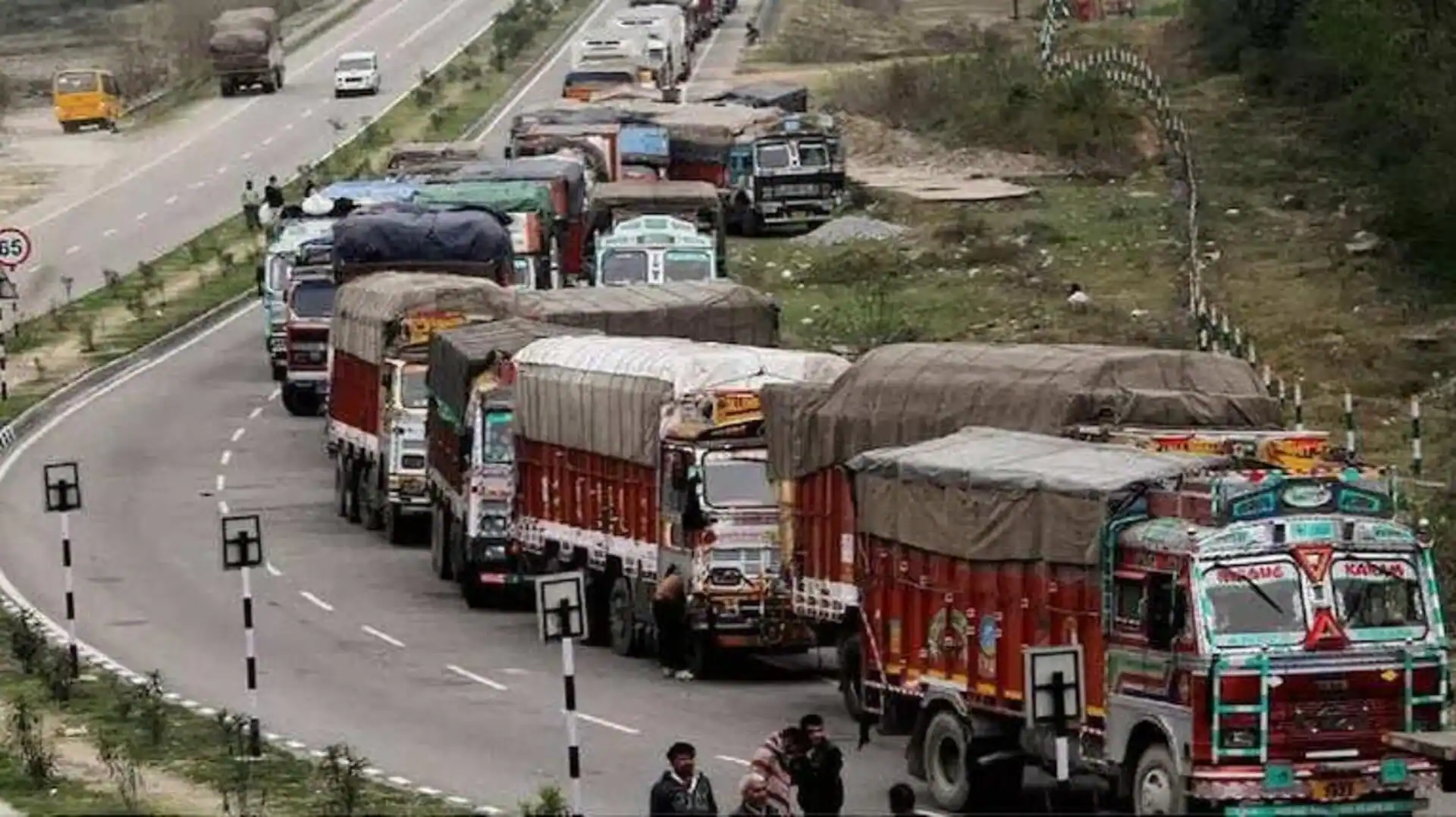
There was a time when India measured distance emotionally.A farmer in Vidarbha did not calculate how many kilometres Mumbai was from his orchard. He calculated how much of his produce would survive the journey. A textile trader in Bhadohi did not think in freight corridors and turnaround cycles. He thought in delays, uncertainty, and lost buyers. A truck driver crossing states carried not merely cargo, but accumulated friction, broken roads, long toll queues, unpredictable transit times, and the quiet exhaustion of inefficiency.That is why the story unfolding on our highways today is far bigger than an infrastructure story. It is the story of commodities finally moving with rhythm across a nation that spent decades moving them with resistance.For decades, commodity movement in India remained fragmented and inefficient. Agricultural produce moved slowly to mandis, industrial supply chains suffered from freight unpredictability, warehousing developed in isolated pockets, and ports lacked seamless hinterland connectivity. As a result, many districts remained economically “far away” despite being physically connected. The result was invisible taxation through inefficiency.Strengthening perishable commodities movementToday, India’s expanding highway network is improving freight efficiency and supply chain reliability. Projects like the Samruddhi Mahamarg have strengthened the movement of perishable commodities across Maharashtra, while the Delhi–Mumbai Expressway is transforming previously bypassed districts into warehousing and logistics hubs.An equally important shift is the rise of warehousing as critical economic infrastructure. Faster and more predictable transit is making cold chains and Grade-A warehousing commercially viable, helping reduce post-harvest losses and improve storage efficiency.Cold storage today is not merely a real estate asset; it helps farmers reduce distress selling, preserve produce quality, and access better markets. The commodity economy improves not only when goods move faster, but when value survives the journey.Highway-led freight efficiency is also strengthening India’s industrial competitiveness. Modern manufacturing depends on reliable and synchronised supply chains, and corridors like Bengaluru–Chennai are helping integrate automotive, electronics, and EV ecosystems through faster and more predictable freight movement. In many ways, highways are now functioning as industrial operating systems.Integrated extensions of inland economic corridorsThe same logic applies to ports and export infrastructure. Corridors such as Amritsar–Jamnagar or Raipur–Visakhapatnam are compressing the distance between manufacturing centres, mineral belts, agricultural clusters, and maritime gateways.Historically, India’s ports functioned as isolated endpoints, but they are increasingly becoming integrated extensions of inland economic corridors. As logistics efficiency improves, investment and industrial activity are accelerating along major highways, driving the growth of logistics parks, industrial clusters, fulfilment centres, and multimodal hubs.We have seen firsthand how reducing friction transforms movement behaviour. On one of our projects near Dewas–Bhopal, significant investment was made to create a completely cash-free, near-stopless tolling experience because the objective was never only revenue collection, it was transit efficiency. Vehicle wait times reduced from nearly 90 seconds to under 8 seconds.At first glance, an 82-second reduction may appear operationally minor. In reality, multiplied across thousands of vehicles carrying commodities every day, it becomes economically significant. Lower idle time means lower fuel consumption, faster freight cycles, improved fleet utilisation, and more reliable delivery schedules.India’s infrastructure thinking is evolving. Roads are no longer viewed merely as public works, but as productivity multipliers driving economic activity. Their impact is visible in the rise of quick commerce in Tier-II cities, overnight agricultural freight, regional manufacturing clusters, cold-chain ecosystems, and export-linked hinterlands enabled by improved transport efficiency.When highways become efficient, commodities not only move faster but retain greater value. Markets become more integrated, producers gain stronger bargaining power, and smaller towns increasingly become part of national supply chains and economic growth.In the end, highways are not changing India because they are roads. They are changing India because they are dissolving economic distance. And once economic distance collapses, possibility expands.The author is Executive Director and Joint CEO - Vertis Infrastructure Trust and President - Highways Investors Association (HIA)Published on May 24, 2026
When freight finds flow, nations find growth
Discover how improved freight movement on India's highways is driving economic growth and transforming the nation's commodity landscape.
636 words~3 min read