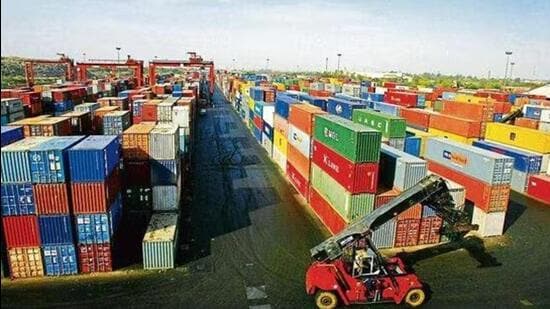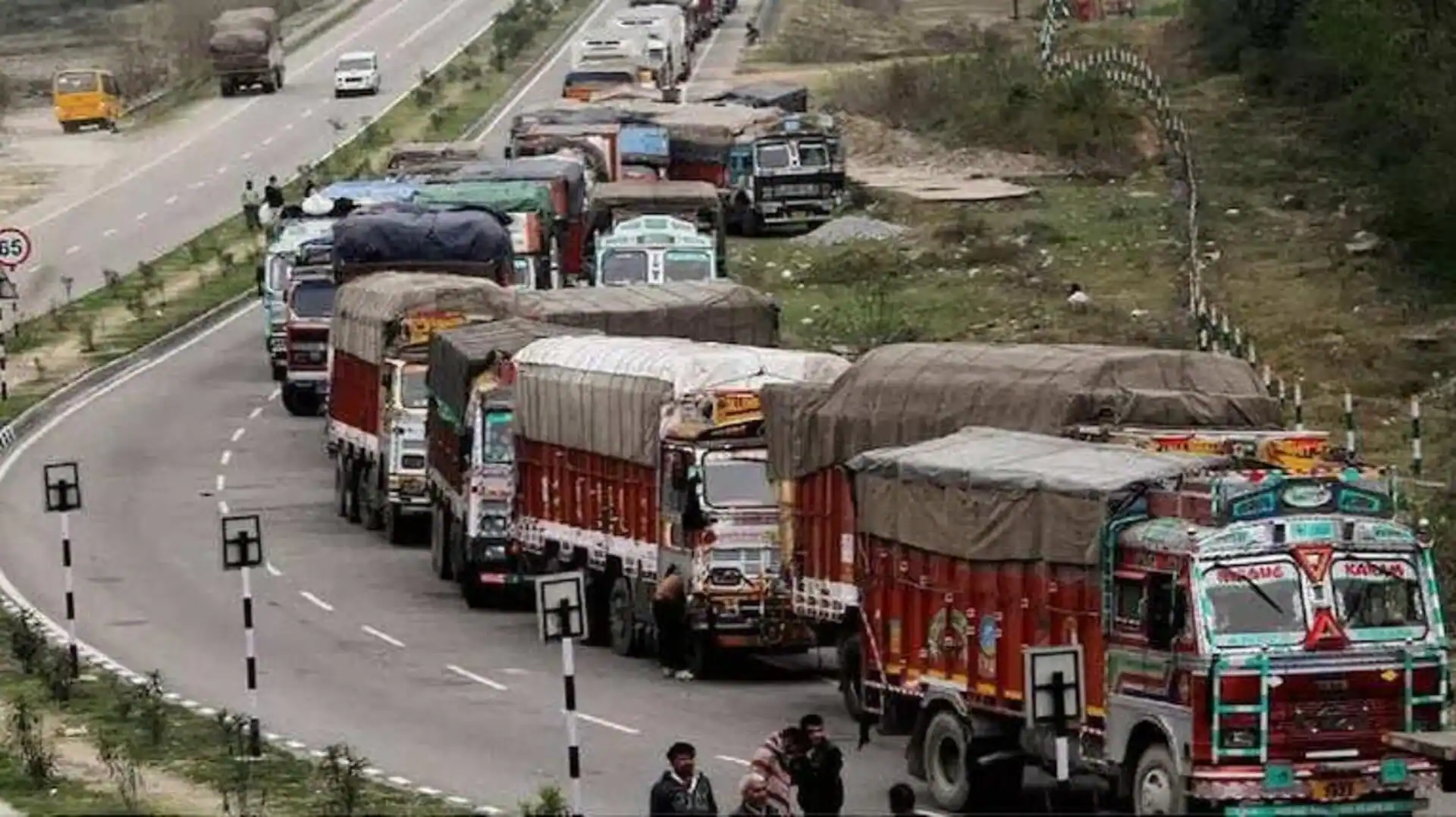
New Delhi: India's cumulative investments of nearly USD 360 billion in infrastructure development over the last decade has significantly slashed India's logistics cost to 10-10.7 percent of GDP in FY 2026, from 13-14 percent a decade ago, a report by CII Knight-Frank said on Friday. The report titled 'Fast-Tracking MMLPs to Enable Modal Shift: India's Multimodal Logistics Transformation: A Strategic Outlook' further said India will need many more Multimodal Logistics Parks (MMLPs) to unlock next level logistical efficiency. Reflecting this progress, the report said India's position in the global Logistics Performance Index (LPI) improved from 54th in 2014 to 38th in 2023. As a result of these sustained efforts, the country's logistics ecosystem has improved considerably, contributing to enhanced connectivity, trade facilitation, and supply chain performance, it added. Despite these improvements, the report noted that India's logistics supply chain is yet to achieve optimal efficiency. Noting that MMLPs are central to improving India's logistics efficiency, notes the report, it said, "India will require 216 MMLPs, each with an average capacity of 16-17 MMT per annum, to achieve its 2047 freight modal shift targets." The report highlighted that continued overdependence on road transport for freight movement, delays in the development of integrated MMLPs, and inadequate first- and last-mile connectivity continue to limit the shift of cargo movement towards rail and other efficient modes of transport. "The core challenge is no longer an infrastructure deficit, but a lack of connective nodes. MMLPs are the essential connective tissue required to convert rail's line-haul cost advantages into door-to-door competitiveness," it said. By aggregating fragmented, sub-threshold cargo, MMLP-grade interchange unlocks a monumental 43 percent total cost advantage over road freight on DFC corridors. Simultaneously, the report said MMLPs compress terminal origin-side dwell times by over 90 percent and drastically reduce handling damage, transforming rail into a time-predictable, reliable logistics channel for high-growth, non-bulk sectors like FMCG, automotive, and e-commerce. Multimodal logistics parks, inland container depots, regional consolidation centres, digitally integrated freight exchanges, and standarised warehousing ecosystems will become critical to ensuring that infrastructure efficiency translates into economy-wide competitiveness. Therefore, for India to gain greater export competitiveness, stronger manufacturing growth and an integrated freight economy, it is crucial that a strong emphasis is laid on accessibility, integration and network efficiency of infrastructure corridors, reckons the report.
India's $360 billion infra investments slash logistics cost to 10-10.7% in FY26: CII-Knight Frank
India has significantly cut logistics costs through infrastructure investment. However, the nation requires more Multimodal Logistics Parks to achieve greater efficiency. These parks are crucial for shifting freight from roads to more cost-effective modes like rail. This strategic development will boost India's export competitiveness and manufacturing growth, creating an integrated freight economy for the future.
India's $360B infra push cut logistics costs from 14% to 10.7% of GDP in FY2026, lifting the country's LPI rank from 54th to 38th globally. India still needs 216 Multimodal Logistics Parks to hit 2047 modal-shift targets; MMLPs deliver a 43% cost advantage over road freight on DFC corridors, reshaping supply chain planning for e-commerce and manufacturing.