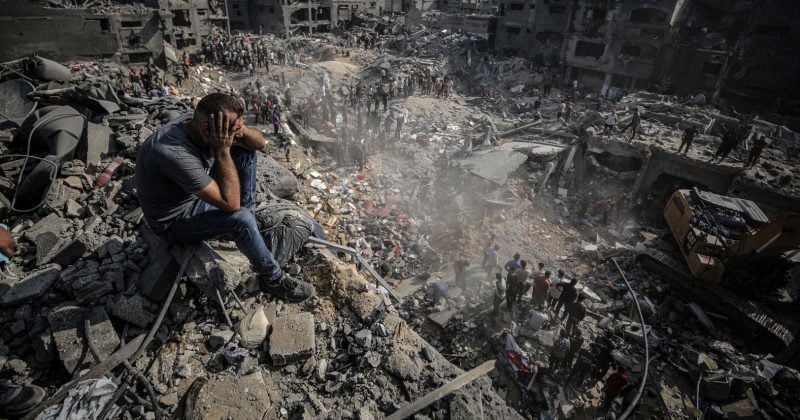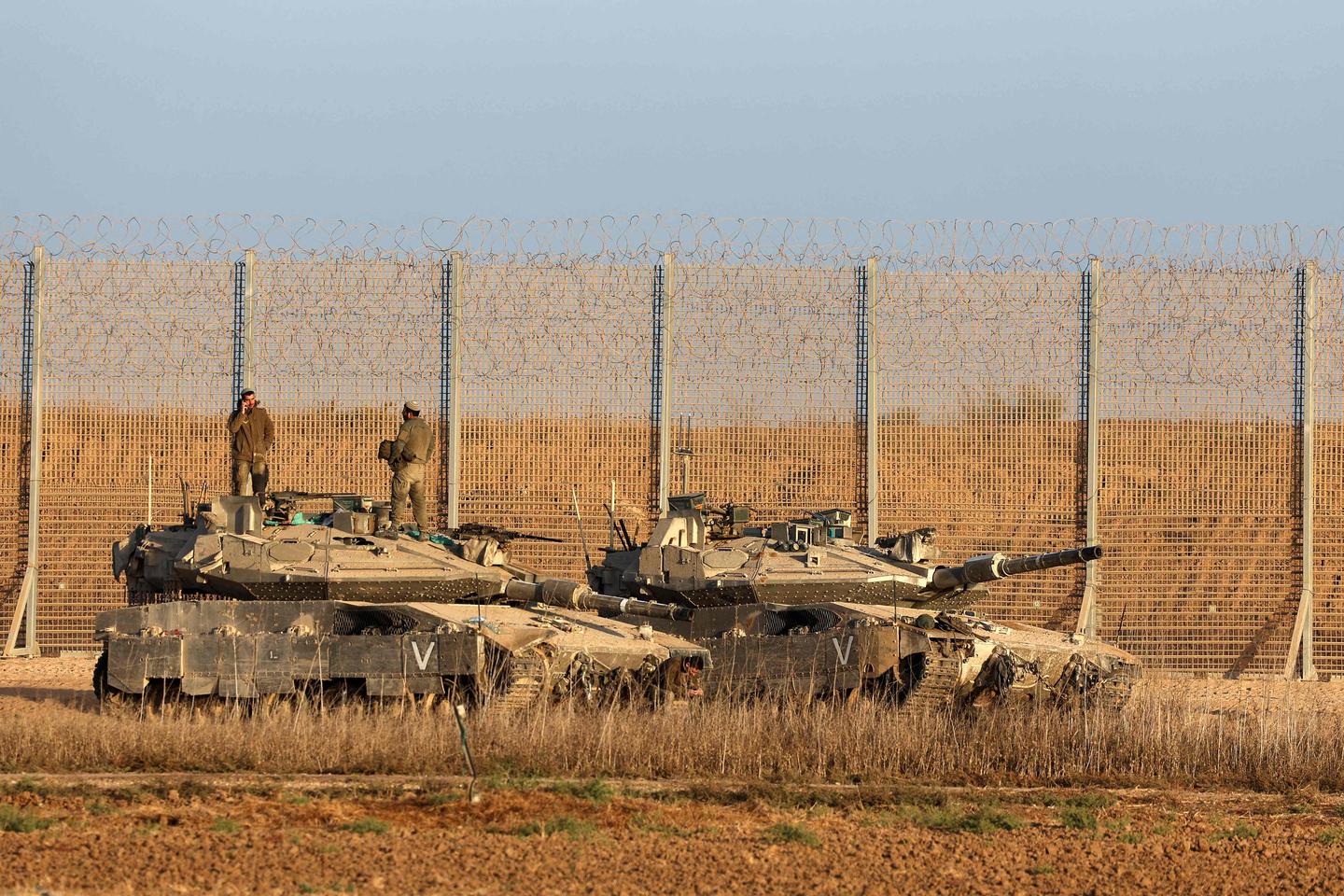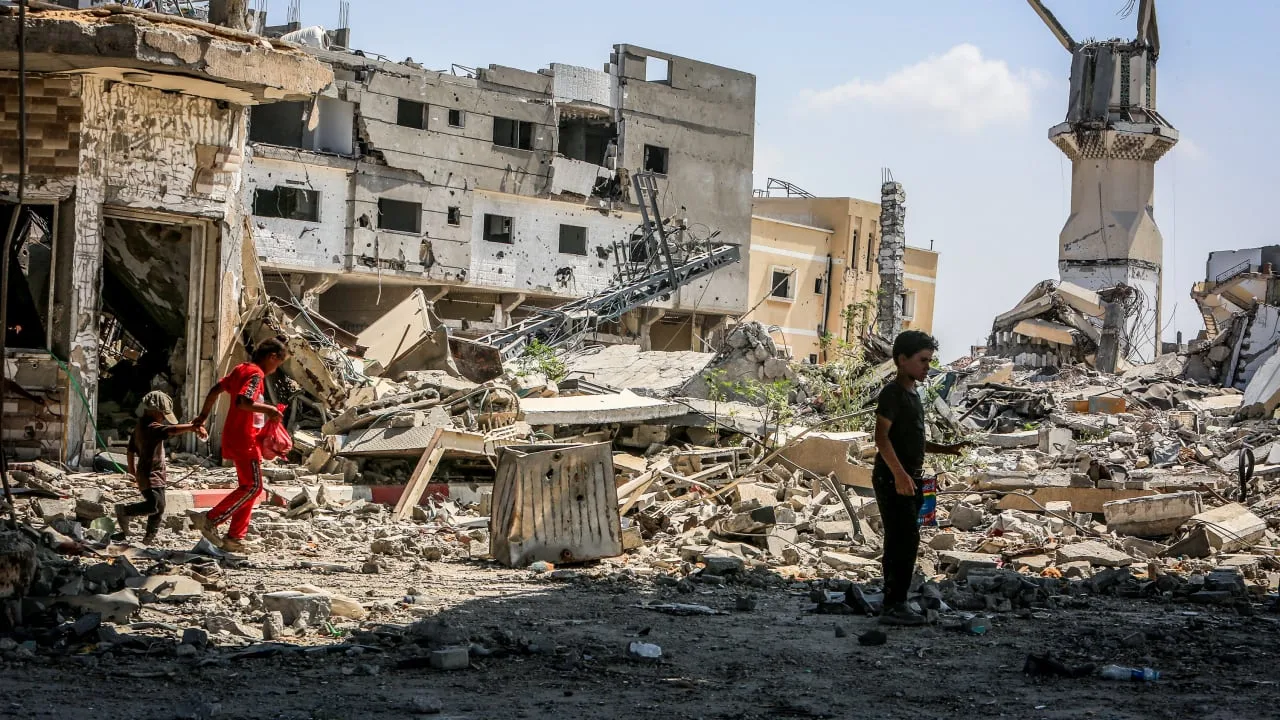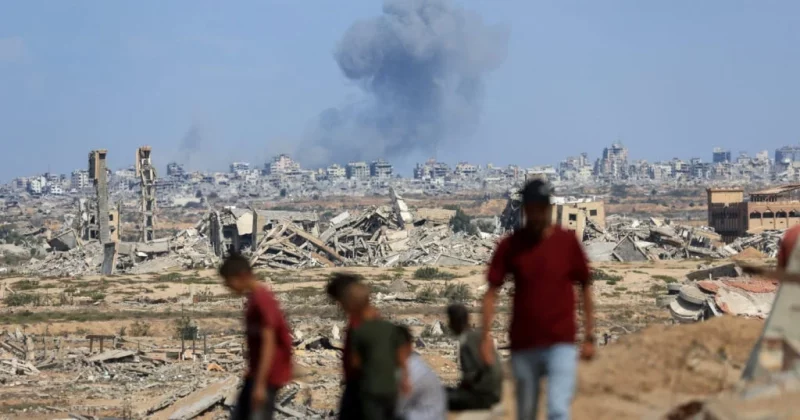
Israel killed senior Hamas commander Izz al-Din al-Haddad in a precision airstrike on Gaza City on May 17, escalating military operations even as US and Iranian diplomats inch toward a broader peace framework. The strike is part of a pattern: over 120 Palestinian deaths in the five weeks since an April 8 ceasefire was supposed to cool things down.
The current phase of Israeli military operations in Gaza intensified after the April 8 ceasefire between the US and Iran took effect. That ceasefire followed initial US airstrikes that began on February 28, meaning the broader conflict has been simmering for nearly three months with only intermittent pauses.
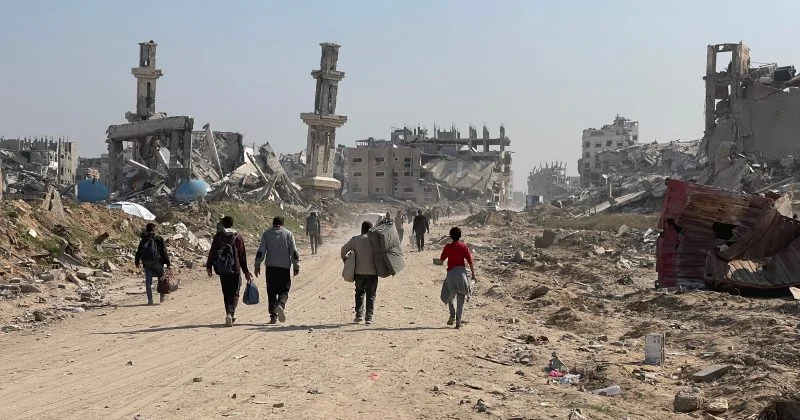
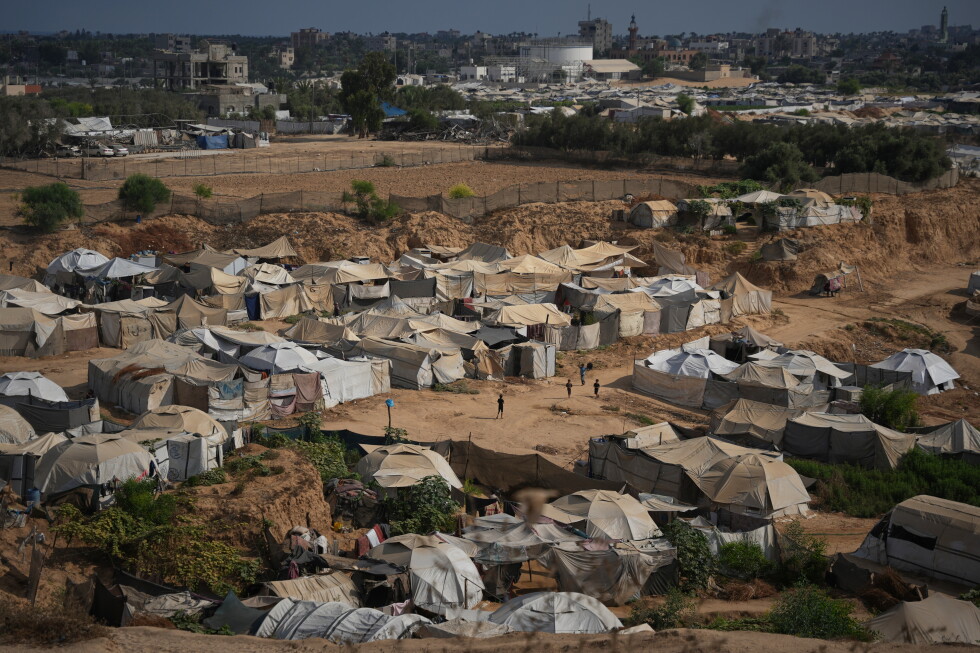
Central Gaza’s refugee camps have borne the brunt of the destruction. The killing of al-Haddad, described as a senior Hamas commander, signals that Israel is pursuing high-value targets regardless of the diplomatic calendar.
On the diplomatic front, the US-Iran talks center on a straightforward trade: Washington lifts or eases sanctions, and Tehran agrees to a moratorium on nuclear enrichment activities. Pakistan has played a mediation role in facilitating these discussions.
The Strait of Hormuz handles roughly 20% of global oil shipping traffic and was significantly disrupted starting in early March. It has since partially reopened, though clashes near the strait have underscored just how fragile the ceasefire really is.