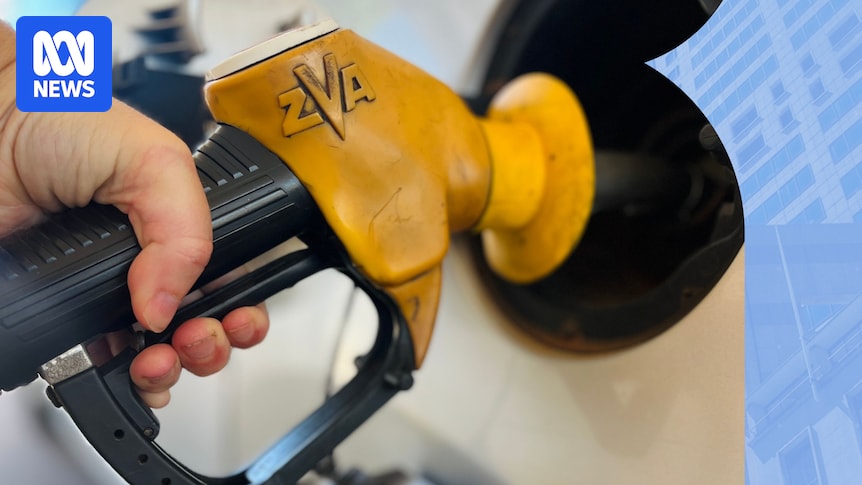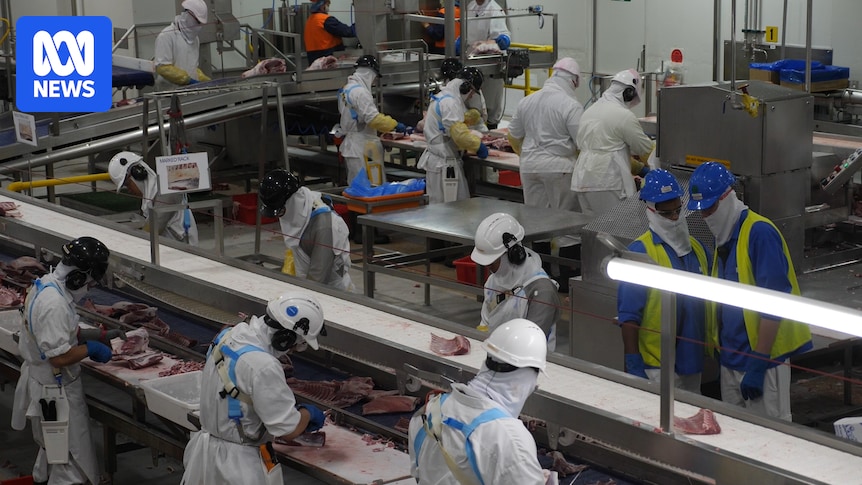
Along with the vulnerability of global supply chains, the Iran war has also exposed the overlooked parts of Australia's manufacturing sector needed in a crisis.Fuel and fertiliser supply disruptions are making headlines, but access to crucial manufacturing chemicals, plastic for food packaging, and yarn to make clothing is also waning.Policies to build sovereign capability are prioritising defence and energy, but there are fears they fail to consider other critical supplies required to keep those sectors going.Rather than wait for policy change, the nation's manufacturers are forging ahead with strategies of their own.More than the sum of its partsSince the conflict broke out in the Middle East Geelong textile manufacturer LoomTex has been fielding new inquires for product.Samantha Van Zyl says price volatility is causing headaches. (Supplied: LoomTex)Chief executive Samantha Van Zyl is grateful for the exposure, even though it brings new pressures."It's triggered this activation of demand and opportunity for localisation," she said."But at the same time, you're doing it with an extra layer of complexity that didn't exist six months ago."Before the war, the company, which primarily makes upholstery and furnishing fabrics, developed a bespoke fibre to be worn by emergency service workers, but Ms Van Zyl said accessing raw materials was getting harder.Wool and cotton spinning is the only step of textile manufacturing not available in Australia. (Supplied: Eqwools)Supply for existing contracts and customers is secure, but pricing raw materials for new innovations is volatile."If I tender to three different spinning mills for yarn, they'll normally say to me, 'OK, here's this price. It's valid for 30 days,'" she said."Now that's three hours."She fears this volatility could slow the development of solutions to the sovereign capability problem.'Can't just be the finished product'Sovereign capability means a country can manage its own resources and systems.Samantha Delgos says geopolitical tensions show the importance of local manufacturing capabilities. (Supplied: Australian Fashion Council)The term is often used in reference to defence, but Australian Fashion Council (AFC) general manager Sam Delgos says it goes beyond that."Sovereign capability is really about resilience and the ability to supply essential goods that we need here in Australia when global supply chains fail," she said.Since 2020 the Australian fashion and textile industry has had to navigate major disruptions caused by the COVID-19 pandemic, volatile US tariff policies, and now the Iran war.Ms Delgos said the pandemic showed that Australia could not rely on other countries to make face masks or essential equipment for hospital staff."We saw our local manufacturers pivot to meet that gap, supply many of the clothing and textile products that we need for emergency services, health care," she said.The Australian Fashion Council wants to see uniforms for emergency service workers made in Australia. (ABC News: Peter Garnish)Australia's manufacturing history is complex, but there are several obstacles to self-sufficiency, chief among them labour and energy costs, and scalability.Australian Industry Group head of industry development and policy Louise McGrath said capacity was categorised according to skill and technology requirements.Items such as nuts and bolts are categorised as low-intensity, motor vehicle car assembly is mid-level, and complex products that require the importation of additional technology, such as that needed for cochlear implants, are high.Ms McGrath said Australia needed all levels of manufacturing to achieve sovereign capability."It can't just be the finished product that we're thinking about," she said."It's all those bits that get the product to market that are also important."Dressed for successAlong with workwear, Australia has fallen behind on chemical and plastics manufacturing, Ms Mcgrath says.Louise McGrath says Australia needs capacity for all levels of manufacturing. (Supplied: Australian Industry Group)"We're really beginning to understand, now, the role that those products have in the broader manufacturing base and, in particular, food and packaging," she said."We can't actually process that food without personal protective equipment that we've probably bought from overseas … nor can we get it to market without packaging."The federal government's Future Made in Australia strategy announced in 2024 seeks to support specific industries to transition to net zero, but does not include plastics or fabrics.Ms Delgos said the fashion council developed its own 10-year national manufacturing strategy in response to global disruptions.Major food manufacturers have been affected by the increased cost of the resin that goes into making plastic containers. (ABC News: Maren Preuss)She said it was a strategic plan to protect critical parts of the supply chain, such as raw material processing and workforce skills."We could be one of the few countries in the world that could take wool and cotton all the way from farm to finished garment," Ms Delgos said.She said governments could help stabilise the industry by driving demand for Australian-made products between crises."When we think about one of the other largest purchasers of clothing and textiles … [that] could potentially be the Australian government," Ms Delgos said.This year the federal government spent $20 million on the "Made Right Here" campaign."There's lots of opportunities for Australians in all sorts of product lines to back local industry and back Australian jobs," Industry Minister Tim Ayres said.Ms Van Zyl was hoped Iran war disruptions would inspire a lasting manufacturing comeback."We've got such incredible Australian manufacturers that are here … why does it take events like this to force the hand?" she said.But Ms Van Zyl was confident the industry would endure."If you are good at what you do in manufacturing, well, you're still manufacturing," she said.
Iran war lays bare overlooked holes in Australia's sovereign capability
The Iran war has not only highlighted the vulnerability of global supply chains — it has also exposed the overlooked parts of Australia's manufacturing sector needed in a crisis.
892 words~4 min read