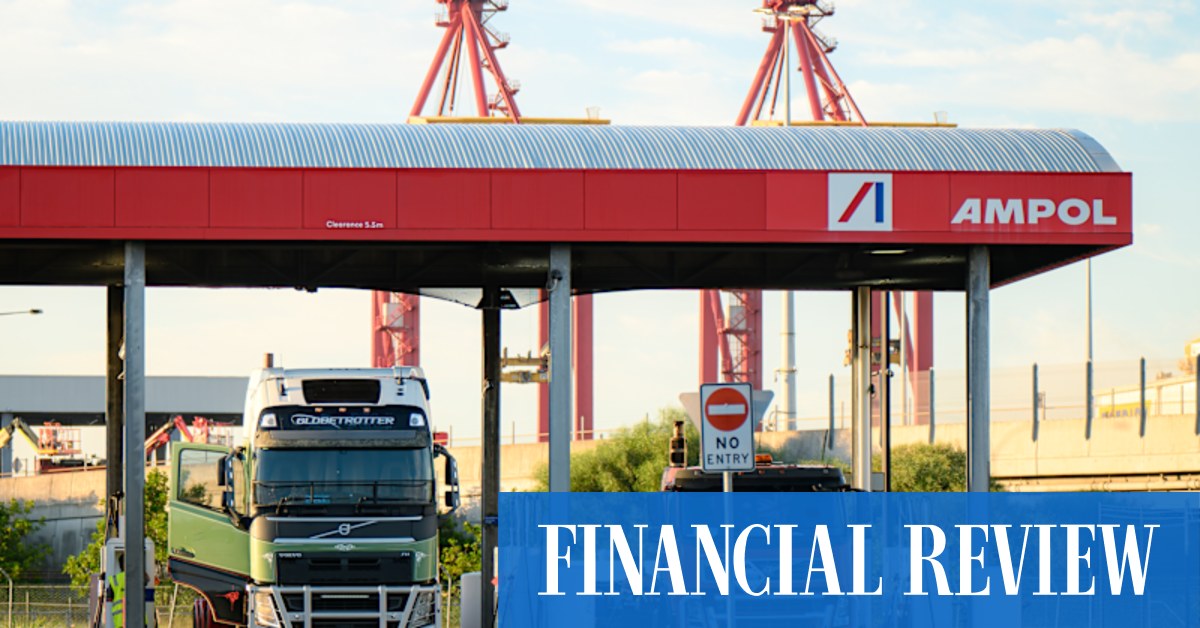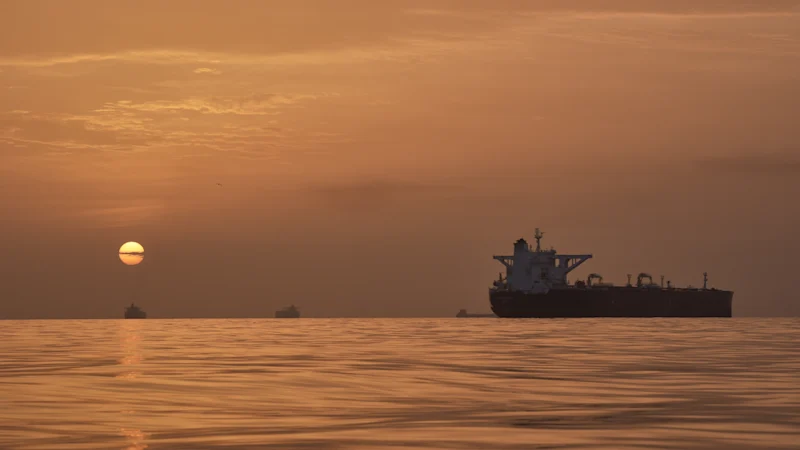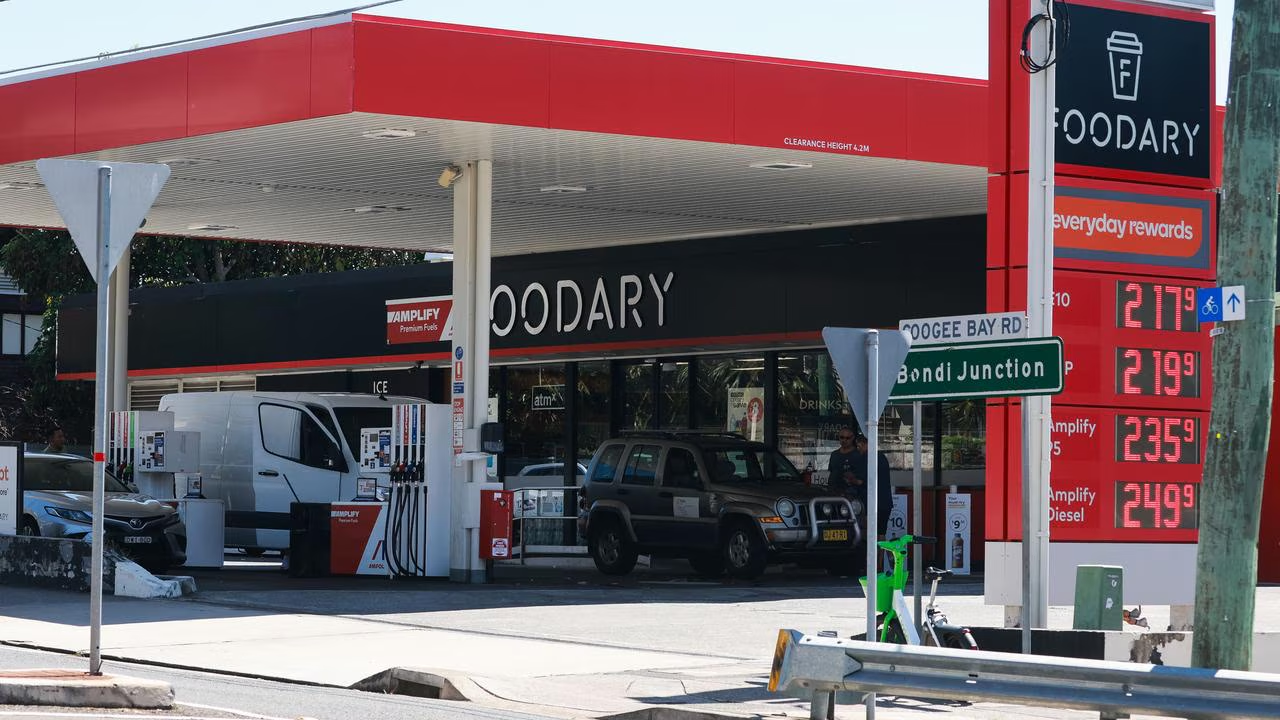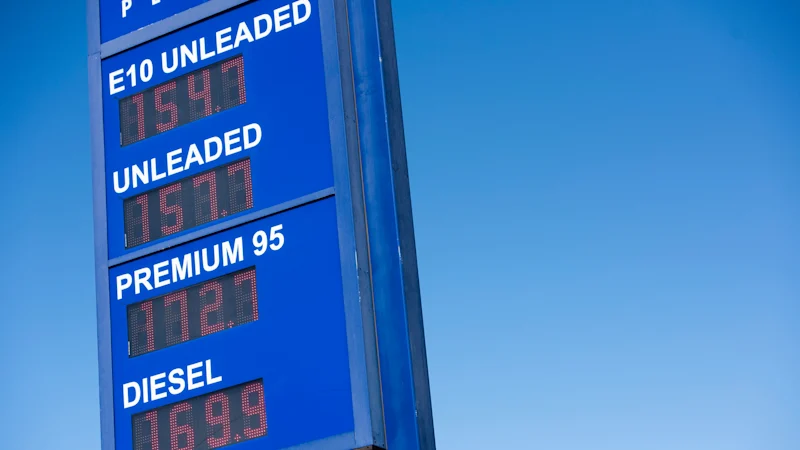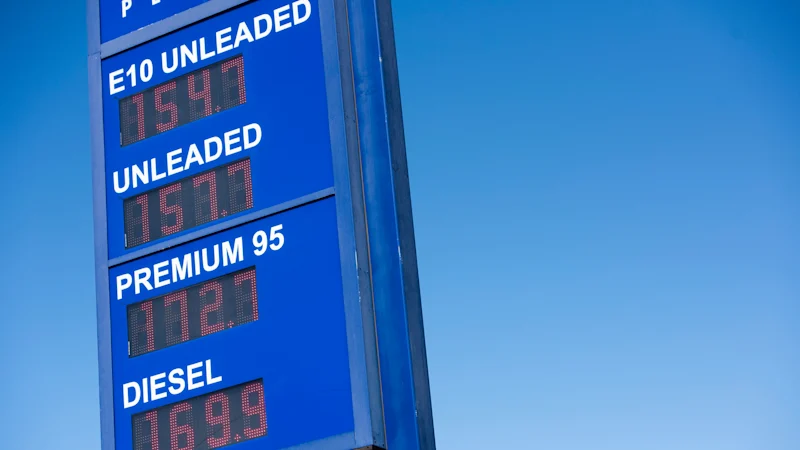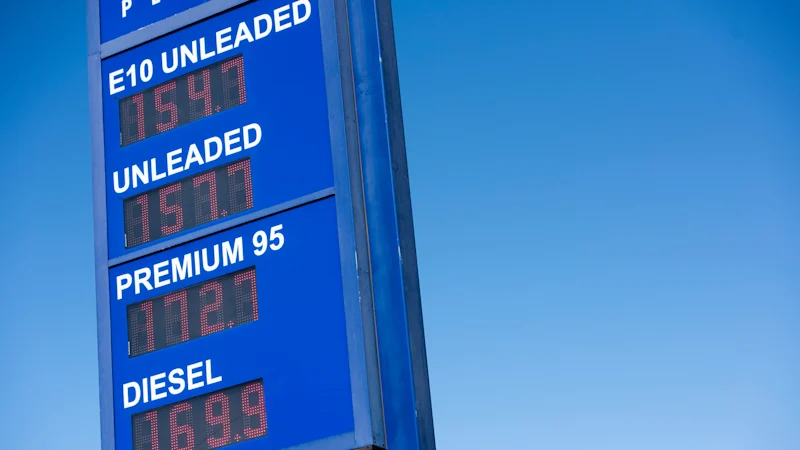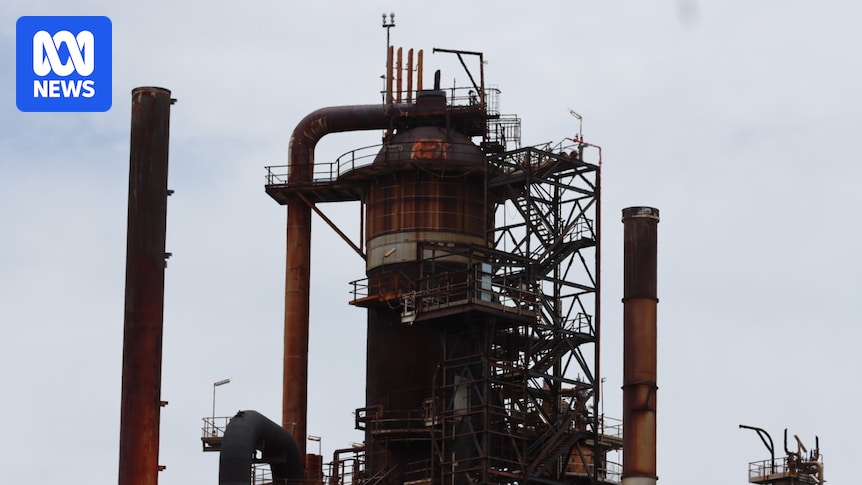
Australia's largest fuel supplier, Ampol, says the Iran war and subsequent fuel crisis have reinforced the need for stronger fuel security.Speaking to Alan Kohler on the That's Business podcast, Ampol chief executive Matthew Halliday says the conflict has highlighted how quickly disruptions to global oil supplies can ripple through the Australian economy."It highlights the criticality and the strategic nature of refining in Australia, and does highlight the need for national fuel reserves," he said."If you do run very tight on fuel, it does effectively flow its way right through the economy relatively quickly."Ampol's refinery in Lytton, Brisbane. (AAP: Darren England)Fuel security has been in the spotlight since the Middle East war sent shock waves through global oil markets, sent prices sky-high and raised questions about potential shortages in Australia.In response, the federal government unveiled a $10 billion package to increase fuel and fertiliser security, including a reserve of about a billion litres and a lift of the minimum stockholding obligation for every type of fuel.However, Mr Halliday points to declining domestic refining capacity as one of Australia's vulnerabilities."Since 2013, five refineries have closed, and we've only got two left," he said."That has, as a consequence, led to less days' coverage in terms of inventory."Matthew Halliday says the oil supply remains fragile and could take time to fully normalise.
Fuel security remains critical despite EV shift, Ampol boss says
Ampol's chief executive says the Iran conflict exposed Australia's fuel vulnerability and strengthened the case for keeping its remaining refinery operating.
1,147 words~5 min read