Here’s a problem that anyone who’s ever debugged code can relate to: you try something, it fails, you try again, it fails differently, and by attempt number seven you’ve forgotten what you already ruled out. Now imagine that cycle running inside an AI agent, except instead of forgetting, the agent is drowning in thousands of tokens of verbose execution logs from every prior attempt.
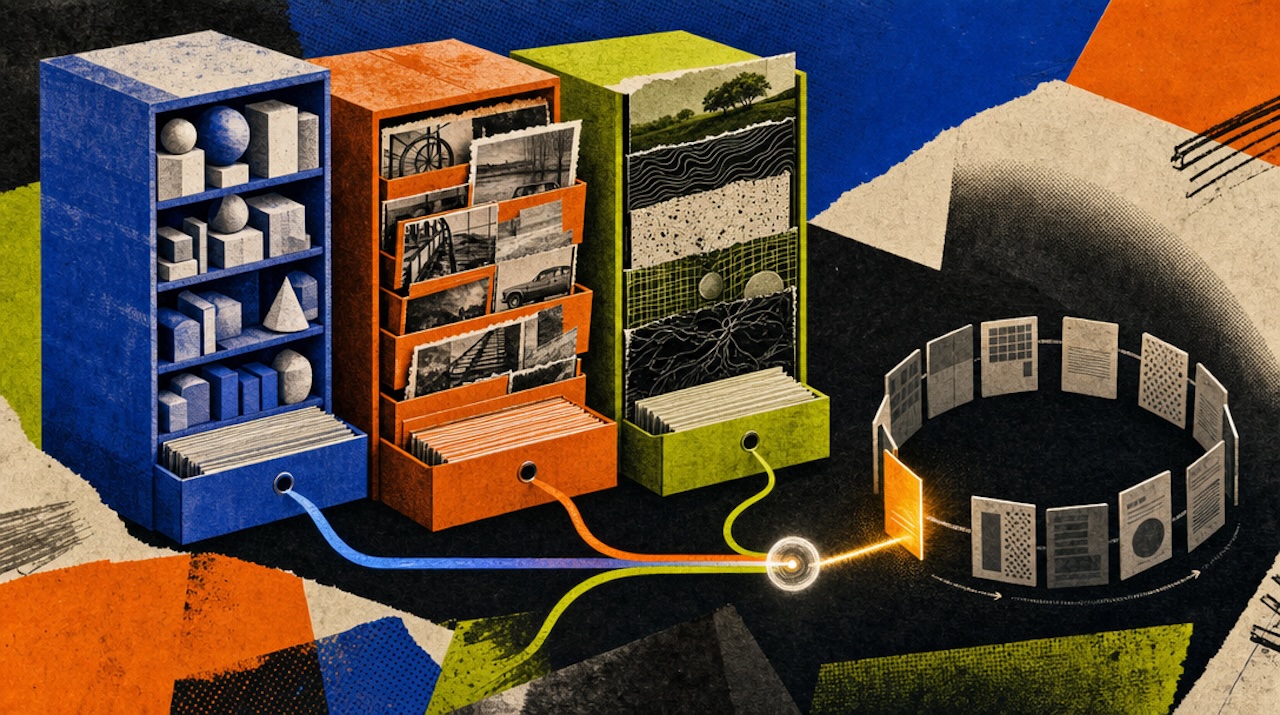
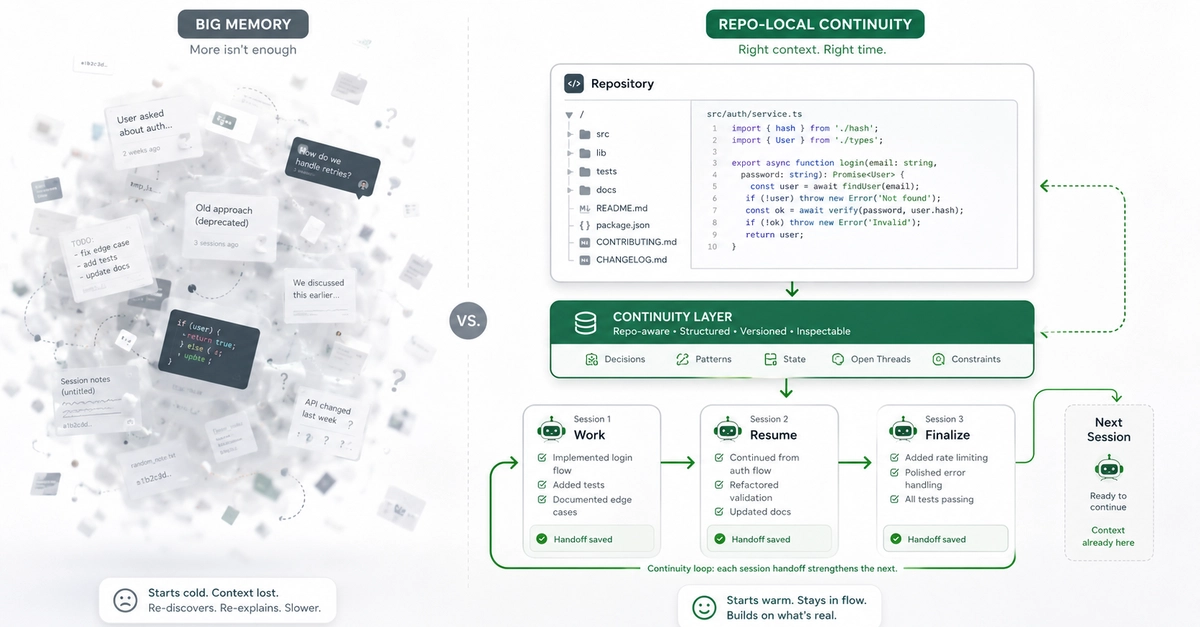
Meta researchers found a surprisingly elegant fix. Instead of feeding coding agents their full raw history, they demonstrated that compact, structured summaries of past attempts can guide future ones far more effectively.
Less is literally more
The core finding is almost counterintuitive in an era where “more data” is usually the default answer. A concise two-line summary of what a coding agent tried and why it failed can outperform thousands of tokens of raw execution logs when it comes to steering the agent’s next move.
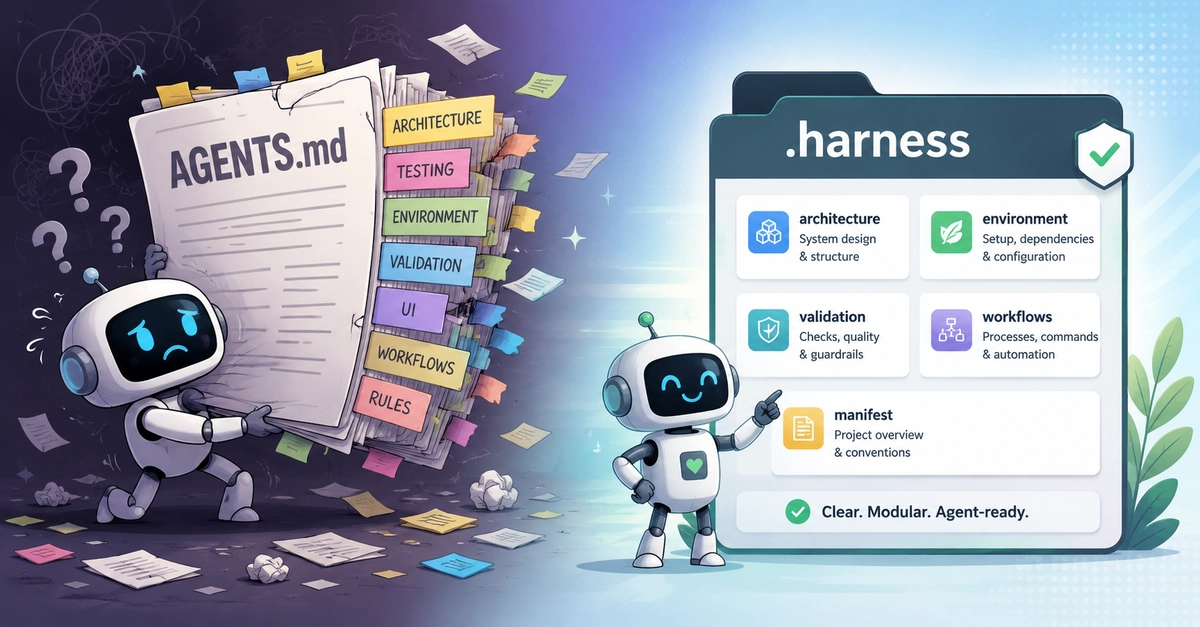
The mechanism works on two fronts. First, it reduces context noise, the AI equivalent of signal-to-noise ratio degradation. When an agent’s context window gets stuffed with lengthy, repetitive log data, the useful information gets buried. Compression via summarization strips away the noise and preserves what actually matters.