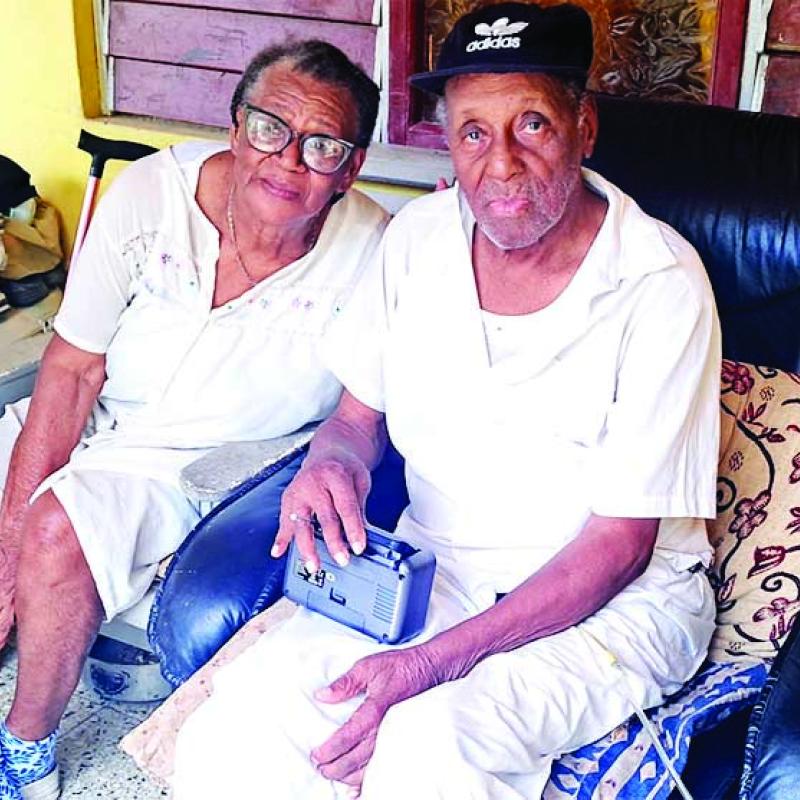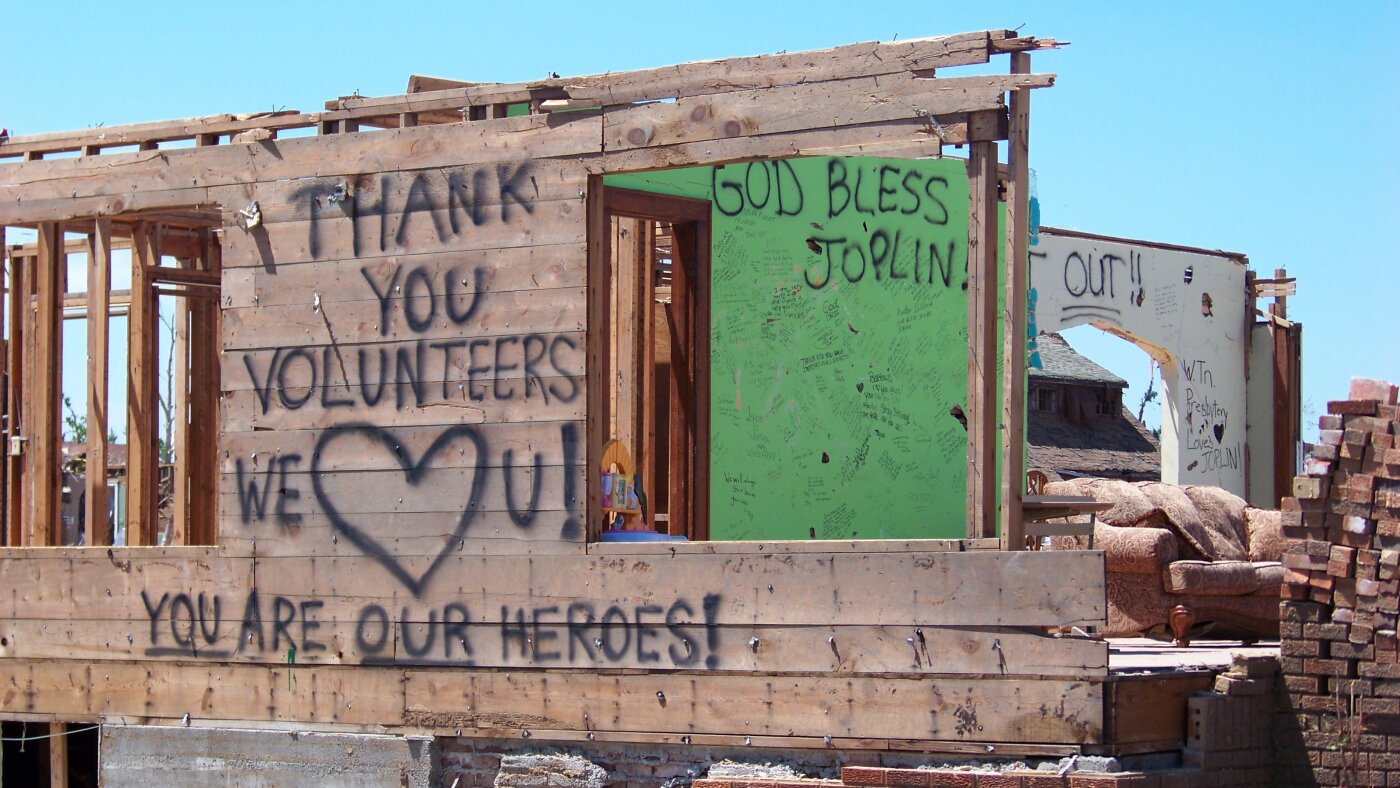
In the aftermath of the tornado, thousands of volunteers came to help Joplin from around the country. Many wrote messages of hope on this tornado-damaged house, and later, Joplin residents wrote a thank-you message to the volunteers.
hide caption
toggle caption
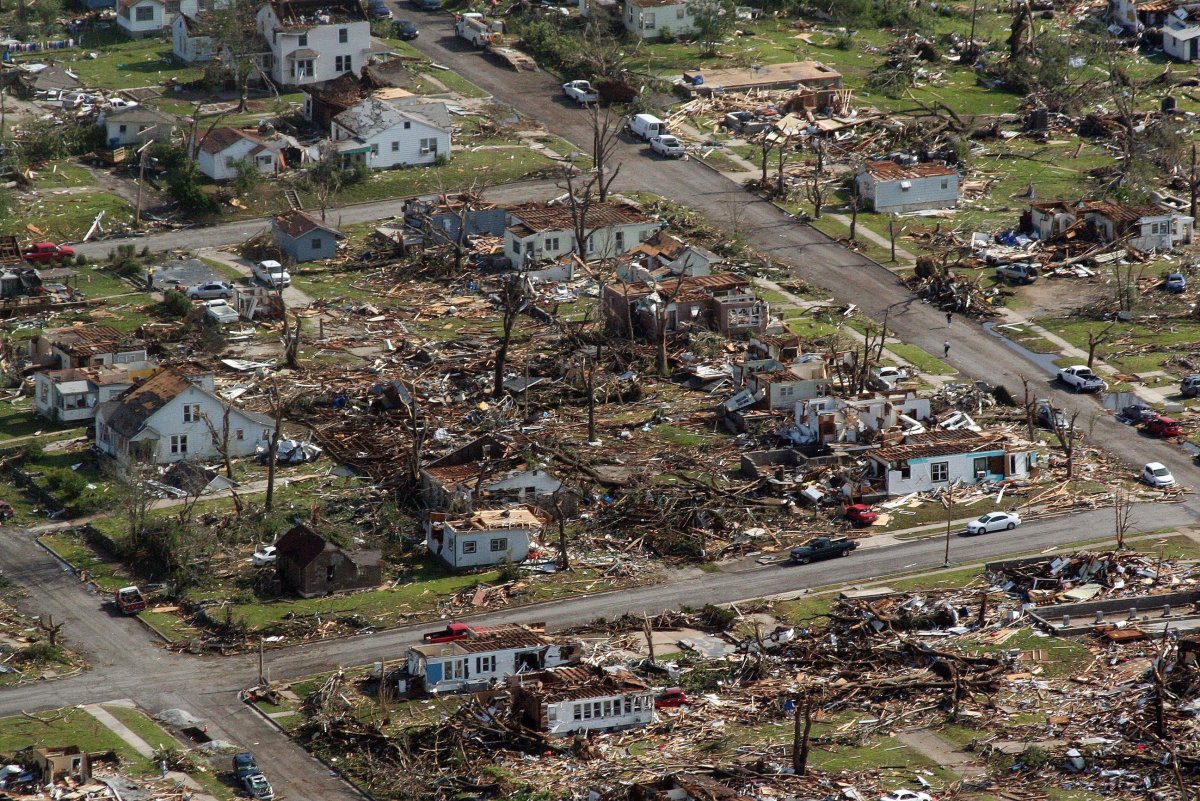
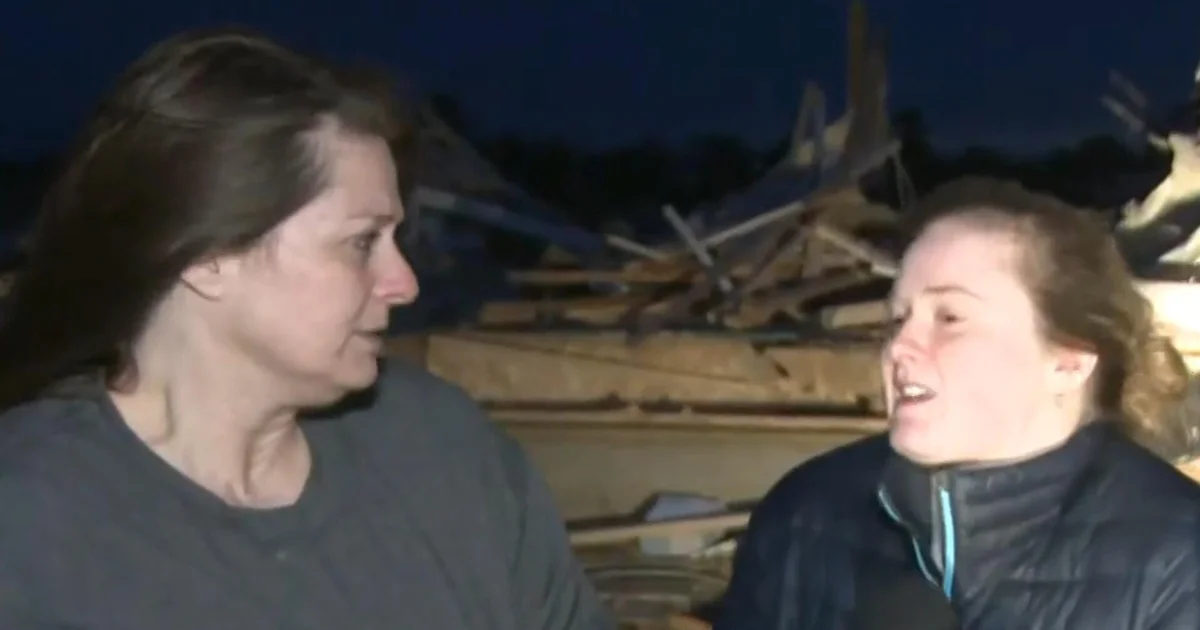
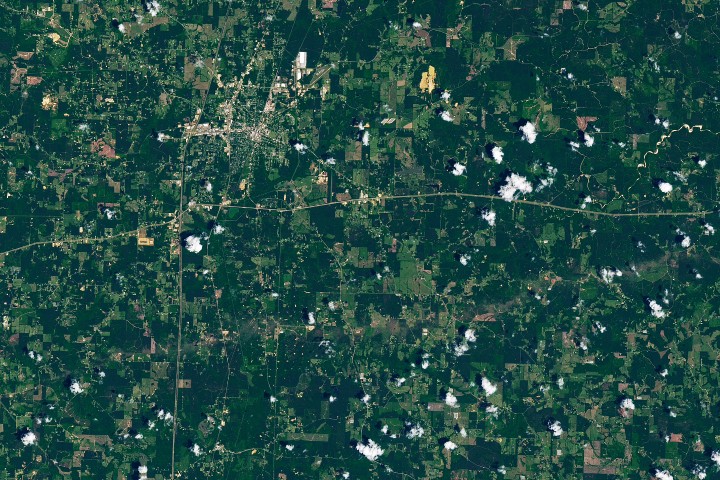
Nanda Nunnelly had just come home from a weekend out of town when a massive, multi-vortex tornado ripped through Joplin, Missouri on May 22, 2011. The sky, she says, had a sickly green tinge. When the tornado sirens went off, she jumped in a closet with her husband and dog. " Within just seconds… it was so loud that it was quiet," remembers Nunnelly. While crouched in the closet, she wondered if the 200 mph winds would take her, and she started praying. "If I'm dying, dear God, please don't let it hurt,'" she remembers thinking. Nunelly survived that day, but her house was destroyed, and a third of the city's population was displaced. The tornado, recorded at three-quarters of a mile wide, was one of the deadliest in recorded U.S. history, taking nearly 160 lives.
But within months, Joplin became known not for its tragedy, but for the kindness and cooperation that led to its recovery. Traces of that community compassion still live on 15 years after the storm. In the weeks after the tornado, almost 100,000 volunteers from nearly every state helped clean up debris and rebuild. Disaster researchers from Columbia University noted that six months later, there was "barely any polarization or political conflict" over the direction of the recovery. Schools reopened on time the following fall. Darren Fullerton, who ran a Red Cross emergency shelter at Missouri Southern State University in Joplin after the tornado hit, still remembers the acts of kindness during those chaotic first weeks. Ranchers cooking steaks for volunteers. A university dean, who, after losing his own home, set up cots at an emergency shelter for others. Someone dressed up as a clown and made balloon animals for kids at the shelter. "People came out of the woodwork," Fullerton says.