Julie Kaplow
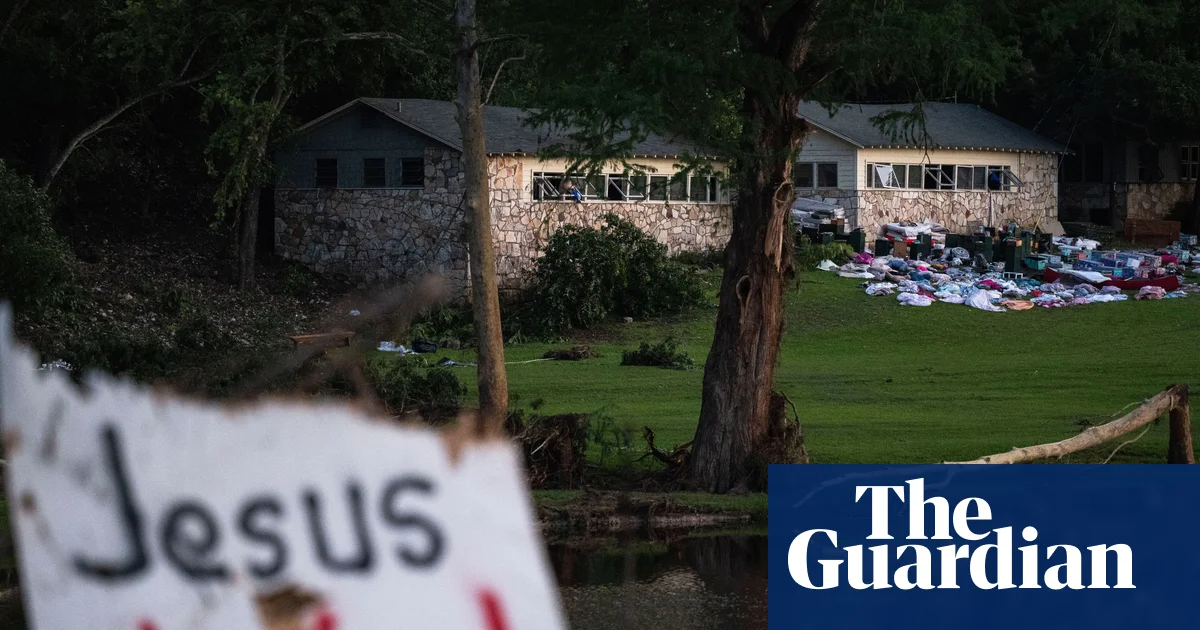
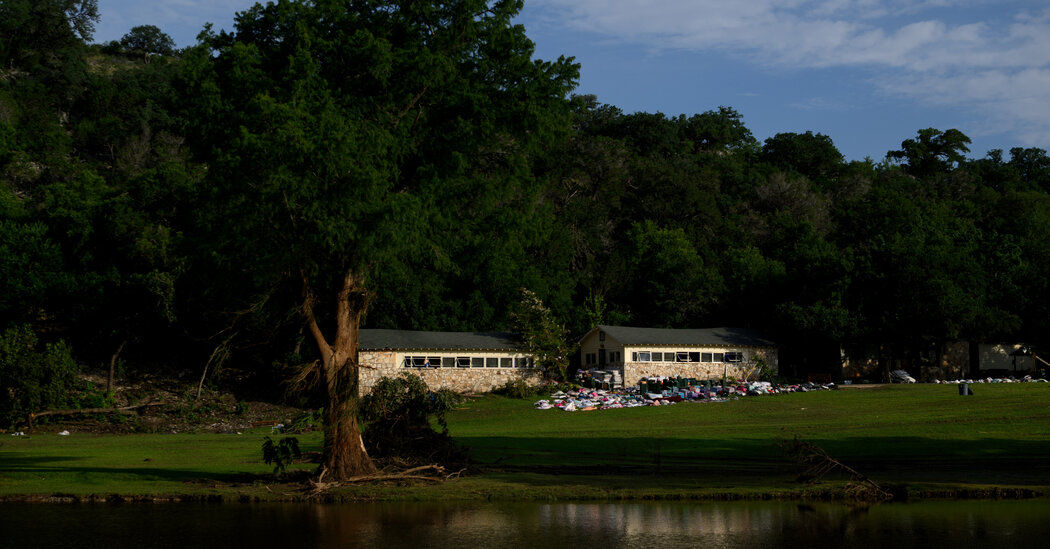
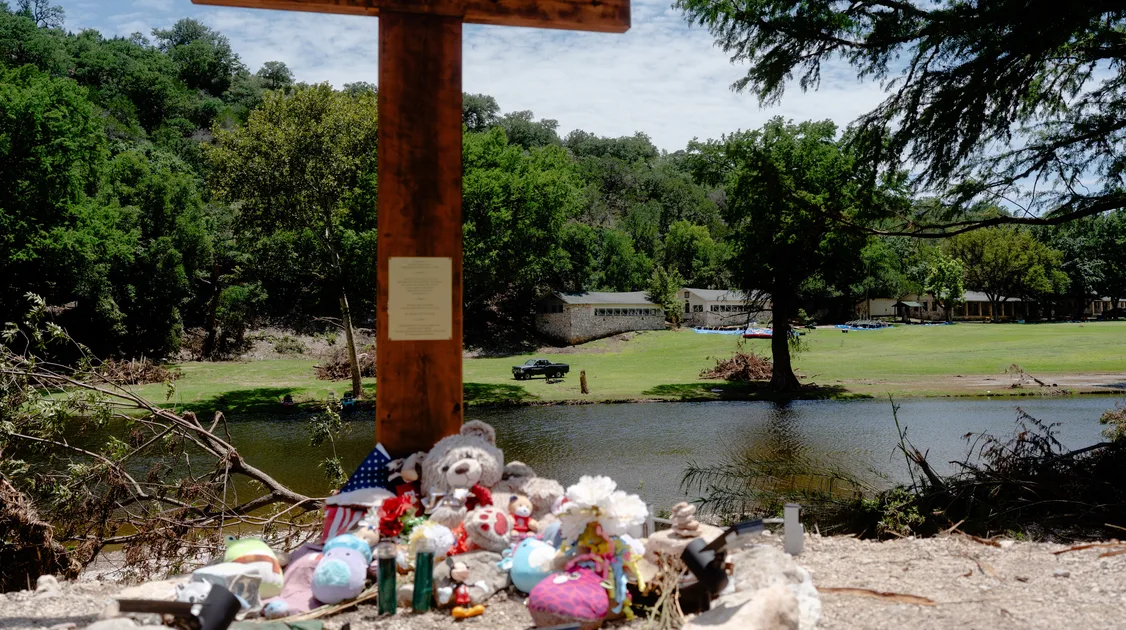
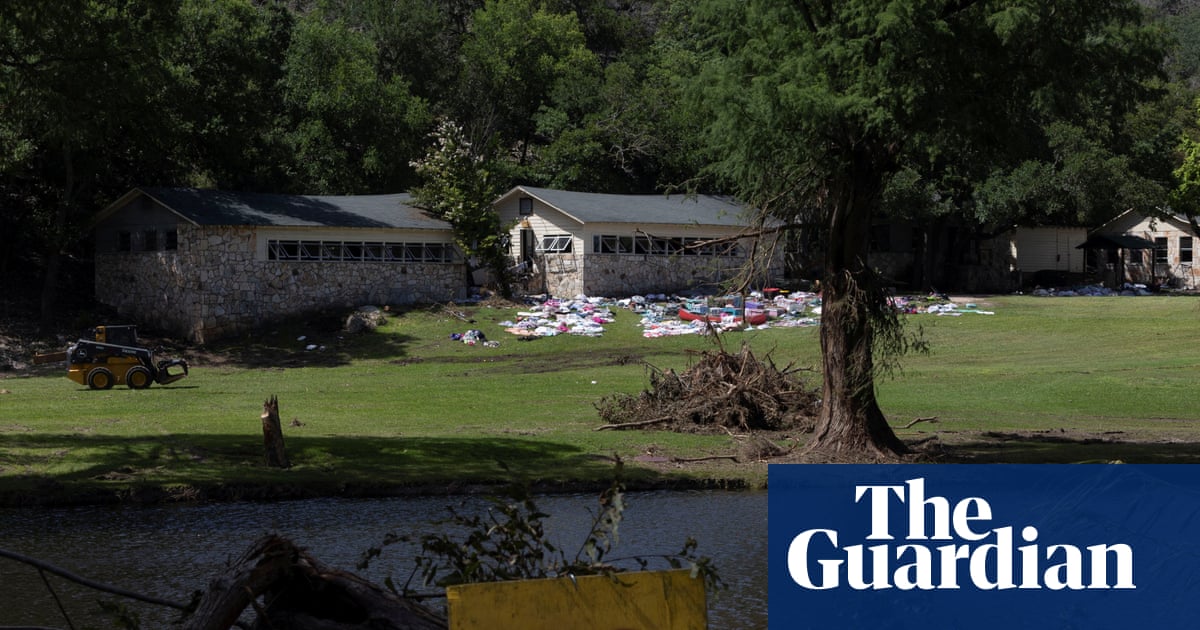
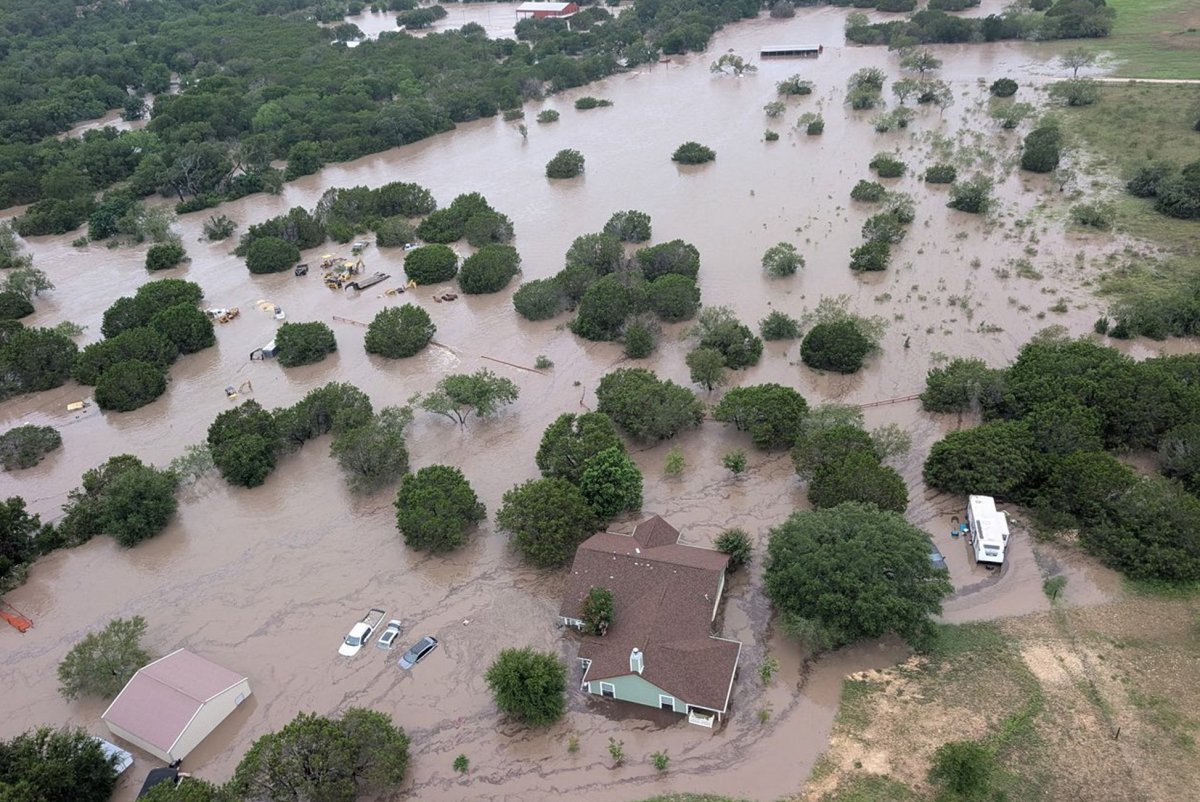
| Special to USA TODAYThis July will mark one year since catastrophic flash floods struck Central Texas on the Fourth of July, killing at least 139 people. Among the victims were dozens of children, including young girls at Camp Mystic, a summer camp along the Guadalupe River. As that somber date approaches, I have been hearing a familiar message, one I have encountered after every collective tragedy in my 25 years working with bereaved individuals and communities: that after one year, it is time to move on, accept the “new normal,” and celebrate how far the community has come.I understand the impulse to want to put tragedy behind us, but grief does not adhere to a calendar. In fact, the one-year mark is often the most painful time for the bereaved, as this is when the reality and permanence of their loss begin to sink in.We tend to call this milestone an “anniversary,” but that term isn’t helpful or accurate. For many families directly affected by the Central Texas floods, this time is a particularly painful reminder of who and what they have lost – not a cause for celebration or a moment to declare that the hard work of grief is over. That is why I prefer a different term for days like this: Remembrance Day. A day to honor the love we feel for those we have lost, to reflect on the impact they had on our lives and to consider how we might carry their memory forward.In that spirit, here are five ways to support people who may be actively grieving as the one-year mark of the tragedy approaches.Say their nameWell-meaning friends and colleagues often avoid mentioning the person who died, worried that bringing them up will cause more pain. In my years of working with bereaved individuals and communities, I have seen how the opposite is true – knowing that others are also thinking of their loved one can be incredibly validating to someone who is grieving. Don't be afraid to say their loved one’s name, talk about how you miss them, or simply acknowledge that you are thinking of them.Share a fond memoryOne of the most powerful things you can do for a grieving person is to let them know that their loved one is not forgotten. Bereaved individuals have often told me that hearing other people’s memories of the person who died can be deeply comforting. Share a fond memory of their loved one. Let the grieving person know that their loved one continues to matter to the people around them.Extreme weather, like the floods in Texas, is causing eco-anxietyFlash floods, heat domes and wildfires are causing our youth to experience eco-distress. How do we help them be more resilient?Take action – don't askIn the aftermath of loss, grieving individuals are often overwhelmed and may not know what they need, let alone how to ask for it. The most helpful thing you can do is not to ask “how can I help?” – but simply do something. Mow their lawn. Drop off a meal. Offer to watch their children for an afternoon. Do their laundry. Small, concrete acts of kindness can mean more to a grieving person than words alone and eliminates the burden of having to ask for help.Be okay with them not being okayOne of the most common mistakes well-meaning people make is trying to find the right words to make a grieving person feel better. But grief doesn’t need to be fixed; it needs to be witnessed. You don't need to have the perfect thing to say. Sit with them. Listen. Let them cry if they need to cry. Simply being present and bearing witness to their pain is one of the most powerful gifts you can offer someone who is grieving.Don't impose a timeline on their griefGrief does not follow a straight line, and the one-year mark does not mean that someone is finished grieving or should be. Grief comes in waves that ebb and flow with the passage of time, and a bereaved person's reaction at the one-year mark may be very different from how they felt six months ago, and different again next year. That is completely normal. The most supportive thing you can do is make yourself available without pressure, letting them know you are there whether they want to talk or simply want company.Recognize the signs that someone may need more supportWhile grief is a natural response to the death of a loved one, there are times when a bereaved person may need more than the support of friends and family. As the one-year mark approaches, watch for these signs that someone in your life may benefit from professional help:Expressing a wish to die or to harm themselves.Withdrawal from friends, family and daily activities for an extended period of time.Feeling numb or unable to experience emotions.Inability to get out of bed or carry out daily responsibilities.Engaging in risky behaviors, including substance abuse.If you notice any of these signs, gently encourage the person to speak with a mental health professional. You can also encourage them to call or text 988, the Suicide and Crisis Lifeline, which provides free, confidential support 24 hours a day, seven days a week.Julie Kaplow, Ph.D. is the executive director of the Trauma and Grief Center at the Meadows Mental Health Policy Institute and a professor of psychiatry at Tulane University.