‘The Heritage Table'
Ebru Erke
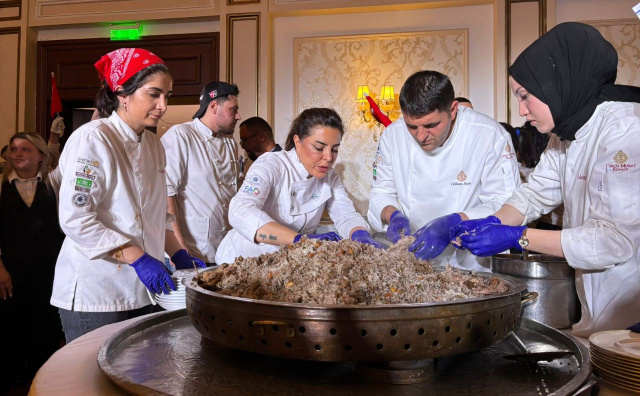
Some dishes are not meant to be made alone. Keşkek, for instance. It is not a dish one person can prepare on their own. Someone carries the meat, someone sorts the wheat, another watches the fire, while someone else slowly stirs the pot for hours. It is a dish that can only exist through togetherness. Mantı is much the same. No one sits down alone to fold hundreds of tiny dumplings. That is why, in Anatolia, mantı is not simply a dish but also a form of gathering. Rolling out yufka, making tomato paste, cutting erişte, preparing pickles… most of these traditions belong not to an individual, but to time shared collectively. Perhaps this is why the true memory of Turkish cuisine is preserved not in recipes, but around the table itself. And that memory is carried not through written records, but through time spent in kitchens together, through gestures and instincts passed from mother to daughter.
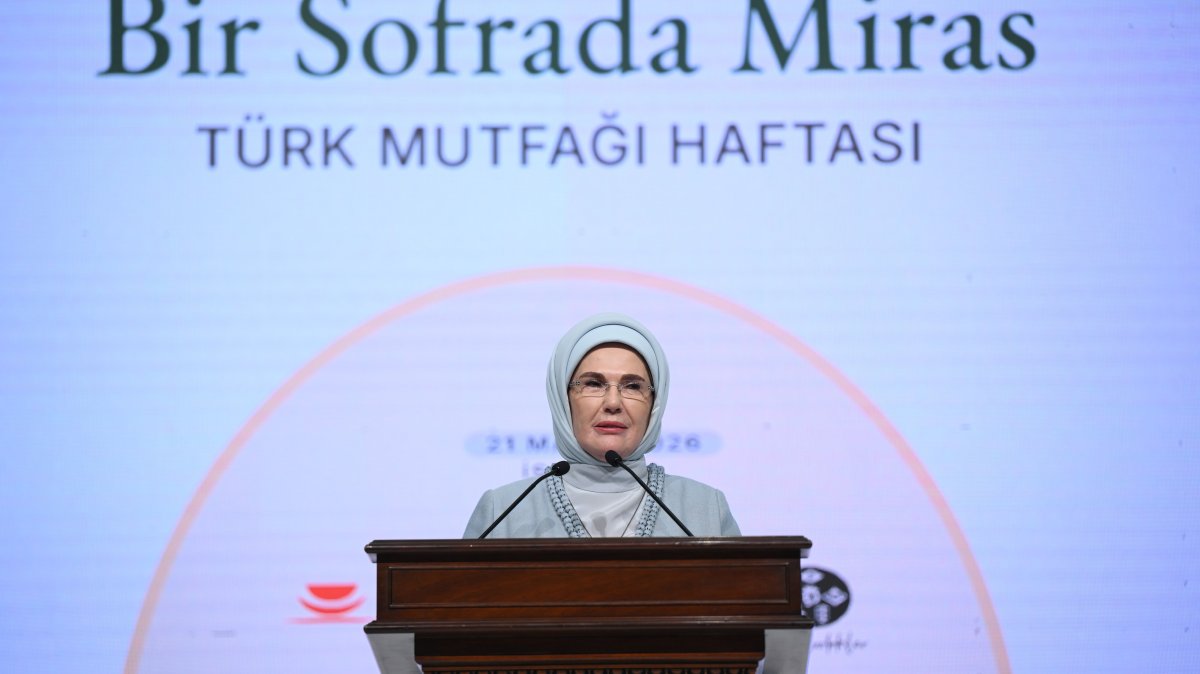
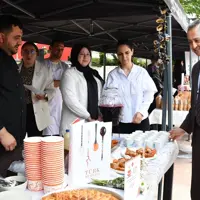
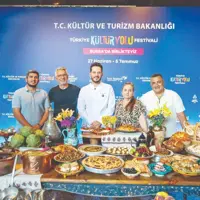
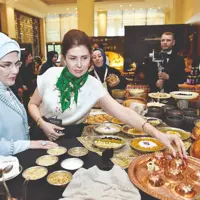
Held for the fifth time this year under the patronage of Emine Erdoğan, the First Lady of Türkiye, Turkish Cuisine Week takes on particular significance with its theme “A Heritage at the Table.” Because this theme proposes reading Turkish cuisine not simply as a collection of rich dishes, but as a vast collective archive shaped by migration, rituals, mourning traditions, weddings, communal labor and the culture of sharing life together. One of the differences this year is that the celebration will not be limited to a single week. Throughout the year, the same narrative will continue to be represented at receptions and events hosted by Turkish embassies abroad.