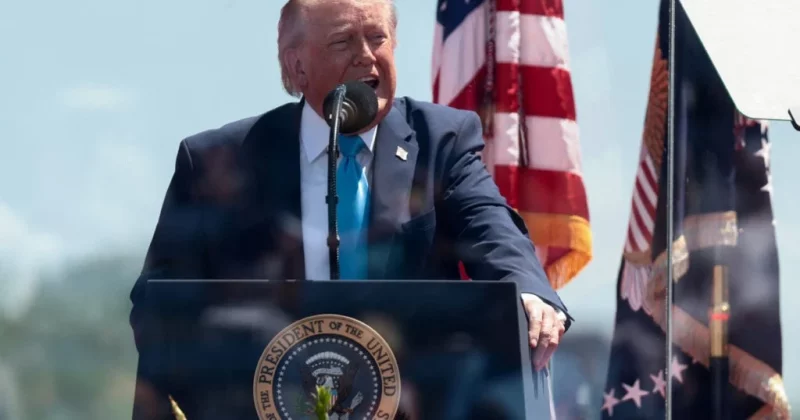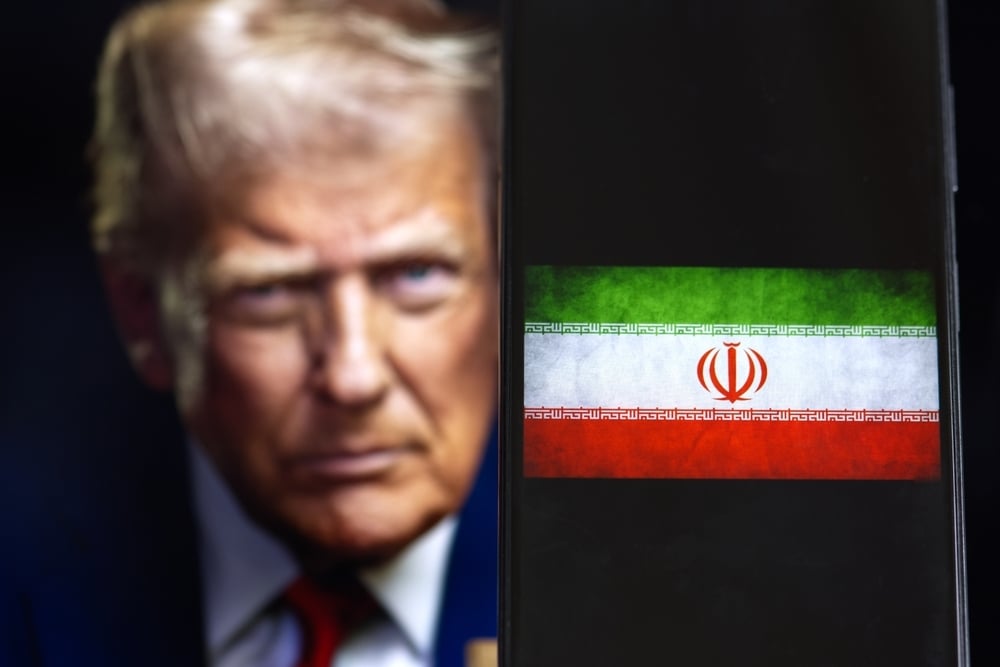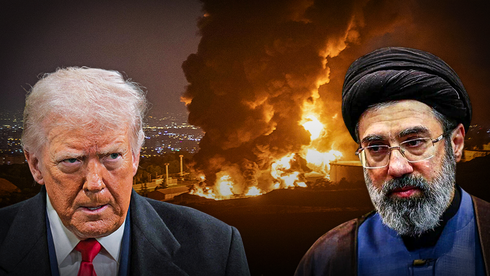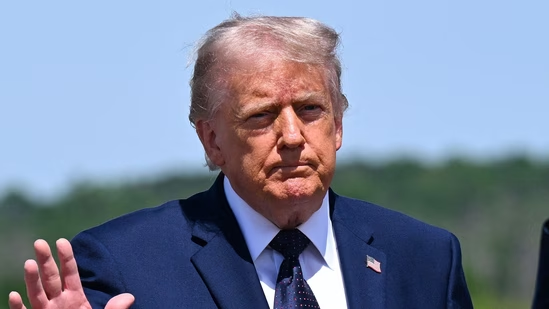
US President Donald Trump is increasingly leaning towards bombing Iran again, Axios reported, quoting senior US officials. This comes as fragile negotiations between Washington and Tehran show little signs of a breakthrough.Donald Trump is reportedly considering fresh strikes on Iran. (AFP)Trump held a high-level national security meeting at the White House on Friday to assess the status of talks and review military options, should diplomacy fail. Officials said the president has grown frustrated with the slow pace of negotiations and is weighing fresh strikes unless Iran makes major concessions soon.The meeting was attended by vice president JD Vance, defence secretary Pete Hegseth, CIA director John Ratcliffe and White House chief of staff Susie Wiles, among other senior officials.Follow live updates hereThe report added that a final decision on new strikes is yet to be made.US officials involved in the talks described the negotiations as difficult and slow-moving. A peace agreement has not been reached so far. A senior Iranian official told Reuters that negotiations were continuing.What the US and Iran each wantWhat the US wantsThe Trump administration’s primary objective is to sharply curb Iran’s nuclear capabilities and prevent Tehran from becoming a near-atomic power. Washington has pushed for a long-term halt to uranium enrichment, stricter inspections and limits on Iran’s military reach in the region.Among the key US demands reportedly under discussion are:A freeze on Iran’s uranium enrichment programme for up to 20 years.Transfer or surrender of Iran’s highly enriched uranium stockpile.Closure or dismantling of key nuclear facilities, including Fordow, Natanz and Isfahan.Strict international monitoring of centrifuges and nuclear sites.Limits on Iran’s ballistic missile programme.An end to Iranian support for regional proxy groups such as Hezbollah, Hamas and the Houthis.Guarantees for free navigation through the Strait of Hormuz without any Iranian toll system or restrictions.US officials have also reportedly resisted Iranian demands for large-scale compensation or immediate lifting of all sanctions. Secretary of state Marco Rubio recently said Washington sees “some good signs” in the talks but warned that divisions inside Iran’s leadership continue to complicate negotiations.What Iran wantsIran insists that any agreement must recognise its “right” to peaceful uranium enrichment under international law.Iran’s reported demands include:Recognition of its right to continue limited uranium enrichment.Full lifting of US sanctions and economic restrictions.Release of frozen Iranian assets held abroad.An end to US naval pressure and blockades in the Gulf and Strait of Hormuz.Withdrawal or reduction of US military presence around Iran.A ceasefire across regional conflict zones, including Lebanon.Compensation for war-related damage and economic losses.Greater authority or recognition over security arrangements in the Strait of Hormuz.Iranian officials have repeatedly said that Washington cannot demand unilateral concessions while continuing military pressure and sanctions. Tehran has also rejected calls for a complete end to uranium enrichment, describing it as a red line tied to national sovereignty.Why the talks remain stuckThe biggest obstacle remains the nuclear issue. The US wants Iran to scale back or suspend enrichment for years, while Iran insists on retaining at least a limited programme. Differences also persist over sanctions relief, regional militias and control of the Strait of Hormuz, one of the world’s most critical oil shipping routes.Diplomatic efforts led by Pakistan and Qatar have kept talks alive. Pakistan’s army chief Asim Munir arrived in the Iranian capital on Friday alongside a Qatari delegation in what officials described as an eleventh-hour mediation effort.
Trump considers bombing Iran again as frustration grows over peace talks deadlock: Report
Trump held a high-level national security meeting at the White House on Friday to assess the status of talks and review military options, should diplomacy fail. | World News
553 words~3 min read