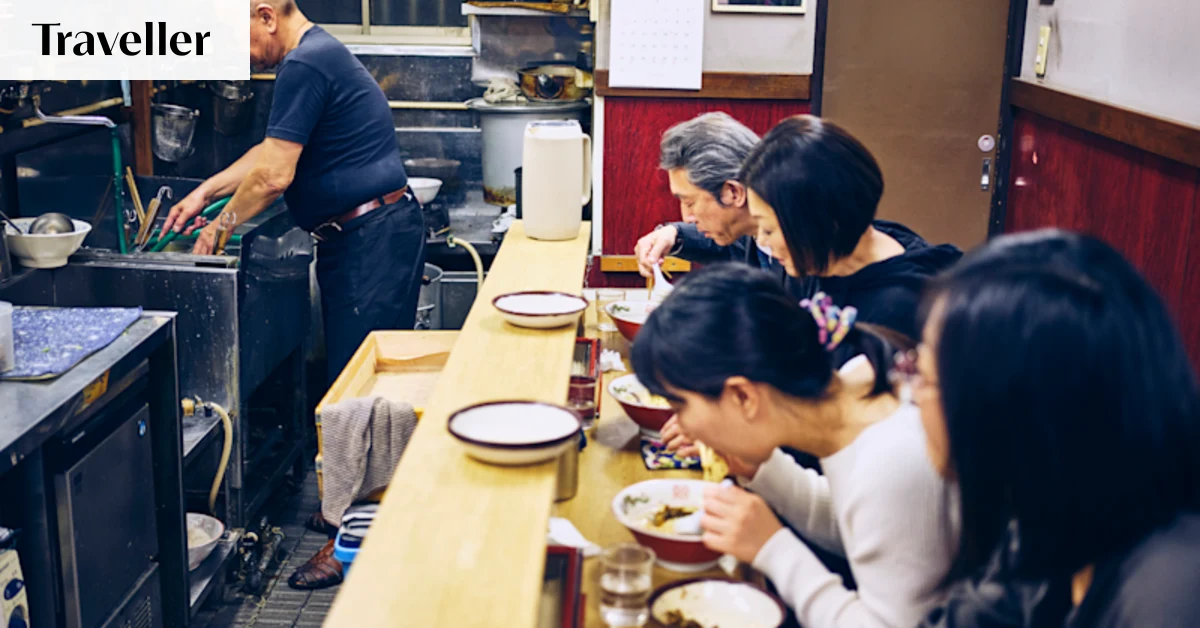
Some of the most useful lessons I learnt as a young restaurateur came from New York restaurateur Danny Meyer’s book Setting the Table. He writes beautifully about the guest who comes in alone. Most diners come in with an agenda — to impress a date, close a deal, celebrate an anniversary or survive a family gathering. A solo guest, on the other hand, has only one agenda: a date with the restaurant.Now, restaurants are, of course, places of conversation. Viewed that way, most people are coming in to rent a table for a while. The restaurant gives them lighting, music, plates, wine and a setting in which to say things they might not say at home. It is a stage for love, gossip, awkward silences, business plans, breakups, proposals, politics and so much more. We provide the scenery, snacks and lubrication.But a solo diner is different. A solo diner is not just renting the room. They are there for the restaurant itself, and dining with it.When someone eats alone, their attention to detail is far more heightened than someone deep in conversation with a partner. They watch the rhythm of service, they hear the clatter from the kitchen, the couple on a first date two tables away. They read the menu thoroughly. They taste each bite intentionally. They are, in the best sense, fully present.For that reason, we have always tried to look after our solo guests particularly well at Hoppers. If a two top is available, we will seat a single diner there. We make sure someone checks in and strikes up a conversation when it is welcome, or knows when to leave them alone. Get that right, and the solo diner who felt genuinely looked after has a far higher likelihood of becoming a guest for life. As Meyer put it, treating solo diners as royalty is both the right thing to do and smart business. I have never found a reason to disagree.
Dining alone: Here’s why solo dining is becoming more popular
As solo dining gains popularity globally, restaurants are beginning to view the table for one not as an inconvenience, but as an opportunity to offer a more thoughtful and attentive hospitality experience
859 words~4 min read