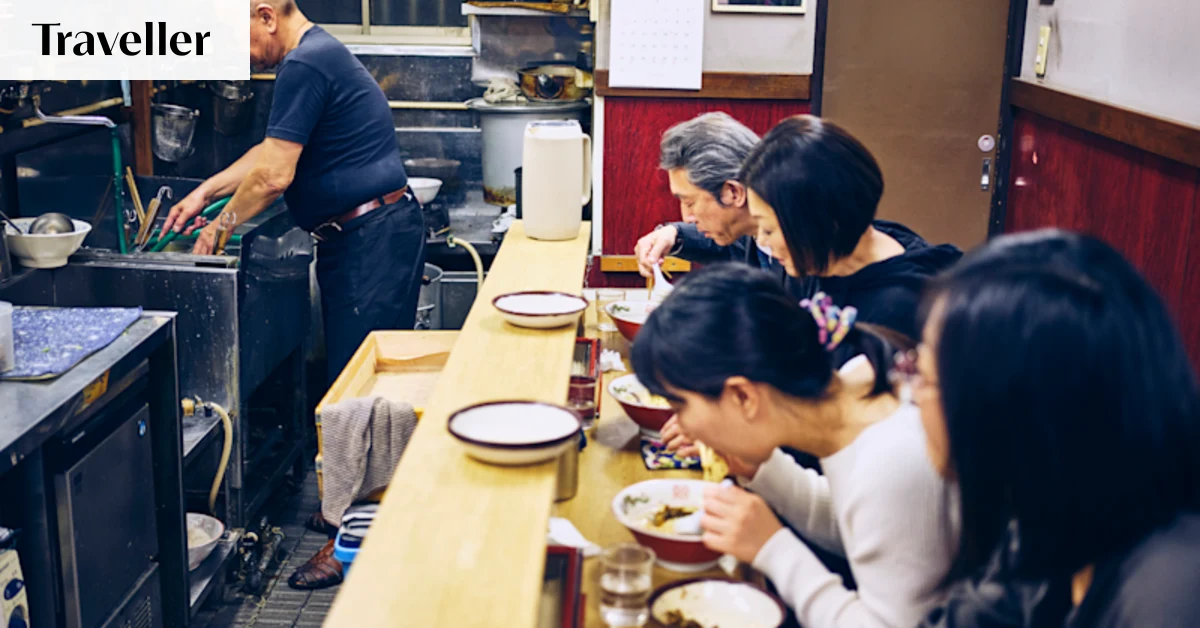
During a summer I spent alone two years ago in Tokyo, I stayed in a quiet neighbourhood with a small izakaya run by an elderly widow. Like many other traditional Japanese eateries, it was an intimate space with just five seats at the counter. All of these faced the open kitchen where she prepared seafood with a skilful hand.The language barrier made conversation difficult. However, even with that obstruction – or rather, protection – on my first visit, I found myself unable to disappear into the background the way I usually do when I'm alone.The chef-owner was warm and welcoming, but I was acutely aware of the silence, unsure of where to look or what to do with myself, and uneasy about how I might be perceived by the few other regulars seated down the counter.I enjoyed my meal very much, but after that, it was surprisingly difficult to go back. More than once, I found myself lingering outside the izakaya, listening to the low hum of chatter from diners as I tried to work up the courage to go in, before eventually defaulting to supermarket takeaways.
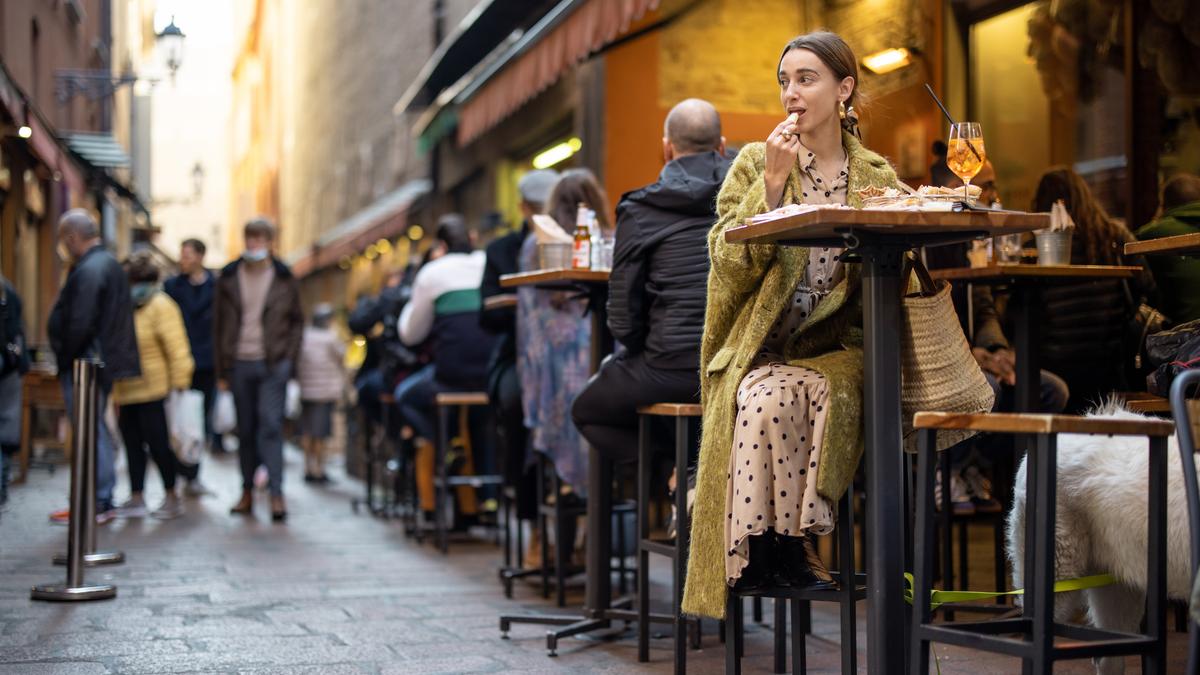
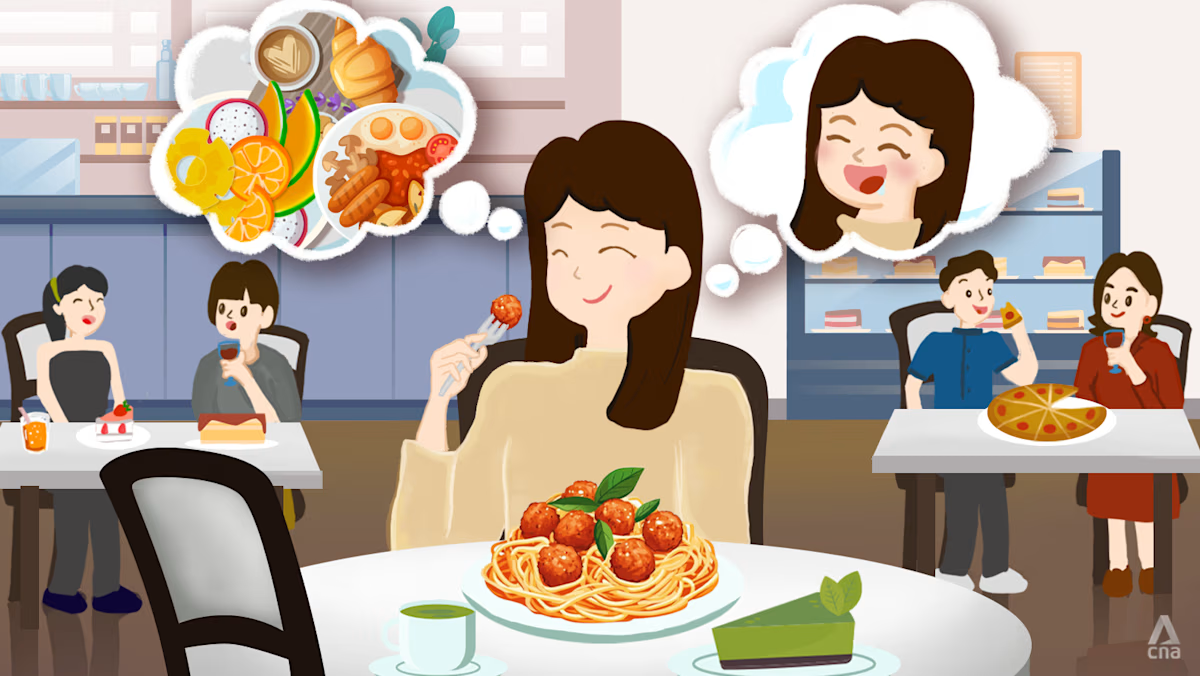
Dining alone is still often associated with loneliness or social awkwardness, as if being by yourself must mean something is lacking. (Photo: Pexels)