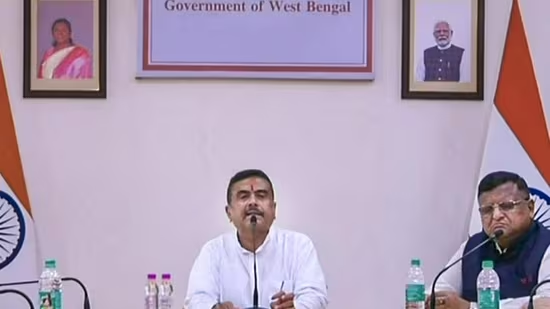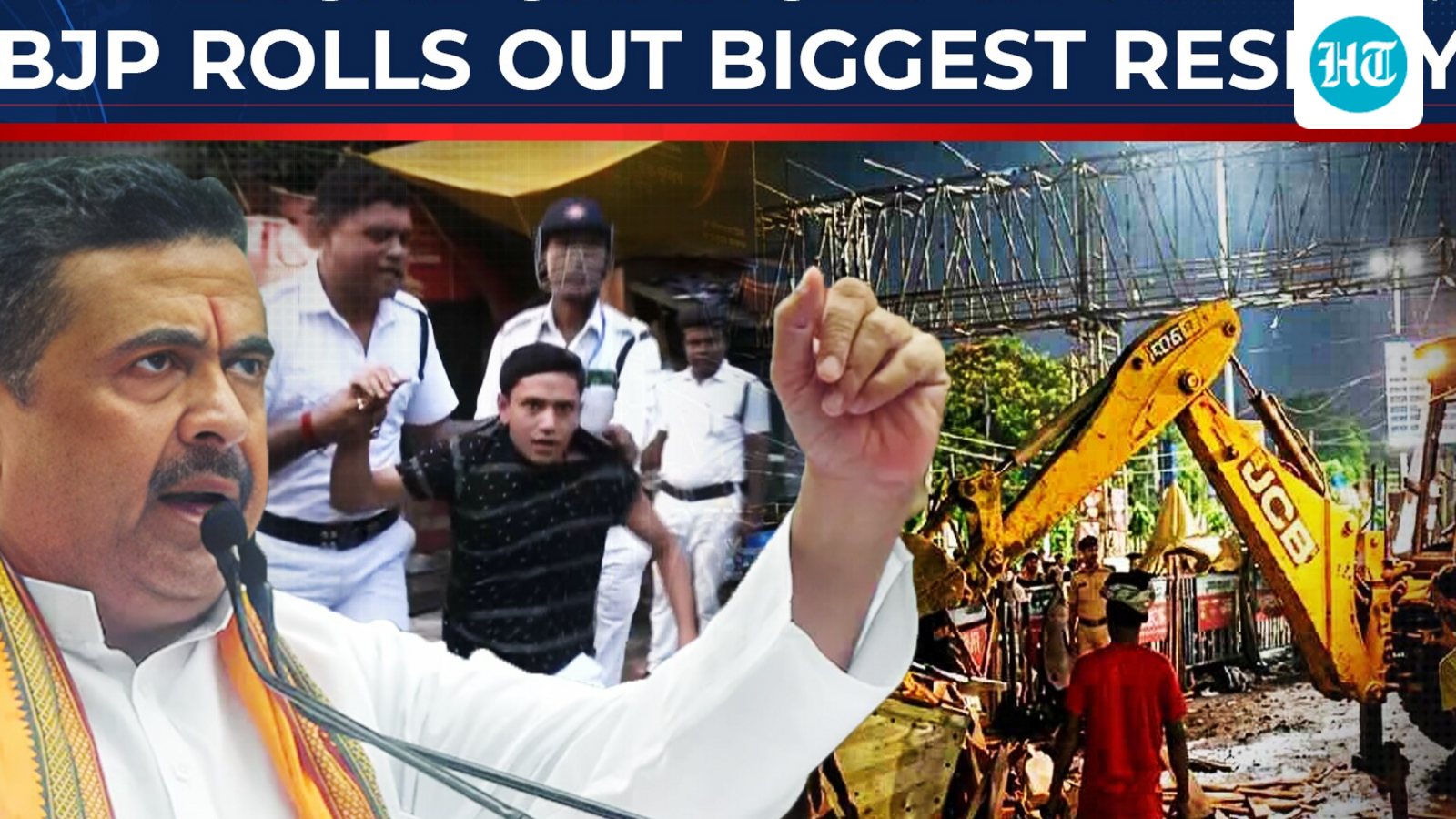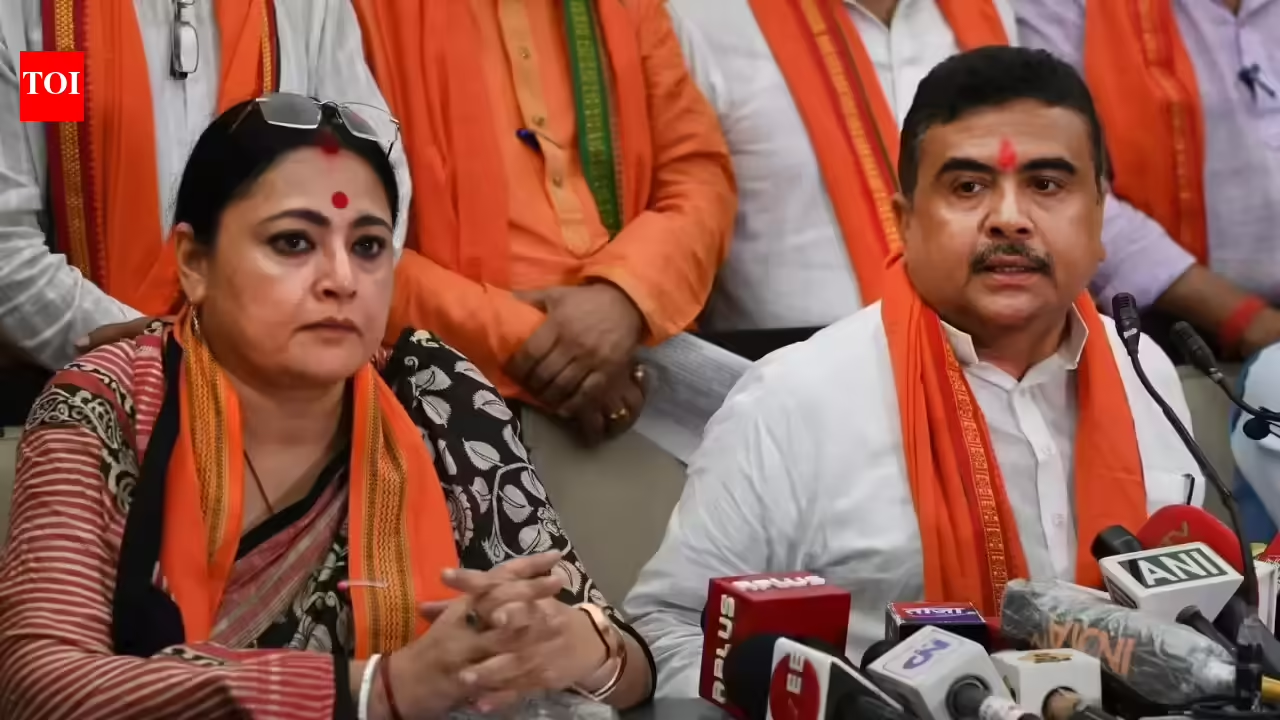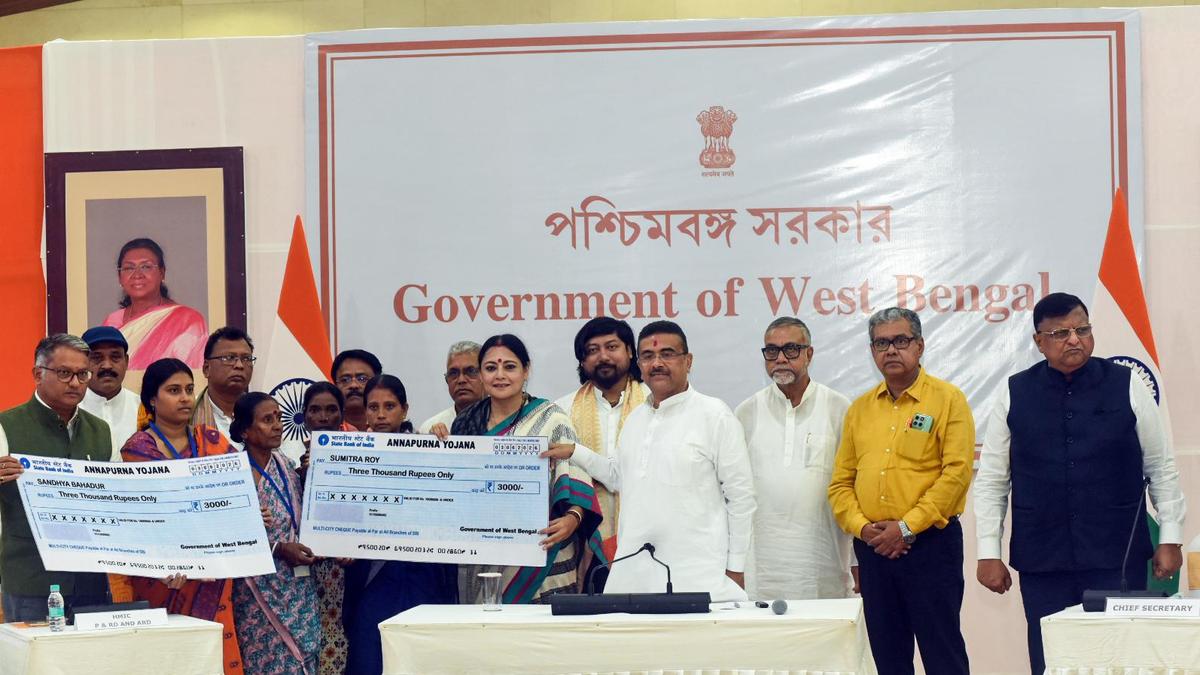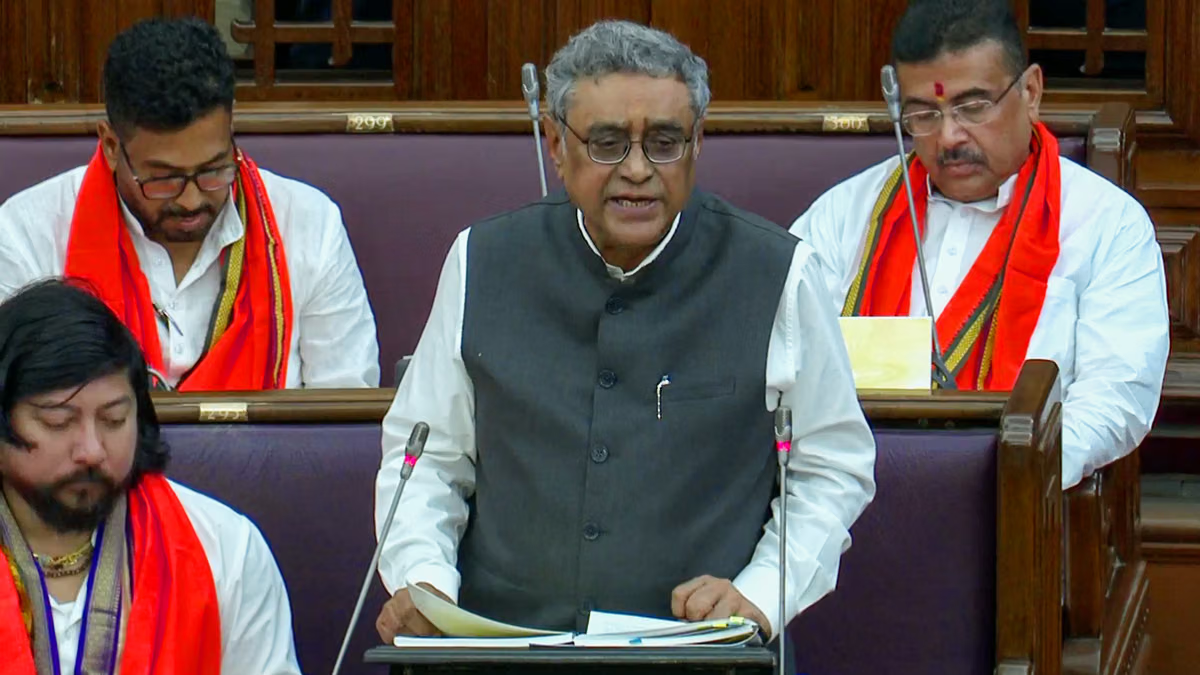
All eyes remain on West Bengal after the Bharatiya Janata Party came to power. And one of its first major policy shifts has already triggered intense debate. The state government has decided to discontinue welfare funding for imams and purohits.
The issue has quickly turned into a wider political and social debate—ranging from arguments around the “end of appeasement politics” to questions of welfare misuse, identity politics, and the meaning of secularism itself.The West Bengal government’s decision has revived India’s oldest and perhaps most uncomfortable political question: What does secularism mean in practice?
For decades, Indian governments across political parties have had a complicated relationship with religion. Unlike the Western idea of secularism—where the state and religion are meant to be separate, distant entities—India’s version has often meant active involvement with all religious communities. Governments subsidised pilgrimages, regulated temples, and introduced welfare schemes for religious clergy.Some defended such policies in the name of inclusion, welfare, or historical balance reparations. But many saw them as selective appeasement of a vote bank through tokens.The problem arises when governments start attaching welfare to religious identity. Once the state selectively starts funding clergy, politics naturally enters the picture. What may begin as social support slowly turns into political signalling. One subsidy creates another demand. State support for one community leads another to ask why they don’t get the same benefits. Welfare thus turns into a game of religious balancing. India has seen the pattern unfold many times before. It is a dangerous direction for a republic built on equal citizenship.A step in the right direction