New Delhi: Every state budget conveys two narratives. One narrative is articulated in the speech, encompassing welfare schemes, increases in dearness allowance, and announcements of new infrastructure projects. The other is embedded in the balance sheet, shaped by a decade of borrowing decisions that no single budget speech can entirely reverse or elucidate.
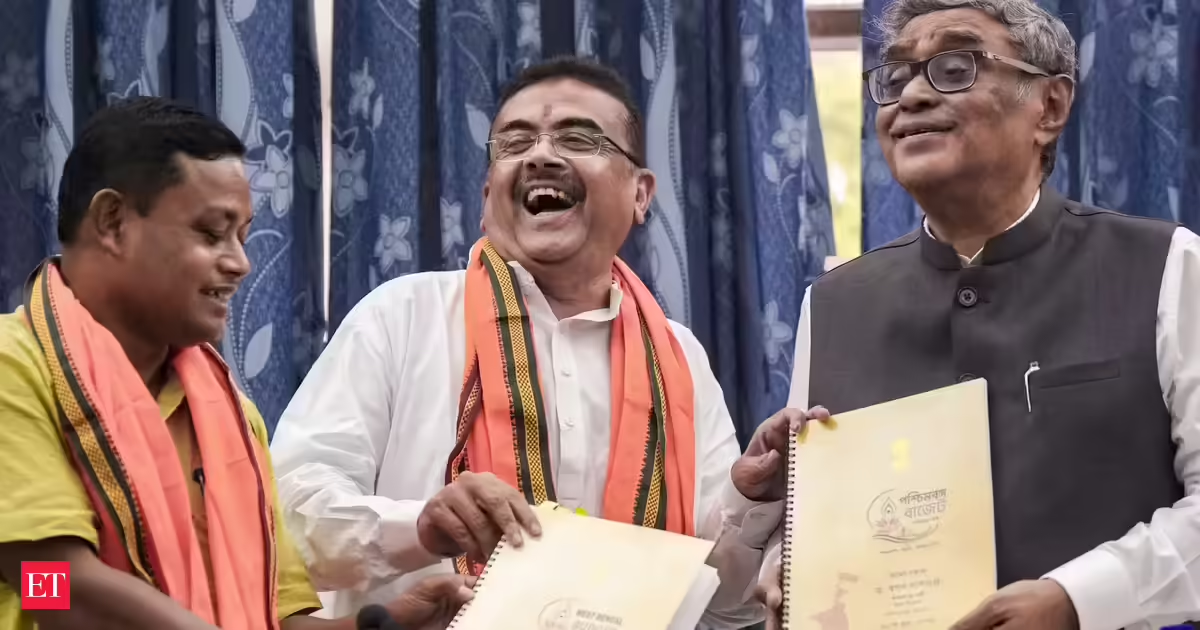
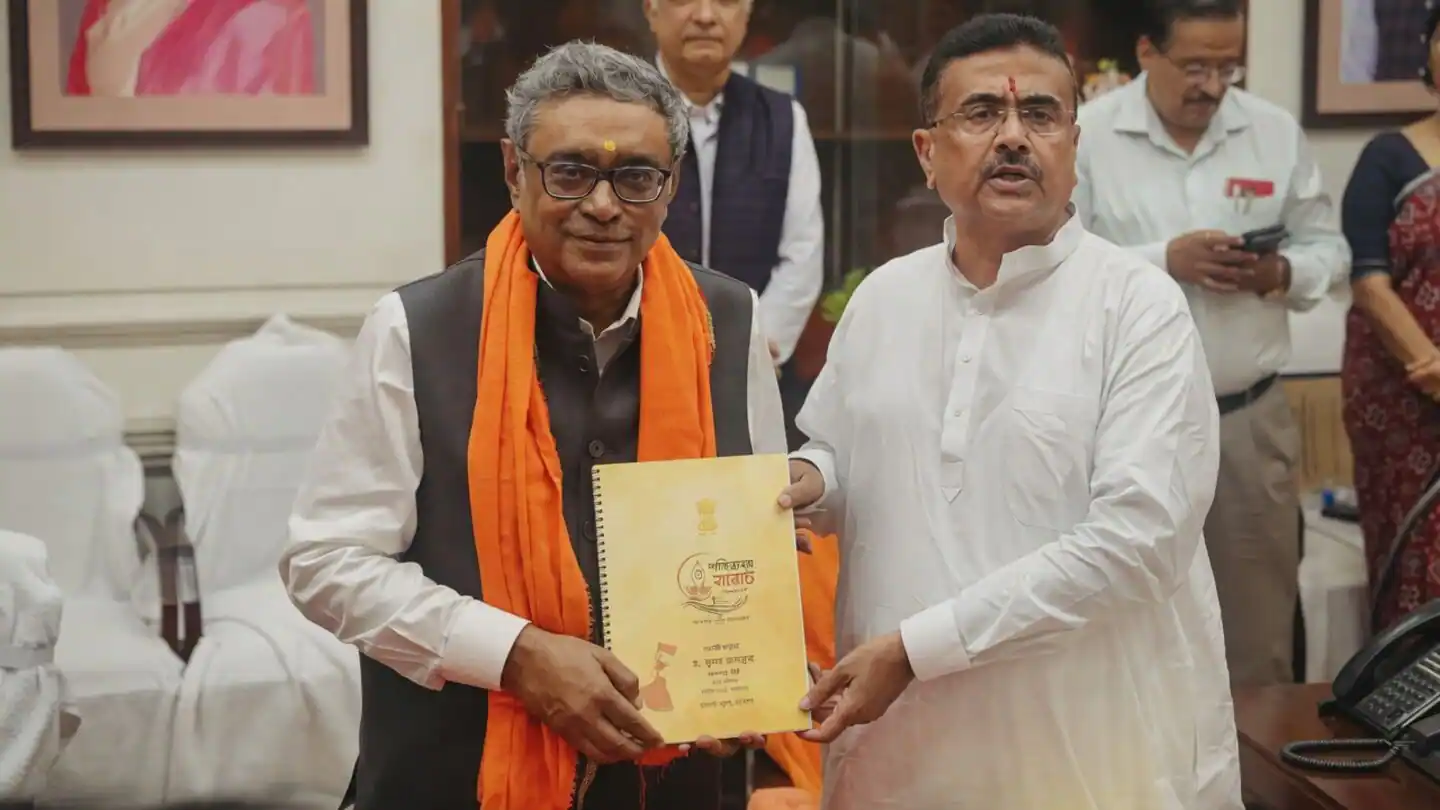
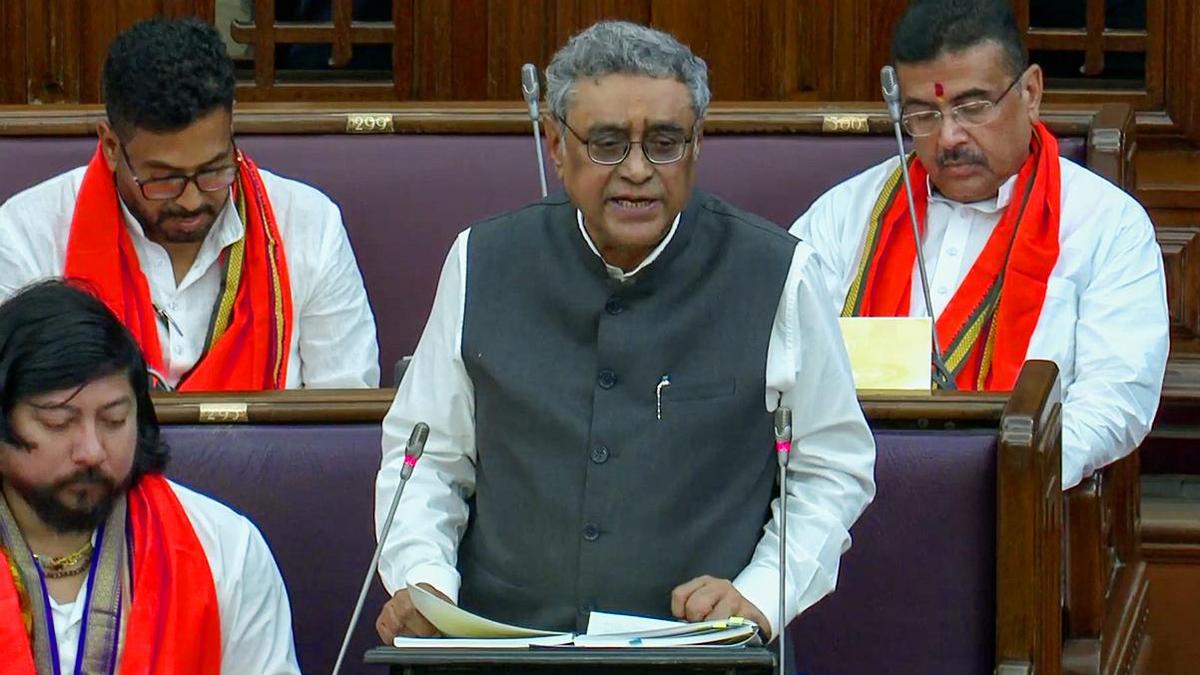
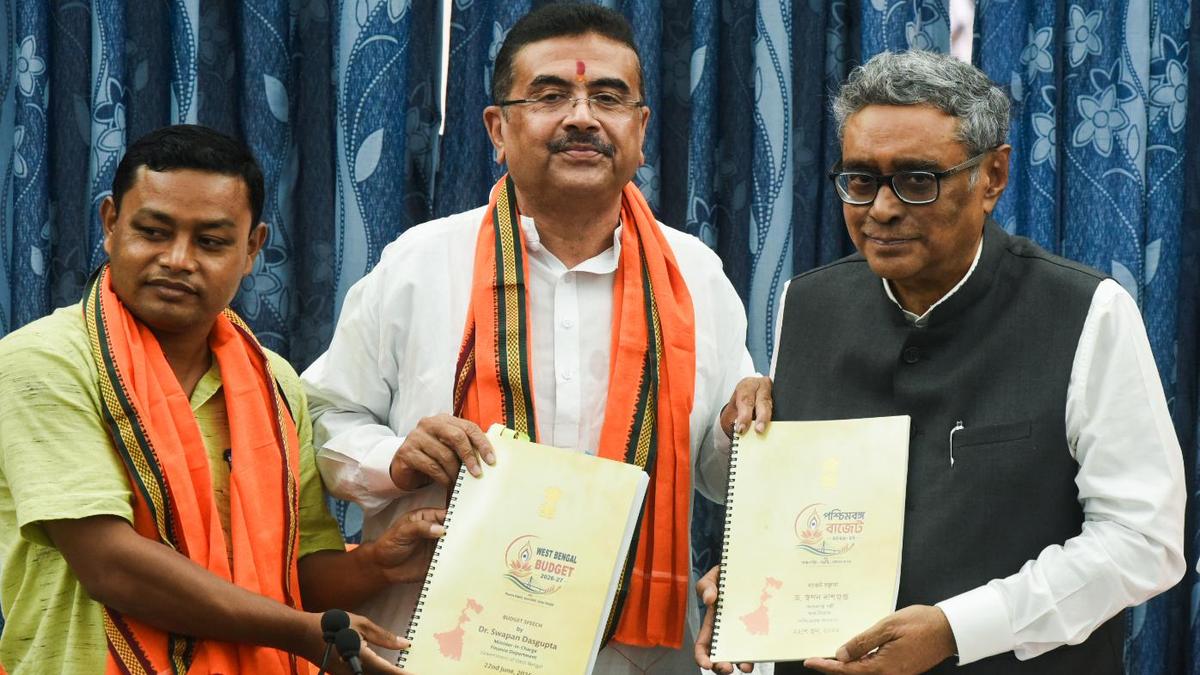
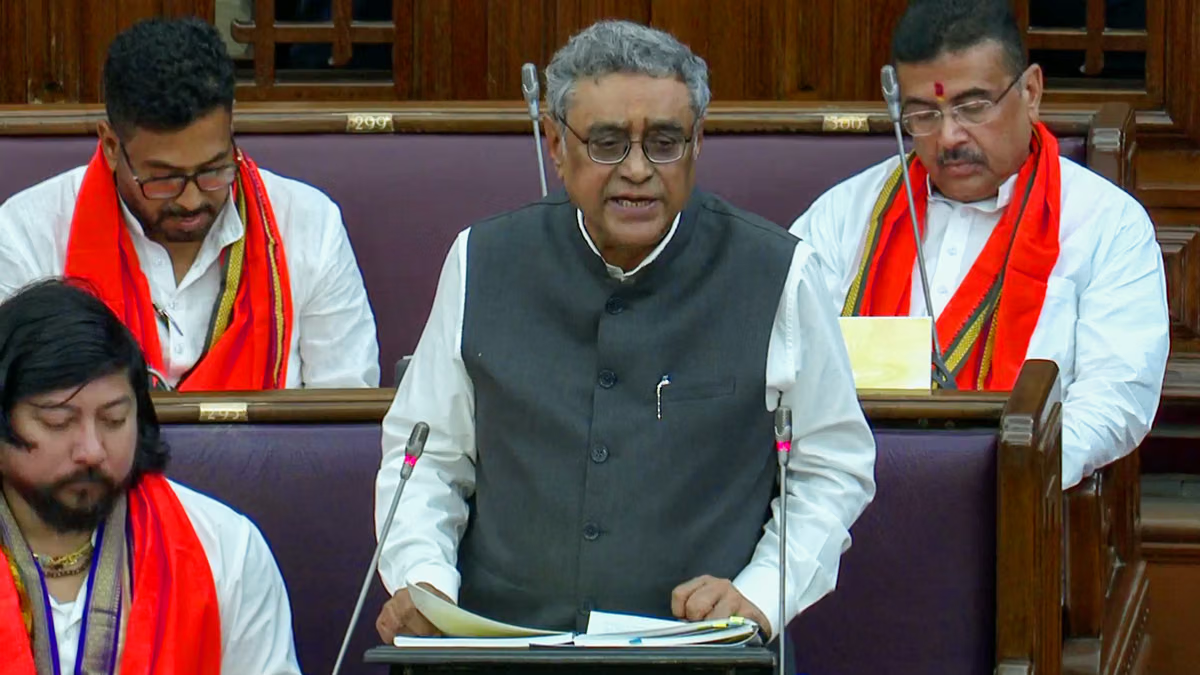
The maiden BJP budget of West Bengal, presented on 22 June, should be interpreted in the line of this second narrative, as the underlying data indicate a state undergoing a genuine, albeit partial, fiscal transition.Finance Minister Swapan Dasgupta announced allocations of Rs 36,000 crore for the Annapurna Yojna, a 20 percent increase in dearness allowance, the creation of one lakh new government jobs, Rs 14,000 crore for the VB-G RAM-G employment scheme, and various sectoral measures, including scholarships and salary revisions for frontline workers.
At the same time, the government indicated an industrial focus: proposing are-evaluation of the Urban Land (Ceiling and Regulation) Act, Rs 5,000 crore in new incentives, the establishment of a greenfield airport at Kalyani, and a deep-sea port at Dadanpatrabarh. Thus, the budget aims to simultaneously uphold welfare commitments and demonstrate industrial ambition. The data elucidate the relative magnitude of each objective.