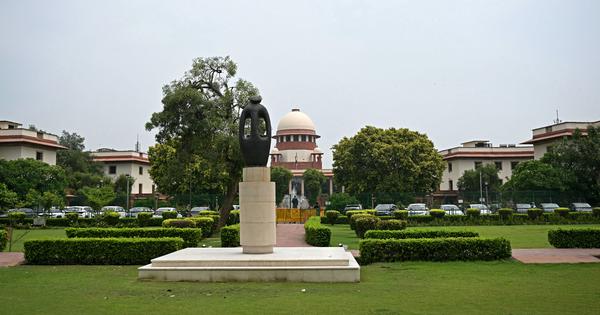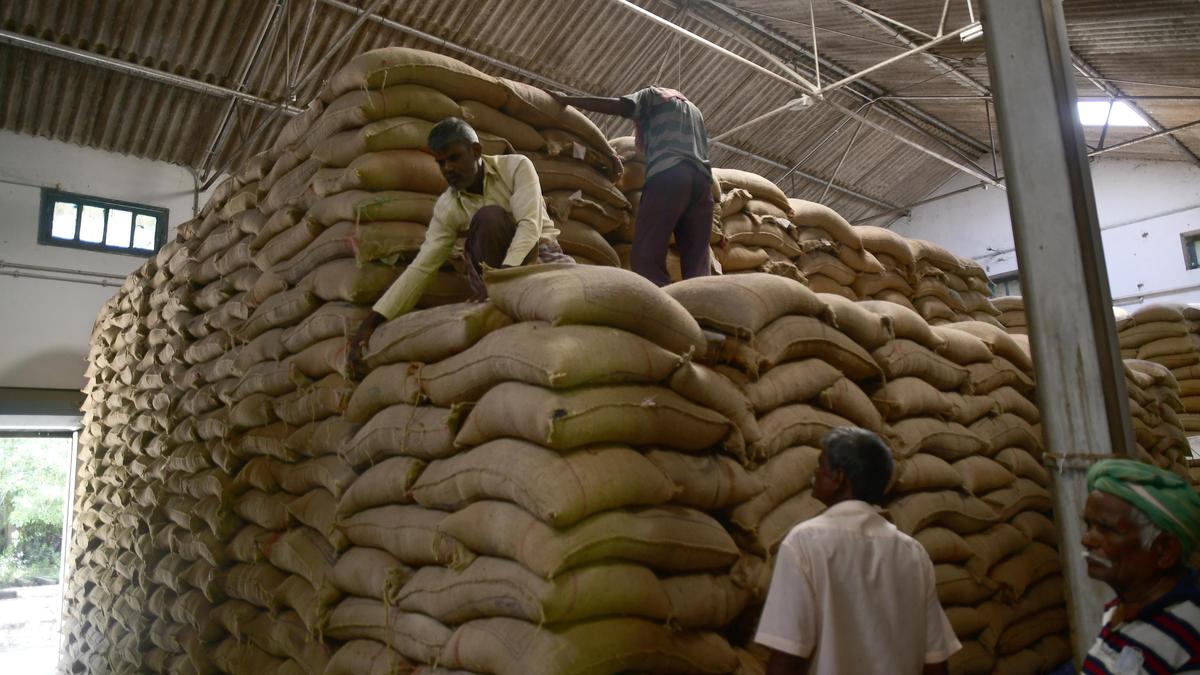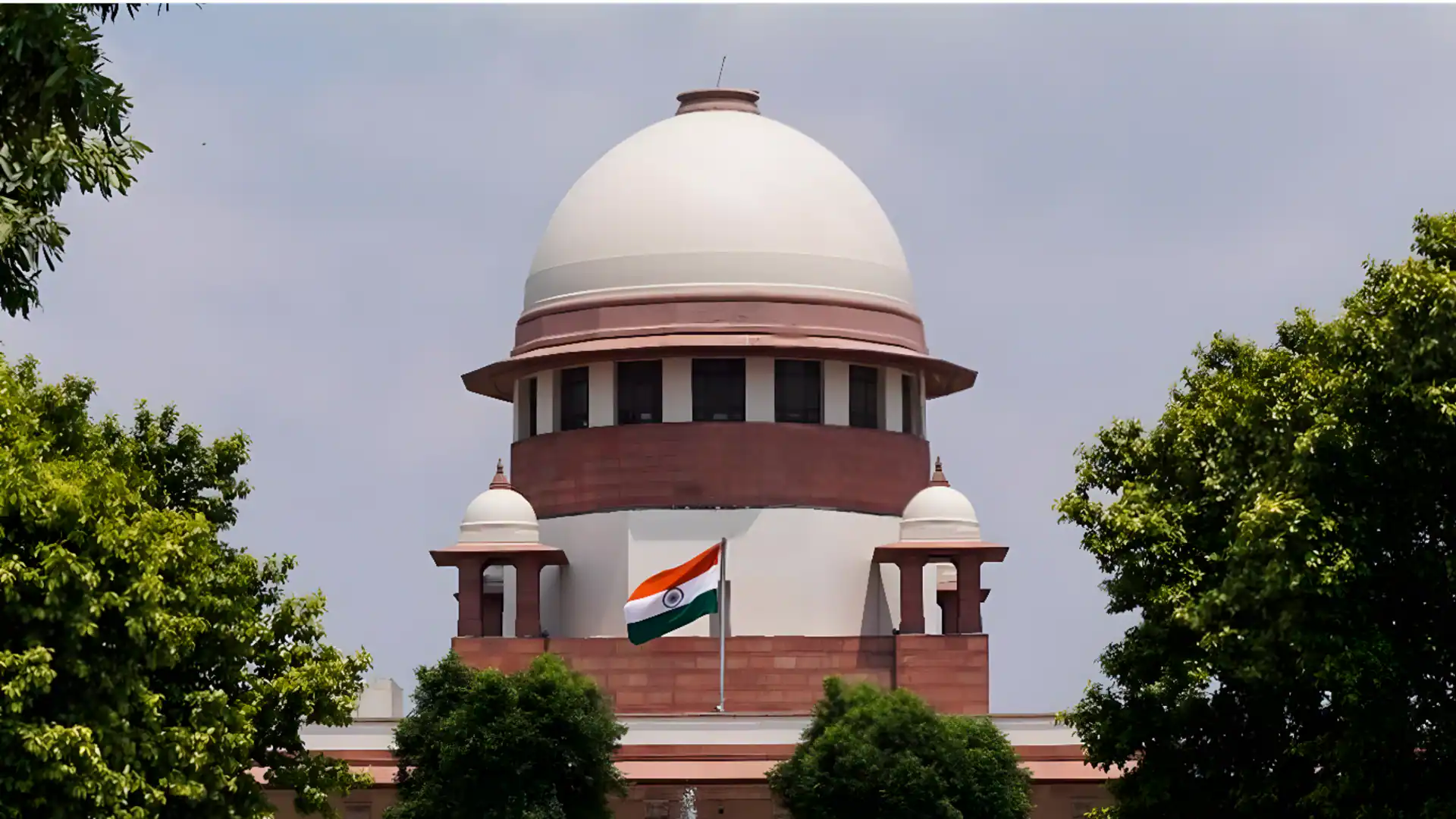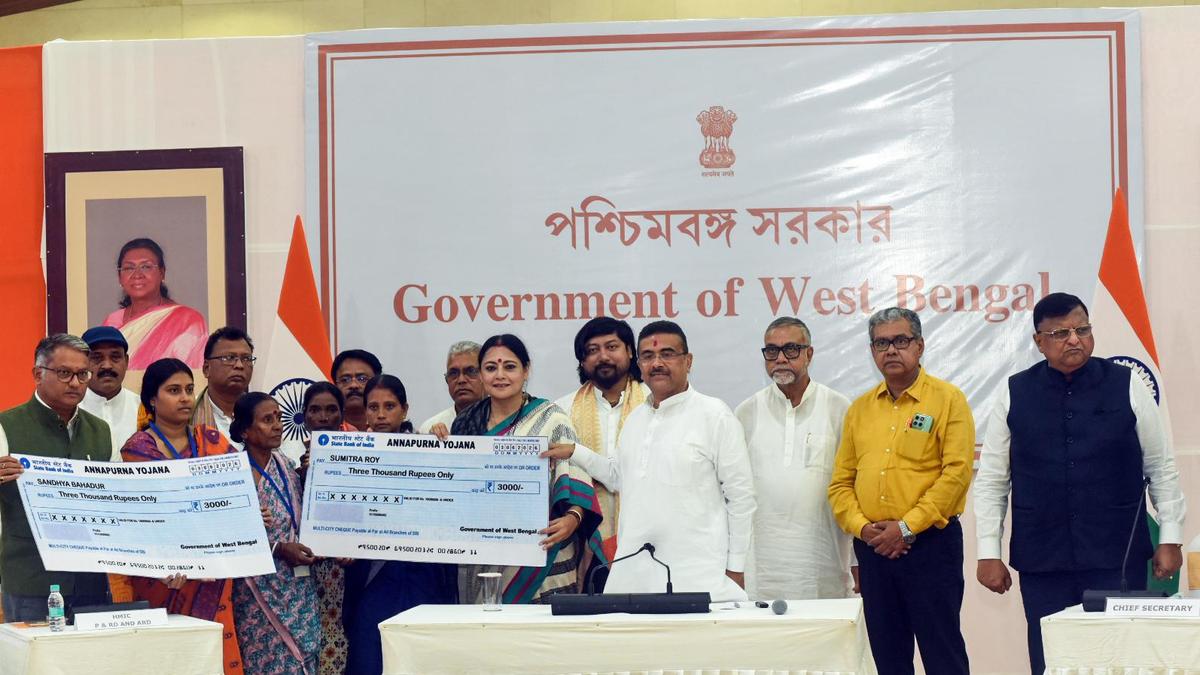
The story so farThe Supreme Court on Tuesday (June 23, 2026) asked petitioners challenging West Bengal government’s notifications of linking benefits under the Public Distribution System (PDS) and Annapurna Yojana to the outcome of the Special Intensive Revision in West Bengal, to approach the Calcutta High Court.Paschim Banga Khet Majoor Samity, an independent trade union of agricultural labourers, marginal farmers and share-croppers, has approached the Supreme Court to challenge two notifications issued by the newly elected BJP government in West Bengal.What the order statedOn June 4, the West Bengal Food and Supplies Department came out with an order titled ‘Verification and Deletion of Ineligible PDS Beneficiaries Based on the Outcome of Special Intensive Revision (SIR), 2026 of Electoral Rolls conducted in West Bengal’.The order stated that, based on the outcome of SIR, 2026, the department decided to undertake verification and deletion of those PDS beneficiaries who have been found ineligible on account of falling under any of the following categories.The five categories noted in the order included absentee, shifted, dead, duplicate (ASDD) electors in draft list as per the electoral roll published on December 16, 2025, unmapped cases identified during SIR process where concerned individuals were rejected after the hearing process, deletion in the second list after publication of the draft list, deleted after adjudication and electors found to be ASDD during Voter Information Slip (VIS) distribution during Assembly elections, 2026.Not only does the order exclude voters deleted during the SIR, but also those electors found to be ASDD during voter information slip distribution, a process that was conducted after SIR, mostly on the eve of polling.The Food and Supply department’s order also directed the removal of the names of PDS beneficiaries based on booth-wise lists of deleted electors during a 12-day period ending June 15.What petitioners are arguingThe PDS is governed under the National Food Security Act, 2013, one of the most comprehensive pieces of legislation in the country, providing the right to food for citizens in the country. What the petitioner is challenging before the court is that the benefits of PDS cannot be deprived of a disability being invented through a subsequent executive action and linked with an electoral process like the SIR.The petitioners argue that in the Bihar SIR judgement, while upholding the SIR exercise, the Supreme Court on May 27, 2026, had said that the Election Commission is empowered to undertake a limited enquiry into citizenship for the purpose of satisfying itself as to eligibility for inclusion in the electoral roll.“Such an enquiry does not amount to a determination of citizenship in the strict sense, and any action taken pursuant thereto is confined to electoral consequences alone,” the bench of Chief Justice of India Surya Kant and Justice Joymalya Bagchi had said. The order dated June 4, by West Bengal government’s Food and Supplies department clearly seems to extend the ambit of SIR to welfare schemes like PDS.Annapurna Yojana orderThe order relating to Annapurna Yojana was issued by Department of Women & Child Development and Social Welfare of the West Bengal government on May 19, 2026The order stated that all the existing beneficiaries of Lakshmir Bhandar Scheme shall be migrated to the Annapurna Yojana except dead, “shifted, deleted and absentee electors identified during SIR-2026, deletion in the 2nd list after publication of draft list, deleted after adjudication, ASDD found during voter slip distribution”.The West Bengal government, in both the orders relating to PDS and Annapurna Yojana, stated that beneficiaries who have filed an appeal before the SIR tribunal under the Citizenship (Amendment) Act shall get benefits till disposal of their applications.The SIR process in West Bengal was conducted between November 4, 2025 and February 28, 2026. During the exercise, over 91 lakh voters from the State’s electoral roll. Of these, approximately 34 lakh people had appealed their deletion before SIR tribunals.Significance of Annapurna YojanaAnnapurna Yojana is not a statutory scheme like the PDS, but a scheme that was a key poll plank of the BJP during the West Bengal Assembly polls in 2026. The scheme was announced to counter the Lakshmir Bhandar scheme started during the Trinamool Congress regime in 2021.Lakshmir Bhandar had over 2.2 crore beneficiaries before the West Bengal Assembly polls 2026 when the BJP promised to double the benefits from ₹1,500 to ₹3,000 per month under Annapurna Yojana. While the promise of providing Annapurna Bhandar was universal during the assembly election campaign after the polls, it turned out that ‘eligible’ beneficiaries and everyone, including those getting benefits under Lakshmir Bhandar scheme, had to fill a 12-page form.In the budget tabled in the West Bengal Assembly on June 22, the State’s Finance Minister had allocated ₹36,000 crore to the scheme, which means that the number of beneficiaries will come down to half of the beneficiaries under the Lakshmir Bhandar scheme, to about a crore.Chief Minister Suvendu Adhikari had in the past six weeks, spoken about the leakages in the Lakshmir Bhandar scheme during the Trinamool Congress regime. He has claimed that about 30 lakh beneficiaries who were getting the benefits of the scheme should never have been entitled to it. While Mr. Adhikari had stated that no deceased person, illegal infiltrator, or non-Indian individual would be allowed to avail benefits meant for citizens of the State, the State government’s orders illustrate that SIR is being used as a tool to remove beneficiaries from social welfare schemes.
Why West Bengal’s decision of linking social security benefits to SIR is being challenged | Explained
West Bengal's linking of social security benefits to electoral rolls faces legal challenges, raising concerns over welfare access for citizens.
893 words~4 min read