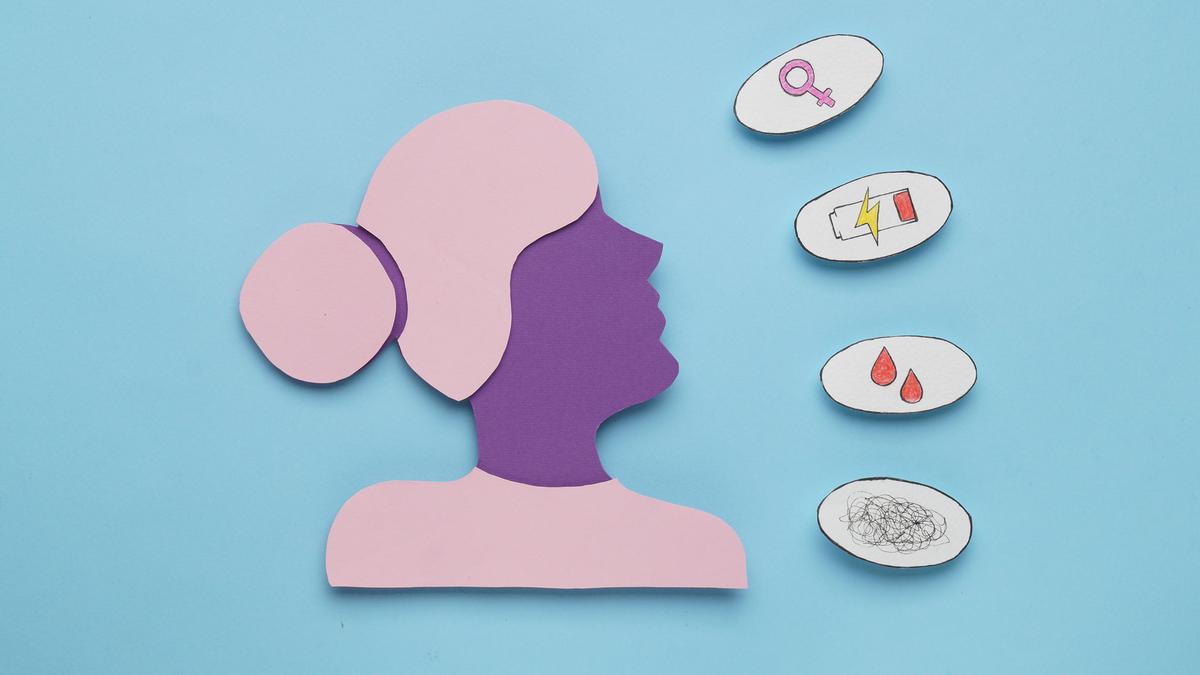
Long considered a reproductive disorder, it has been recognised as a hormonal imbalance that also affects metabolism, mental health and skin Nutritionist Mary-Jo Maguire': This new name will mean metabolic and other hormonal issues can be treated.' Sat May 23 2026 - 06:00 • 4 MIN READWomen suffering from irregular periods, acne, weight gain and other symptoms will now potentially have a clearer pathway to diagnosis and treatment following the name change of a common female hormonal disorder. The condition, previously known as polycystic ovary syndrome (PCOS) has been renamed as polyendocrine metabolic ovarian syndrome (PMOS), after a decade-long global consultation between patient groups and medical specialists.“This condition affects between one in 10 and one in eight women and the average time to be diagnosed is between three to five years, which has caused huge frustration for patients,” says Prof Michael O’Reilly, consultant endocrinologist at Beaumont Hospital in Dublin.O’Reilly, who was part of the renaming consortium, says because the condition was traditionally considered to be a reproductive disorder, it lacked a holistic patient-centred approach and wasn’t researched extensively. “Lots of patients were put on the contraceptive pill and told to come back when they wanted to become pregnant,” he says. Professor Michael O’Reilly, consultant endocrinologist at Beaumont Hospital in Dublin. A medical diagnosis of PCOS, now PMOS, is made when two of three key symptoms – irregular or absent periods; polycystic ovaries; and acne, alopecia and facial hair caused by high levels of testosterone – are present. The diagnosis hasn’t changed with the name change.“This is a chronic metabolic condition which leaves people at higher risk of type 2 diabetes and cardiovascular disease later in life,” says O’Reilly. He adds that women’s health issues such as menstrual irregularity shouldn’t be ignored. “They can be a signpost to underlying health conditions,” he says. Symptoms – including irregular periods, excess hair on the face or body, mood changes and cysts on the ovaries – often start in the late teens or early 20s. The oral contractive pill is the standard medical treatment, although a healthy diet, regular exercise and undisturbed sleep alleviate symptoms substantially for some with the condition. Mary-Jo Maguire, an Irish nutritionist who was diagnosed with the condition as a teenager, says women who didn’t have cysts yet suffered from other symptoms were often not getting diagnosed. “It was pigeonholed as a reproductive issue, but this new name will mean metabolic and other hormonal issues can be treated,” says Maguire.PCOS, now renamed PMOS, has wide range of symptoms. Illustration: Getty Images/iStockphoto Maguire works with women to help them manage a wide range of hormonal symptoms from weight gain to fatigue and sugar cravings associated with the condition. She wants to help women “get their power back” and be aware that there are other options when it comes to treating the condition. “What happens is you come out of that diagnosis feeling completely deflated. You’re told basically, ‘Take this pill.’ There’s no empowerment for the woman to take action to look after her own hormones and health.”In terms of fertility, Maguire says, “Being told [you can’t conceive] is a horrible thing to hear. So many women are told that and it’s something that sticks with you throughout your 20s. It’s this kind of underlying worry.“You’re almost nearly against the clock because you feel more under pressure as a woman with PCOS [now PMOS] that you should try earlier because you mightn’t be able to get pregnant in your 30s, but if you can make the changes in your diet and lifestyle and with supplements and support, you can get results. Maybe you do need help with medication as well, but I do believe there’s a role for both and it can make a huge difference.” Prof Helena Teede, endocrinologist and director of Monash Centre for Health Research and Implementation in Melbourne, Australia, announced the name change at an international congress of endocrinologists in Prague last week. “The term PCOS didn’t capture the multi-system burden that people with this condition have suffered,” she said.An overfocus on the search for pathological ovarian cysts has, according to a Lancet report on the name change, resulted in up to 70 per cent of individuals remaining undiagnosed. [ ‘ADHD girls learn from an early age to mask, but it carries a cost’Opens in new window ]The Lancet paper, published on Tuesday, May 12th, also reported that more and more studies now point to disturbances in hormones, including insulin, androgens and neuroendocrine as well as ovarian hormones, as central to the condition. “I hope the name change creates more awareness of the condition. Many women didn’t think their condition was valid if they didn’t have cysts on their ovaries,” says Jess Willow, a registered dietitian who specialises in women’s health. Willow was diagnosed with the condition as a teenager and now the mother of two children manages it through a healthy diet and regular physical exercise.The Lancet report also pointed out that some women suffered stigma due to the risks of miscarriage and infertility associated with the condition. In terms of medication, insulin-sensitising agents have been found to be a better option than the contraceptive pill for some patients. Renaming a medical condition is a complex process that requires funding, governance, broad engagement and robust methods and processes. And while the new name is still long and complicated, medical experts and patient groups feel it better captures the diverse range of symptoms.“PMOS encompasses multiple interacting endocrine abnormalities, rather than an isolated ovarian disorder,” write Teede and others in the Lancet paper. It is now hoped that women will be diagnosed earlier with the recognition that PMOS is a hormonal imbalance disorder which affects metabolism, mental health and skin as well as the reproductive organs. It is expected to take up to three years for the new name to be fully incorporated into medical diagnostics.IN THIS SECTION
From PCOS to PMOS: How renaming a prevalent women’s disorder will improve countless women’s lives
Renaming common female hormonal disorder should lead to earlier diagnosis and better management of the condition
979 words~4 min read