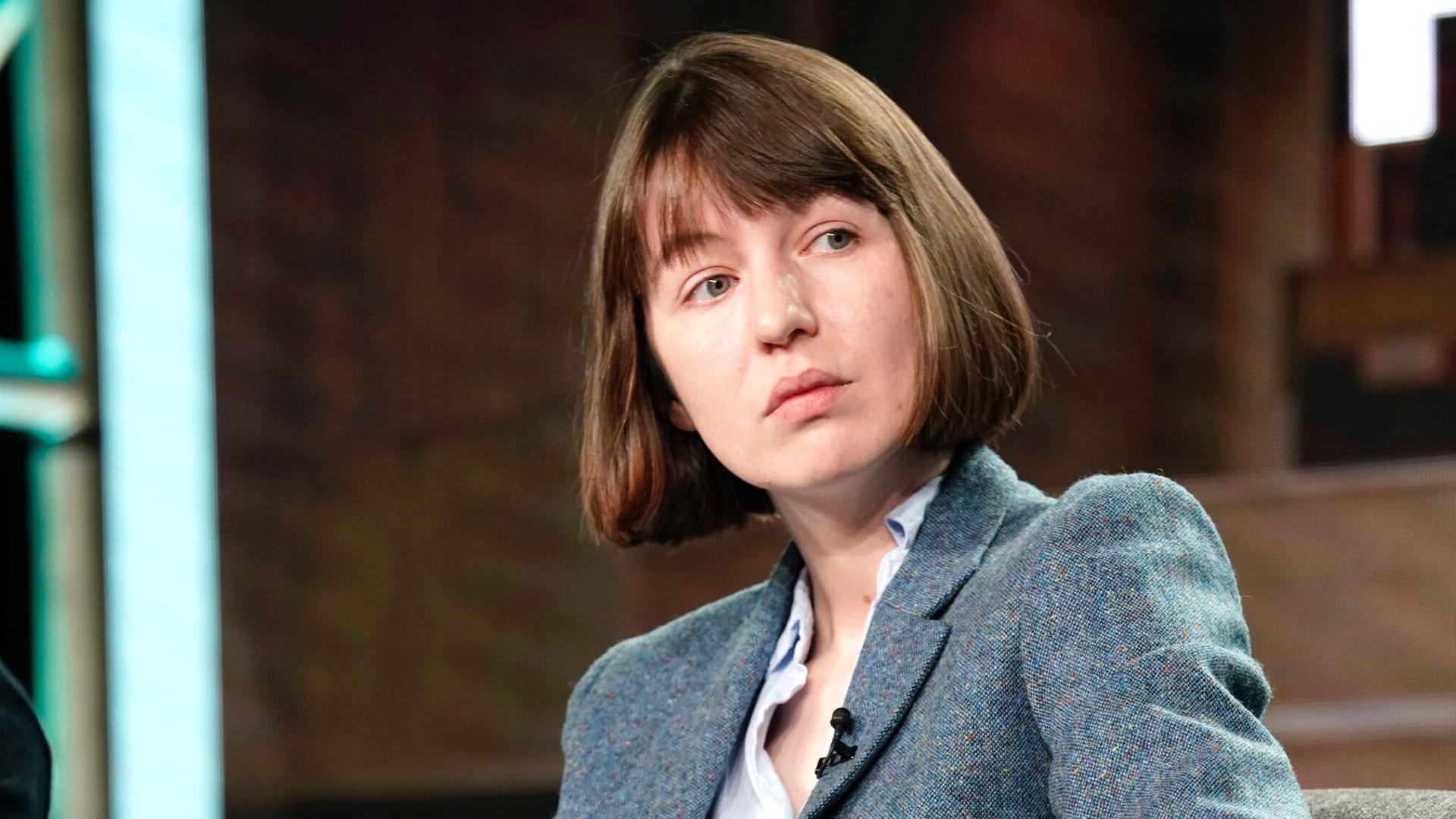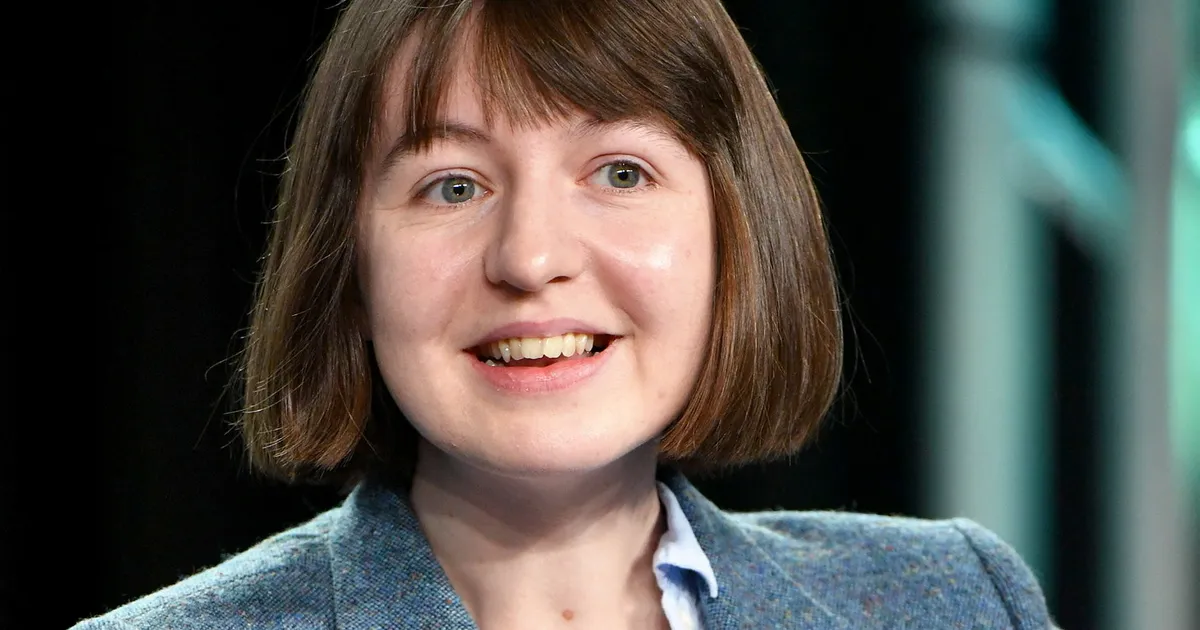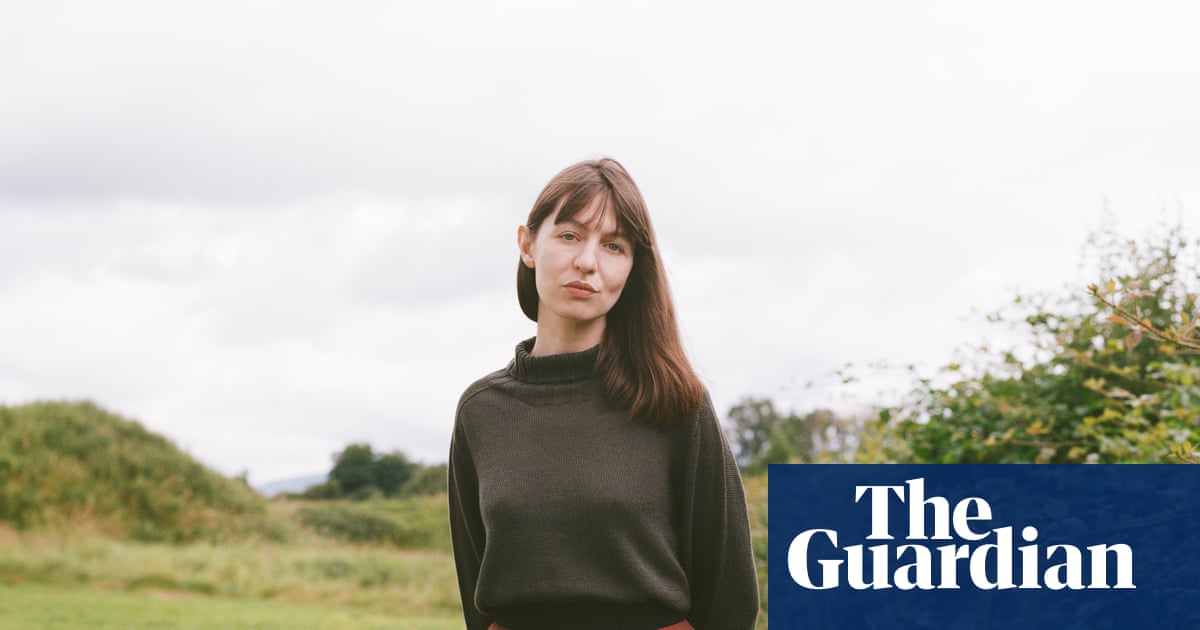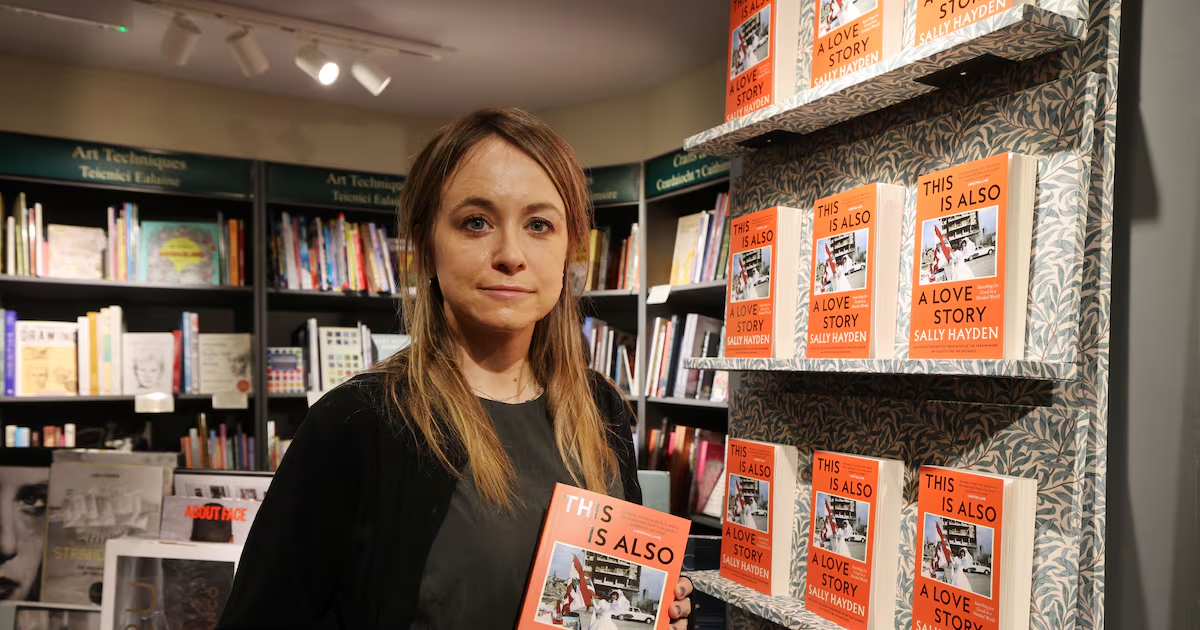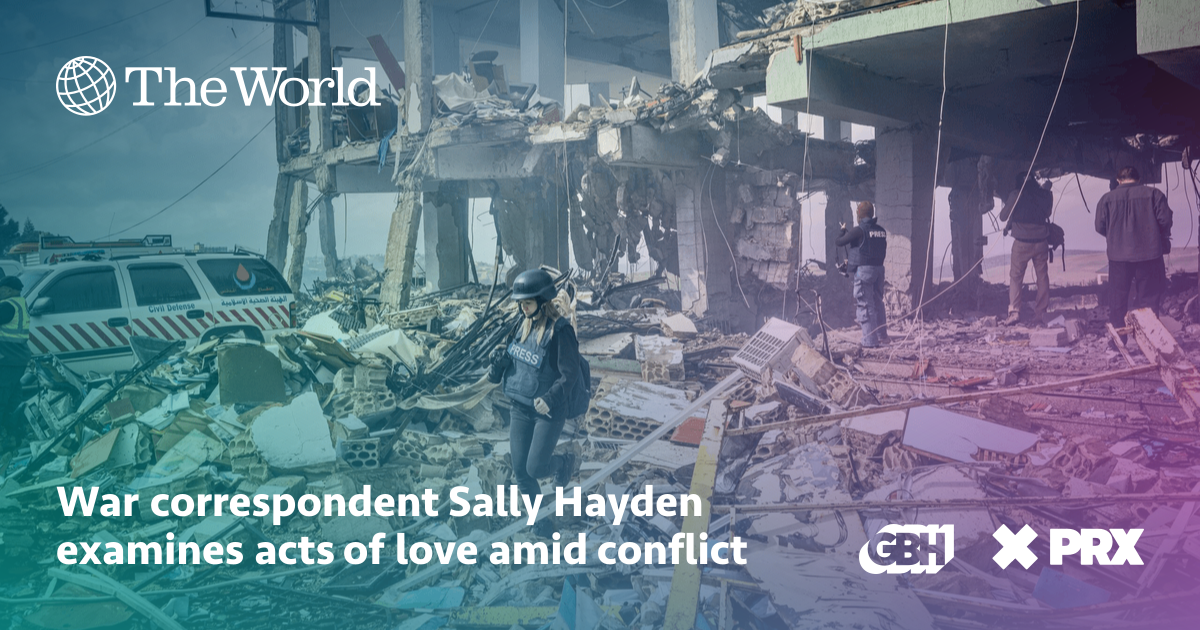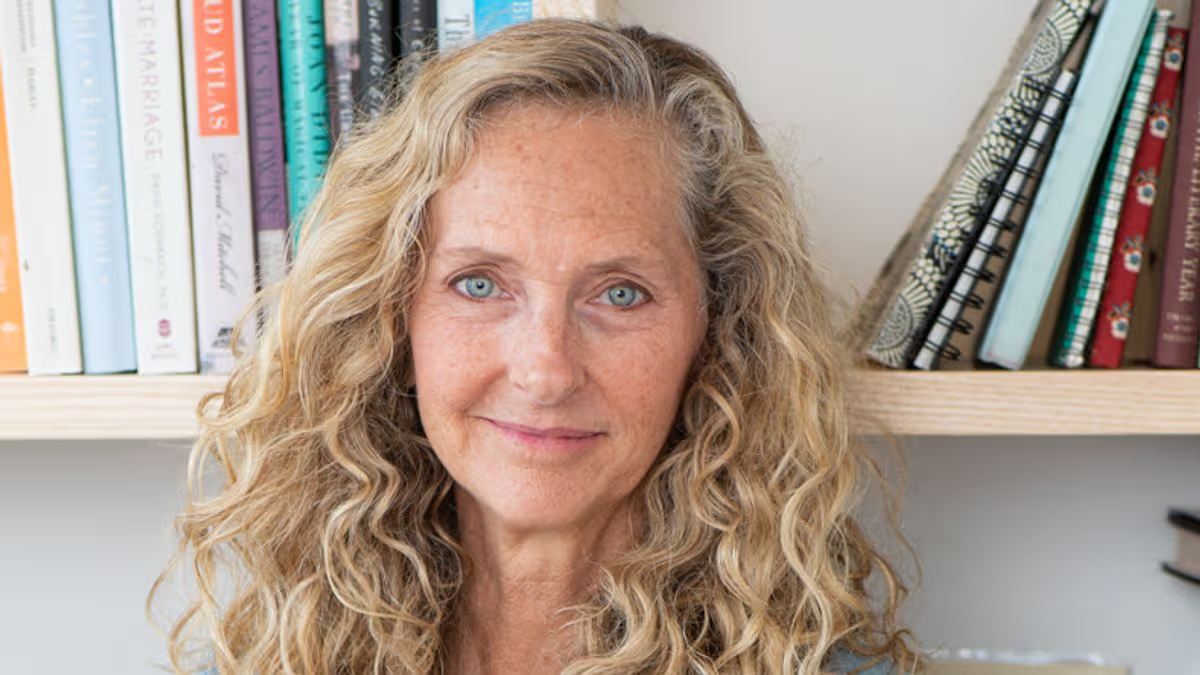
This Is Also a Love Story: Searching for Good in a Divided World Author: Sally HaydenISBN-13: 9780008623265Publisher: Fourth EstateGuideline Price: £20“I once believed that journalists could change the world,” writes Sally Hayden, but “at some point, that certainty left me”. Hayden was Irish Journalist of the Year last year, and won the Orwell Prize in 2022 for her bestselling first book on the refugee crisis in the Mediterranean. But “these days”, she confesses, “I often struggle to find motivation”. The violence, tragedy and greed she has seen mean that she no longer feels that “anything would change if the broader public were better informed”. Our era’s “very specific form of detachment” has brought “a heartbreaking lack of care for the vulnerable”.News reporting, Hayden worries, can itself become “dehumanising”, “compounding pain even as we expose it”, flattening real people into reductive stories of victims and “resilience”. And so her powerful and personal second book became for her an act of “atonement”, after the realisation that “frequently, while listening to an account of something horrific, there will be a moment when I think to myself, ‘this is also a love story’.” Every story of mass murder or migration is also one of romance, family, friendship and community. The dehumanisation that facilitates indifference begins by ignoring that simple empathetic truth.So Hayden began to “search for love and connection even amid disaster”. Her book’s epigraph comes from Lord Goring in Oscar Wilde’s An Ideal Husband, where the cynic assures us that he is not a pessimist because “it is love … that is the true explanation of this world, whatever may be the explanation of the next”. Hayden writes that “I encounter love daily – more than fury, revenge, greed or abuses of power”. From west to east Africa, in Ukraine and across the Middle East, she finds people going to extraordinary lengths to protect or honour those they love. The stories she collects reveal the human hearts and heartbreaks behind the cold statistics from which we turn away.“It feels like the world is burning,” Hayden writes, but a Ukrainian woman called Irina tells her about the solace of loving someone “with whom you can endure all this Armageddon”. Irina fell in love with Sergei, a moustachioed marine who retrained as a make-up artist, while watching the delight with which he ate the ham she prepared for him on their first date. The full Russian invasion in 2022 sent Sergei back to a war whose horrors he believes mean Ukrainians “will never really be the same”. Irina keeps a folder of smiling lipsticked selfies to send when she is too sad to smile for real. Other Ukrainian women such as Olha feel they cannot cry, that it is better “to be strong”, even to volunteer themselves (“I don’t think it could get worse,” Olha tells her husband Andrii when he objects). Queer soldiers demand equality from a country where they are expected to fight and die but where it is “still difficult to hold hands in the street”. And in every couple, the fear that there is “no space for negativity or disagreement” when you are fighting for survival.But love persists. In Mosul under Isis’s brutal occupation, there were still couples such as Saif and Marwan risking everything to hold secret weddings, speakers turned down low to avoid detection (it was at least “very cheap”, Saif says, since venues and DJs were struggling for business under threats of beheading). Reporting on the city’s liberation, from the Sumerian ruins destroyed by Isis, Hayden asks if gunfire is from renewed fighting, only to be reassured it’s “probably part of a wedding”.In Ghana as the country enacted a legal crackdown on homosexuality, Hayden collects WhatsApp voice notes from queer Ghanaians about resistance and love, both romantic and platonic. Their advice is full of care, even for strangers, and hope: “love is freedom”. Artist Va-Bene Elihem Fiatsi insists she will stay in Ghana even if she is chased with machetes, committed to “a radical act of empathy”.Love stories do not all have happy endings, and across Africa Hayden encounters unimaginable pain. Long after the social-media frenzy of #BringBackOurGirls, thousands of Nigerian families are still traumatised by the murders and enslavement of Boko Haram. “I get nostalgic”, one woman tells Hayden, “when I see people with their parents or husbands. I think too much and I cannot sleep at night.” The efforts parents made to keep their children safe almost defy belief. Hayden speaks to two women who chose to feign insanity, living naked and covering themselves in urine and dirt to make the guerrillas think they and their daughters were best left alone.[ ‘The language of the people’: Displaced perform in Beirut theatre amid warOpens in new window ]In Uganda she meets David Ocitti, forced as a child to tell the Lord’s Resistance Army which parent he loved more, leading to his father being murdered. He now works trying to reunite other men who were enslaved as child soldiers with families still wary of the war crimes their children committed. When asked what he would do if he met the men who killed his father, David replies “I would forgive them”; only through radical forgiveness can we “start a new page”. Across the border in Rwanda, the destination of her first foreign assignment, Hayden finds the children of genocide struggling with similar questions. A man called Paul-Henri tells her about the “artificial families” of orphans where child survivors could find love and support. Hearing the unthinkable details of how adults and children were murdered – “hacked by machete”; “smashed against a wall” – leaves Hayden shaken: “I didn’t know I had a soul until it started hurting”. Yet even amid such hate, there was still love: a Hutu woman called Zula saved dozens of Tutsis because “we are siblings to each other”. In 2024, because of her reporting on the mistreatment of refugees, the Rwandan government banned Hayden from the country. Even love stories are political. In Lebanon, Hayden meets Bassam al-Sheikh Hussein, a man who became famous for trying to rob a Beirut bank of his own money in 2022 during Lebanon’s liquidity crisis. Bassam doused the bank in petrol and threatened to burn everything down if not given his savings to pay for his father’s medical bills, prompting a wave of support (and copycats) in a heartbroken country.Across the border in Syria, the fall of Bashar al-Assad’s brutal regime – after a civil war of carpet bombing and chemical weapons, and decades of institutionalised fear – came very slowly and then all at once. Reporting on that revolution was like something Hayden “had never experienced before and will likely never experience again”. Distraught families frantically searched the infamous Sednaya Prison for disappeared relatives, the people depicted in photos of horrific abuse broadcast by Christiane Amanpour when Hayden was her intern at CNN. Mariam al-Hallak’s son was in those photos, and she spent years demanding to know where his body was, “to go there to tell him stuff, and maybe he will tell me stuff”. (Ta’burni, people say lovingly in Levantine Arabic: “May you bury me.”) Wafa Mustafa has campaigned for years to find out what happened to her father Ali, a human-rights activist. “I literally don’t have a life … sometimes I wish I would be hit by a car and lose my memory because this is the only way that I’ll be able to stop.” In Lebanon Hayden has had to learn what millions around the world live with, “to ignore the rumble of warplanes, and to scrub my memories after seeing fragments of human flesh”. The effect of witnessing war has clearly scarred her; it moves, she writes, from emotion to cynicism to “a sense of futility”. She worries that asking people “how are you? How do you feel?” is insensitive and patronising when the answers seem obvious. But Mariam has no problem answering: “You didn’t cause me any extra pain”, she reassures Hayden, “because the story never leaves my mind.” [ How Good It Is I Have No Fear of Dying: Lieutenant Yulia Mykytenko’s Fight for Ukraine by Lara Marlowe - nuanced, frank, remarkableOpens in new window ]In Japan Hayden meets Yuji Akagawa, a grandfather who set up a postbox for letters from those bereaved by the 2011 earthquake and tsunami, after realising that people craved someone to hear their stories. “Why are you talking to me today?” he remembers wondering. “We just met.” He continues to man “The Drifting Post” between the living and the dead, even though he has been “tortured by listening”. It can be painful to read Hayden’s fearless reporting, even in such a beautiful meditation on love. She refuses to look away from the unfairness and overwhelming pain of a world marked by “grief on grief, sorrow on sorrow”. And yet she is our most vital journalist, refusing to stop humanising those whose humanity is denied by those who perpetuate cruelty and unfairness. “The fundamental weakness of Western civilisation,” said Elon Musk last year, “is empathy.” At such a time, Hayden argues passionately that “love feels like a form of resistance …something to fight for”. It is the look in other mourning mothers’ eyes that mean Mariam will not stop fighting for lost loved ones: “I feel it is my duty to carry their voices.” Sally Hayden continues to do just that for the voiceless, and it is our duty to listen.Christopher Kissane is a historian and writer, and the host of Ireland’s Edge.Further ReadingMy Fourth Time We Drowned (Fourth Estate, 2022) by Sally HaydenHayden’s first book won the Orwell Prize for its extraordinary reporting on the refugee crisis in the Mediterranean.Life in Spite of Everything (Daunt Books, 2025) by Victoria DonovanDonovan explores the everyday life that persists in war-torn Ukraine.Love in a Time of War: My Years with Robert Fisk (Apollo, 2021) by Lara MarloweMarlowe movingly chronicles the war reporting and marriage she shared with the late Robert Fisk.
This Is Also a Love Story by Sally Hayden: Fearless reporting from Ireland’s most vital journalist
Love ‘feels like a form of resistance’ for writer who refuses to stop humanising people whose humanity is denied by others
1,662 words~8 min read