Commentary
May 22, 2026
10 min read
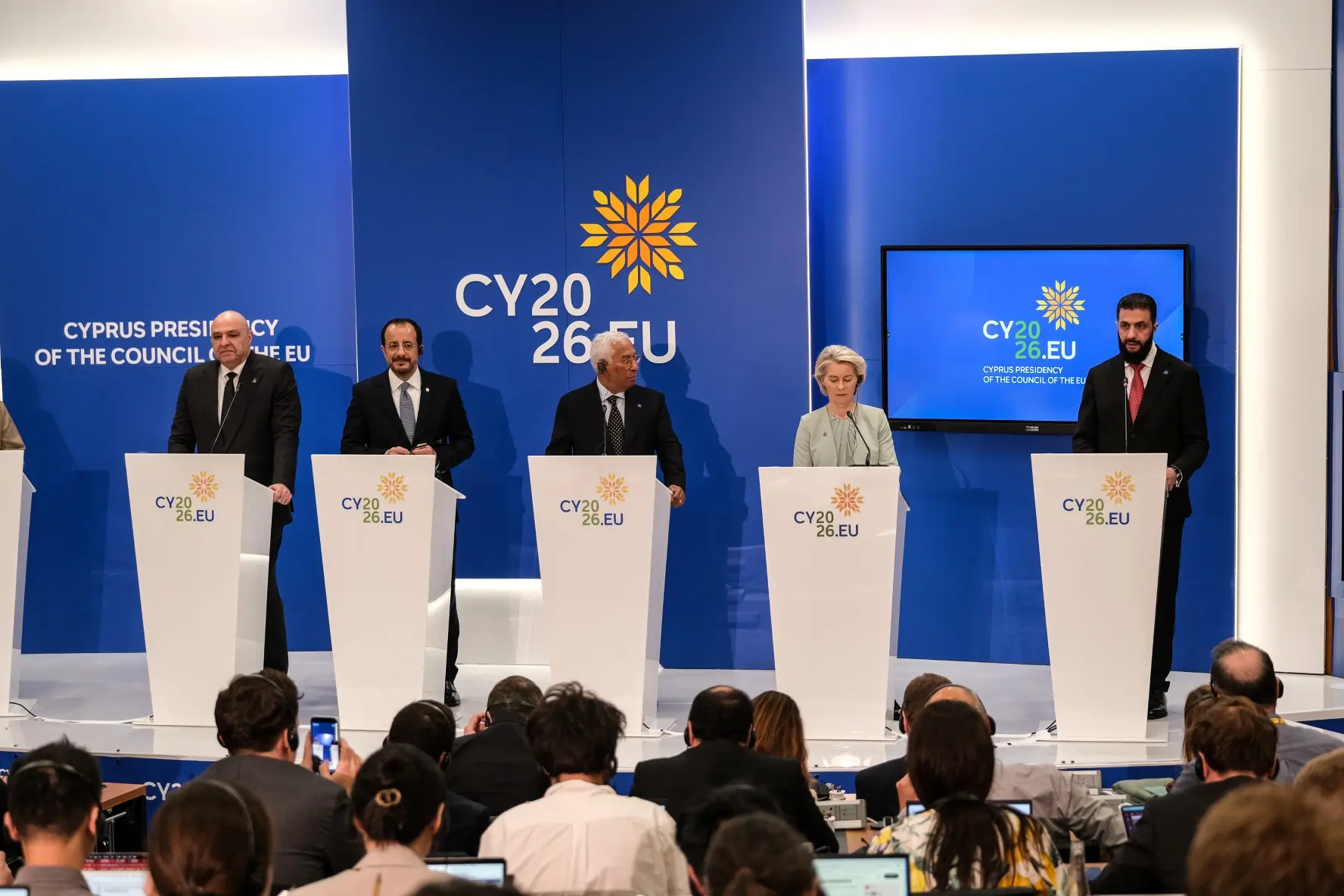
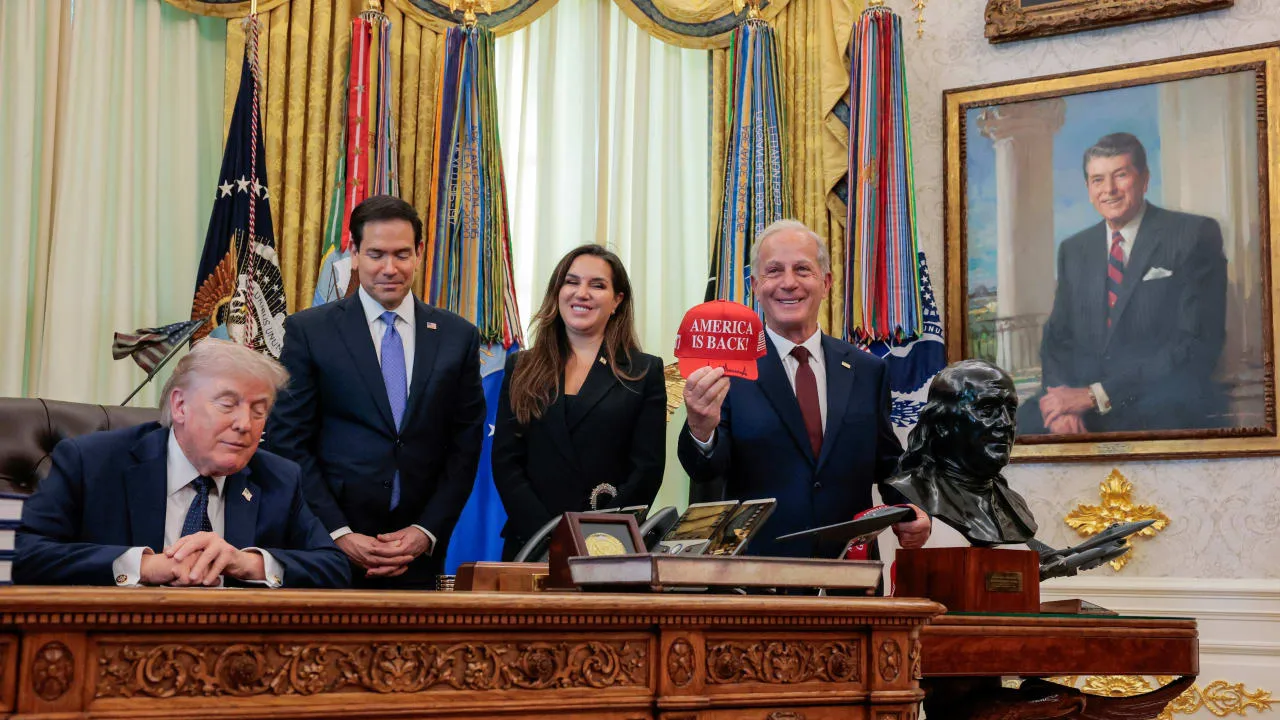
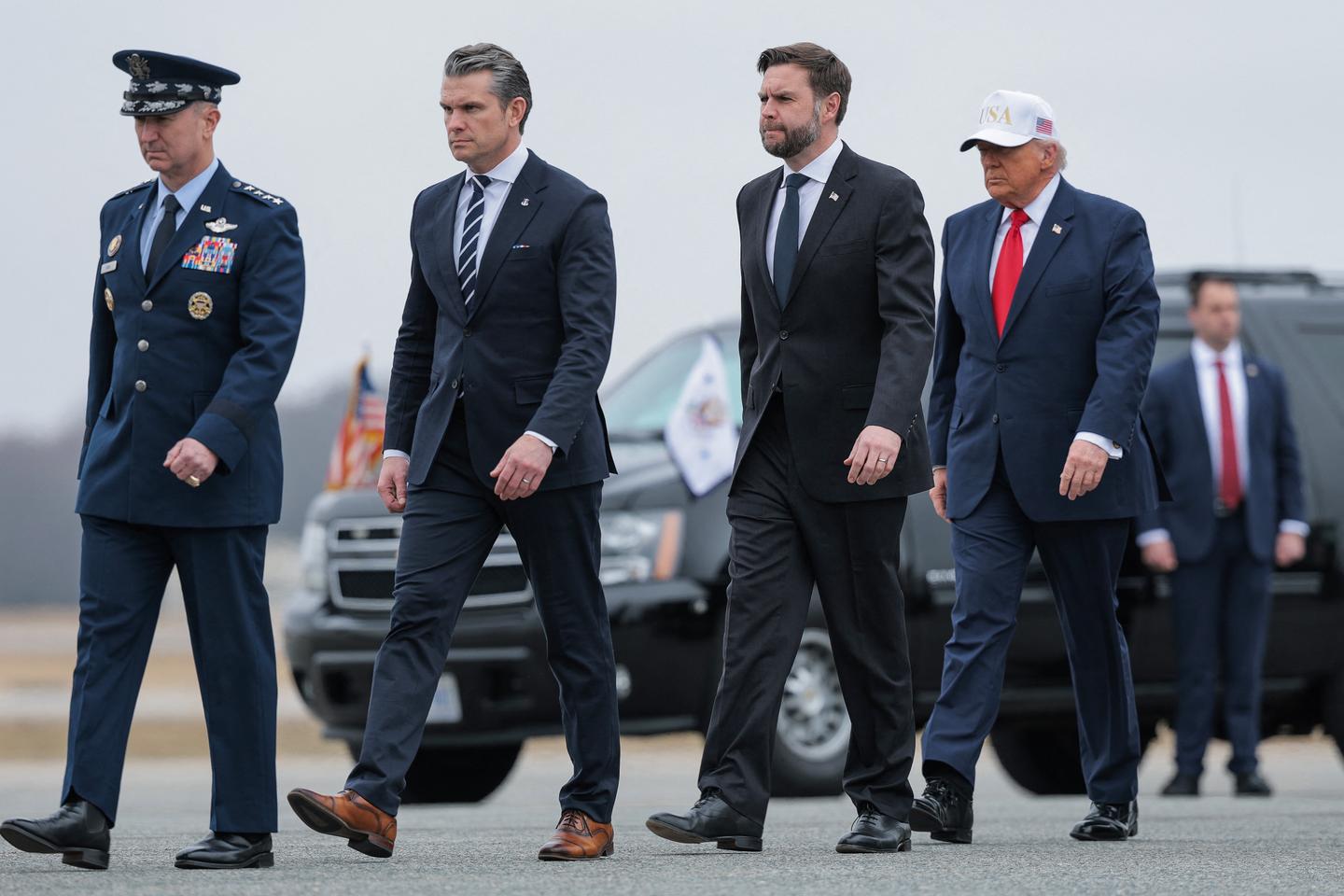
In recent decades, U.S.-European relations in the Middle East have hardly been harmonious, to say the least. But the divisions that have emerged in the past 15 months make many of the earlier disagreements seem minor in comparison. Splits over how to handle the crisis in Gaza and the war in Iran have been so great as to not only impede prospects for transatlantic cooperation in the Middle East but also to corrode the pillars of transatlantic relations more generally. Indeed, Europe’s refusal to provide more support for the Iran war has led U.S. Secretary of State Marco Rubio to announce that Washington would “reexamine the value of NATO.” This has further strained a transatlantic relationship that was already deeply damaged by unilateral U.S. tariffs, President Donald Trump’s cutoff of U.S. support to Ukraine and attempt to take over Greenland, and a deliberate U.S. strategy of “cultivating resistance to Europe’s current trajectory,” in the words of the 2026 U.S. National Security Strategy.
These are hardly propitious conditions for future U.S.-European cooperation in the region. Discrete areas of cooperation may remain possible—such as intelligence sharing, counterterrorism training and operations, maritime policing of the Red Sea, or supporting the new government in Syria. But on the big regional questions of the day—the future of Gaza and the West Bank and policy toward Iran—Europe will likely be reduced to playing a marginal role with minimal influence, even as U.S. actions in the region affect its interests. If Europe can demonstrate more unity and resolve, it may be able to enhance its role by leveraging its capacity to provide investment, humanitarian assistance, or sanctions relief in Gaza or Iran. And the United States would be wise to coordinate more closely with Europe to take advantage of that additional leverage to help deal with problems that have no easy solutions. Realistically, however—given Europe’s divisions, its dependency on Washington, and the Trump administration’s hostility—prospects for cooperation will be dim until there is a U.S. government more aligned with Europe on policy and more open to cooperation.