The U.S.-Israel war against Iran, encompassing the Persian Gulf and Lebanon, has revealed Europe at its worst. Looking ahead, it could also see Europe at its best.
Europe’s initial miscalculation
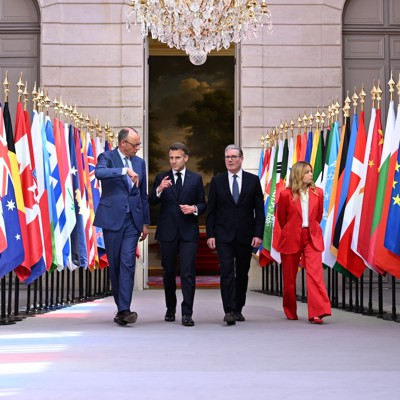
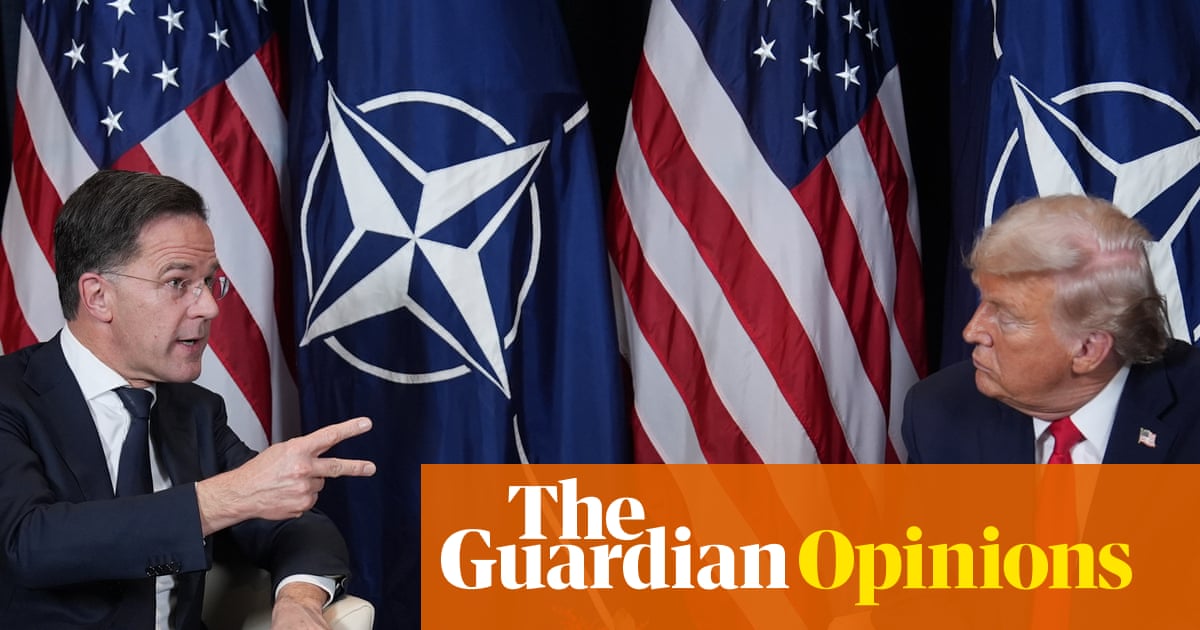
Initially, most European leaders were silently supportive of the illegal U.S. and Israeli attack against Iran. Only a few voiced explicit backing, chief among them NATO Secretary General Mark Rutte. At the other extreme, Spanish Prime Minister Pedro Sánchez was a lone voice of principled opposition. The majority of European leaders stood somewhere in between, tilting more toward a tacit embrace of the war.
While positions varied in nuance—including over the use of military bases in Europe—a critical mass of European countries broadly agreed at the war’s beginning. Their wish to turn the page on the most acute phase of the transatlantic rupture—especially after the Greenland crisis—shaped their initial stance. So too did their fully justified disdain for the Islamic Republic of Iran, which is allied with Vladimir Putin’s Russia and brutal toward its own people. Together, these factors foolishly swayed them into hoping—and mistakenly believing—that a short war might bring about the Islamic Republic’s fall.