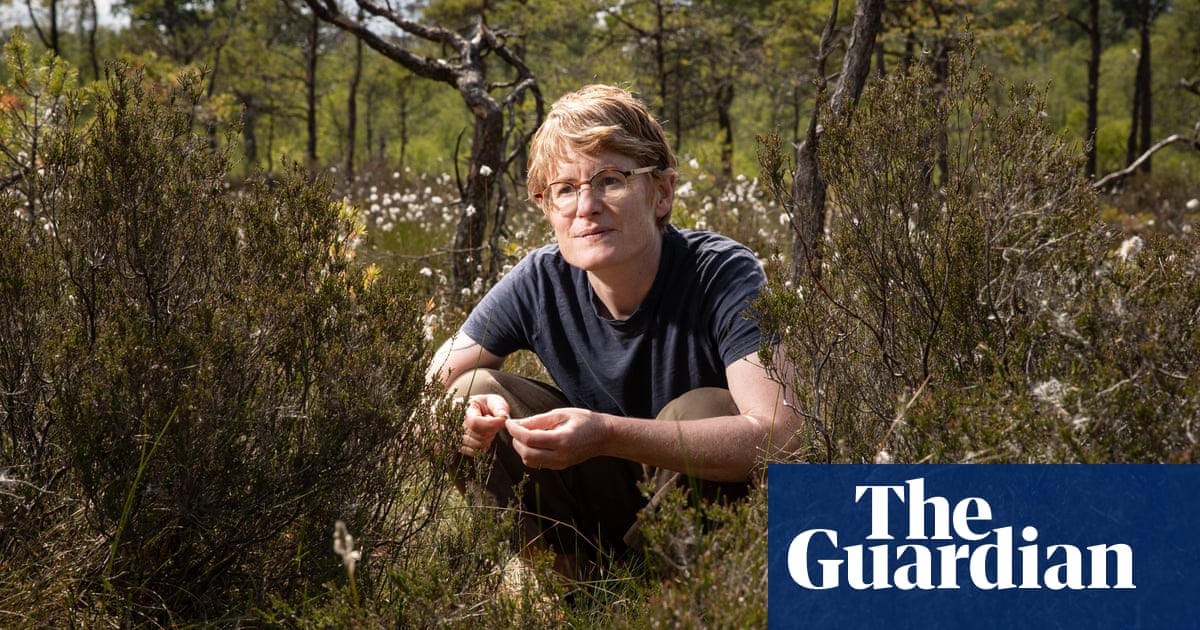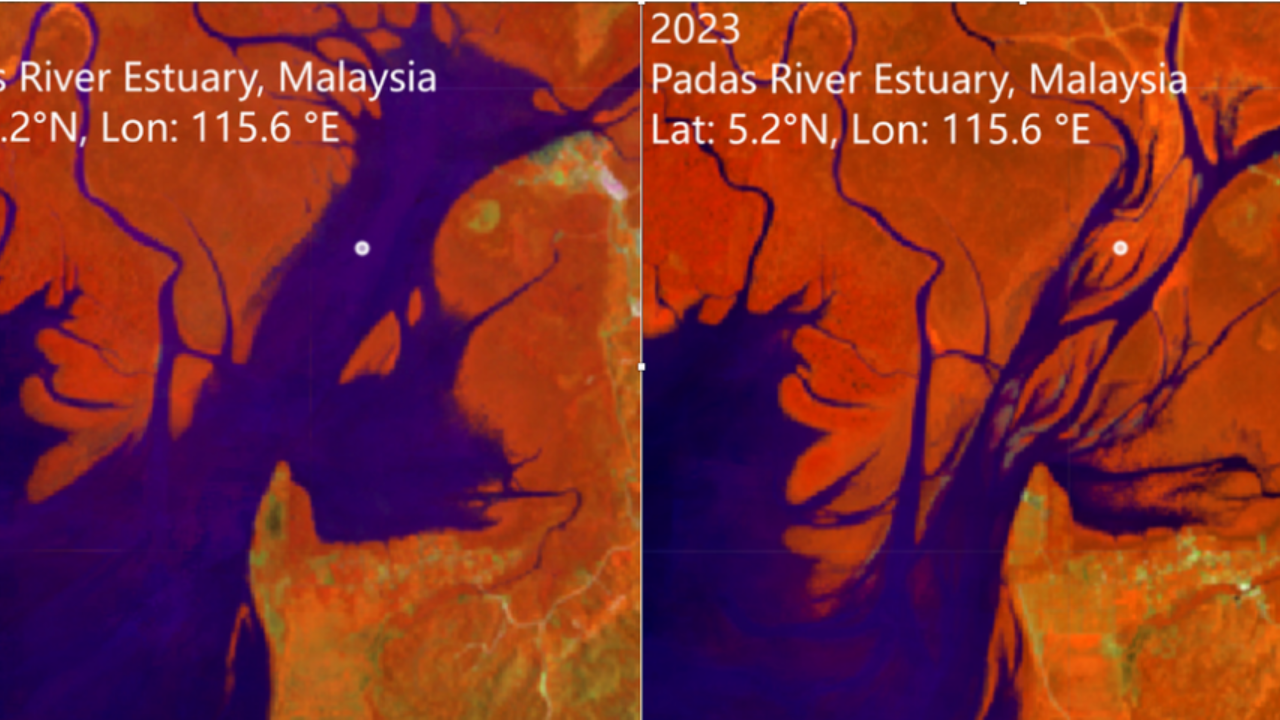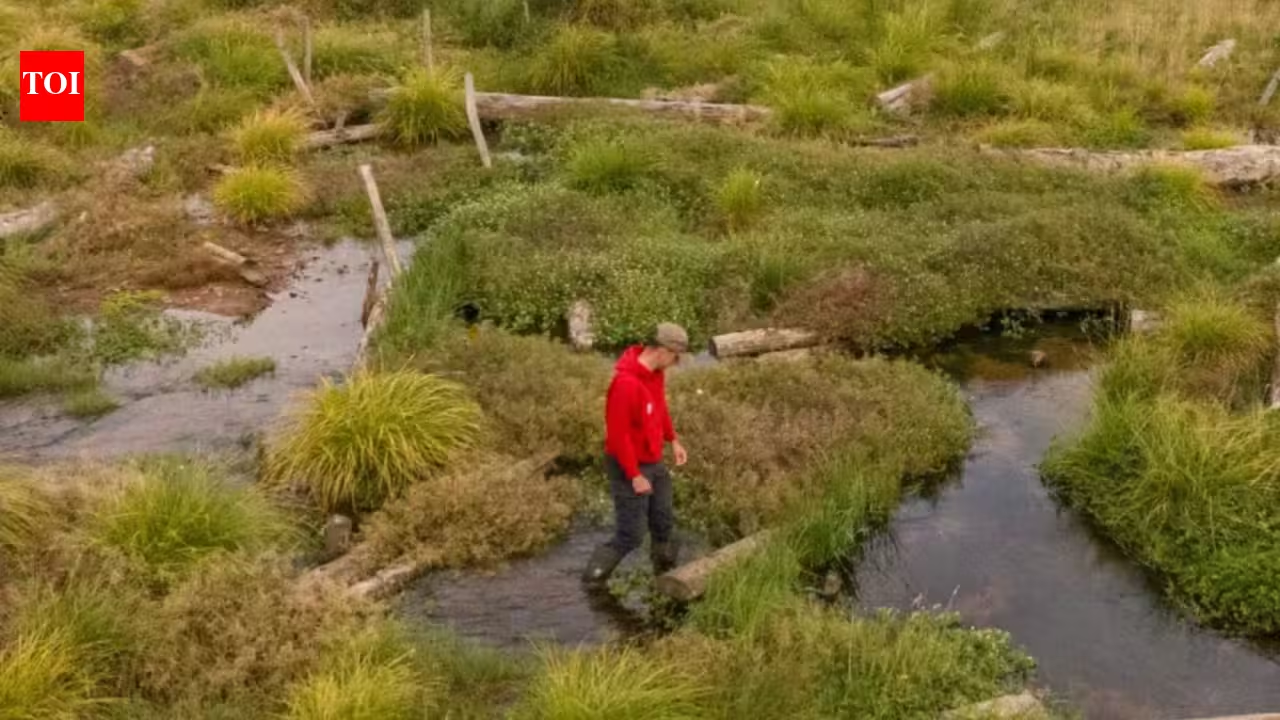
Dr Tom Worthington is an expert on coastal ecosystems. His data underlies billion-pound initiatives to save our natural world.
You’re in a dense, murky forest. A sound rises in the distance: almost like wind rushing through leaves, but not quite. It only makes sense when water laps at your feet. The tide is coming in, bringing with it small fish that dart between the tree roots. Your eyes pick out a striped trunk that appears to be moving. With a sharp breath, you recognise the flank of a Bengal Tiger.
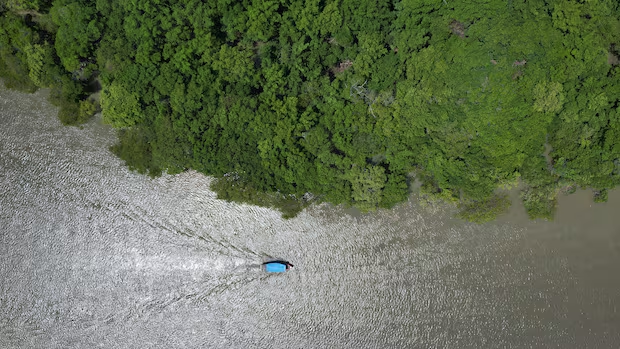
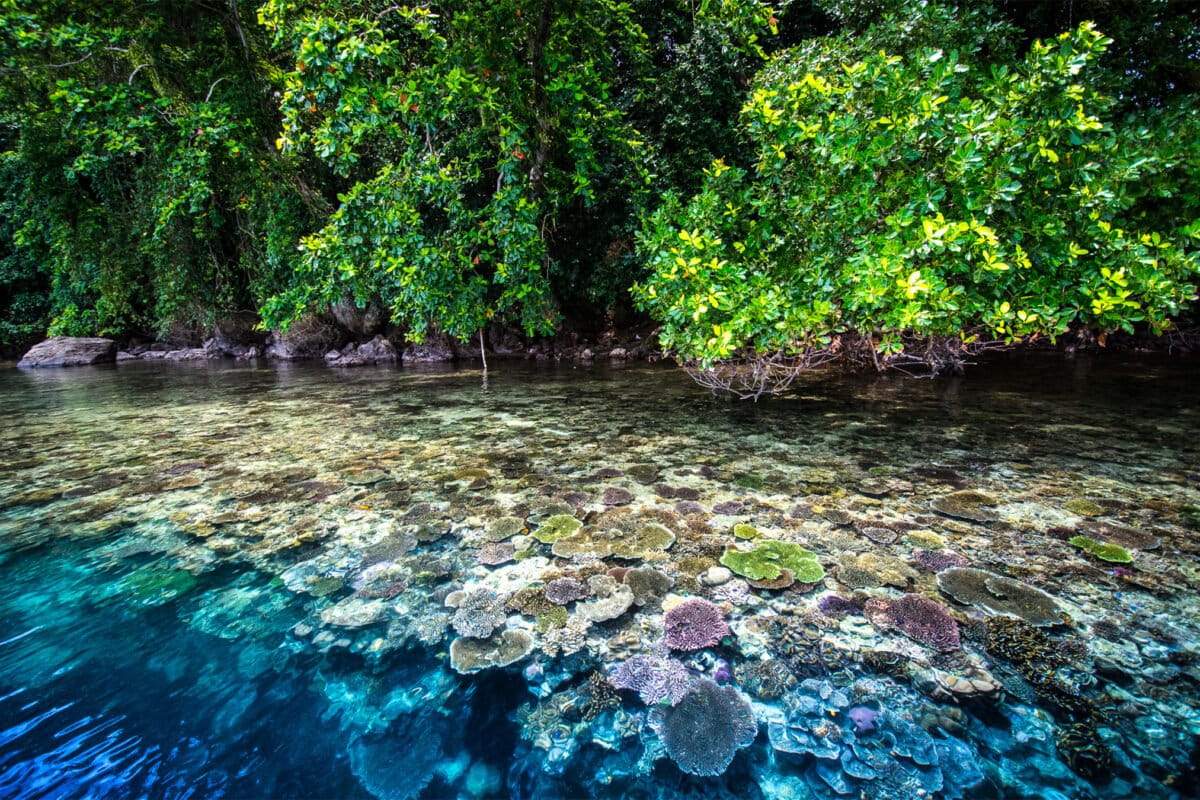
Mangroves are the mysterious broker between land and ocean. They survive in soil flooded with saltwater and withstand the battering of waves. Their roots knit together the sediment beneath, softening the effects of erosion. They support over 700 billion juvenile fish and invertebrates as well as tigers in the Sundarbans, a mangrove forest crossing India and Bangladesh.
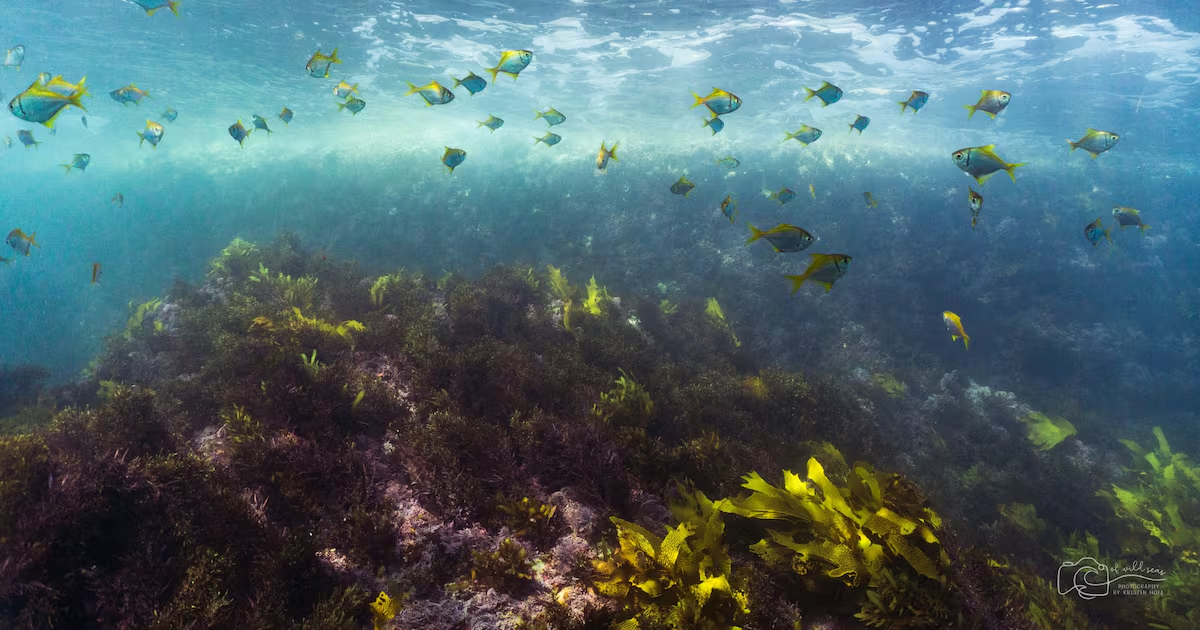
Coastal ecosystems like these sustain fisheries, protect the shore against storm surges, and reduce flooding on our frontlines. What’s more, they store a surprisingly huge amount of carbon.
Until recently, scientists worried that mangroves were declining so rapidly that they would disappear from some regions. But in a victory for conservation, the most recent data shows that worldwide mangrove decline is stabilising.