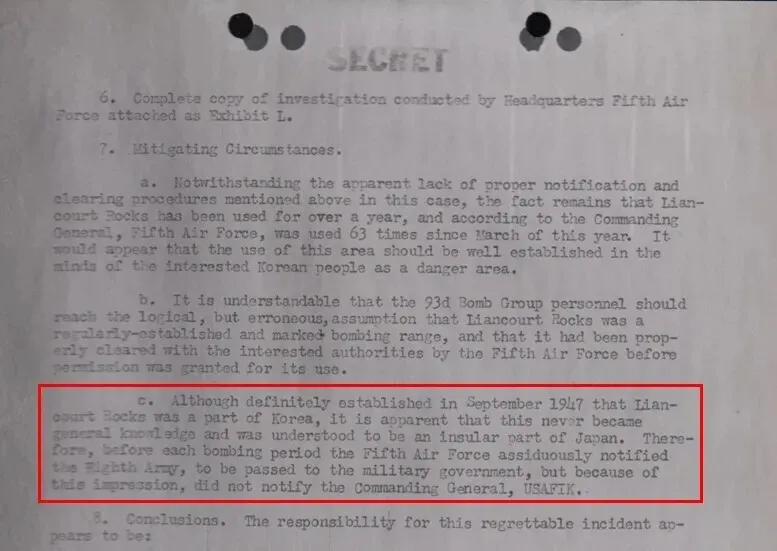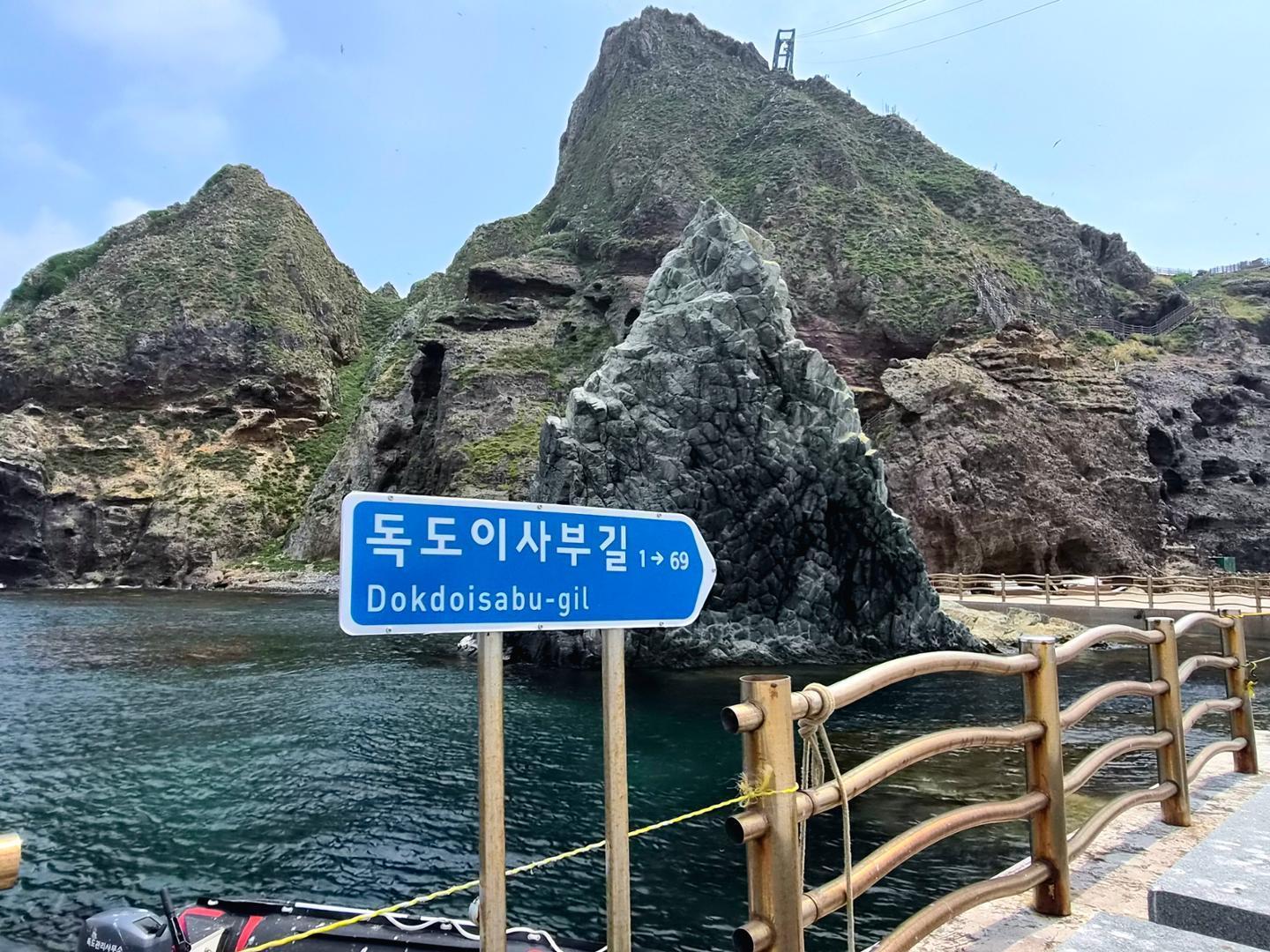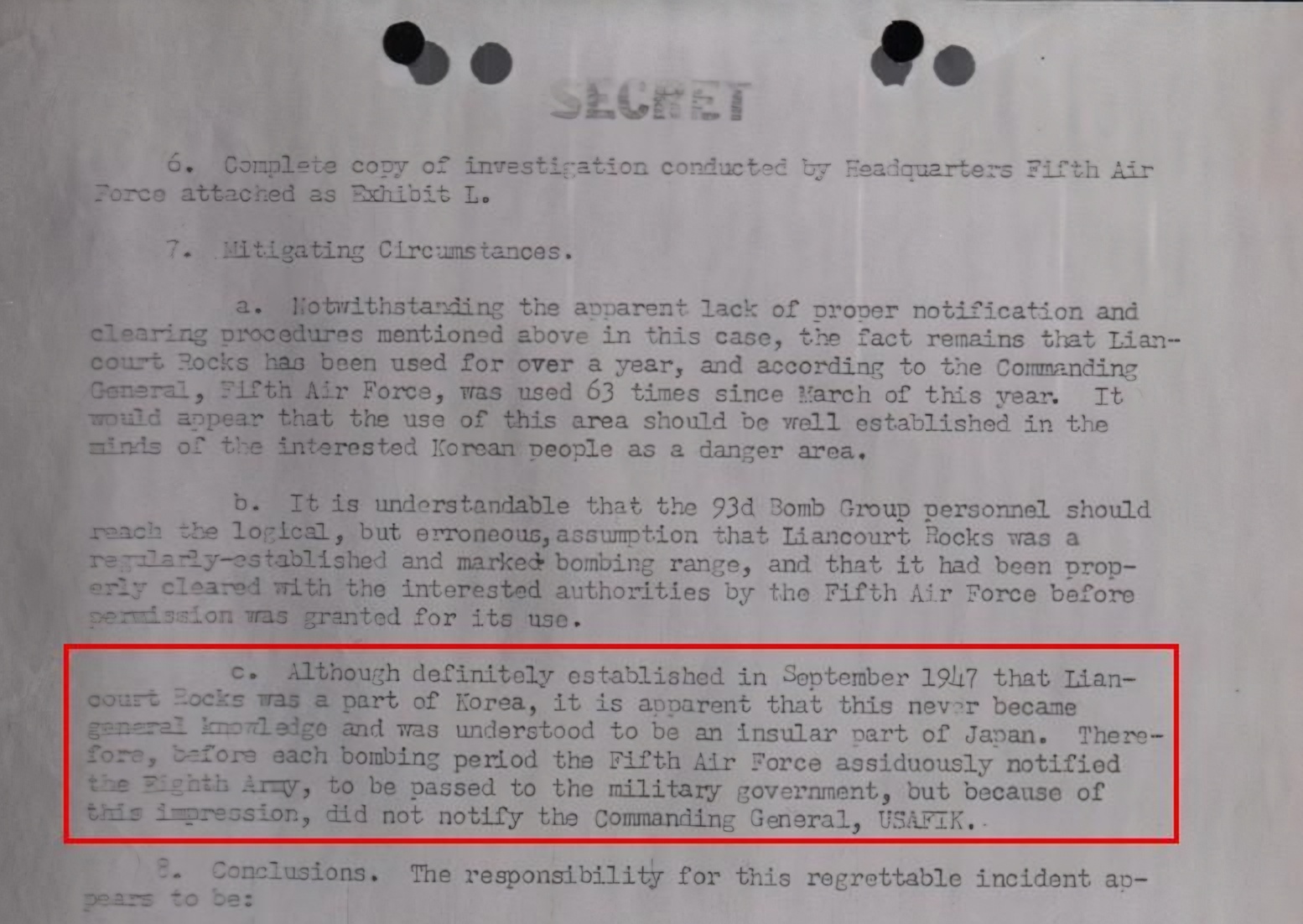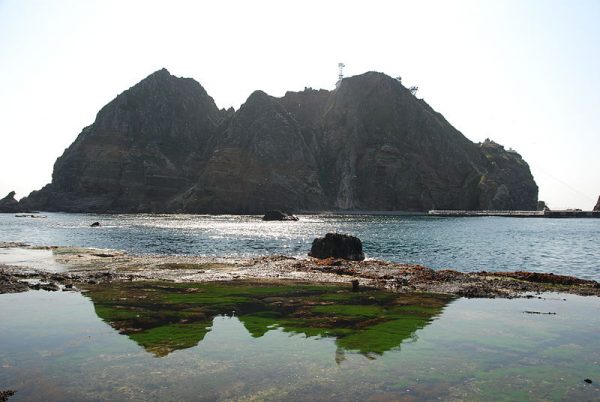
The Liancourt Rocks, known to Koreans as Dokdo, and to Japanese as Takeshima, are a pair of lonely, wind-swept volcanic islets in the waters between the Korean Peninsula and Japan. For decades, the territorial dispute between Seoul and Tokyo over these rocks played out through official statements and government posturing. But for South Koreans, Dokdo has never been just territory. It is a potent symbol of national liberation and the final clearing of the shadow cast by the Japanese colonial occupation (1910–1945). And today, that symbolism is no longer confined to state narratives – it is spreading across algorithmic feeds on TikTok and Instagram.
If you scroll through the “DokdoKorea” accounts across social media, you won’t find grainy archival footage or government-sponsored documentaries. Instead, you are met with the polished aesthetic of K-Pop. One particular track – mimicking the Oscar-winning song “Golden” – has already amassed over a million views on YouTube alone. The vocals are flawless, the hook is infectious, and synced perfectly with the high-energy beat.
But there is a twist: none of it is real. The singer doesn’t exist, the melody was composed in seconds, and the lyrics – rich with specific dates from 6th-century chronicles – were synthesized by artificial intelligence. This is the perfect example of digital nationalism with the usage of AI.