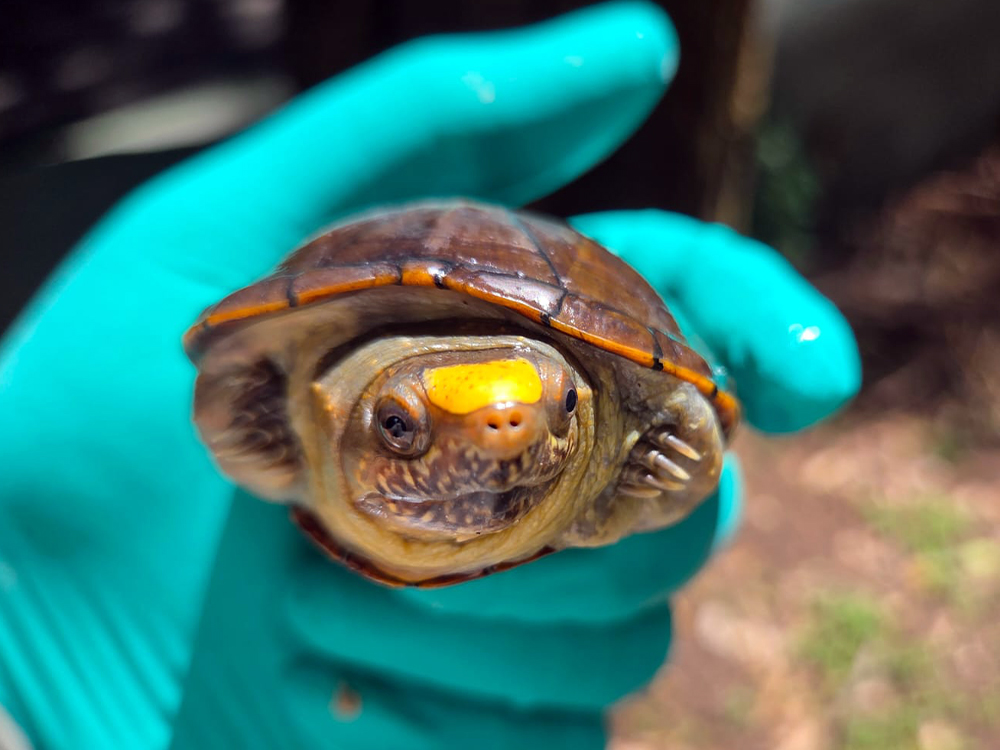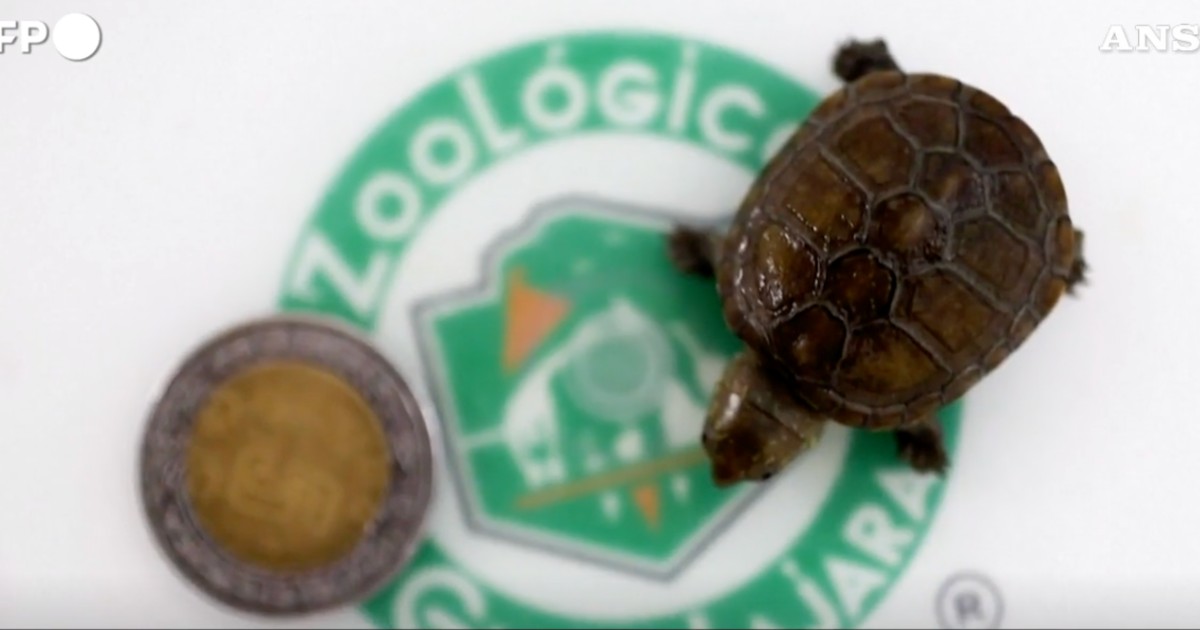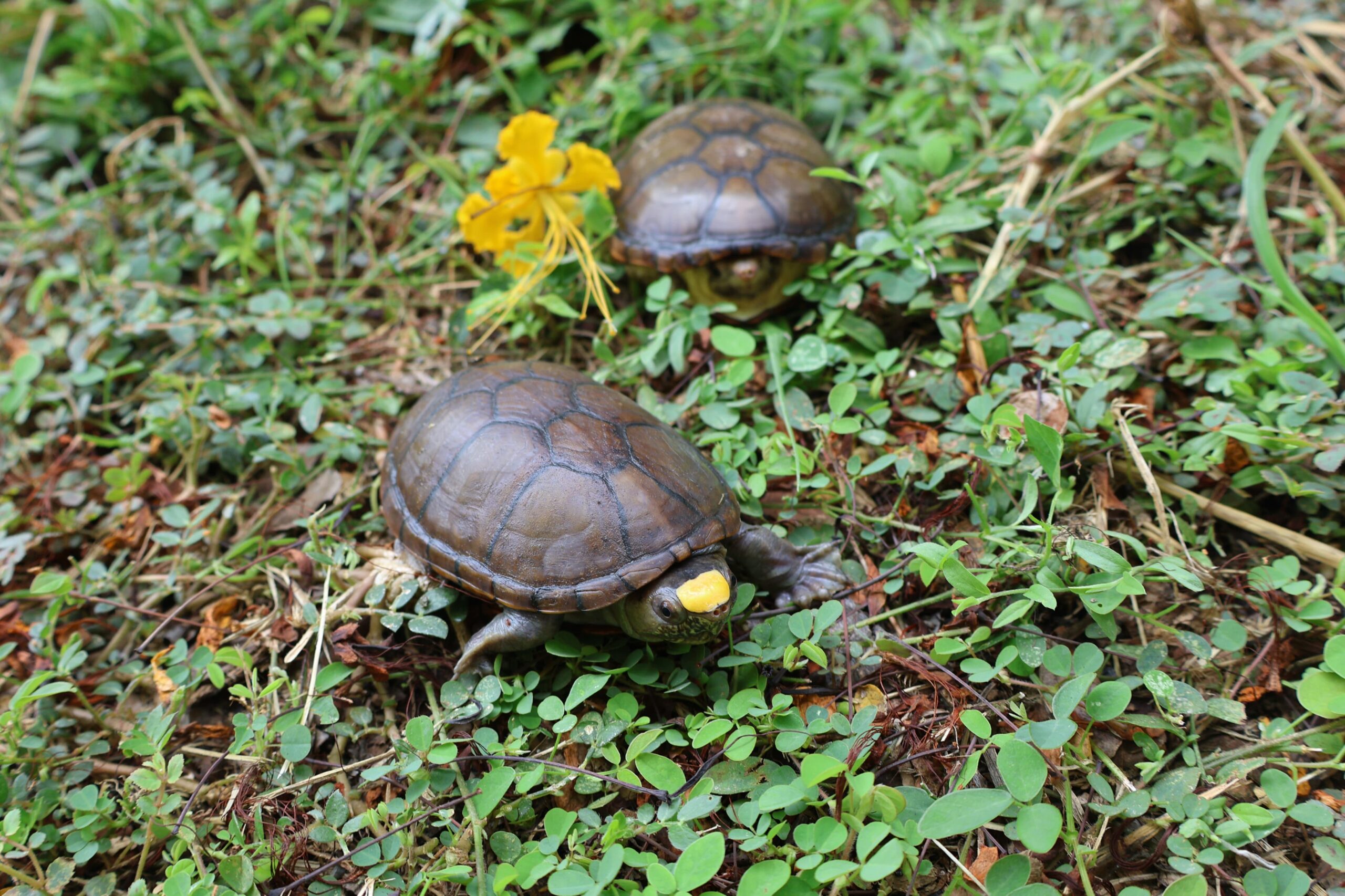
The Vallarta mud turtle, the world’s smallest turtle, lives only in temporary lagoons in the Mexican city of Puerto Vallarta, which poses a huge challenge for its conservation.By the time scientists had determined they were a distinct species, just 1,000 turtles remained; since then, their number has dropped to 300.A key driver of this decline is the illegal pet trade, with an estimated 200 turtles smuggled to China this year alone, according to experts.Even though the turtle is listed as critically endangered, Mexican authorities have been slow to implement measures to protect it or its habitat, which is being lost to tourism developments.
It sounds like a scene out of the Ocean’s series of heist movies. Only this one didn’t happen in Las Vegas, but at a Mexican university campus surrounded by lush tropical vegetation. And it wasn’t about taking on a casino, but stealing valuable turtles. Armando Escobedo Galván, a biologist at Centro Universitario de la Costa (CUC) in Puerto Vallarta, on Mexico’s Pacific Coast, says he’s still startled about how the thieves tricked him last December.
“Two people arrived at my office,” he recounts, “wearing uniforms of the environmental prosecutor’s office,” a federal agency known as PROFEPA. They said they were there for an inspection of his turtle program, asked for his permits, and cited corresponding laws. Everything during the two-hour procedure seemed completely normal. Then they asked to see the laboratory where the turtles were kept for scientific research: a climate-controlled container, secured with a padlock.