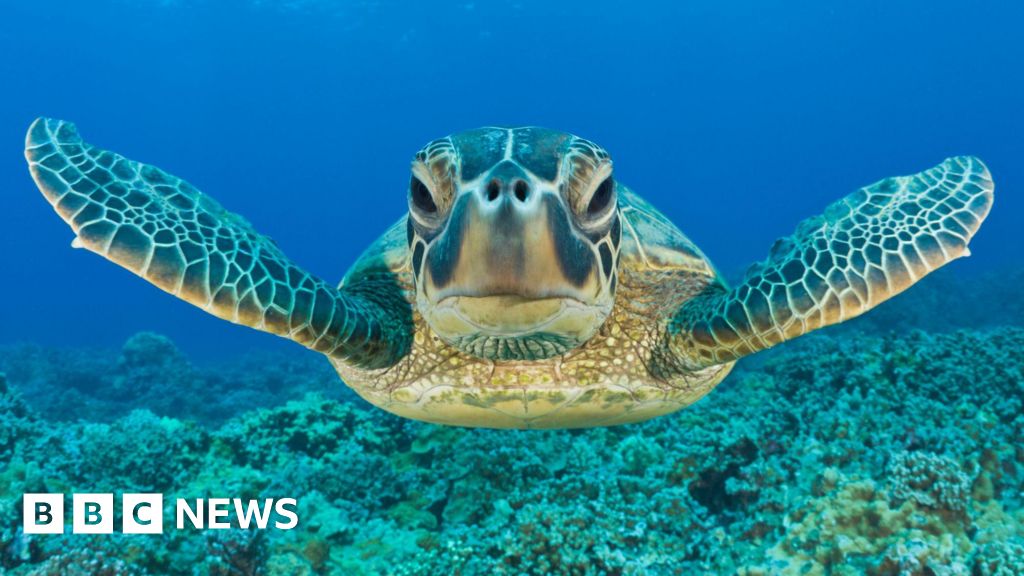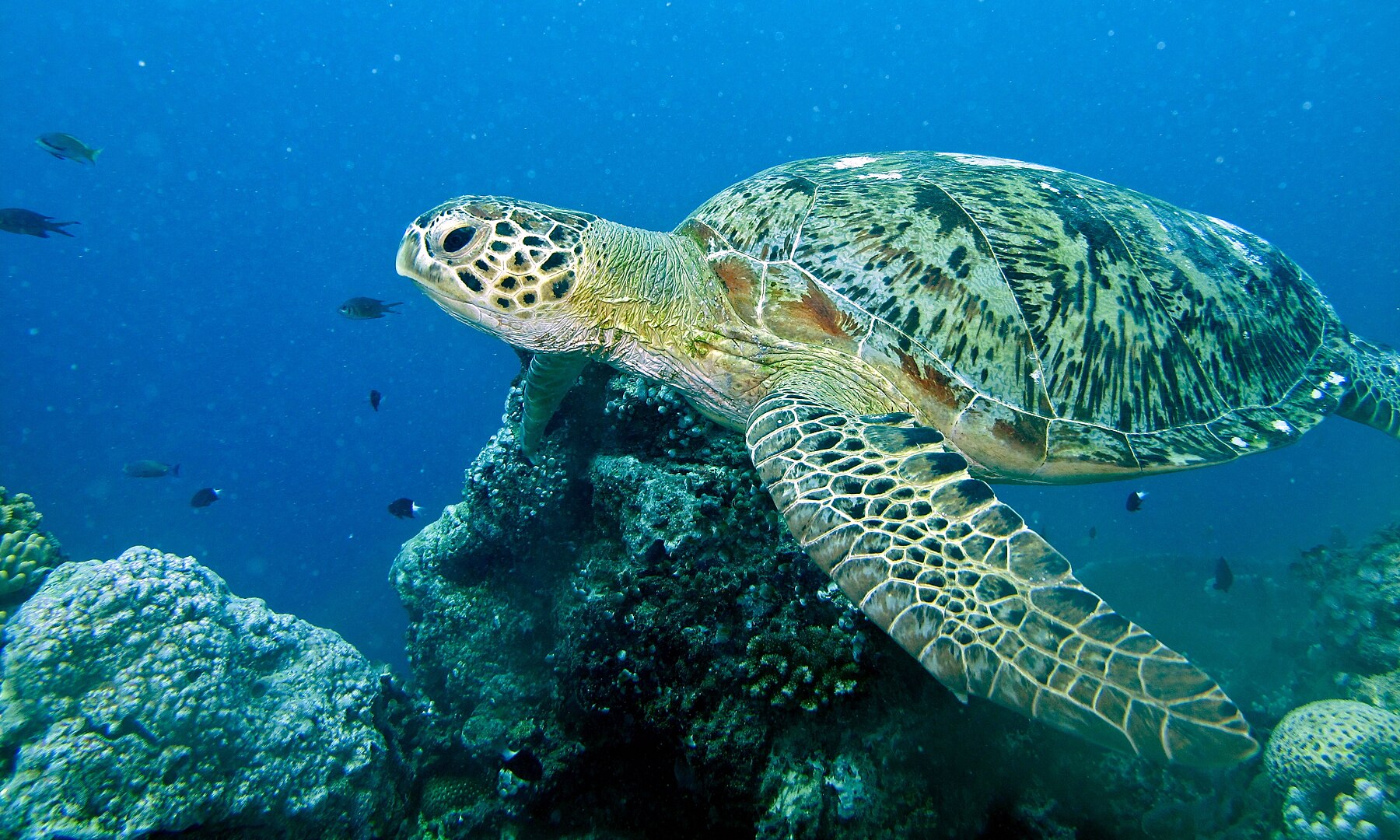
The green turtle, found across the world’s oceans, is recovering after decades of decline, according to the latest IUCN Red List assessment. The species has been reclassified from endangered to least concern.
“I am delighted,” Brendan Godley, a turtle expert from the University of Exeter, U.K., told Mongabay. “It underlines that marine conservation can work, there is hope, and we should rightly celebrate it, sharing some ocean optimism.”
Historically, humans hunted green turtles (Chelonia mydas) for their meat and eggs, decimating their populations. Even after hunting declined, the species continued to suffer: from entanglement in fishing nets, degradation of nesting beaches and ocean habitats, pollution, diseases, and climate change.
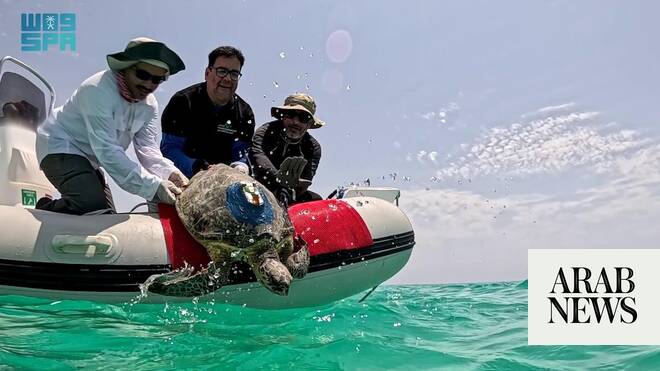
However, the global population has increased by roughly 28% since the 1970s, following decades of conservation efforts. This is largely thanks to legal protections against international trade and direct hunting, and conservation measures including those that protect nesting beaches and the use of turtle excluder devices to keep them from getting entangled in fishing gear.
The latest assessment, however, cautions that while populations have increased as a whole worldwide, regional assessments show that several subpopulations are still threatened or declining. For example, subpopulations in the North Indian Ocean are classified as vulnerable, while those in Central South Pacific are listed as endangered. Subpopulations in the North Atlantic are listed as least concern, but are showing signs of decline.