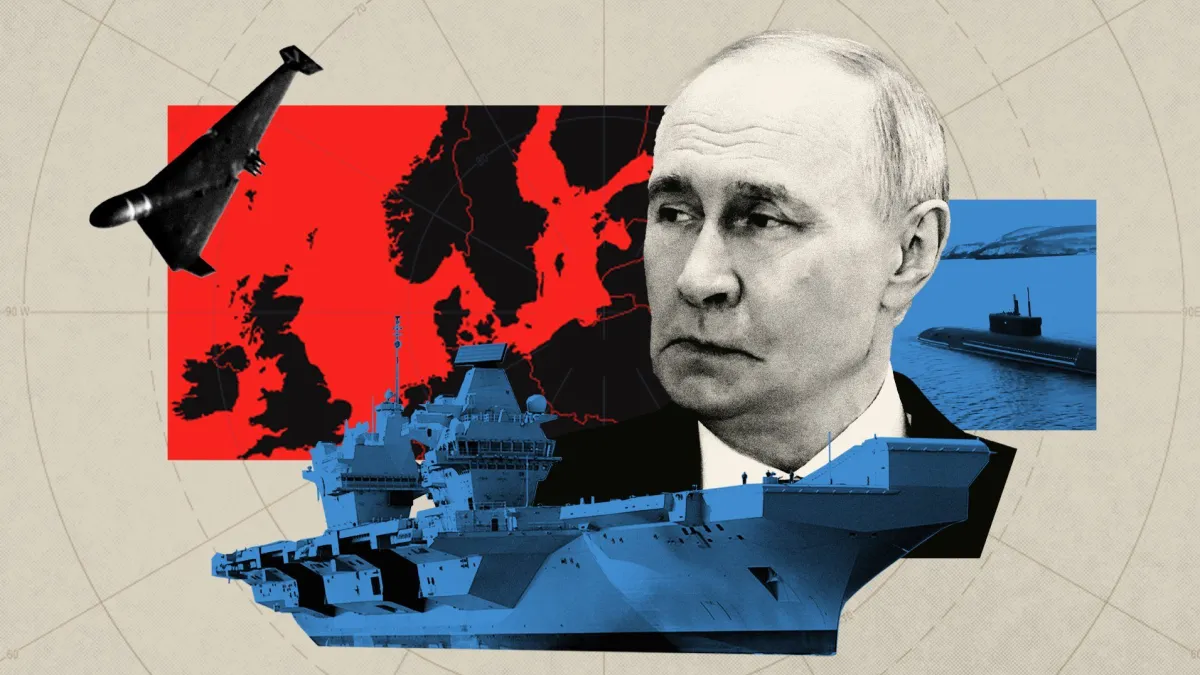
In the last 20 or 25 years, there has been a much greater understanding that a country’s ‘national security’ encompasses much more than the traditional duality of diplomacy and military power. Trade routes, public infrastructure, energy supplies and societal cohesion are all at play in terms of assessing threats and designing ways of defending against them.
One key issue to emerge has been the concept of resilience: how well-prepared is Britain? What risk mitigation have we undertaken? How would we respond to a sustained conflict? What is the public mood? At the beginning of the year, the House of Lords appointed a select committee on national resilience, chaired by former adviser on corporate responsibility and self-regulation Baroness Coussins, to report on the subject by November.
This week, the committee heard from three senior figures from the Ministry of Defence (MoD): Lieutenant General Sir Charles Collins, Deputy Chief of the Defence Staff (Military Strategy and Operations); Lieutenant General Paul Griffiths, Commander, Standing Joint Command; and Damian Johnson, Director of Home Defence and Strategic Threats at the MoD.
It all adds up to wishful thinking
They had a detailed if sombre story of meticulous preparation to tell. The MoD has a four-part strategy called ‘Fortitude’ to deal with hostile action on and against UK home soil. One of the elements sets out how military and civilian personnel will be involved in reacting to any attack on Britain. The regular armed forces would be expanded, the volunteer reserves would be mobilised and civilians would be encouraged to contribute where necessary to the defence of the realm. Griffiths explained: