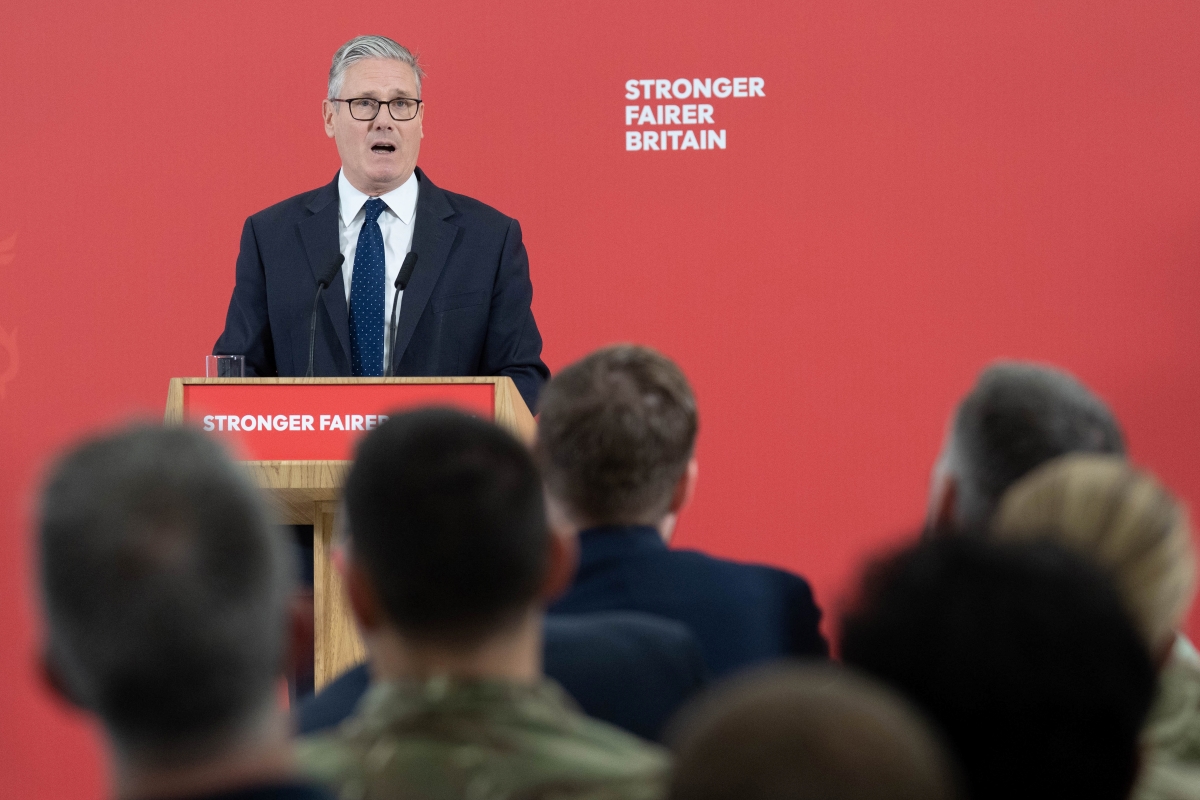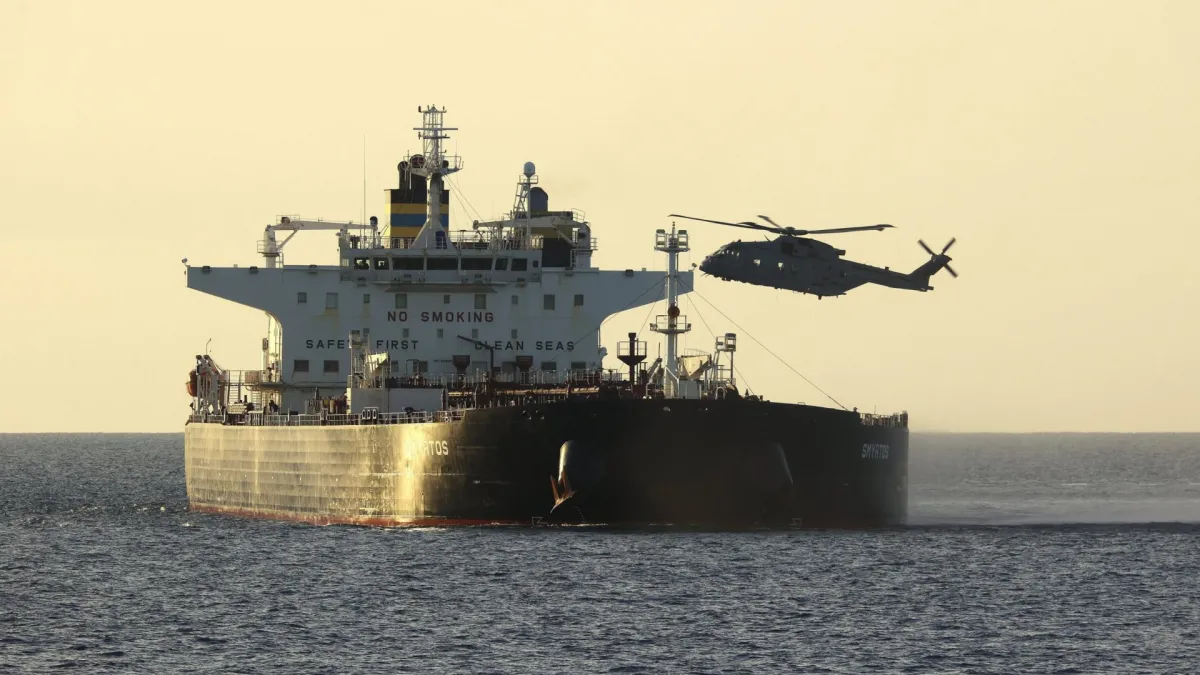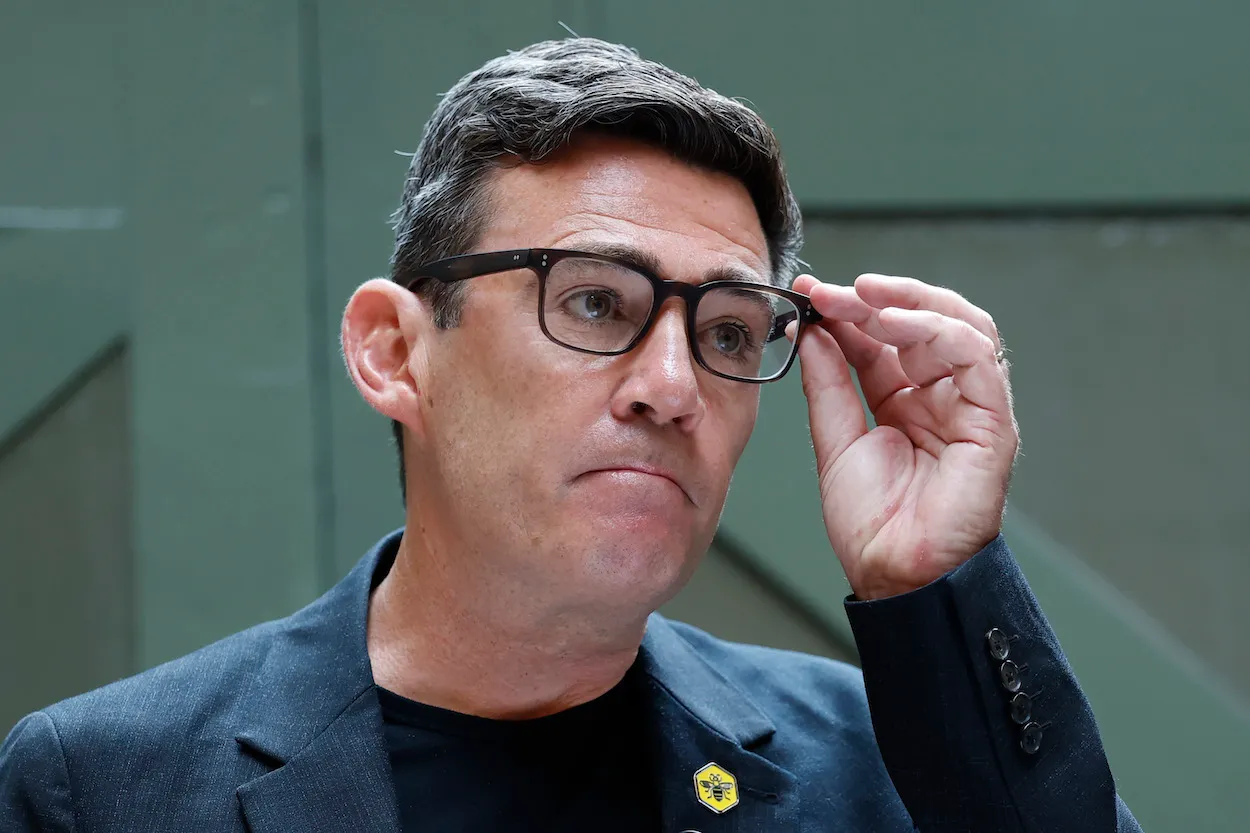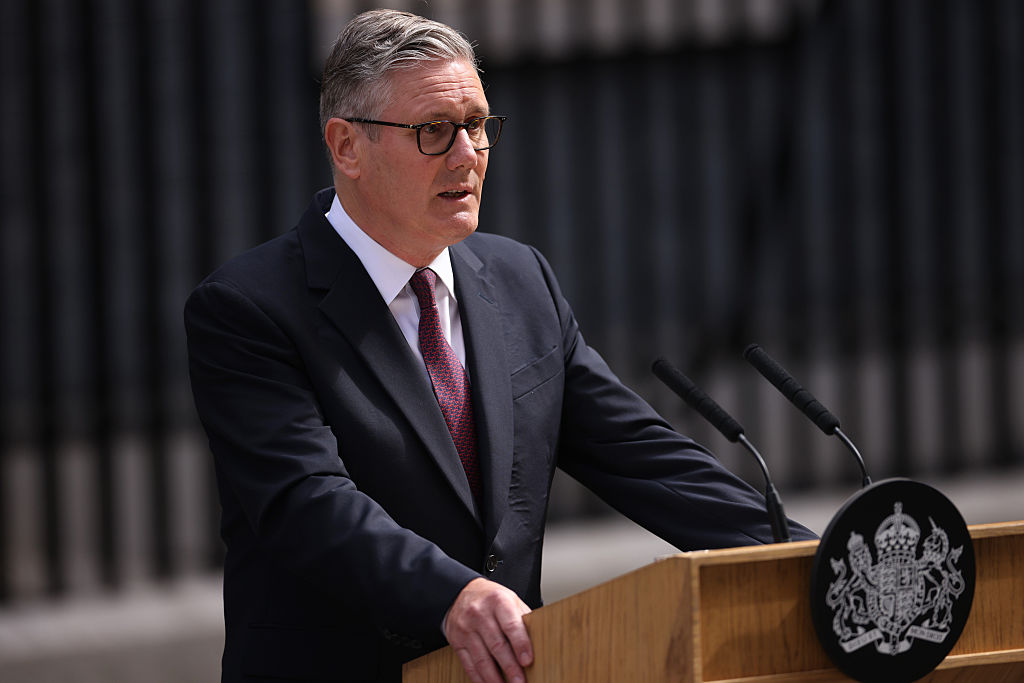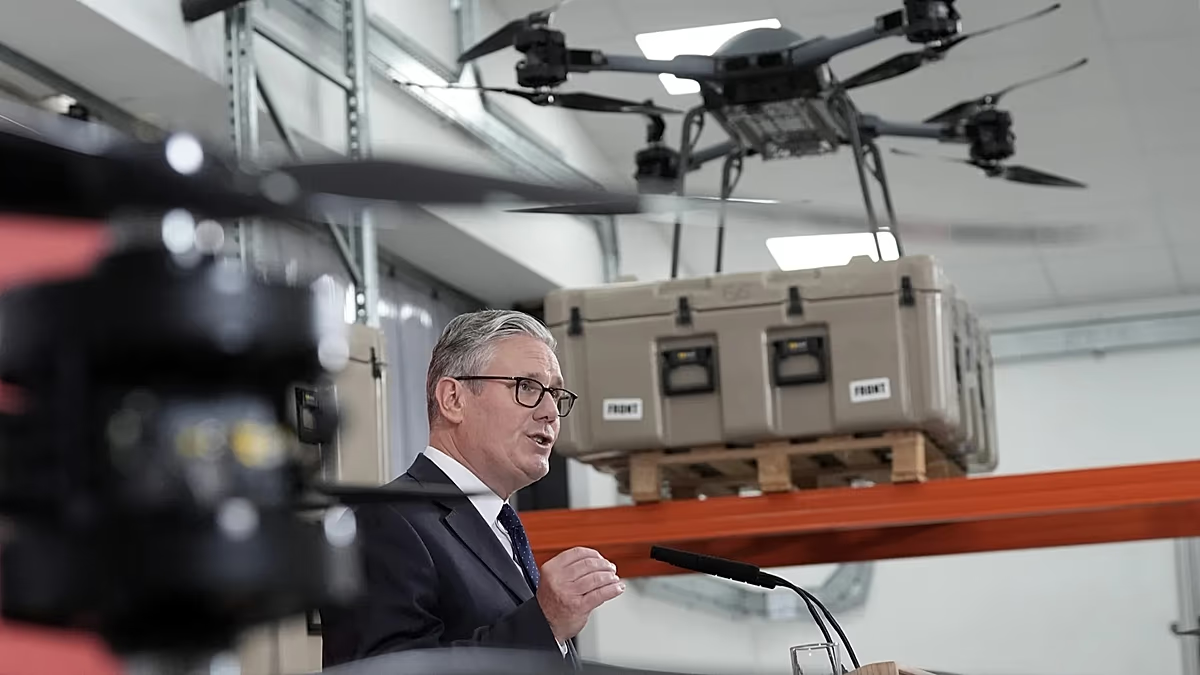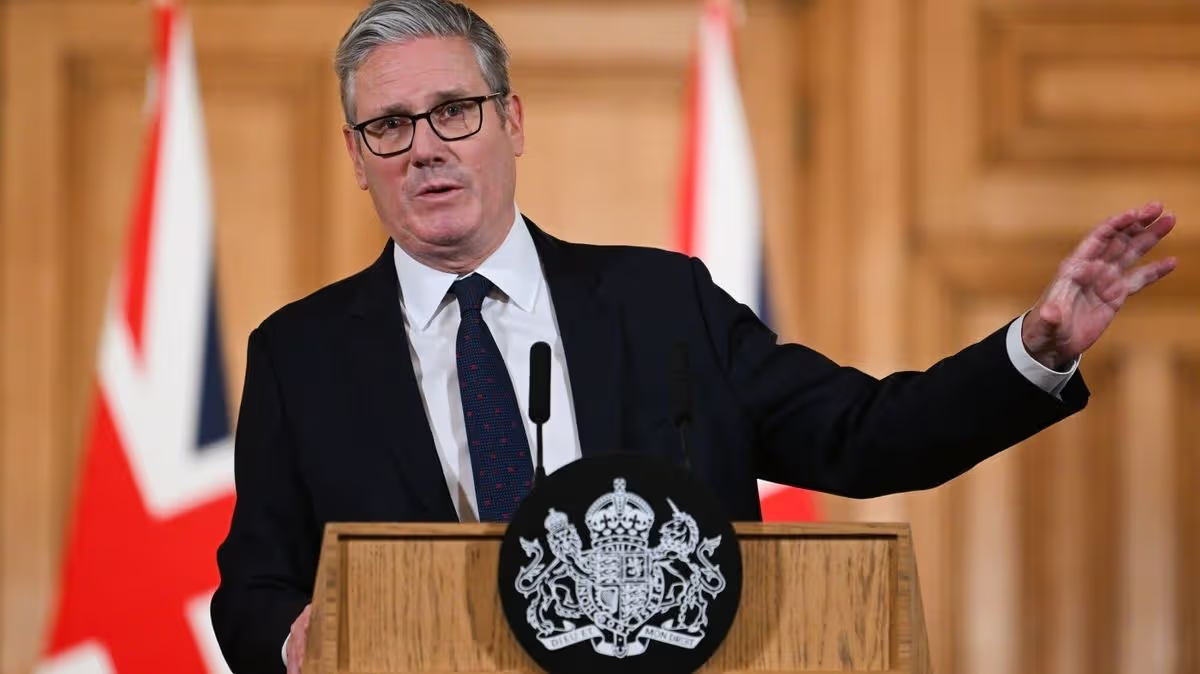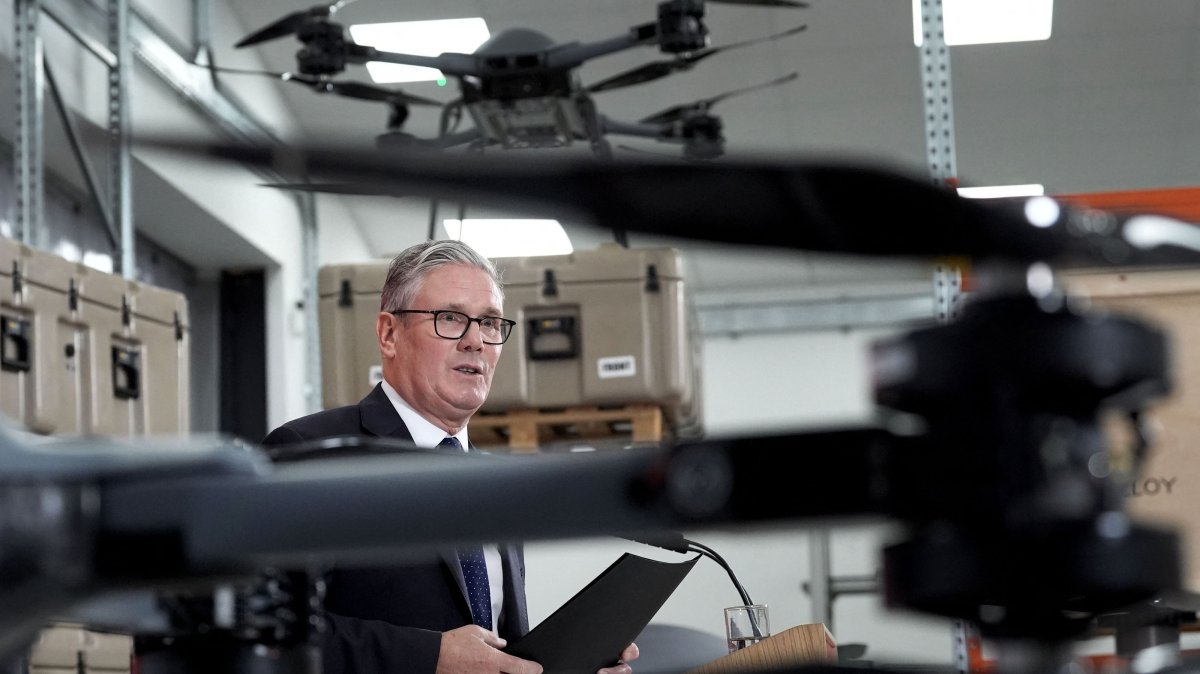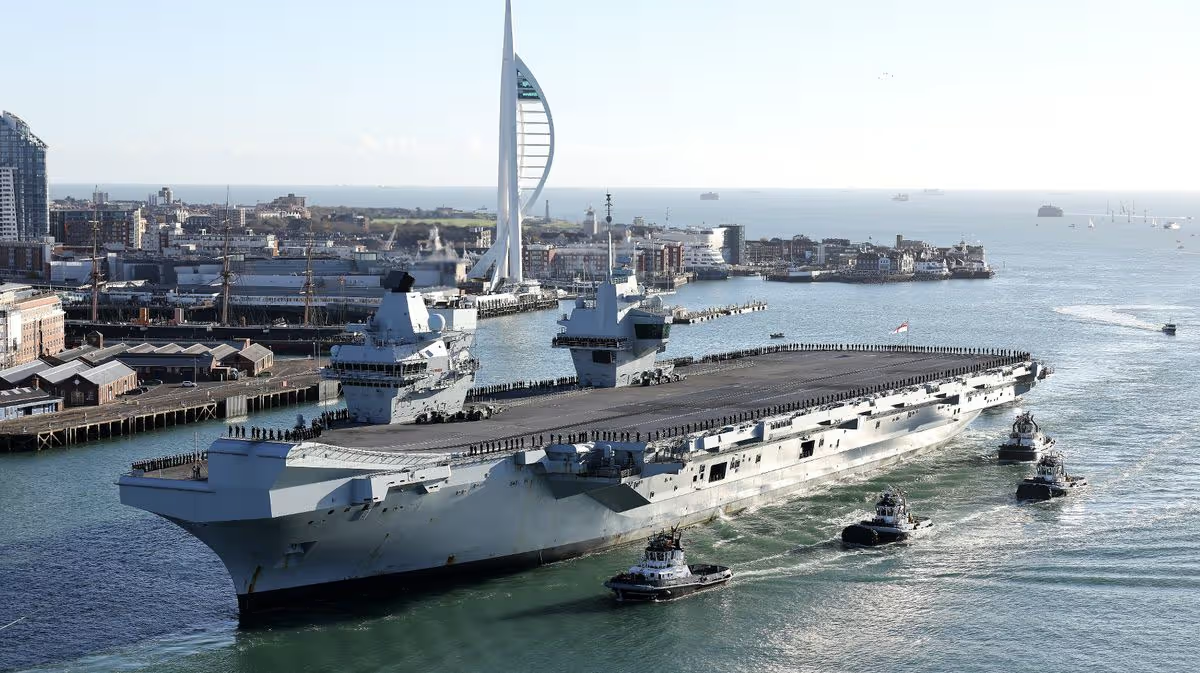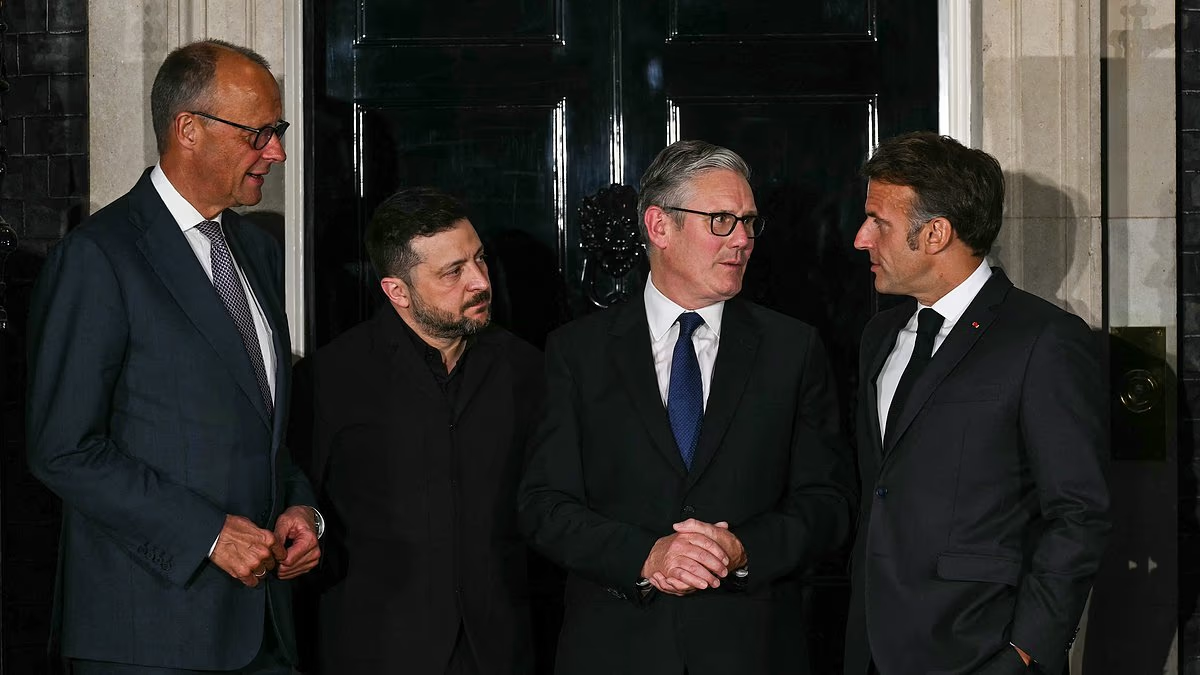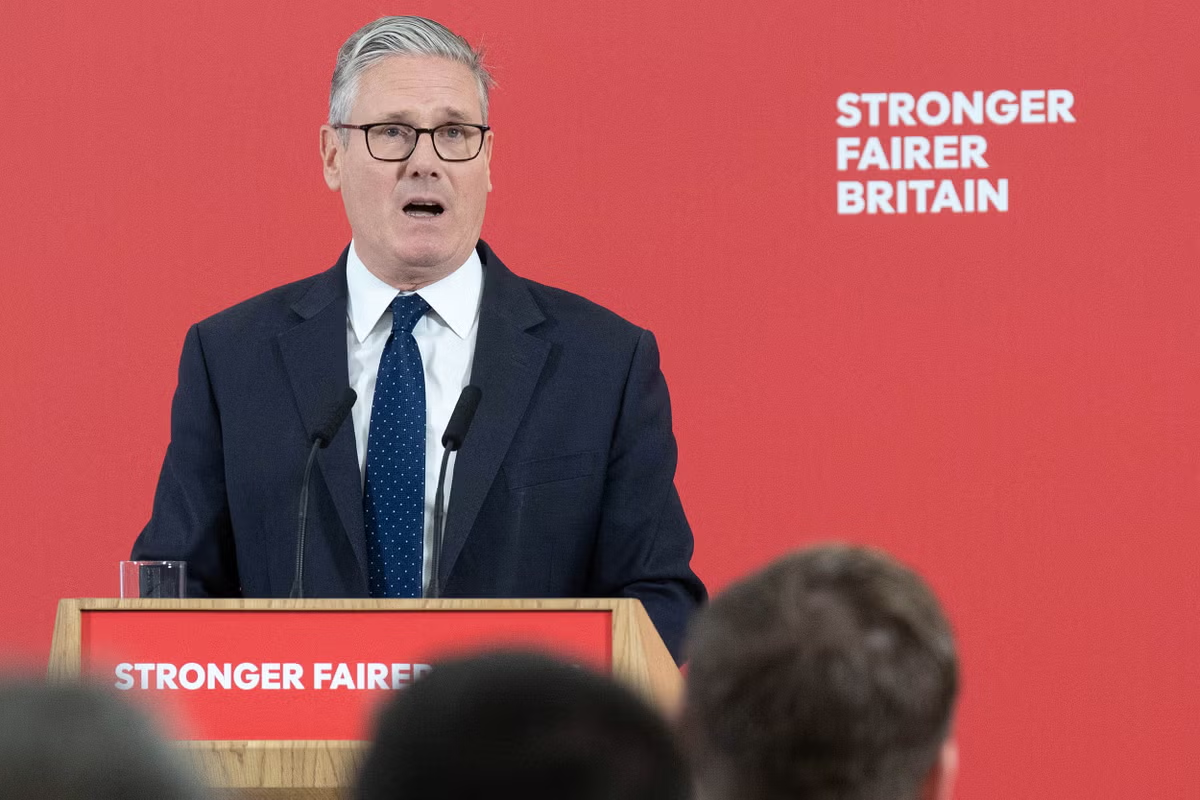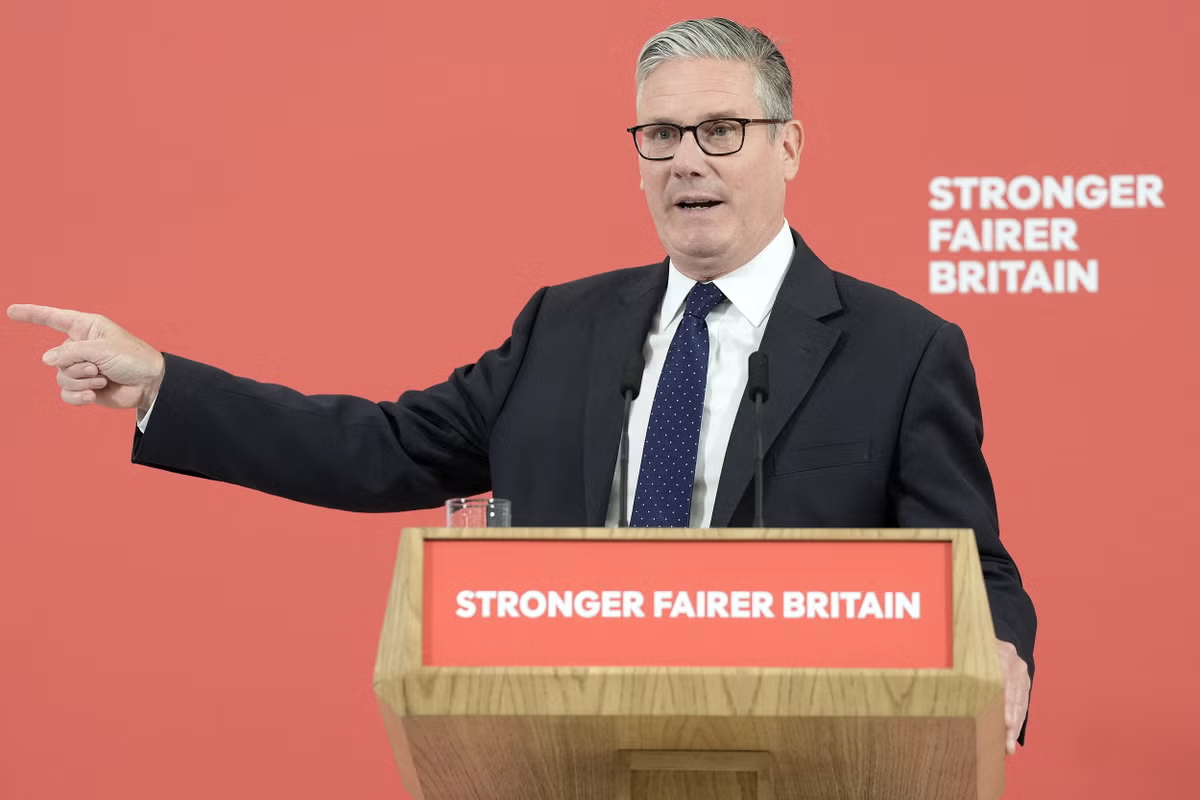
So, a year and four months after the formal process of drawing up a plan about how to spend extra defence cash, the Defence Investment Plan (DIP), this is what we get? A 70 (ish)-page document which spends a lot of time boasting about programmes and projects that were ordered over the past one to two years, re-announcing programmes and initiatives. Some vague promises about cash. And on top of this, some deliberate obfuscation about what is being spent. As others have noticed, the “boast” of, “nearly £300bn in funding over next four years to transform the UK military with cutting edge equipment” (Ministry of Defence press release…) isn’t what it seems – it is the total defence budget over the next four years, not what will be spent on equipment and new systems, let alone what will be spent extra. If your message is so good, why do you feel that you have to fudge and obscure the exact facts and figures? And the opacity about the exact nature of many of the cash figures runs right through the DIP statements – is Figure A extra cash, or just the normal budget? Smoke and mirrors rule here. And the UK’s allies see this; they understand this, and they lose confidence in the UK as a defence ally. The defence plan announced today will be one of the last big announcements of Keir Starmer’s time as prime minister (AFP/Getty)Yes, the budget has risen – but most of the significant rises are still in the future. The previously announced target of 3 per cent of GDP spent on defence by 2030? Nowhere. Sure, a “commitment” to at least 3.5 per cent of GDP on defence by 2035, but the prime minister had committed to this earlier. As St Augustine said: “Lord, make me good, but not yet”.The No 10 website’s press release of the prime minister’s speech about the DIP highlighted the fact that by 2029, the UK will spend 2.7 per cent of GDP on defence – the previous defence secretary, John Healey, resigned (helping to bring down the PM) because he said that the defence spend would only hit 2.68 per cent, and this was not enough. Healey was right, as Keir Starmer has now confirmed. The UK is undershooting in raising the defence budget. And the key point is that if the UK is to hit the Nato target of 3.5 per cent of GDP by 2035, it is going to all happen after 2030. “Jam tomorrow, never jam today”, as the White Queen says in Alice Through the Looking Glass.If there is a focus in the DIP, then it is on the increasing role of “drones” – unmanned/uncrewed systems of the sort seen in daily use in Ukraine, systems that have completely revolutionised warfare. One of the headline figures is that £5bn will be spent over the next four years, “…to fund a drone transformation for our Armed Forces.” Is it £5bn over the next four years? We don’t know, as the clarity that had been promised by John Healey is simply not there, and this criticism runs through much of the DIP.As was pre-announced, the Royal Navy will see a new flotilla of uncrewed surface vessels (USVs), teaming with “mother ships” to control the USVs, that will revolutionise naval warfare both on the sea and under the surface. The idea is that this will allow the Royal Navy to deliver more lethal effects, but without having more manned, and thus expensive, ships. A noble aim, no doubt about that. But has this been costed? Have the implications been addressed? The signs are that they have not, and especially not the industrial implications. John Healey previously quit as defence secretary over military funding (PA)On this basis, have the Royal Navy’s future plans been built on shaky foundations? And it is not churlish to point out that this vital modernisation of it will only see the light of day (on current plans) around 2035 – and the UK is meant to be ready to go to war with Russia before 2030.And an extra £1bn on the much-criticised – completely flawed? – Ajax armoured fighting vehicle family? Ajax supporters will tell you that there’s nothing wrong with it, but if so, then why the extra cash? Is this figure the anticipated spend on the programme anyway? Well, why not state this, as opposed to the understanding that this takes the programme from £6.3bn to £7.3bn, making it the most expensive non-tank fighting vehicle in pretty much history.Arguably, one area where UK industry will applaud the DIP is that the continued uncertainty about UK funding for the trinational Global Combat Air Programme (with Italy and Japan) is now over. The DIP states, categorically, that the UK will fund the next stage to the tune of £8bn. Rome and Tokyo had been getting frustrated – and understandably worried – that the UK’s commitment to the programme was waning. Because of this, they had been getting more strident that London needed to step up to the crease over this. The UK’s allies are bemused as to why this investment plan has taken so long, especially to deliver such an underwhelming resultIt has now happened, but why on Earth did it take as long as it did? Italy and Japan signed the relevant contracts early in 2025 and have been waiting for the UK to do the same, despite the fact that the investment/jobs arguments have been evident for some time.The chancellor may state: “That’s more money, spent more effectively, to keep the country safe and back British industry, jobs and growth”, but Reeves doesn’t seem to understand that the days of buying off the shelf from the US are now history. It will take some time for this to seep through. Pay attention to the words of Andy Burnham, and he is even more focused on British taxes going into British factories, for British jobs – cash into Boston, Lincolnshire, not Boston, Massachusetts. The UK’s allies are bemused as to why this investment plan has taken so long, especially to deliver such an underwhelming result. In European Nato, there are regular discussions as to how to spend defence budgets, annual discussions – but they get sorted out in weeks, maybe a few months. MoDs in Paris, Warsaw, and Tallinn could have done the same Strategic Defence Review and DIP process in scant months – not two years. A worthy legacy for Sir Keir Starmer? In his head, maybe. But, in reality, it is another fudge, another assembly of repeated announcements, half-truths, double counting and opacity. When he goes to the Nato Summit in Ankara, no-one will be convinced that he has done anything other than try to mislead the British public – and his Nato allies.
Keir through the looking glass: This fairytale defence plan makes UK a laughing stock
After 18 months in the making, the government’s Defence Investment Plan should have provided clarity on Britain’s military future. Instead, it obscures spending, repackages old announcements and delays the hard decisions until well into the next decade, writes defence expert Francis Tusa
1,134 words~5 min read