This audio is auto-generated. Please let us know if you have feedback.
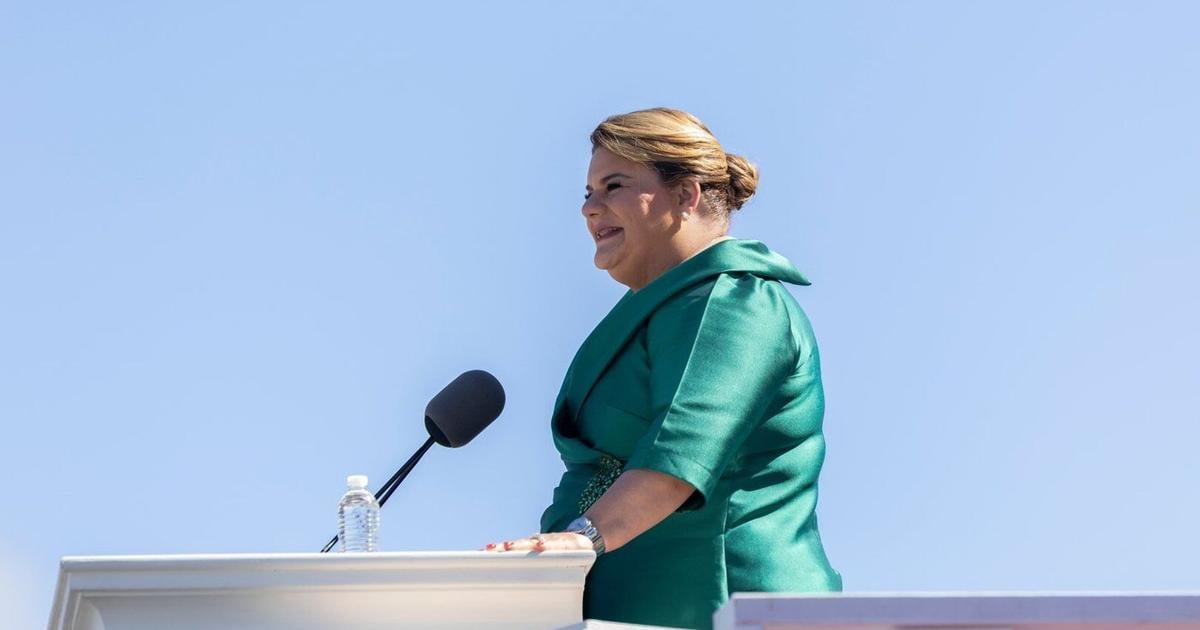
Edison Avilés is chairman of the Puerto Rico Energy Bureau, which regulates the island’s electric utility. His appointment began in 2018.
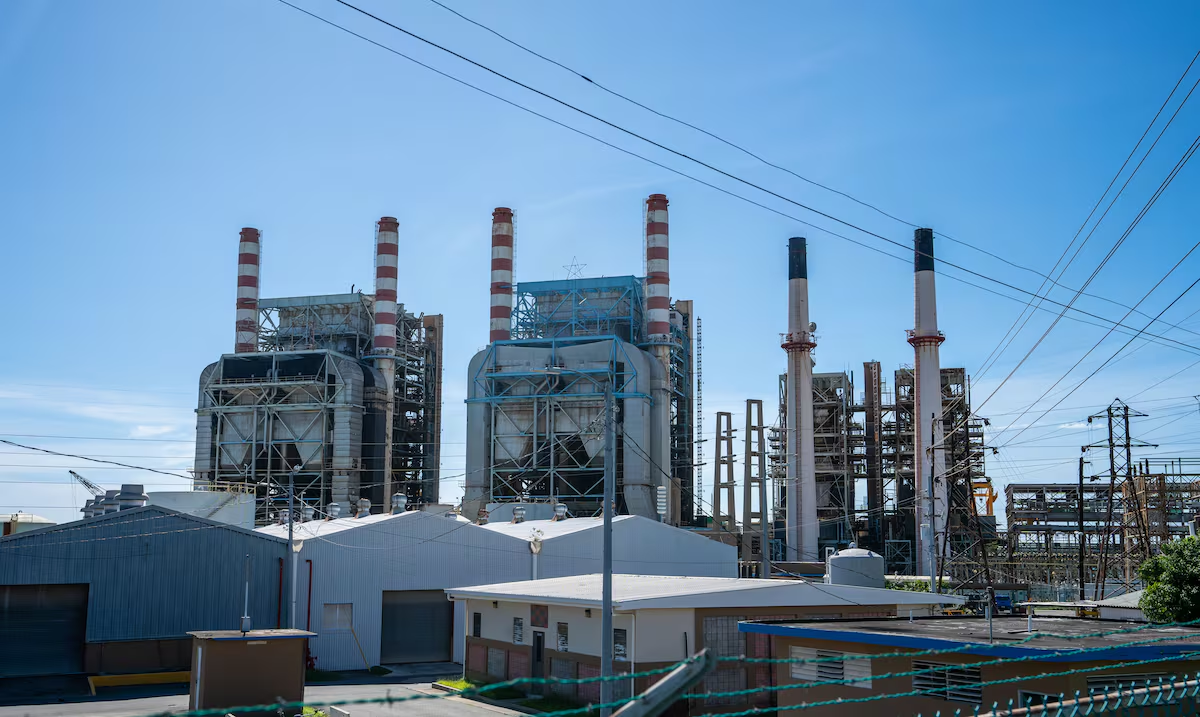
Nearly a decade after Hurricane María exposed the fragility of Puerto Rico’s centralized, fossil-fuel-dependent grid, the island’s electric system is undergoing the most consequential transformation in its modern history. The next two years will determine whether Puerto Rico advances toward a resilient, decentralized energy framework, or remains trapped in a cycle of outages, fiscal instability, deferred investment and political conflict.
Three forces are shaping this transition: the reconstruction of the transmission and distribution system; the evolution of energy policy through Puerto Rico’s Integrated Resource Plan; and mounting financial pressures around rates, operating costs and the Puerto Rico Electric Power Authority’s unresolved debt. Together, they are redefining how electricity is generated and delivered, and how the island approaches economic competitiveness and long-term energy security.
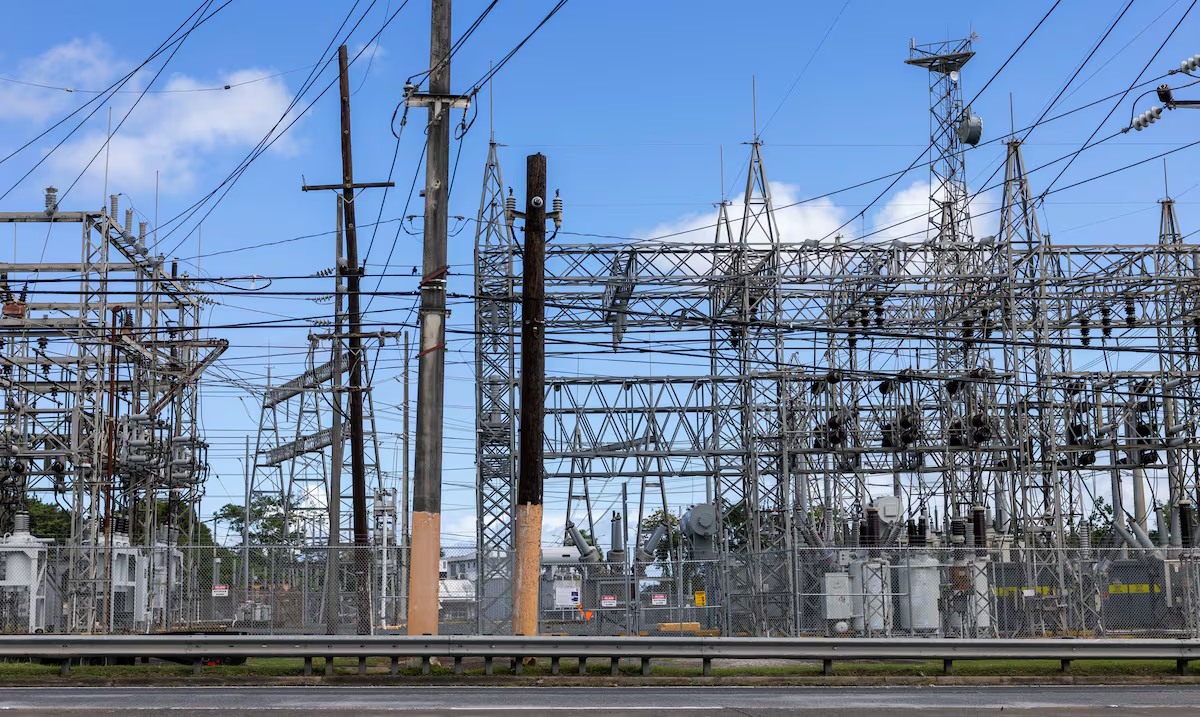
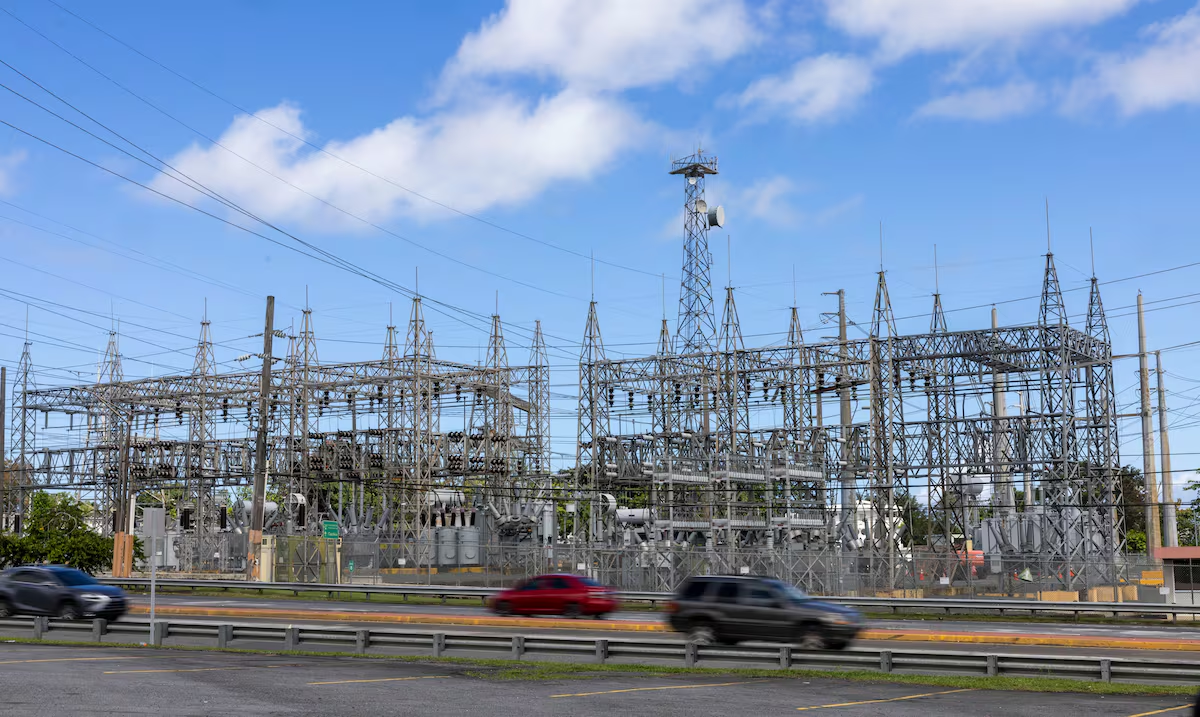
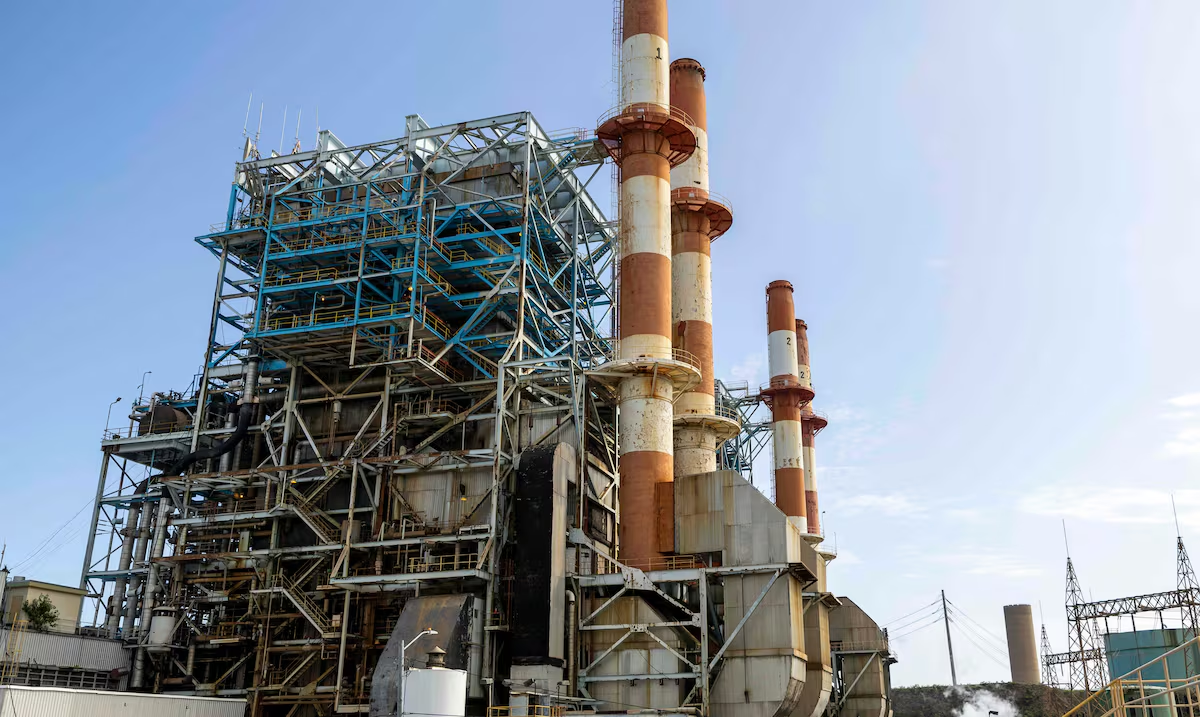
Despite years of recovery work, the grid remains structurally fragile. Much of the transmission and distribution infrastructure predates Hurricane María by decades and suffered catastrophic damage in 2017. Billions in reconstruction funding have been approved through the Federal Emergency Management Agency, but implementation has progressed far more slowly than regulators, policymakers and consumers expected.