The island is staring down a dirtier, and potentially darker, future — with little say over what happens.
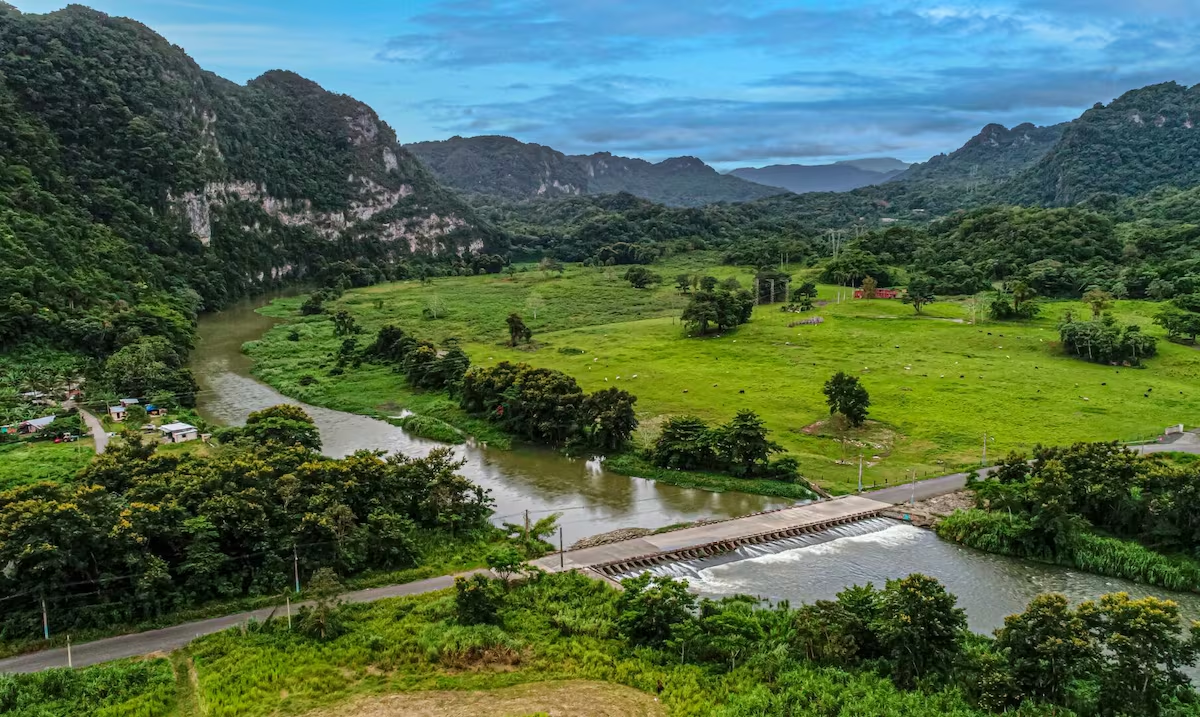
At first glance, it seems as if life teems around Carmen Suárez Vázquez’s little teal-painted house in the municipality of Guayama, on Puerto Rico’s southeastern coast.
The edge of the Aguirre State Forest, home to manatees, reptiles, as many as 184 species of birds, and at least three types of mangrove trees, is just a few feet south of the property line. A feral pig roams the neighborhood, trailed by her bumbling piglets. Bougainvillea blossoms ring brightly painted houses soaked in Caribbean sun.
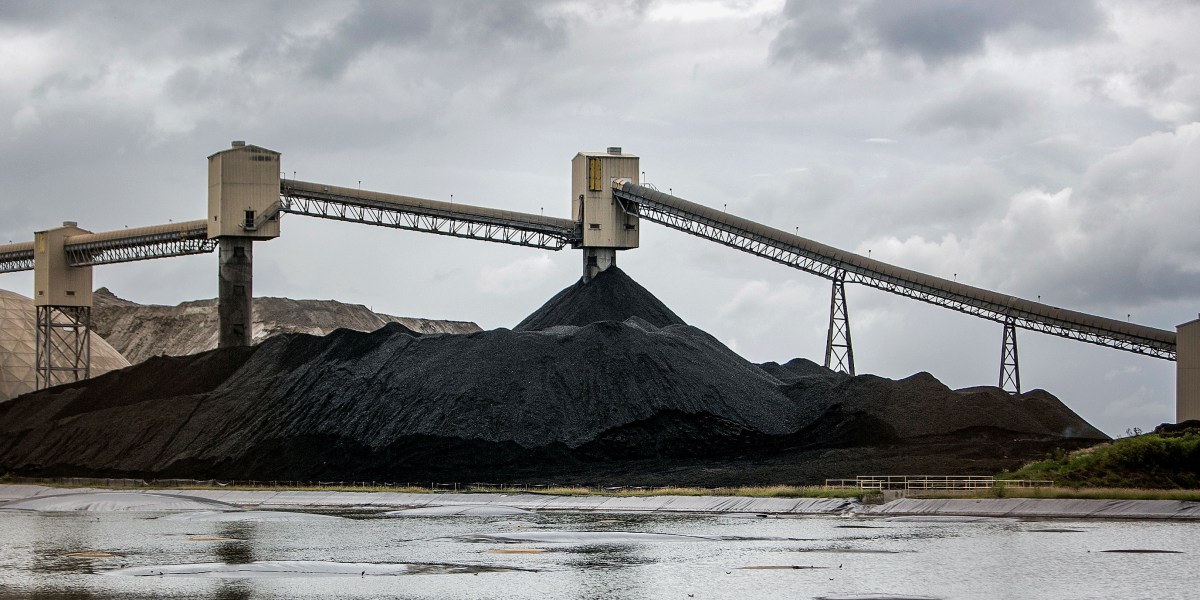
Yet fine particles of black dust coat the windowpanes and the leaves of the blooming vines. Because of this, Suárez Vázquez feels she is stalked by death. The dust is in the air, so she seals her windows with plastic to reduce the time she spends wheezing—a sound that has grown as natural in this place as the whistling croak of Puerto Rico’s ubiquitous coquí frog. It’s in the taps, so a watercooler and extra bottles take up prime real estate in her kitchen. She doesn’t know exactly how the coal pollution got there, but she is certain it ended up in her youngest son, Edgardo, who died of a rare form of cancer.