Published May 22, 2026, 3:01 PM EDT
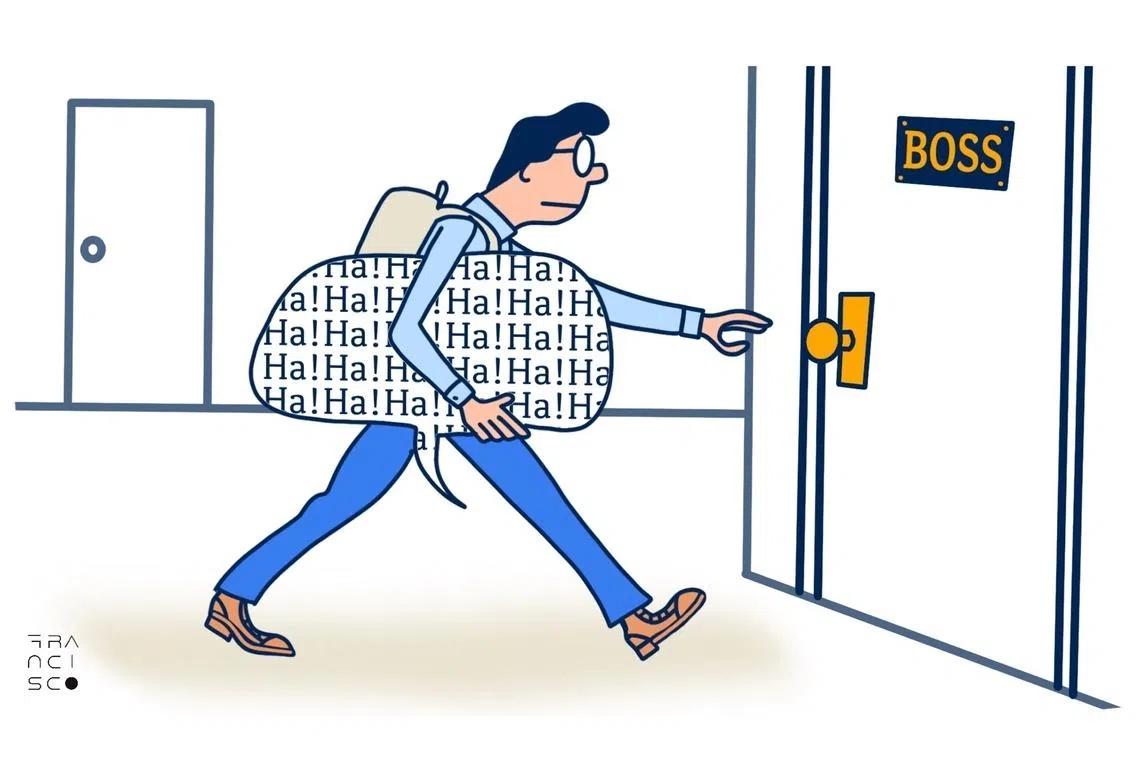
While a good joke may last a few seconds, the reputation impact of a bad one can last much longer.
In a time when turning on the TV, checking social media, or opening email can bring either great news (“Your candidate got elected!”) or bad news (“The company regrets to inform you …”), maintaining a positive attitude can feel exhausting. A little levity can provide welcome relief during a stressful week. Humor, used well, can help people connect, reduce tension and create moments of humanity in tense situations. But when humor is poorly timed, inappropriate or misses the mark, it can backfire quickly and leave lasting damage to your reputation and credibility.
When Humor Misses the Mark
Consider what happened to Amy: Our company had just announced its third round of layoffs, and those of us remaining were stressed out. We didn’t know whether our day was coming or if we were safe for a while. During an all-hands meeting, after our VP spoke, I said loudly, ‘Well, if the ax falls, I hope it falls fast!’ trying to be funny. No one laughed. In fact, my boss reprimanded me afterward, saying my analogy, timing and comment were inappropriate. I honestly thought I was just adding some lightness to the situation. What Amy did isn’t unusual. During stressful moments, many of us instinctively try humor to diffuse tension or make others feel more comfortable. Sometimes it works. Sometimes it doesn’t. And when it doesn’t, the consequences can linger. A poorly timed joke, an insensitive comment, sarcasm that lands badly or a tone-deaf email can create reputation damage. Others may begin questioning your judgment, competence, professionalism or emotional intelligence, and trust can erode quickly. Read More: Email or DM? How to Communicate Clearly and Confidently in Online Job Networking