Asia Defense | Security | East Asia
Can Seoul strengthen deterrence while remaining non-nuclear?
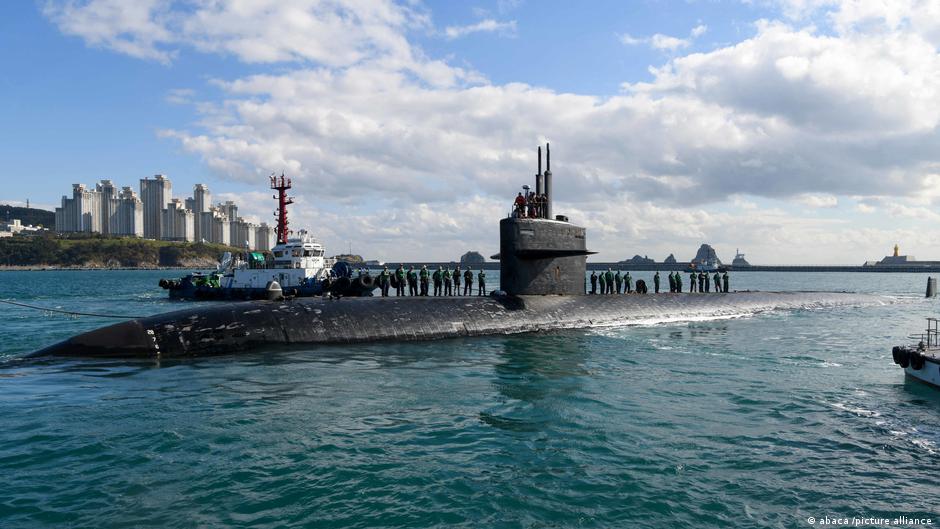
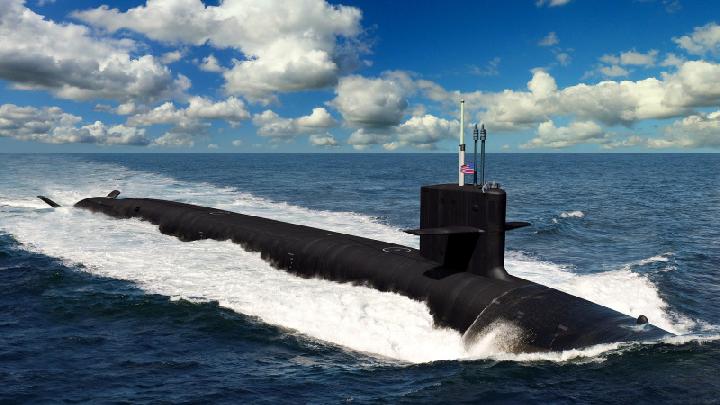
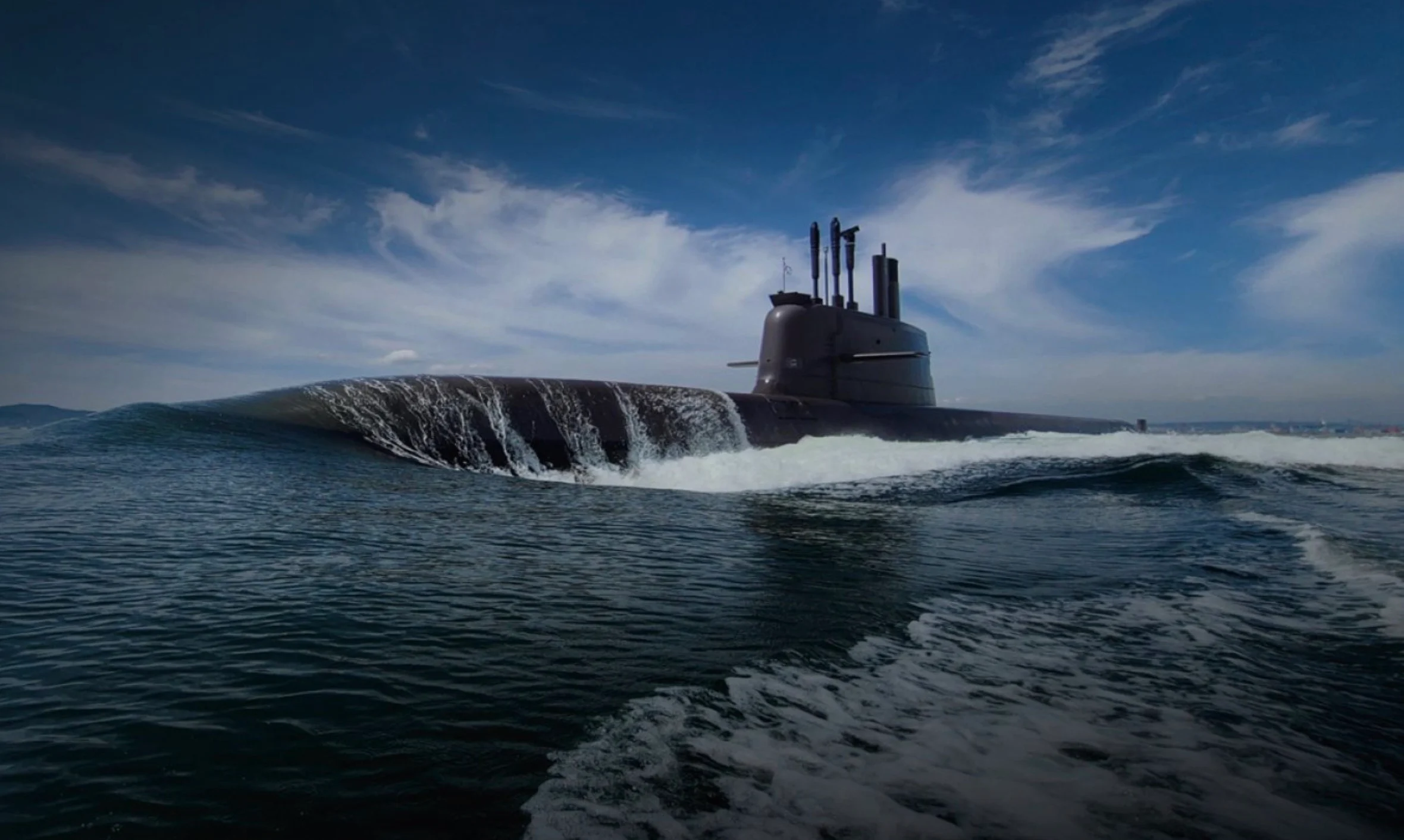
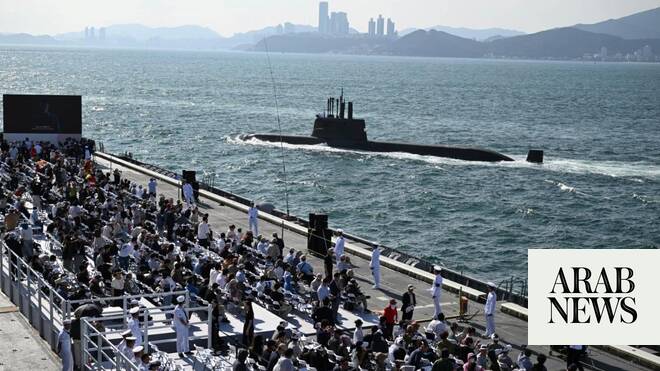
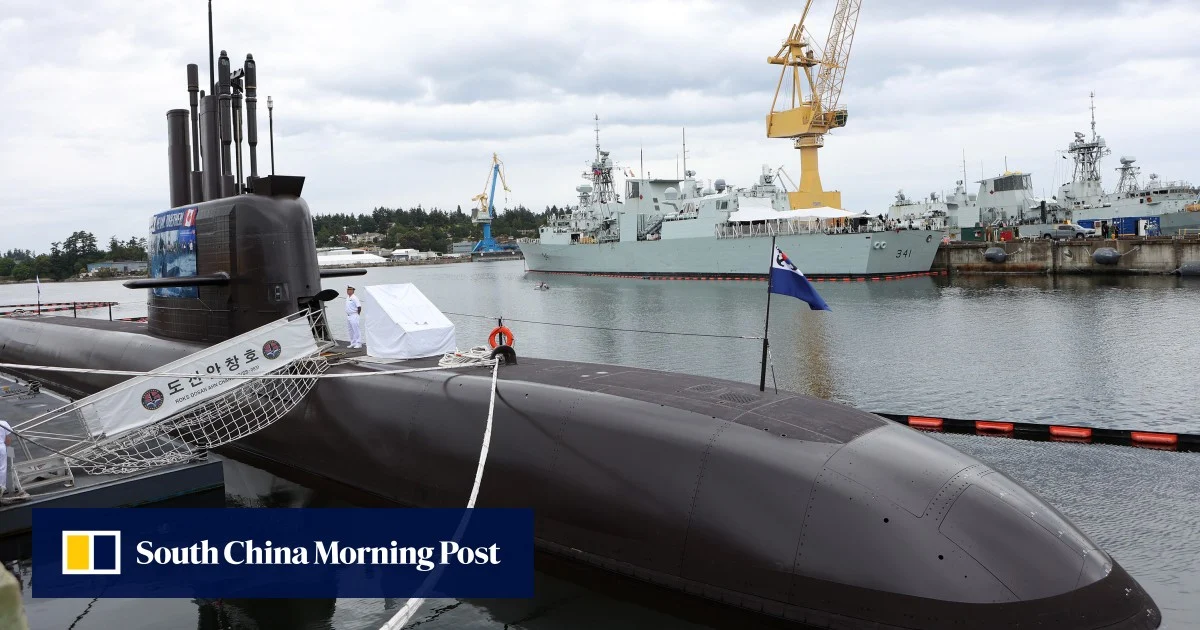
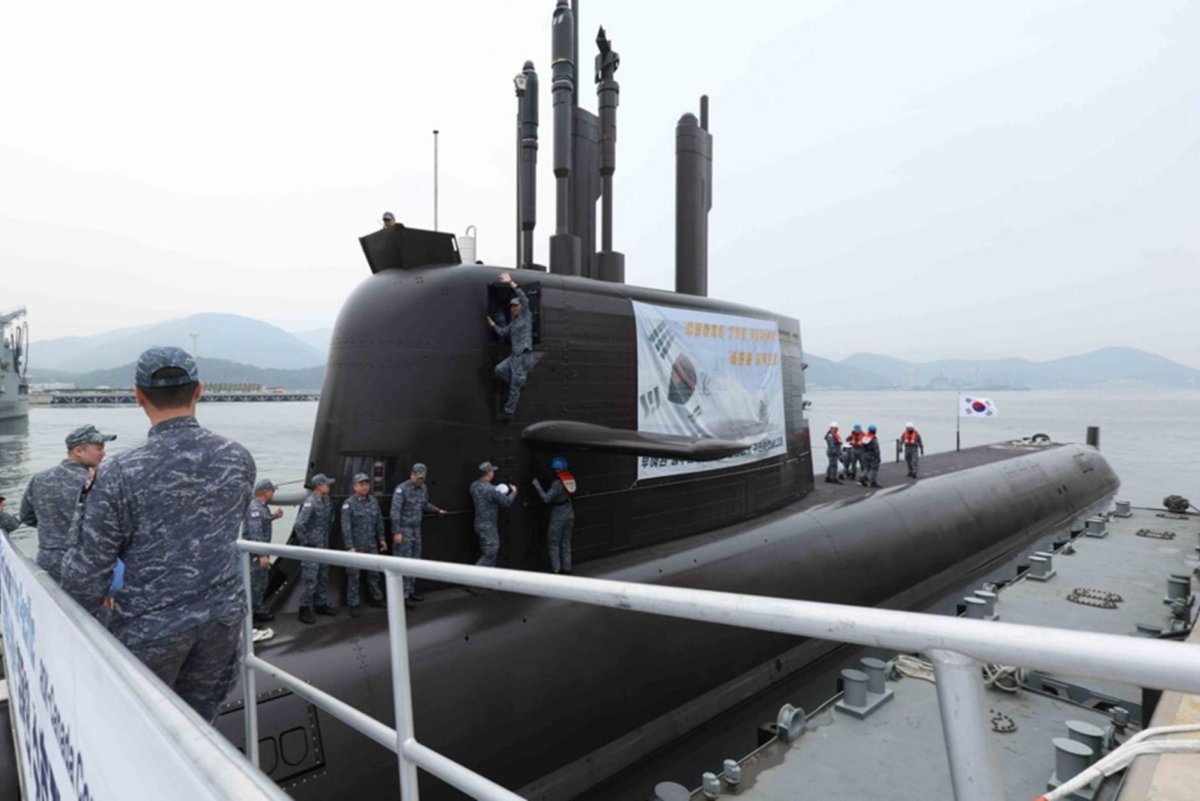
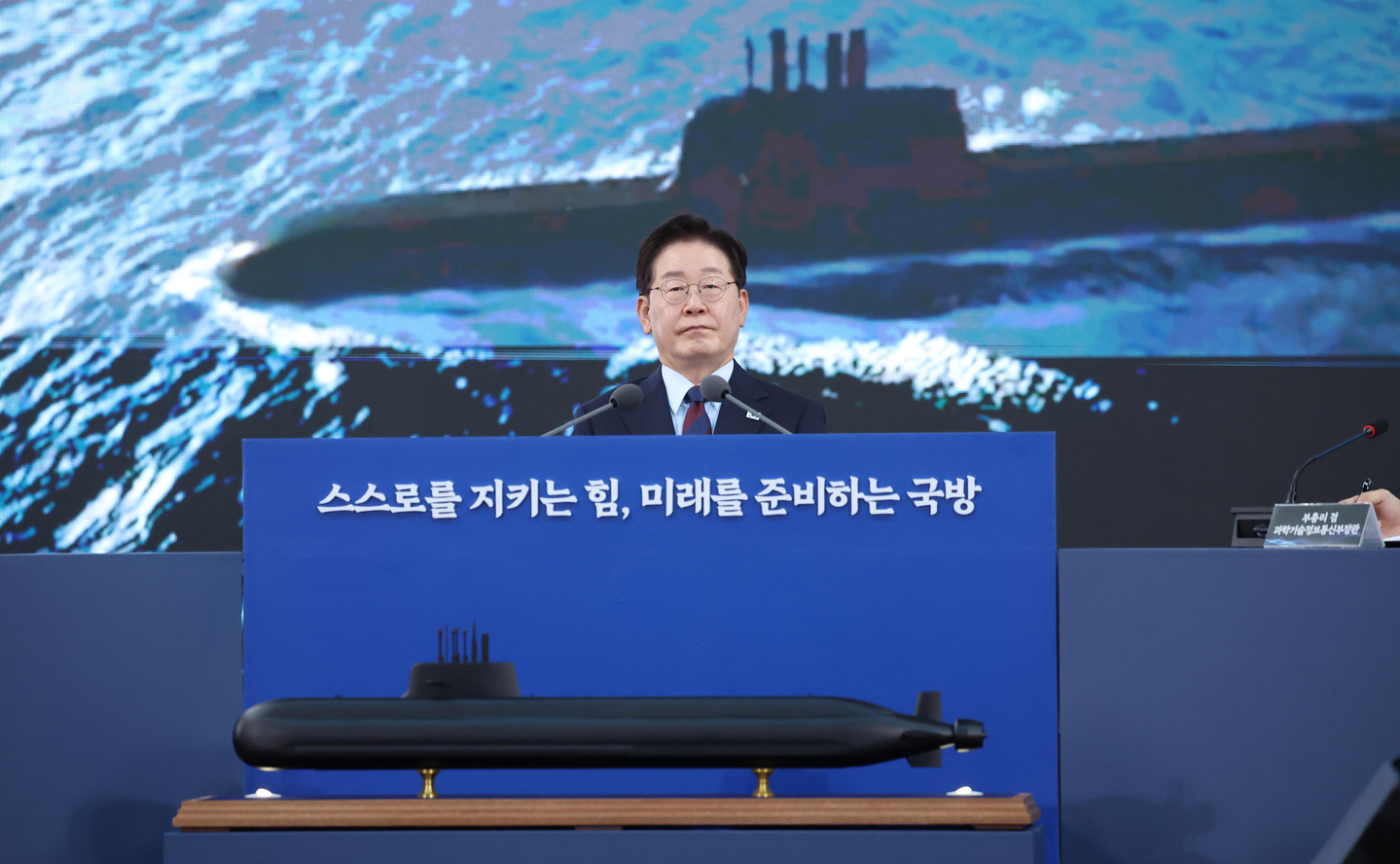
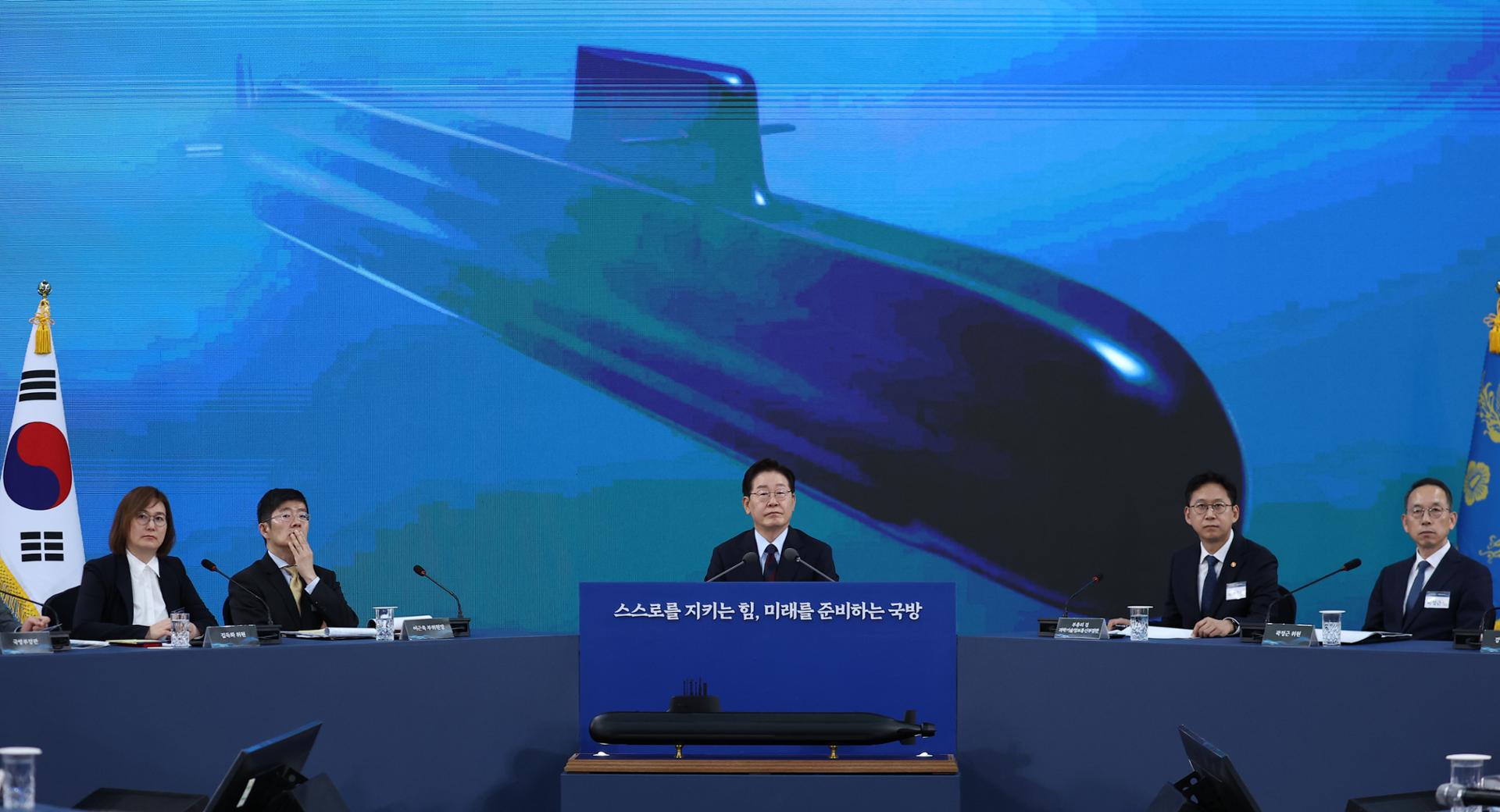
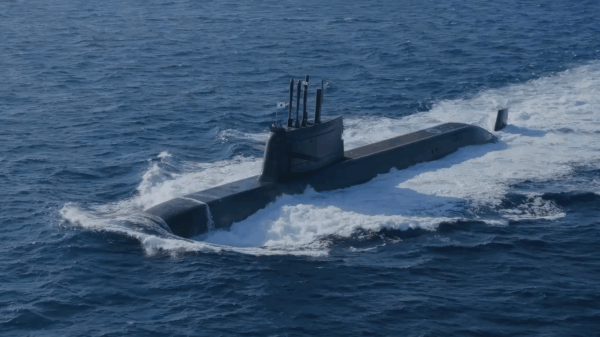
Seoul is reportedly preparing to announce a roadmap for its nuclear-powered submarine program, turning what was once a long-running strategic aspiration into a more immediate policy question. Naval nuclear propulsion raises non-proliferation questions about fuel, safeguards, and nuclear latency. But treating Seoul’s pursuit only as a sign of hidden nuclear ambitions risks missing the larger issue: whether a U.S. ally facing a rapidly nuclearizing North Korea can remain non-nuclear while still believing that it has enough means to defend itself.
That question has become more urgent as North Korea expands not only its nuclear arsenal, but also the ways it might deliver nuclear weapons. Pyongyang is trying to strengthen its sea-based nuclear capabilities, and suspicions have grown that Russia has provided, or might provide, technologies or materials to support North Korea’s own nuclear-powered submarine program. In this environment, simply telling South Korea what it should not do is unlikely to be enough. The harder question is how South Korea can strengthen deterrence while remaining non-nuclear.