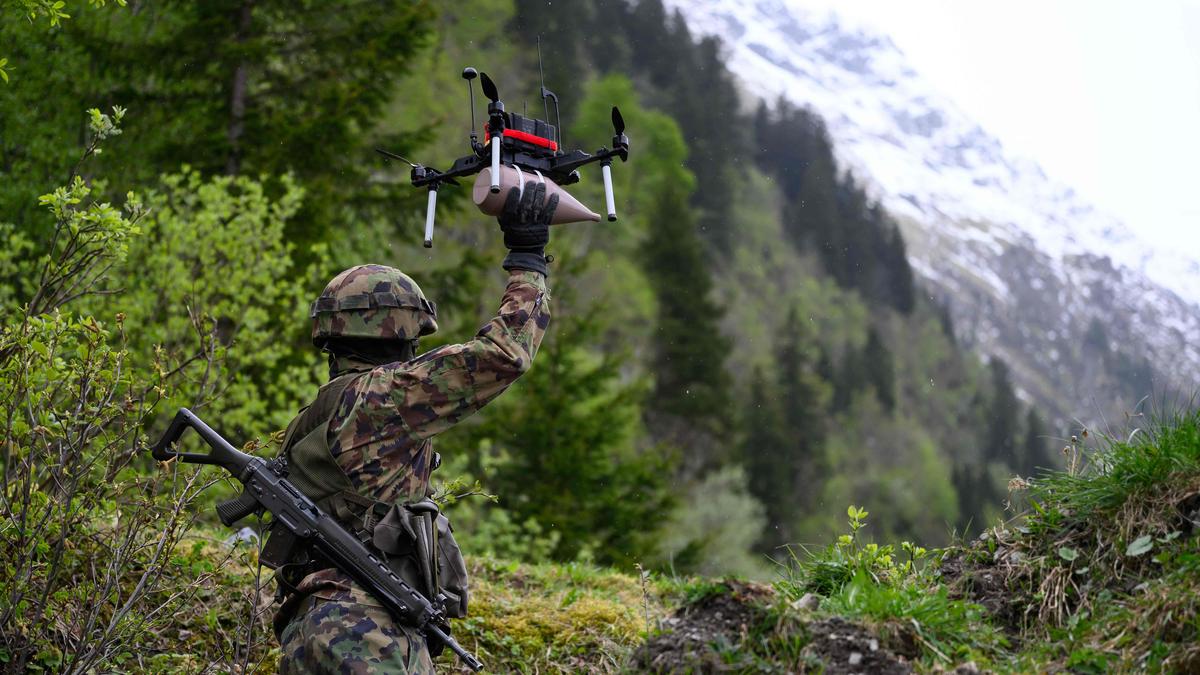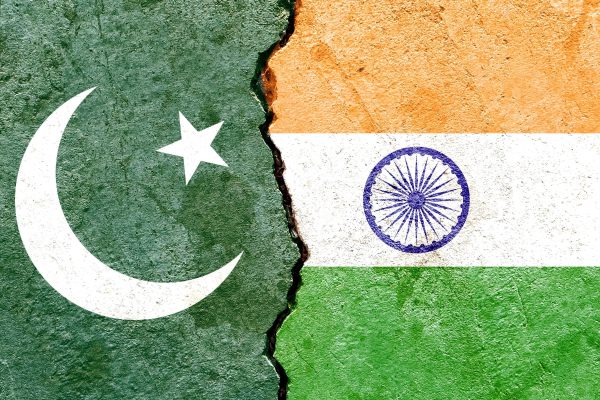
One year has passed since the four-day May 2025 crisis between India and Pakistan that ended following a U.S.-brokered ceasefire. The conflict, termed as “Marka-e-Haq” by Pakistan and “Operation Sindoor” by India, has accelerated a structural transformation in the South Asian warfare. The crisis demonstrated that future confrontations between the two nuclear armed countries are likely to be shaped by multi-domain non-contact warfare, with precision-strike standoff weapons, drone systems, loitering munitions, advanced missile capabilities and integrated missile forces taking the central space.
Over the past year, both states have taken steps to strengthen their non-contact warfare capabilities. In a nuclearized environment, the speed, ambiguity, and compressed decision-making timelines associated with multi-domain non-contact warfare increase the risks of miscalculation, inadvertent escalation, and accidental nuclear use during future crises.
Currently, South Asia is in a condition of fluid instability, a no war no peace situation. Although there are no immediate escalation pressures in the region and deterrence continues to function, the underlying root causes of conflict continue to exist, and in some cases are intensifying. In this situation, the probability of crisis is neither negligible nor imminent, rather it is persistently present.