WASHINGTON: As India’s defense chief attended an international security conference in Singapore in May, soon after India and Pakistan fought what many in South Asia now dub “the four-day war”, he had a simple message: Both sides expect to do it all again.
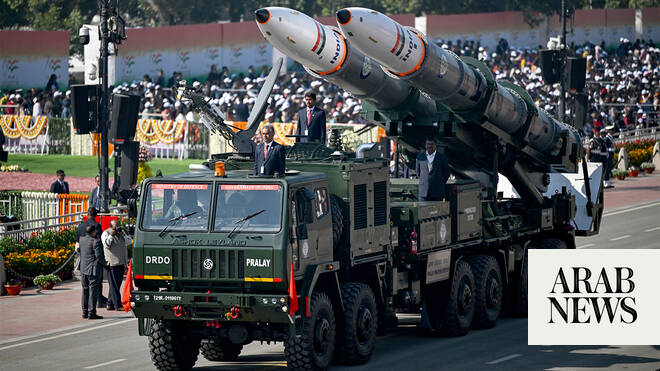
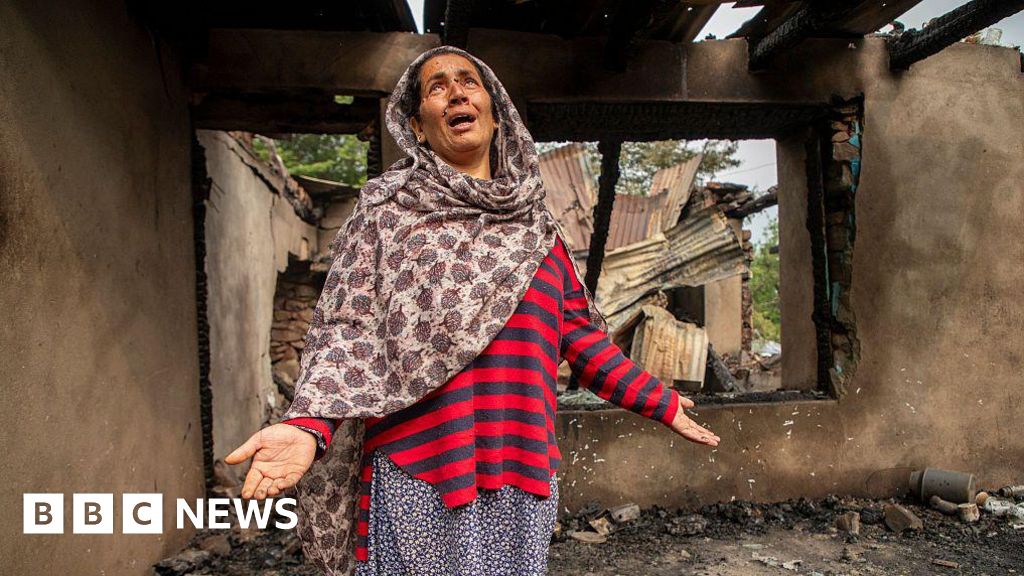
It was a stark and perhaps counterintuitive conclusion: the four-day military exchange, primarily through missiles and drones, appears to have been among the most serious in history between nuclear-armed nations.
Indeed, reports from both sides suggest it took a direct intervention from US Secretary of State Marco Rubio to halt an escalating exchange of drones and rockets.
Speaking to a Reuters colleague in Singapore, however, Indian Chief of Defense Staff General Anil Chauhan denied either nation had come close to the “nuclear threshold”, describing a “lot of messaging” from both sides.
“A new space for conventional operations has been created and I think that is the new norm,” he said, vowing that New Delhi would continue to respond militarily to any militant attacks on India suspected to have originated from Pakistan.