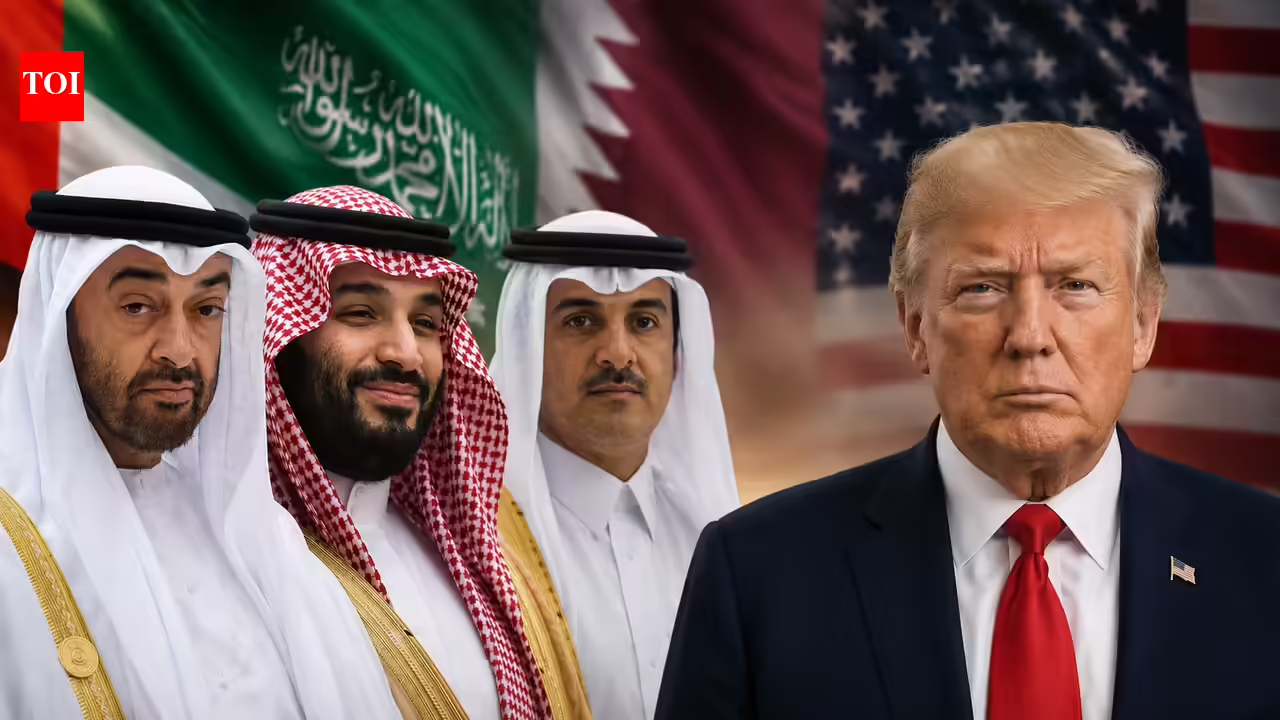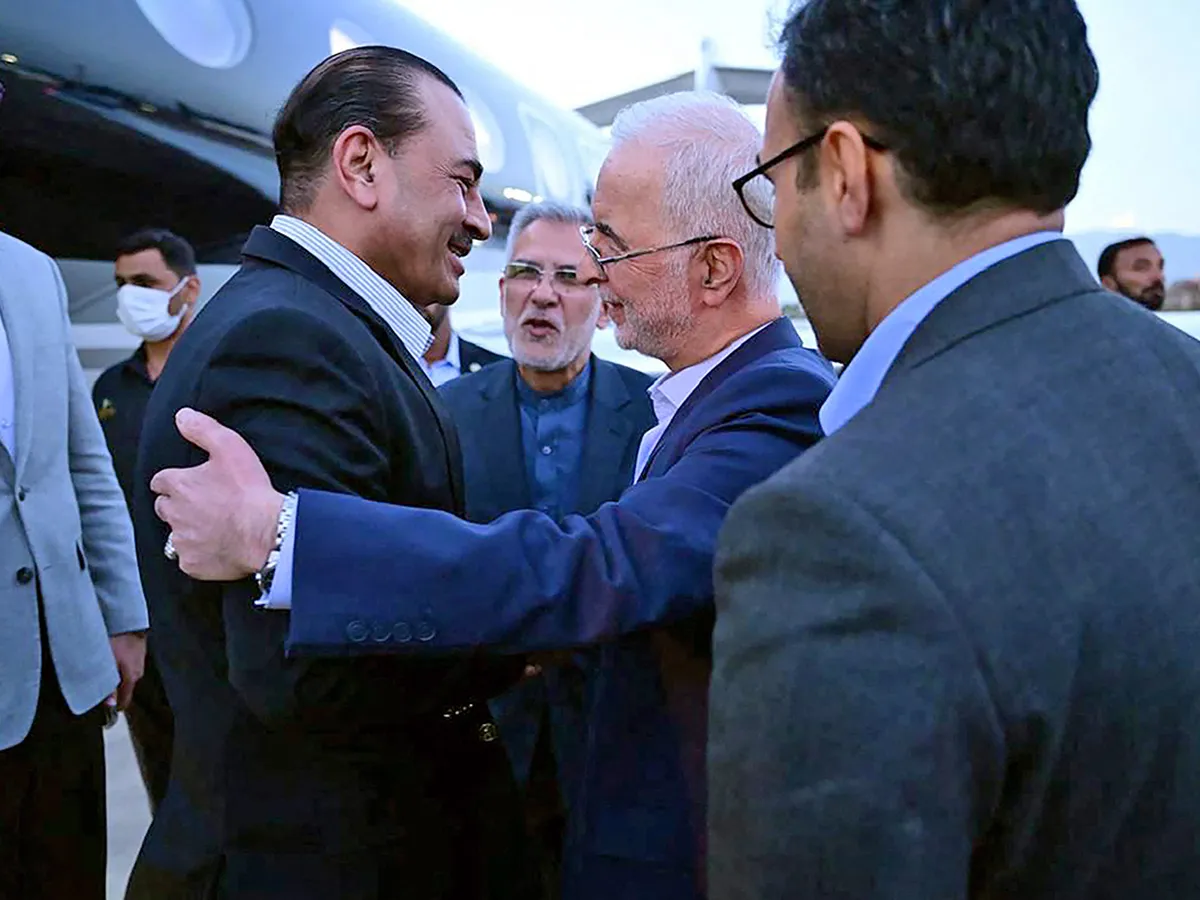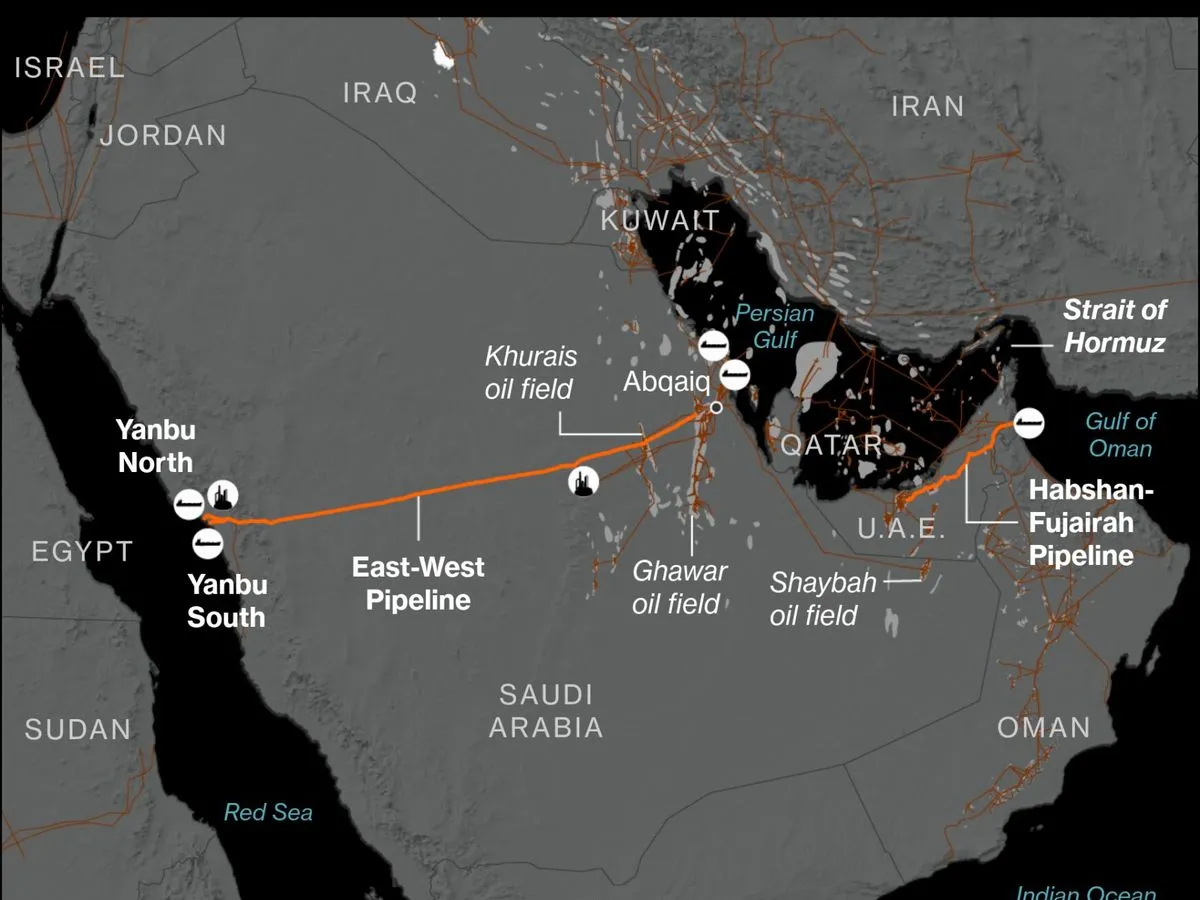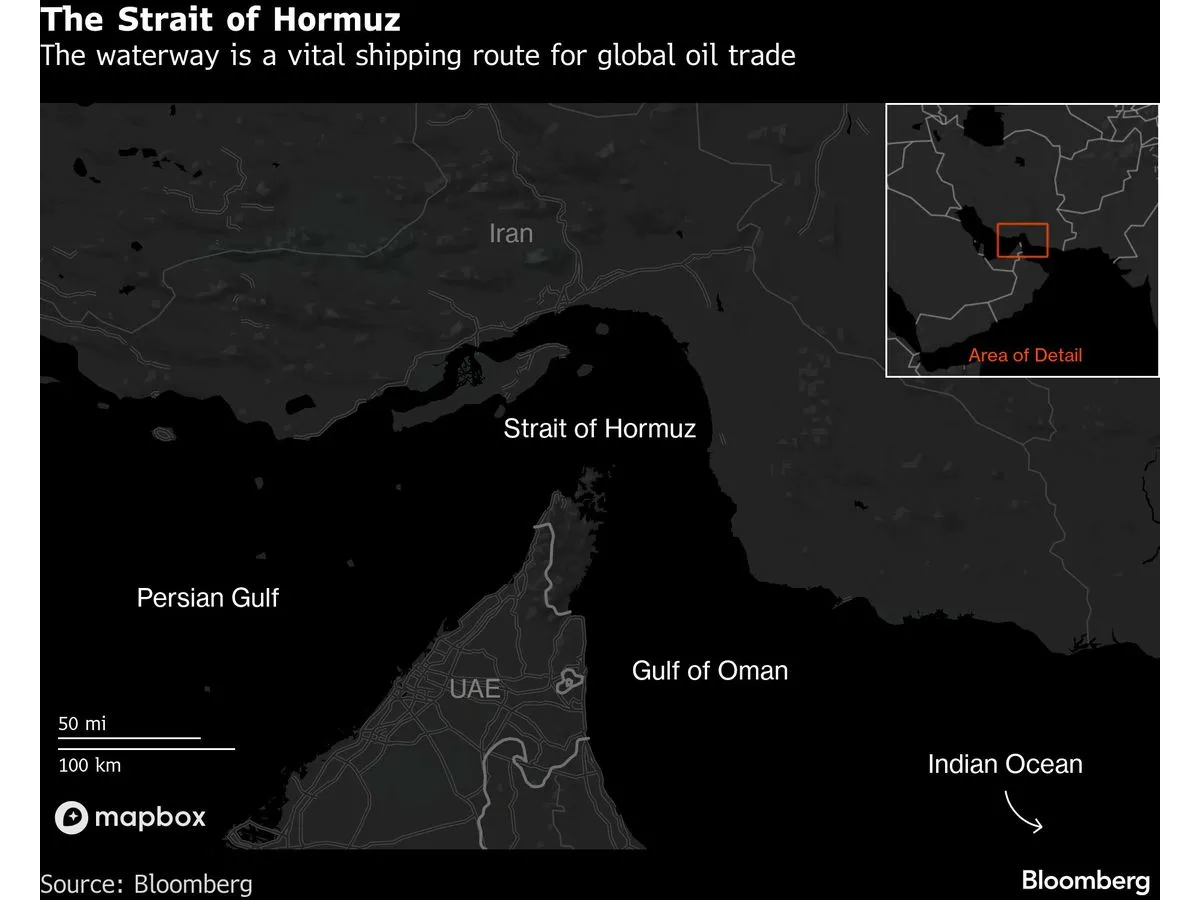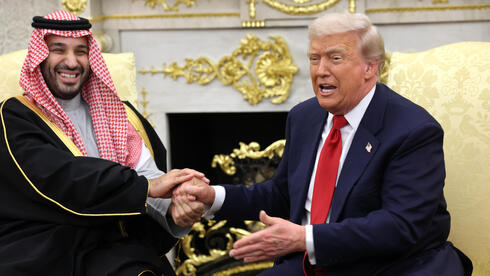
Skip to Content News Archives Economy Energy Oil & Gas Renewables Electric Vehicles Mining Commodities Agriculture Real Estate Mortgages Mortgage Rates Finance Banking Insurance Fintech Cryptocurrency Work Wealth Smart Money Wealth Management Investor Personal Finance Family Finance Retirement Taxes High Net Worth FP Comment Executive Women Puzzmo Newsletters Financial Times Business Essentials More Innovation Information Technology FP500 Podcasts Small Business Lives Told Tails Told Shopping Financial Post Store Obituaries Place a Notice Advertising Advertising With Us Advertising Solutions Postmedia Ad Manager Sponsorship Requests Classifieds Place a Classifieds ad Working Profile Settings My Subscriptions Saved Articles My Offers Newsletters Customer Service FAQ News Economy Energy Mining Real Estate Finance Work Wealth Investor FP Comment Executive Women Puzzmo Newsletters Financial Times Business Essentials HomeNewsEconomyUAE joins Saudis, Qatar in urging Trump not to restart warIran and the U.S. agreed to a truce on April 8 and are exchanging messages via Pakistan about a peace dealAuthor of the article:Last updated 40 minutes ago You can save this article by registering for free here. Or sign-in if you have an account.Some Gulf leaders aren’t sure their calls will be heeded and are concerned Israel will convince Trump to attack Iran again, one of the people said. Photo by AFP PHOTO/U.S. NAVY/NAVCENT PUBLIC AFFAIRSThe United Arab Emirates has made a more concerted push for an end to the Iran war in recent days, joining Saudi Arabia and Qatar in urging United States President Donald Trump to give negotiations a chance, according to several people familiar with the matter.Subscribe now to read the latest news in your city and across Canada.Exclusive articles from Barbara Shecter, Joe O'Connor, Gabriel Friedman, and others.Daily content from Financial Times, the world's leading global business publication.Unlimited online access to read articles from Financial Post, National Post and 15 news sites across Canada with one account.National Post ePaper, an electronic replica of the print edition to view on any device, share and comment on.Daily puzzles, including the New York Times Crossword.Subscribe now to read the latest news in your city and across Canada.Exclusive articles from Barbara Shecter, Joe O'Connor, Gabriel Friedman and others.Daily content from Financial Times, the world's leading global business publication.Unlimited online access to read articles from Financial Post, National Post and 15 news sites across Canada with one account.National Post ePaper, an electronic replica of the print edition to view on any device, share and comment on.Daily puzzles, including the New York Times Crossword.Create an account or sign in to continue with your reading experience.Access articles from across Canada with one account.Share your thoughts and join the conversation in the comments.Enjoy additional articles per month.Get email updates from your favourite authors.Create an account or sign in to continue with your reading experience.Access articles from across Canada with one accountShare your thoughts and join the conversation in the commentsEnjoy additional articles per monthGet email updates from your favourite authorsSign In or Create an AccountorThe conversations were prompted by the countries’ fears that any retaliation from Tehran, if hostilities resume, will plunge Gulf economies into chaos, the people said. In separate calls with Trump, leaders of the three U.S. allies said military action won’t achieve America’s long-standing goals with Iran, the people said, asking not to be named discussing sensitive matters.The White House didn’t immediately respond to a request for comment.Get the latest headlines, breaking news and columns.By signing up you consent to receive the above newsletter from Postmedia Network Inc.A welcome email is on its way. If you don't see it, please check your junk folder.The next issue of Top Stories will soon be in your inbox.We encountered an issue signing you up. Please try againAbu Dhabi’s stance indicates a shift for a country that bore the brunt of Iran’s attacks and has been more hawkish than its neighbours toward Tehran.The UAE, Saudi Arabia and Qatar differ on the kind of diplomatic deal the U.S. should pursue and how tough it should be with Iran, the people said. But their outreach to Trump underscores their shared wariness of a repeat of the situation between late February, when Israel and the U.S. launched a war on the Islamic Republic, and a ceasefire in early April.Iran and Tehran-backed militant groups in Iraq retaliated by firing thousands of drones and missiles across the Gulf, killing scores of people and causing billions of dollars-worth of damage to ports and energy infrastructure.“The Gulf Arab states saw their worst fears come true,” said Dina Esfandiary, an analyst at Bloomberg Economics. “They were caught in the middle of a U.S.-Iran war and suffered much of the fallout. They now face the prospect of renewed confrontation if the ceasefire can’t be translated into a permanent deal, with their image as stable regional havens at risk.”The UAE was frustrated when Saudi Arabia and other Gulf states refused to respond collectively with force against Iran to deter its attacks, Bloomberg News has reported. Abu Dhabi carried out limited strikes on Iran in coordination with the U.S. and Israel, while Saudi Arabia took similar action separately, people familiar with the matter said.Iran and the U.S. agreed to a truce on April 8 and are exchanging messages via Pakistan about a peace deal. They have each said they are ready to resume hostilities and are showing little sign of making concessions.Even so, Trump’s secretary of state, Marco Rubio, on Friday said there was “slight progress” in the negotiations and Iranian media made similar comments. The army chief of Pakistan, Asim Munir, was set to visit Iran the same day, in a possible sign of the sides getting nearer to a deal.The UAE’s anger with fellow Arab states culminated in its shock decision in late April to leave OPEC, an oil cartel led by Saudi Arabia. Yet since then ties with Gulf Cooperation Council (GCC) states have improved. The GCC is a six-member body comprising the UAE, Saudi Arabia, Qatar, Kuwait, Bahrain and Oman.“The UAE continues its close coordination and consultation with member states of the Gulf Cooperation Council, alongside regional and international partners,” the foreign ministry said in a statement to Bloomberg on Thursday.The same day, all GCC members bar Oman sent a letter to a global shipping watchdog rejecting Iran’s attempts to permanently control maritime traffic through the Strait of Hormuz. Tehran effectively closed the waterway at the start of the war, choking off many of the GCC countries’ oil and natural gas exports.Iran and its allies still have plenty of firepower, even though Tehran’s military has been battered and several key leaders have been assassinated during the war. The threat to Gulf countries was underscored as recently as Sunday by a drone attack on a UAE nuclear-power plant, which Abu Dhabi blamed on Iran-supported militias in Iraq.A day later, Trump said he’d spoken to Saudi Crown Prince Mohammed bin Salman, UAE President Sheikh Mohamed bin Zayed, and Qatari Emir Sheikh Tamim bin Hamad and that they had dissuaded him from striking Iran.Some Gulf leaders aren’t sure their calls will be heeded and are concerned Israel will convince Trump to attack Iran again, one of the people said.The Jewish state, which has forged deeper defence and security ties with the UAE since the start of the war, sees the Islamic Republic as an existential threat. Prime Minister Benjamin Netanyahu has signalled more strikes are necessary to further degrade Iran’s military.There’s “a 50-50 chance that we will reach an agreement” with Iran, Anwar Gargash, a senior advisor to the UAE’s president, said on Friday. “My worry is that the Iranians have always over-negotiated. I hope they don’t do that this time because the region does need a political solution. Round two of a military confrontation will only complicate things.”Trump is in a bind. While he set out to destroy Iran’s ballistic missile program and even alluded to regime change, the war has cost the U.S. tens of billions of dollars. With energy prices soaring because of the closure of the Strait of Hormuz, the conflict is increasingly unpopular with Americans.The U.S. leader has vacillated between threatening massive airstrikes on Iran and saying the countries are closing in on a peace accord.Saudi Arabia supports mediation via Pakistan and believes getting Iran to curb its nuclear and ballistic-missile programs can only be resolved through talks, some of the people said.The kingdom, as well as the UAE, think the U.S. should focus for now on getting Iran to reopen the Hormuz strait and maintain its naval blockade of Iranian ports to pressure Tehran into that, the people said.Qatar continues to back the Pakistan-led mediation efforts, a diplomat from the country said. Doha has consistently advocated for de-escalation for the sake of the region and its people, the diplomat said.In its statement to Bloomberg, the UAE’s foreign ministry reiterated that any deal must address Iran’s “full range of threats.” That includes the country’s nuclear capabilities, ballistic missiles, drones and “affiliated proxies and terrorist groups,” it said.A Saudi foreign ministry official referred Bloomberg to a statement from Foreign Minister Faisal Bin Farhan on Wednesday. Prince Faisal said the kingdom “highly appreciates” Trump’s decision “to give diplomacy a chance to reach an acceptable agreement to end the war.” Join the Conversation This website uses cookies to personalize your content (including ads), and allows us to analyze our traffic. Read more about cookies here. By continuing to use our site, you agree to our Terms of Use and Privacy Policy.
UAE joins Saudis, Qatar in urging Trump not to restart war
The United Arab Emirates has made a more concerted push for the United States to end the Iran war in recent days. Find out more here
1,560 words~7 min read