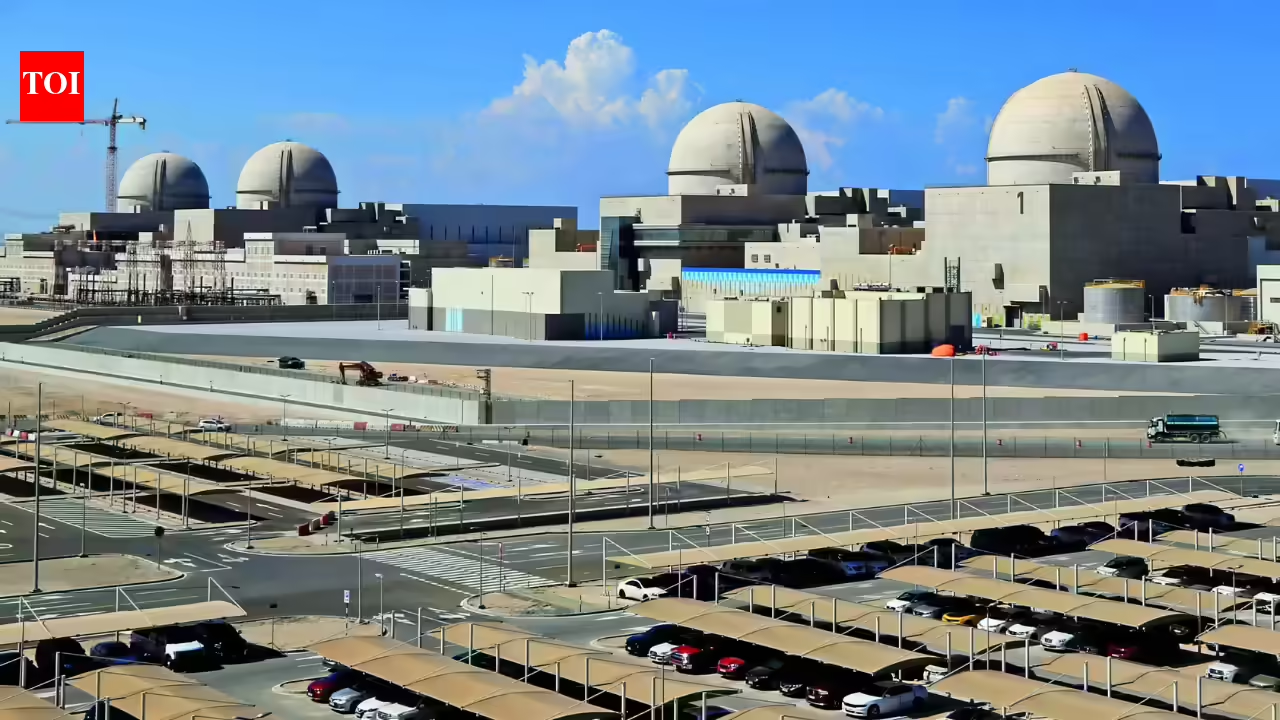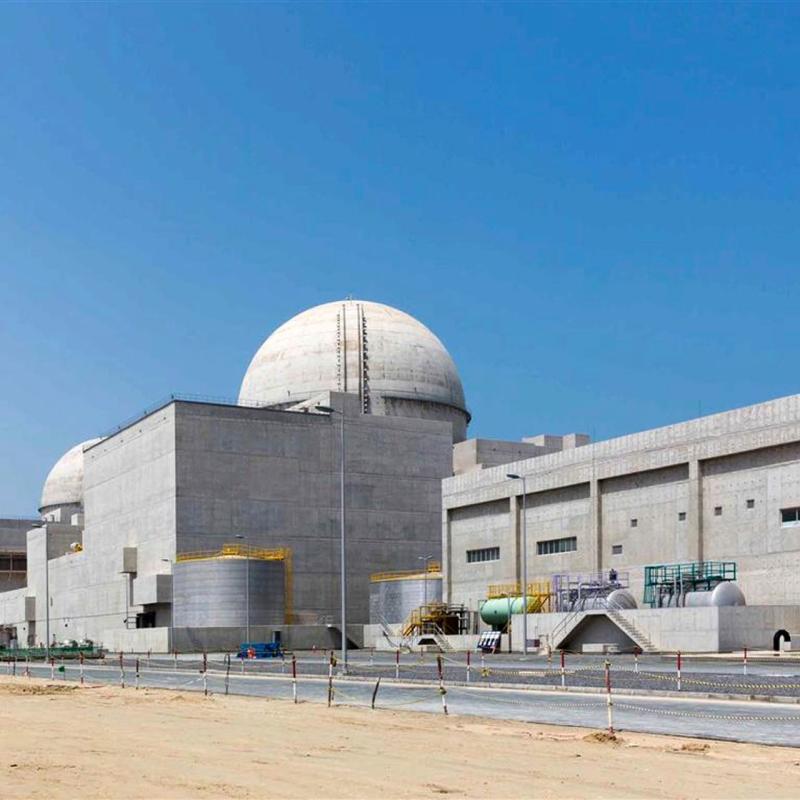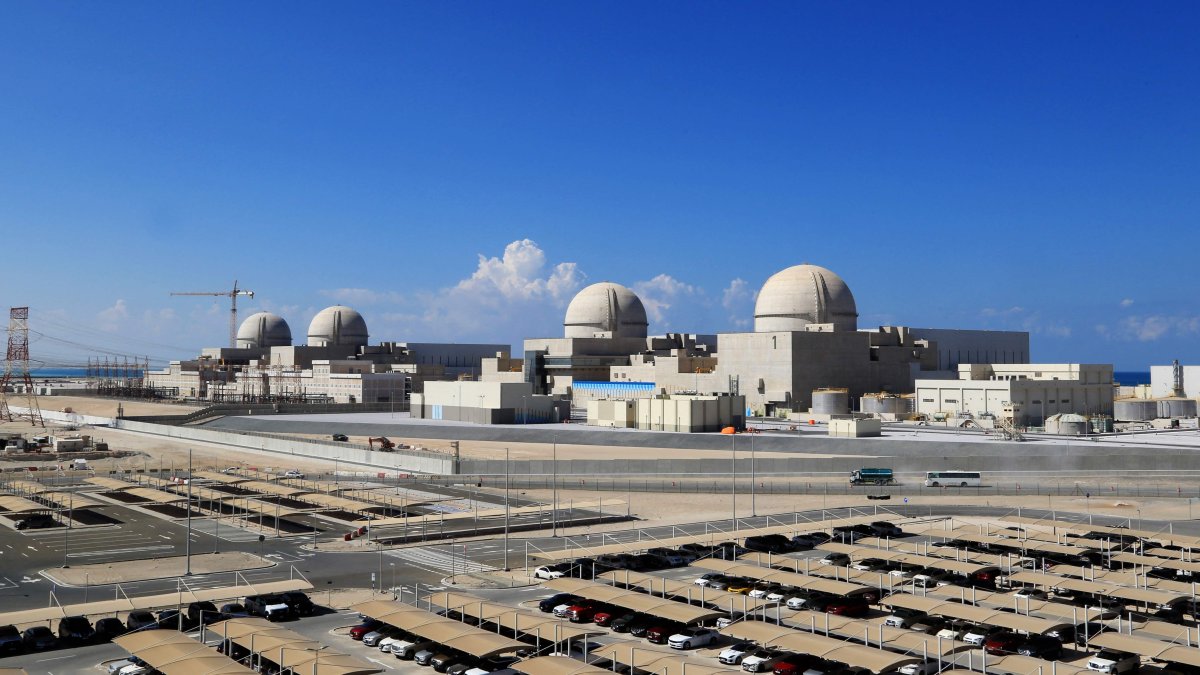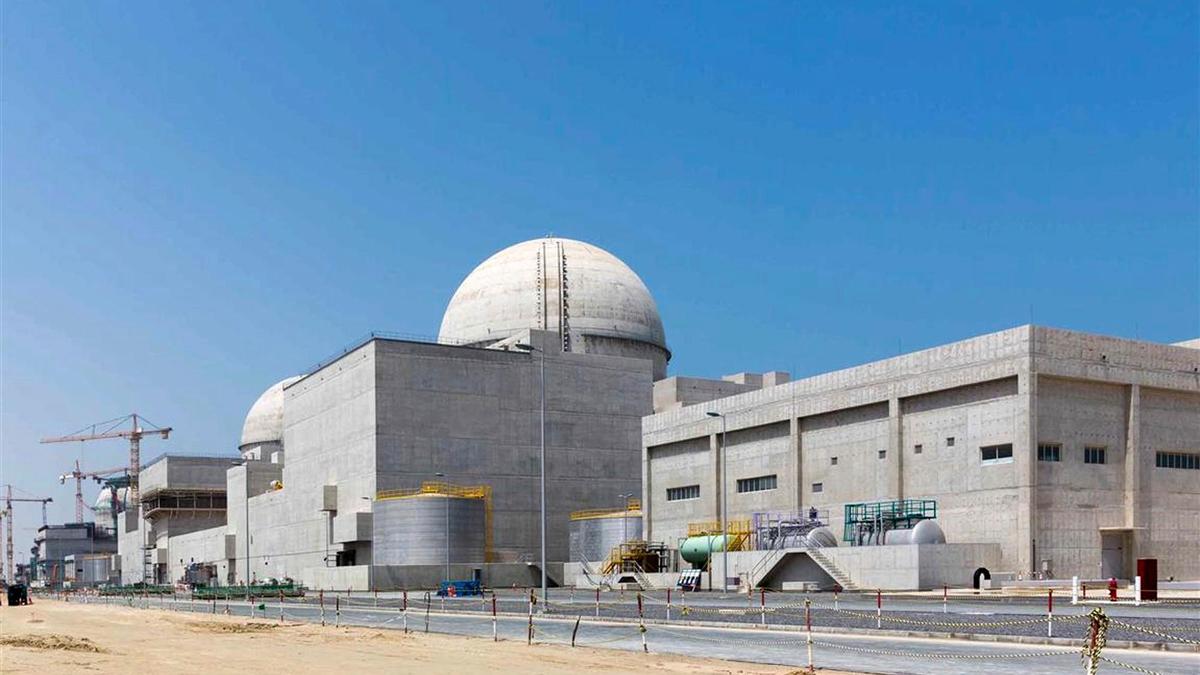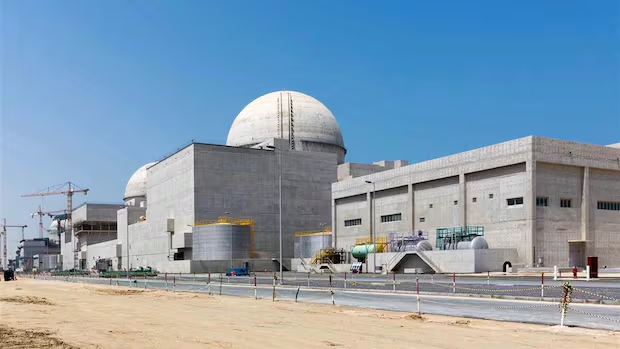
WorldA drone strike caused a fire at a nuclear power plant in the United Arab Emirates, officials in Abu Dhabi said on Sunday, at a time when progress appears to have stalled in efforts to end the U.S.-Israeli war with Iran and restart shipping in the Gulf.Abu Dhabi has previously accused Iran of attacking energy targets, calling it an escalation of the conflictThomson Reuters · Posted: May 17, 2026 10:02 AM EDT | Last Updated: 1 hour agoListen to this articleEstimated 3 minutesThe audio version of this article is generated by AI-based technology. Mispronunciations can occur. We are working with our partners to continually review and improve the results.This undated photograph released by the United Arab Emirates' state-run WAM news agency shows the under-construction Barakah Nuclear Power Plant in Abu Dhabi's western desert. (Arun Girija/Emirates Nuclear Energy Corporation/WAM/The Associated Press)A drone strike caused a fire at a nuclear power plant in the United Arab Emirates, officials in Abu Dhabi said on Sunday, at a time when progress appears to have stalled in efforts to end the U.S.-Israeli war with Iran and restart shipping in the Gulf.Emirati officials did not attribute blame for the attack and there were no immediate claims of responsibility. The U.A.E. has previously accused Iran of attacking its energy targets in what it has called an escalation of the conflict in the region.The drone hit an electrical generator outside the inner perimeter of the Barakah Nuclear Power Plant, the Abu Dhabi Media Office said. Radiological safety levels and operations were unaffected and there were no injuries, it said.The International Atomic Energy Agency said it was following the situation closely.During the war that began with U.S. and Israeli strikes against Iran on Feb. 28, Iran has repeatedly targeted the U.A.E. and other Gulf states that host U.S. military bases, hitting sites that include civilian and energy infrastructure.Iran stepped up such attacks on the U.A.E. earlier this month after U.S. President Donald Trump announced a naval mission to try to open the Strait of Hormuz, which Trump suspended after 48 hours.AnalysisHow America's war with Iran has shattered the U.A.E.'s sense of securityDiplomatic deadlockMore than five weeks after a tenuous ceasefire in the conflict took effect, U.S. and Iranian demands remain far apart despite diplomatic efforts to end the war and reopen the strait, the world's most important shipping route for oil and gas.Washington has called for Tehran to dismantle its nuclear program and lift its hold on the strait. Iran has demanded compensation for war damage, an end to a U.S. blockade of Iranian ports and a halt to fighting on all fronts, including in Lebanon, where Israel is battling Iran-backed Hezbollah.Trump calls ceasefire counter-proposal from Iran 'totally unacceptable'Trump, who held talks with Chinese President Xi Jinping this week without securing an indication from China that it would help resolve the conflict, has threatened to resume attacks if Iran does not agree to a deal.WATCH | Trump says ceasefire is on 'massive life support':Why the U.S. 'silver bullet' strategy isn't working against Iran | About ThatMay 12|Duration 11:58More than 10 weeks into the war and without a clear end in sight, U.S. President Donald Trump says the ceasefire between the U.S. and Iran is on 'massive life support.' Andrew Chang explains why the U.S. strategy to end the conflict — which Trump initially said wouldn't last more than a month — is falling short.
U.A.E. reports drone strike at nuclear power plant as Iran war deadlock endures | CBC News
A drone strike caused a fire at a nuclear power plant in the United Arab Emirates, officials in Abu Dhabi said on Sunday, at a time when progress appears to have stalled in efforts to end the U.S.-Israeli war with Iran and restart shipping in the Gulf.
761 words~3 min read