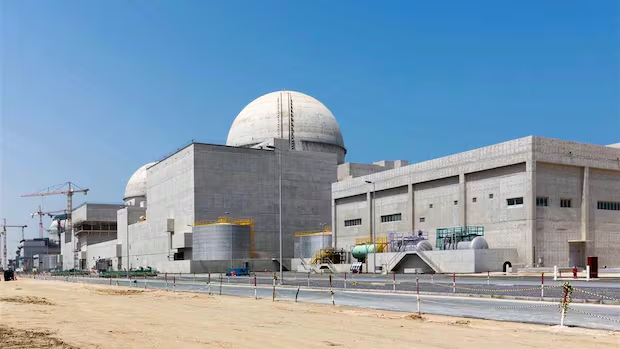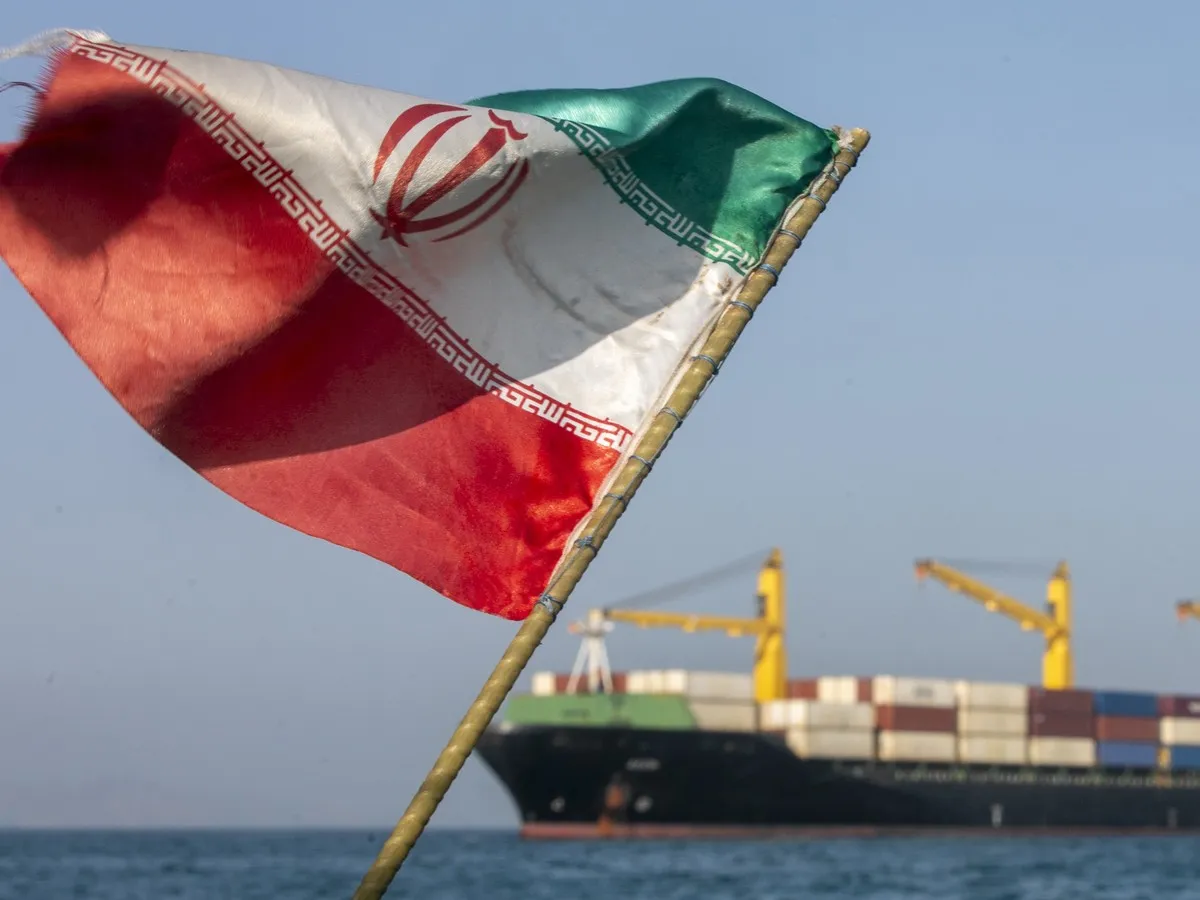
Skip to Content Subscribe Our Offers My Account Manage My Subscriptions FAQ Newsletters Canada Canadian True Crime Canadian Politics Health World Israel & Middle East Financial Post NP Comment Longreads Puzzmo Diversions Comics NP News Quiz New York Times Crossword Horoscopes Life Eating & Drinking Style Sponsored Play for Ontario Travel Travel Canada Travel USA Travel International Cruises Travel Essentials Culture Books Celebrity Movies Music Theatre Television Business Essentials Advice Lives Told Tails Told Shopping Buy Canadian Home Living Outdoor Living Tech Style & Beauty Kitchen & Dining Personal Care Entertainment & Hobbies Gift Guide Travel Guide Deals Savings National Post Store More Sports Hockey Baseball Basketball Football Soccer Golf Tennis Driving Vehicle Research Reviews News Gear Guide Obituaries Place an Obituary Place an In Memoriam Classifieds Place an Ad Celebrations Working Business Ads Archives Healthing Epaper Manage Print Subscription Profile Settings My Subscriptions Saved Articles My Offers Newsletters Customer Service FAQ Newsletters Canada World Financial Post NP Comment Longreads Puzzmo Diversions Life Shopping Epaper Manage Print Subscription HomeNewsWorldIsrael & Middle EastU.S., Iran still far apart on war's end, Hormuz reopening as UAE nuclear plant hit by droneOfficials in Abu Dhabi say the blaze in an electrical generator at the Barakah power plant had no impact on radiological safetyAuthor of the article:Last updated 26 minutes ago You can save this article by registering for free here. Or sign-in if you have an account.The U.S. and Iran are no closer to a deal to end their war and reopen the Strait of Hormuz. Photo by Majid Saeedi /Getty ImagesThe U.S. and Iran seemed far apart on a deal to end weeks of war and reopen the crucial Strait of Hormuz on Sunday, as a drone attack sparked a fire at a United Arab Emirates nuclear plant, spotlighting the risks of a fragile ceasefire.Enjoy the latest local, national and international news.Exclusive articles by Conrad Black, Barbara Kay and others. Plus, special edition NP Platformed and First Reading newsletters and virtual events.Unlimited online access to National Post.National Post ePaper, an electronic replica of the print edition to view on any device, share and comment on.Daily puzzles including the New York Times Crossword.Support local journalism.Enjoy the latest local, national and international news.Exclusive articles by Conrad Black, Barbara Kay and others. Plus, special edition NP Platformed and First Reading newsletters and virtual events.Unlimited online access to National Post.National Post ePaper, an electronic replica of the print edition to view on any device, share and comment on.Daily puzzles including the New York Times Crossword.Support local journalism.Create an account or sign in to continue with your reading experience.Access articles from across Canada with one account.Share your thoughts and join the conversation in the comments.Enjoy additional articles per month.Get email updates from your favourite authors.Create an account or sign in to continue with your reading experience.Access articles from across Canada with one accountShare your thoughts and join the conversation in the commentsEnjoy additional articles per monthGet email updates from your favourite authorsSign In or Create an AccountorIran’s semi-official Fars news agency said the U.S. had set five main conditions for a peace deal, including the removal of uranium used by Iran’s nuclear program to the U.S., that Washington pays none of the compensation Tehran is demanding and unfreezes less than a quarter of Iran’s suspended assets. Fars didn’t give a source for the information, and the U.S. hasn’t publicly commented on such stipulations.Meanwhile, the semi-official Mehr news agency said Washington offered “no tangible concessions” while seeking “to obtain concessions that it failed to obtain during the war, which will lead to an impasse in the negotiations.”Columnist Jesse Kline keeps you up to date with what’s happening in Israel and the effects of antisemitism on life here in Canada. Friday mornings.By signing up you consent to receive the above newsletter from Postmedia Network Inc.A welcome email is on its way. If you don't see it, please check your junk folder.The next issue of Channel Israel will soon be in your inbox.We encountered an issue signing you up. Please try againSunday’s drone attack comes just days after U.S. President Donald Trump returned from a two-day summit in Beijing with China’s Xi Jinping, an ally of Iran. Both agreed that the strait — via which a fifth of the world’s oil and liquified natural gas once flowed — should be open for transit but made no apparent progress toward that goal.The blaze broke out in an electrical generator outside the inner perimeter of the UAE’s Barakah power plant and had no impact on radiological safety, Abu Dhabi’s media office said in a statement. Authorities are working to extinguish the conflagration, which didn’t cause any injury, it said. The Barakah Nuclear Power Plant near Abu Dhabi in February 2020. A fire broke out following a drone strike on a nuclear power plant in the emirate of Abu Dhabi on Sunday. Photo by Barakah Nuclear Power Plant/AFPIranian threats on shipping in the Persian Gulf have brought the region’s energy exports to a near-standstill, sending global prices soaring and giving Tehran significant leverage in talks with the U.S.The U.S.-Israeli war on Iran that began Feb. 28 has claimed thousands of lives, mainly in the Islamic Republic. Retaliatory attacks by Tehran targeted U.S. allies across the Gulf, including the UAE, which has carried out intermittent strikes on Iran in response, Bloomberg has reported.In Jerusalem, Israeli Prime Minister Benjamin Netanyahu, briefing his cabinet about the Iran crisis, said he would speak to Trump later on Sunday for an update on the China visit. A member of Netanyahu’s security cabinet, Zev Elkin, said the country was poised to resume strikes on Iran should Trump decide to do so.We have targets that we want to hit, of course,” Elkin told Kan radio. “The current situation, with the U.S. blockade continuing, would also be good for Israel, because it’s wreaking major damage upon the Iranian economy on a daily basis.”Iranian President Masoud Pezeshkian has said his country is committed to a diplomatic resolution to the conflict. Several energy shipments have managed to clear the Strait of Hormuz in recent weeks, and an Iranian official said this weekend authorities were working on a formal law and framework to allow passage for some vessels.The U.S. and China, the world’s two largest economies, sought to emphasize points of agreement on the Middle East conflict during Trump’s meetings with Xi this week, even as they occupy opposing sides.On his way back from Asia, Trump told reporters he had discussed potentially lifting sanctions on Chinese oil companies that buy Iranian crude with the Chinese leader. The Treasury Department has escalated the penalties in recent weeks as the U.S. tries to pressure Tehran on talks, while Beijing has ordered its companies to ignore the sanctions.“I’m going to make a decision over the next few days,” Trump said aboard Air Force One when asked if he’d consider lifting the sanctions. “We did talk about that.” U.S. President Donald Trump speaks to reporters onboard Air Force One after his departure from Beijing Capital Airport on May 15, 2026, on his way back to the United States. Photo by BRENDAN SMIALOWSKI /AFP via Getty ImagesTrump said that three Chinese tankers that went through Hormuz loaded with Iranian oil this week did so because the U.S. allowed it, in an interview with Fox News. Iranian state TV had previously said over 30 ships were allowed passage through the strait since Wednesday night, citing an official from the Islamic Revolutionary Guard Corps’ navy.The White House faces a conundrum: How to reopen the strait, lower global energy prices and wind down an increasingly unpopular conflict that has caused the biggest oil supply disruption in history ahead of midterm elections in November.Brent crude has jumped about 50 per cent since the start of the war, with traders fearing a fresh escalation in hostilities between the U.S. and Iran after Trump’s visit to China failed to yield any concrete progress on a plan to restart the Strait of Hormuz.Pakistan’s Interior Minister Mohsin Naqvi arrived in Tehran on Saturday, where he met his Iranian counterpart. The two discussed bilateral relations and the prospects for resuming U.S.-Iran peace negotiations, for which Pakistan has been the main mediator, the semi-official Tasnim news agency reported.Iran’s highly enriched uranium, which has been in an unknown location since a U.S. and Israeli bombing campaign in June last year, remains one of many obstacles to a peace agreement.Israeli security cabinet member Elkin said the enriched uranium was not out of reach. “One could certainly get to it, if there’s a willingness,” he said.— With assistance from Dan Williams.Our website is the place for the latest breaking news, exclusive scoops, longreads and provocative commentary. Please bookmark nationalpost.com and sign up for our newsletters here. Join the Conversation This website uses cookies to personalize your content (including ads), and allows us to analyze our traffic. Read more about cookies here. By continuing to use our site, you agree to our Terms of Use and Privacy Policy.
U.S., Iran still far apart on war's end, Hormuz reopening as UAE nuclear plant hit by drone
As a drone struck a nuclear power plant in the UAE, the U.S. and Iran are no closer to a deal to end their war and reopen the Strait of Hormuz.
1,494 words~7 min read