Your AI is not bad, your instructions are
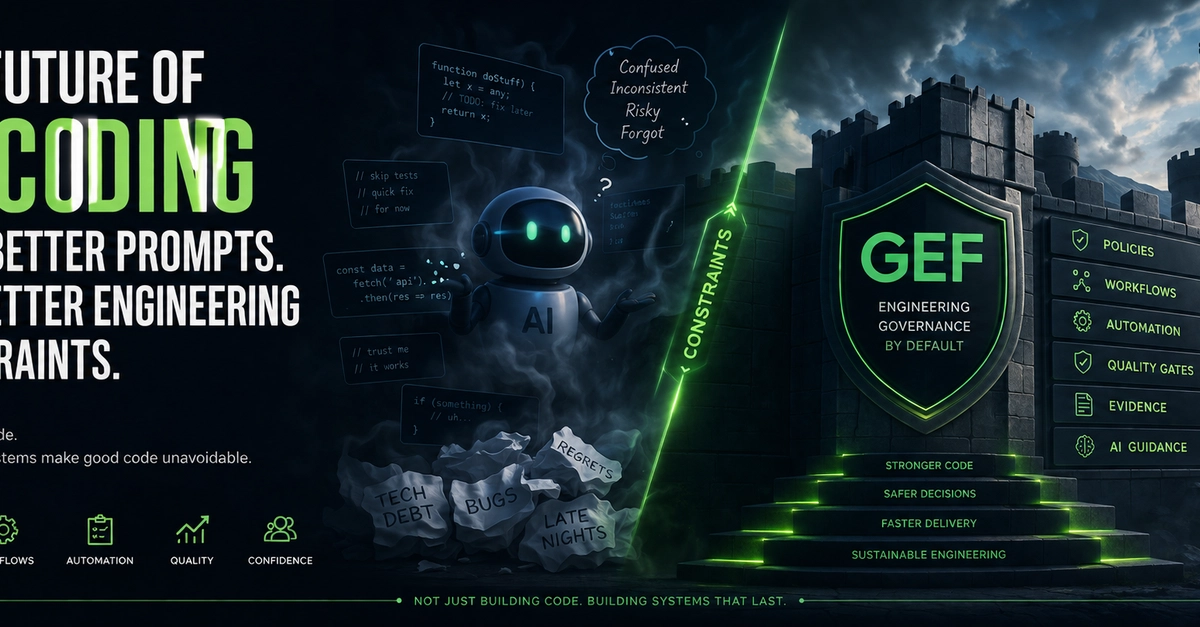
Most AI failures are not model failures. They are instruction failures. This guide shows how to write clearer prompts, give better context, use examples, set boundaries, and turn AI from a clever guesser into a reliable collaborator.
Most people judge an AI model too quickly. They type one vague request, get a shallow answer, and conclude the tool is bad.
Sometimes the model really is the problem. It may hallucinate, misunderstand a niche domain, or fail at a task that needs fresh data or exact execution. But a lot of the time, the AI did exactly what it was asked to do. The problem is that the request was incomplete, fuzzy, or missing the information a human coworker would normally ask for before starting.
AI is not magic. It is a prediction system that responds to the shape of your instruction. If the instruction is lazy, the answer usually feels lazy. If the instruction is specific, grounded, and testable, the answer gets much better.