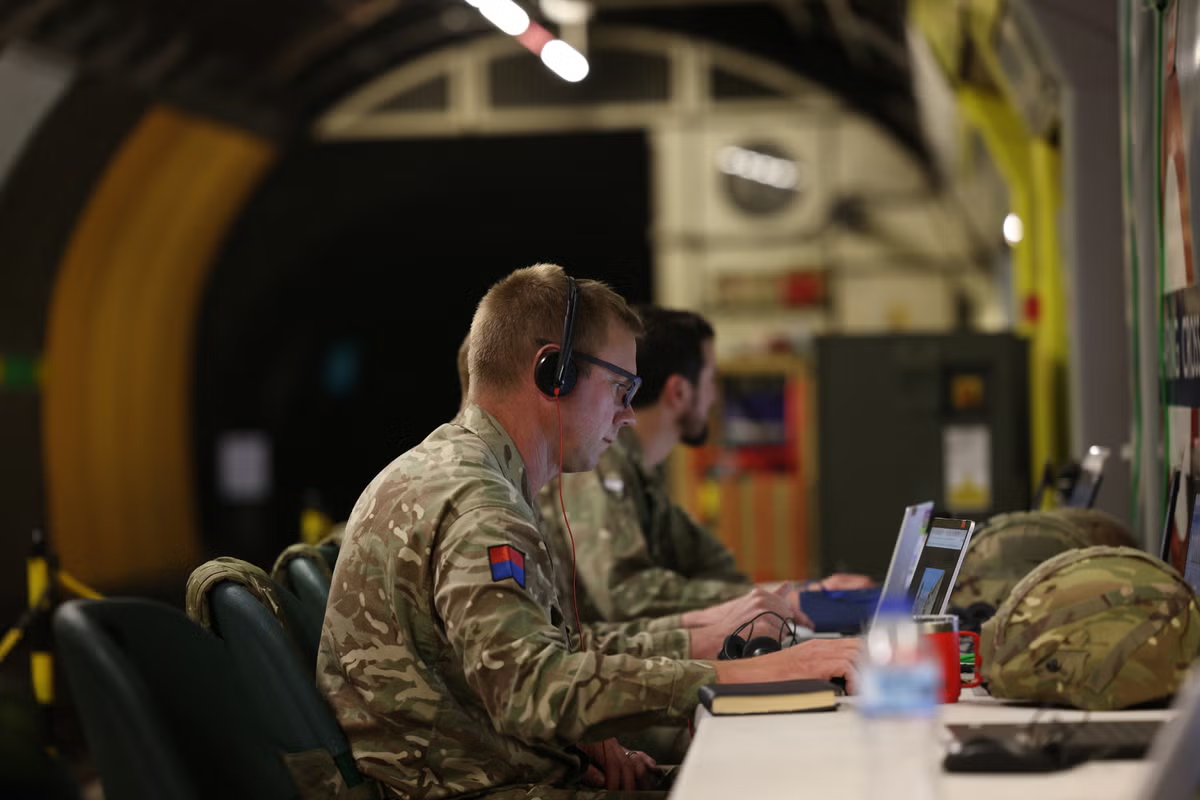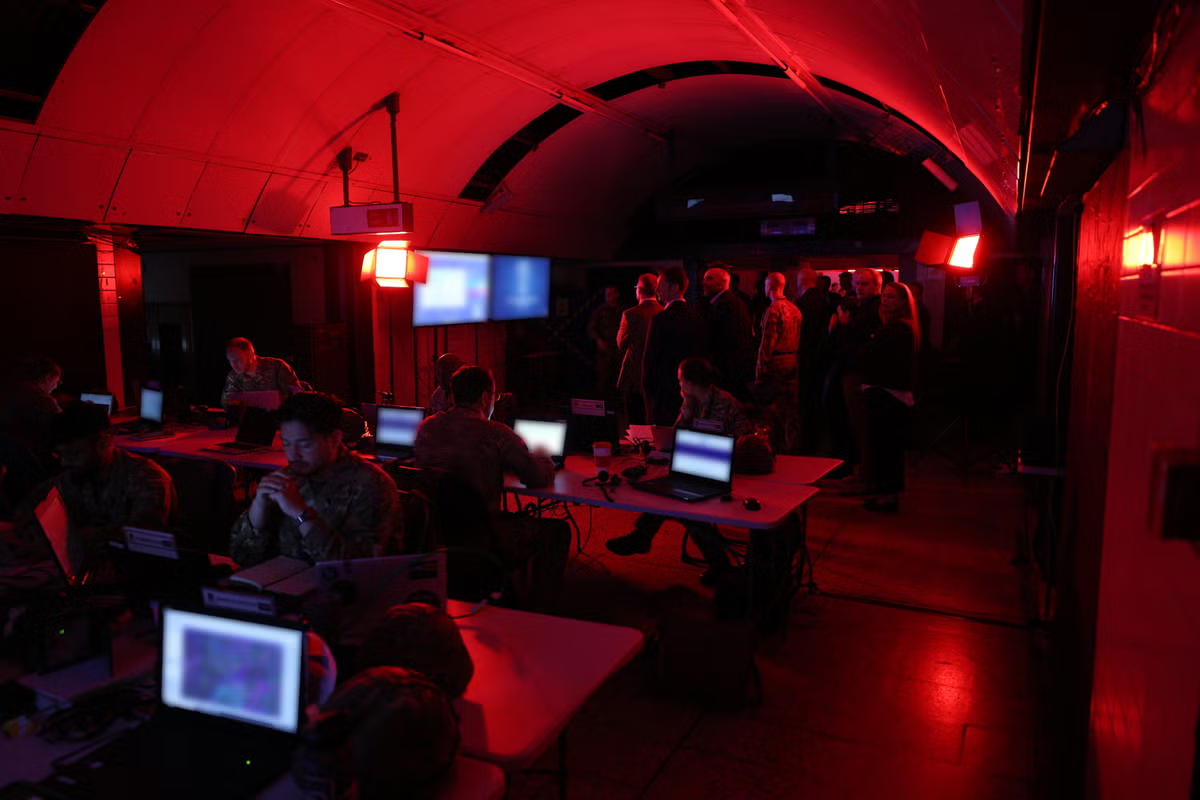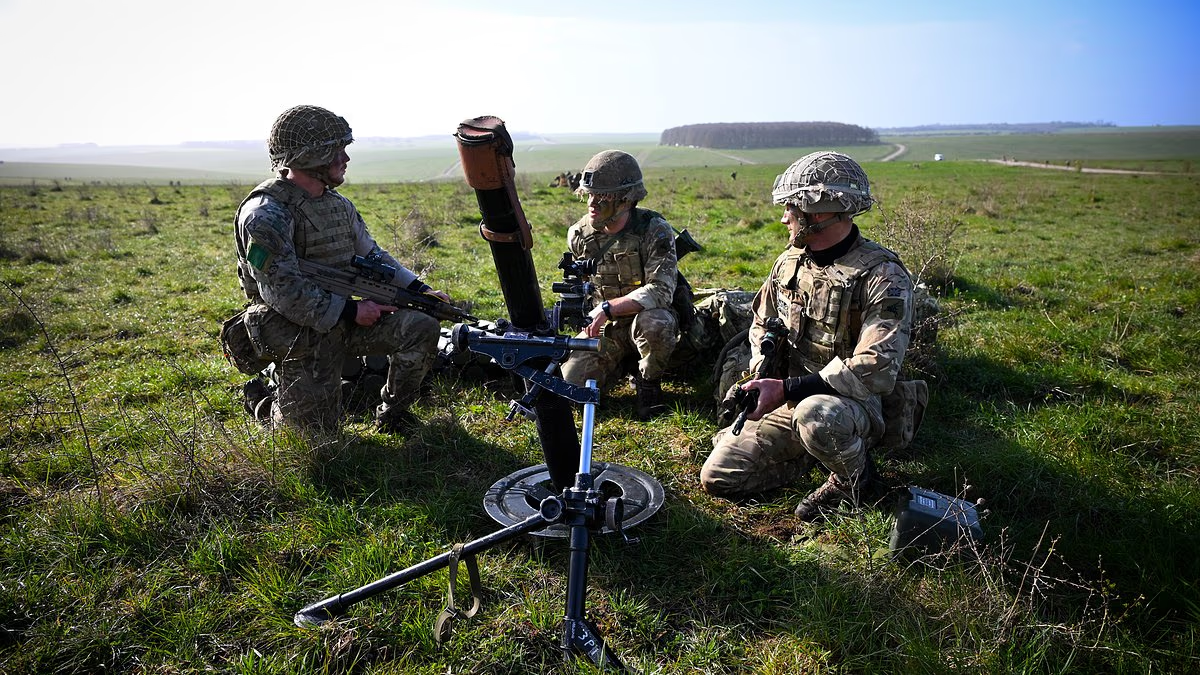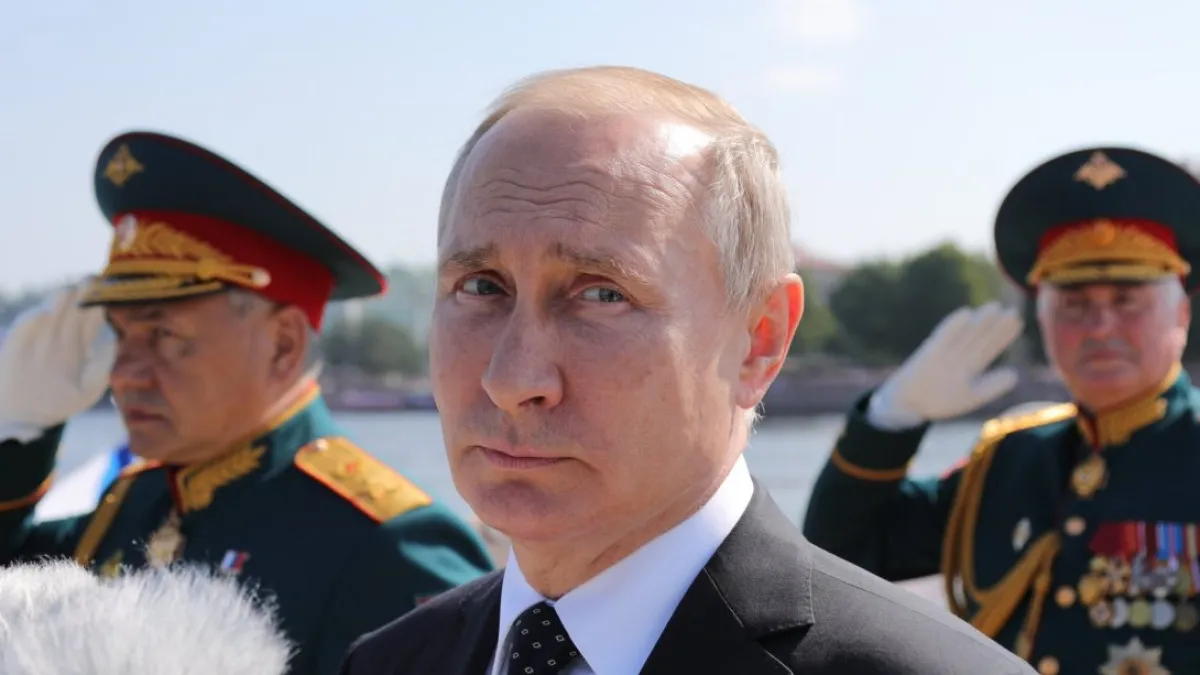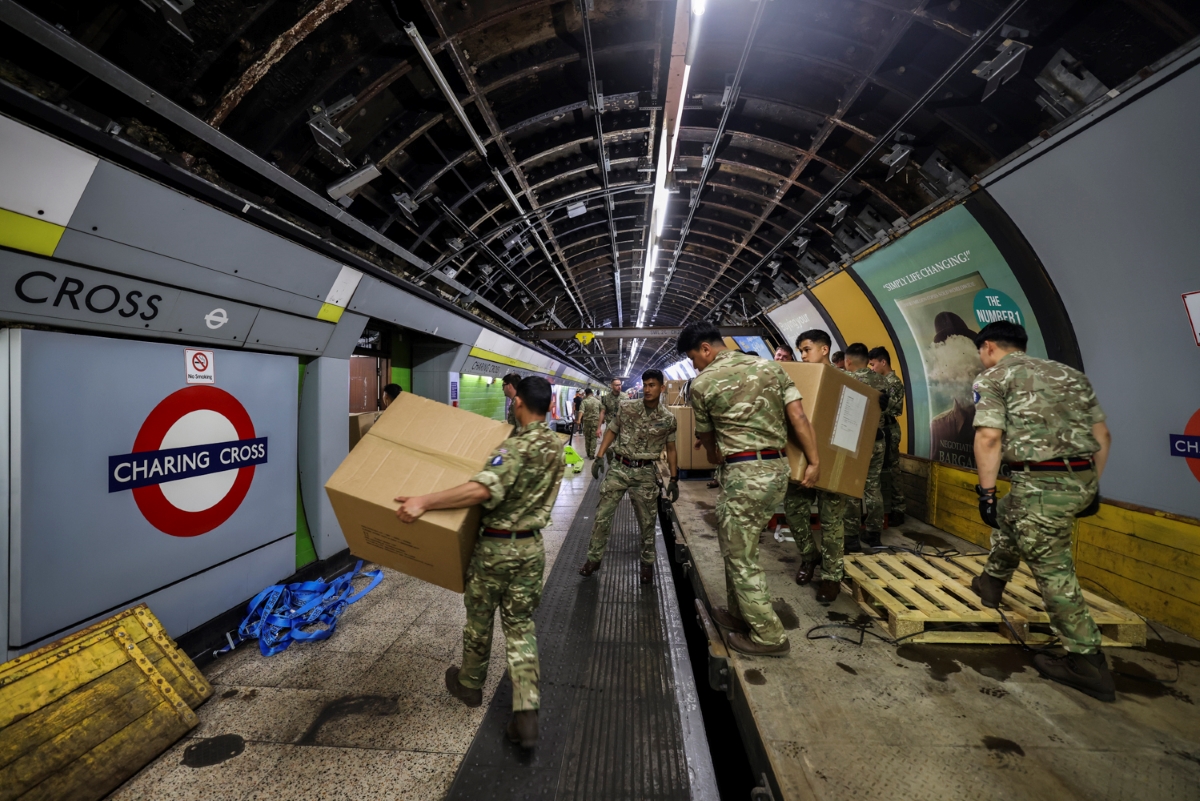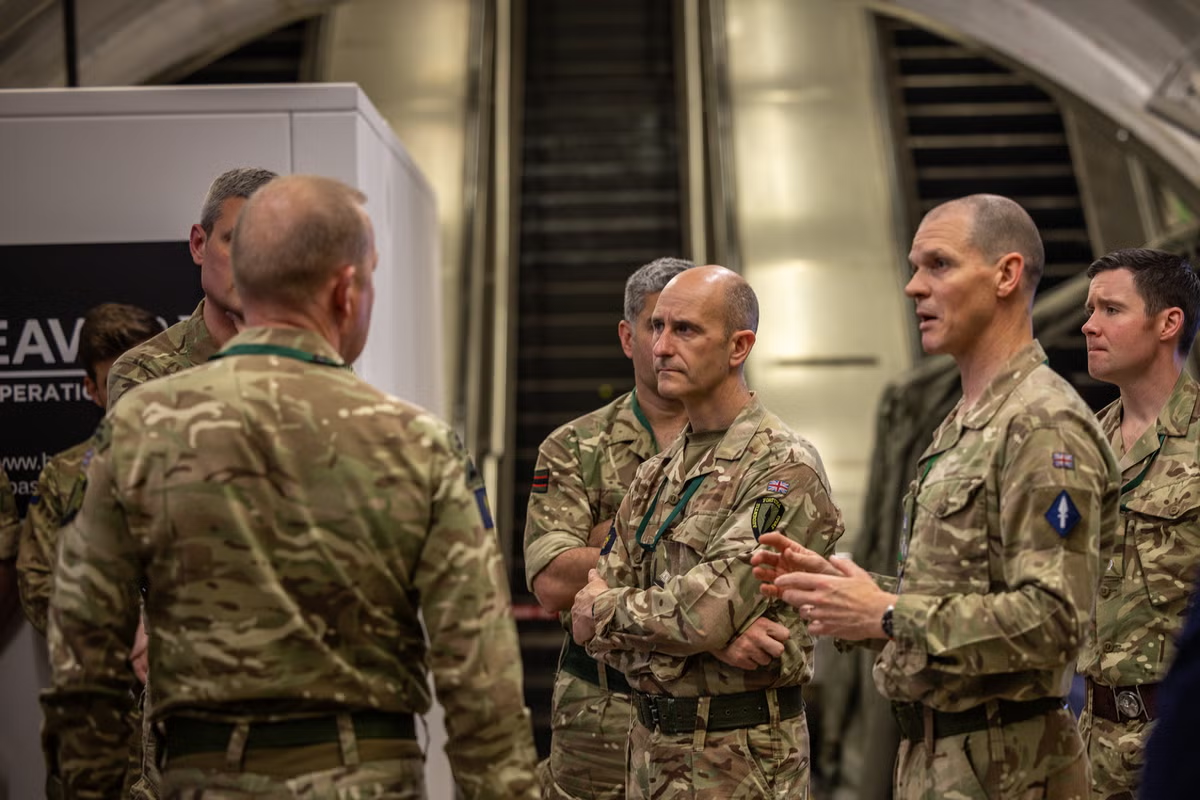
If nothing else, the current phase of Nato’s Operation Arrcade Strike should highlight the dangers inherent in the long-term neglect of the nation’s defences to a British public that is still complacent.The international joint military exercise is being run from a disused part of Charing Cross London Underground station, and is no doubt partly designed to bring home with force the vulnerability not just of the UK capital but the whole country to aerial bombardment. There are certainly echoes of the Blitz during the Second World War in the choice of location. Rightly so. Nato’s Allied Rapid Reaction Corps is testing the alliance’s ability to jam Russia’s communications and bring down drones in case of a not-so-hypothetical Russian invasion of a Baltic country – but the threat applies equally elsewhere. The Ministry of Defence revealed this week that two Russian warplanes had, within the last month, “dangerously” intercepted an unarmed RAF spy plane over the Black Sea – close enough to trigger its emergency systems.If Ukraine is the present front line in the Western defence of Europe, then other nations on Europe’s eastern flank, from Finland down to Moldova, are the second line. But Russian ambitions for control, if not occupation, are boundless. There is every reason to believe in Vladimir Putin’s declared aim of rebuilding the Eastern European empire established by the tsars and Joseph Stalin, and with it the political and industrial domination of the continent, including Germany, France and the UK.Defences so strong that an adversary will feel it is not worth the risk of launching an attack are obviously vastly cheaper in life and in finances than having to fight even a brief “hot” conflict. The nuclear deterrent is part of that, but so is having sufficient conventional forces – including the latest in drone technology – to defend the realm and, if necessary, go on the counterattack. That is the grim lesson of history, and while the methods and the armaments would be unrecognisable to past generations, the deterrent principle remains the same. From gunpowder and tanks to the unmanned vehicles and boats seen in the Ukraine war of today, having enough personnel and kit is the best way to prevent a war from happening in the first place. Defence spending is, therefore, an excellent investment in times of trouble. Almost four decades ago, when the Cold War ended, Russia seemed ready to rejoin the world community, and China was focused on its domestic affairs and its economic future. Western governments were right to enjoy the “peace dividend”, and divert the public’s money from arms to domestic consumption to improve pubic services. In the case of the UK, it meant it was suddenly possible to protect the NHS from unrelenting demographic pressures. Since the rise of Russian revanchism, that is no longer an option. Higher defence spending has become an imperative that no government can avoid, even if it imposes harsh choices on ministers and the public alike. In this context, it is deeply disturbing that the government has still not published its Defence Investment Plan, which was supposed to have been readied by the last Budget. Equally troubling are the leaks alleging that the planned increase in expenditure will be utterly inadequate for the task at hand. If the reports are correct, then only a cumulative total of some £18bn more will be allocated to the “core” defence budget (excluding pensions and other indirect expenses) over the next few years. That may be sufficient to reach the government’s short-term target, but not the one of spending 3 per cent of national income on defence by 2030, nor the 3.5 per cent target set by Nato for 2035. The problem with all the targets expressed as proportions of national income is that, because economic growth is projected to be variable and sluggish, defence spending in absolute terms will not rise to the level required to deter Putin from contemplating an attack on Britain and its allies. This is even more the case if America continues to disengage from Europe. By contrast, the Poles, rightly nervous for historical reasons about their more powerful and numerous neighbours, have set themselves far more ambitious aims, based on a realistic calculation of what it would actually take in cash terms to defend their country and those around it – more or less double the Nato spending requirement. It is an approach the British government seems reluctant to emulate, and the principal reason appears to be the resistance within the parliamentary Labour Party to contemplating restraint of spending on other priorities, such as social security. That is understandable, but something has to give, and “defence bonds” are not much of an option given the national debt.If ministers wanted to boost spending to, say (pro rata) Polish levels, and the Treasury was able to adjust budgets to accommodate that, Labour MPs would simply veto it. The one thing that might force a change of mind would be public opinion. That is hardening, but not nearly enough yet. Not even the prospect of Russian hypersonic missiles and swarms of drones destroying British cities has yet broken the illusion that peace is an indefinite “given”. It is a historic and costly mistake.
Putin will not wait for the UK to get its act together on defence
Editorial: Nato’s joint military exercises on the London Underground are a reminder that the UK’s soft targets are underprotected and underfunded – even as our enemies are looking more dangerous than ever
869 words~4 min read