Russia’s vast “shadow fleet” of vessels has been seen primarily as a means of keeping the Kremlin’s oil revenues flowing despite Western sanctions. But a new report from the monitoring group ACLED argues the fleet has evolved into something bigger – a flexible platform for hybrid warfare across northern Europe.
Issued on: 22/05/2026 - 18:09Modified: 22/05/2026 - 18:15
4 min Reading time
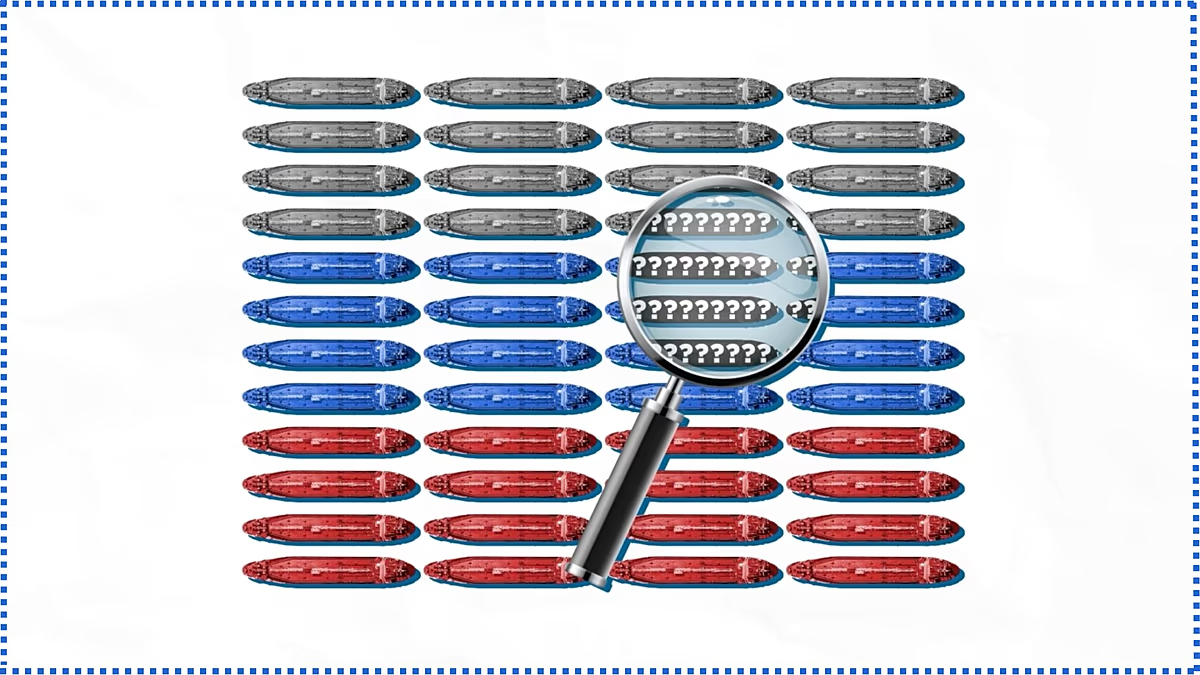
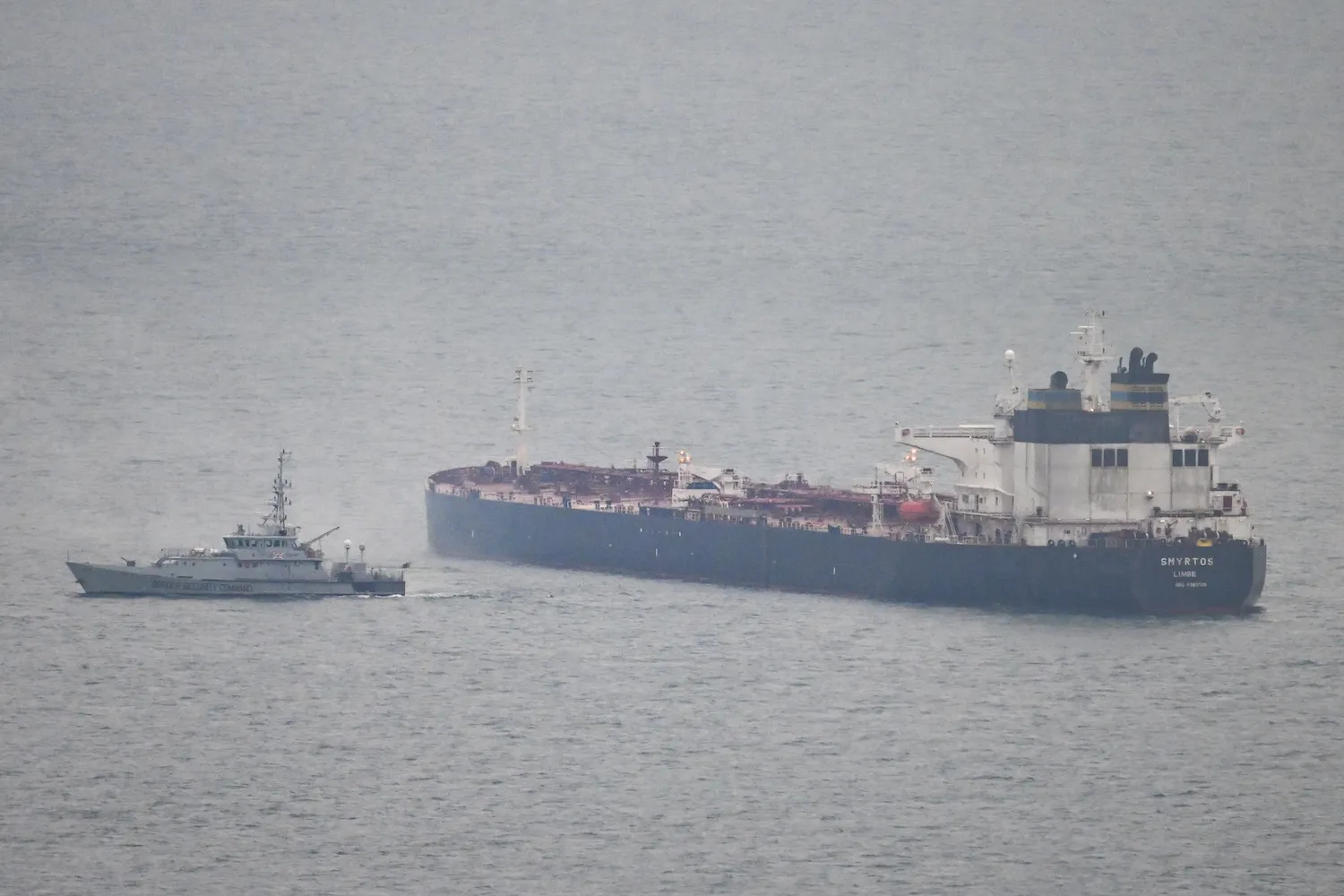
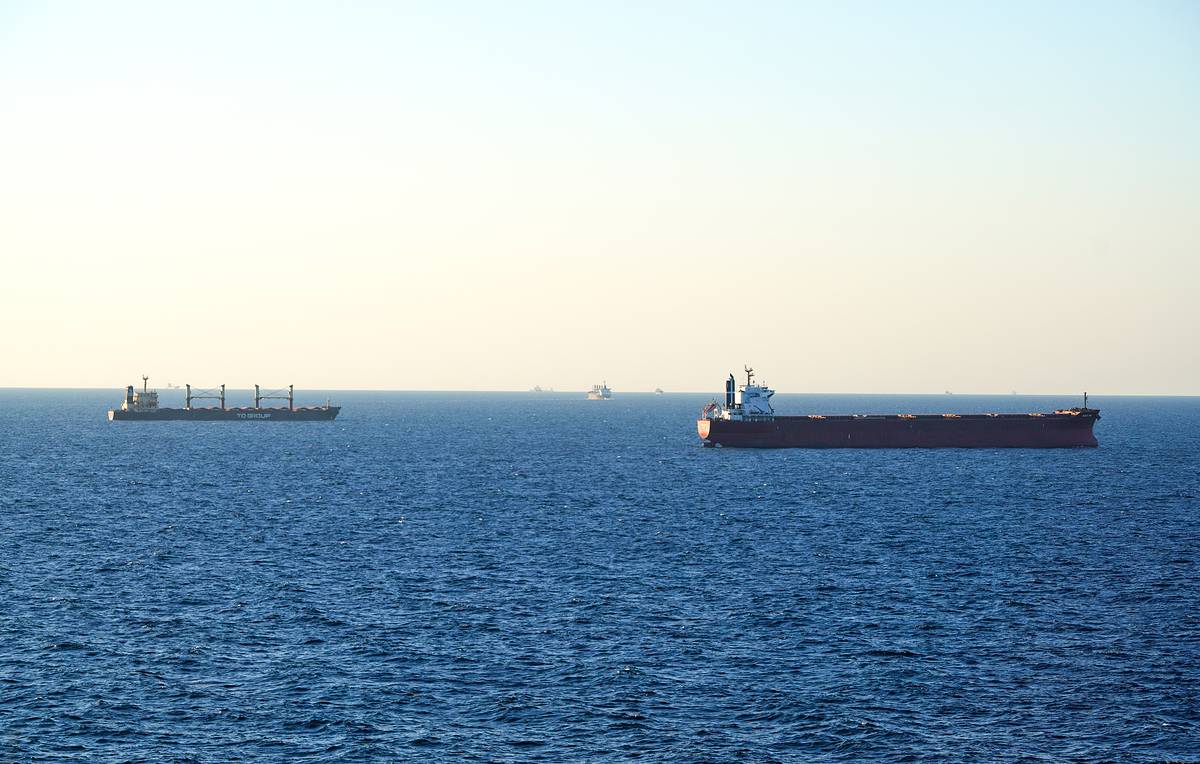
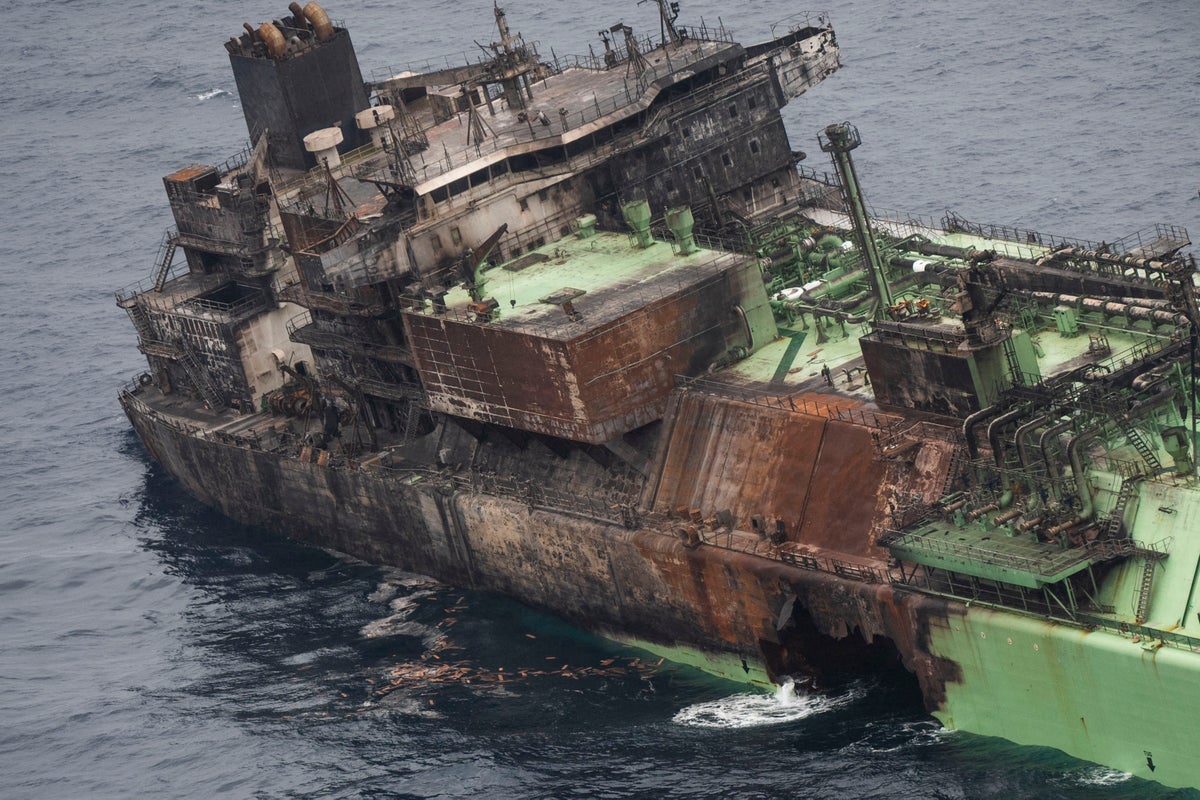
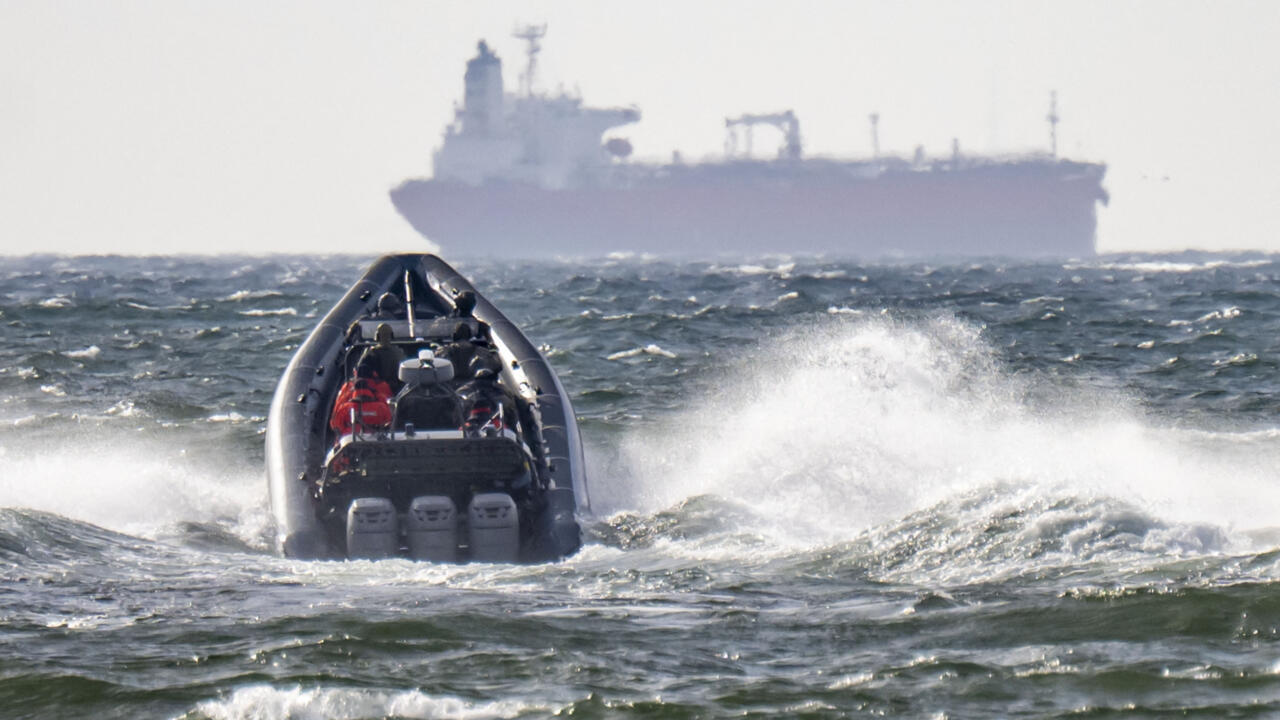
In a report published on Friday, the conflict-monitoring organisation ACLED describes an increasingly emboldened maritime system that allows Moscow not only to circumvent sanctions, but to operate in the grey area between commerce, espionage, intimidation and sabotage. Despite hundreds of sanctions, Russia is still successfully using the fleet to sustain its war economy, exposing vulnerabilities in Europe’s critical infrastructure. According to ACLED, the fleet comprises anywhere between 1,000 and 3,200 vessels. Ukrainian authorities have identified nearly 1,400 ships, while estimates suggest the network now transports up to 80 percent of Russia’s seaborne crude exports. Many of the vessels are ageing tankers hidden behind layers of shell companies, false registrations and frequent name changes. Crews are reportedly recruited through WhatsApp, communications rely on Starlink, payments can be made in cryptocurrency, and ships often manipulate or disable their Automatic Identification Systems to avoid tracking. This has allowed Moscow to keep oil moving around the globe even as the European Union, the United Kingdom and the United States have imposed broad sanctions. As of May 2026, the EU alone had sanctioned 632 vessels linked to the shadow fleet. However, under the UN Convention on the Law of the Sea, European states cannot board or seize suspicious vessels unless they can prove criminal activity or demonstrate that a ship is effectively “stateless” – which has created an ideal operating environment for Russia.