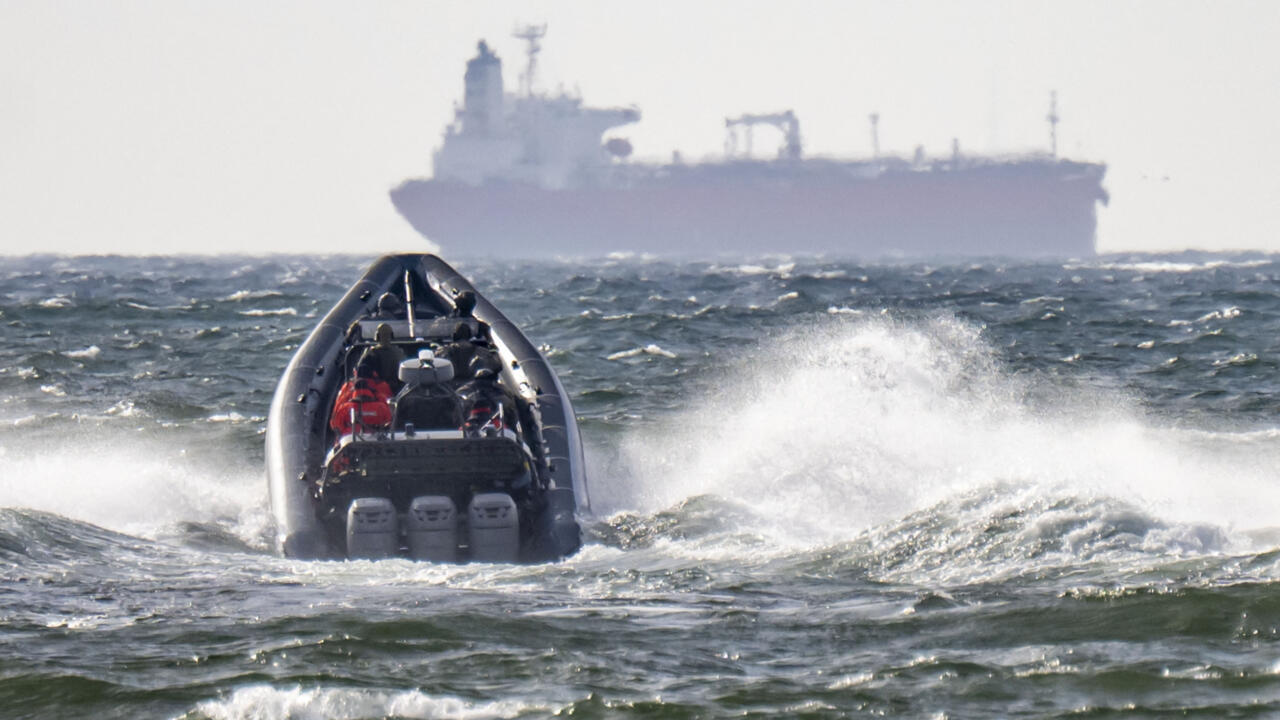
The Guardian joins the Swedish coastguard to patrol an area that has become a hybrid warfare battleground
I
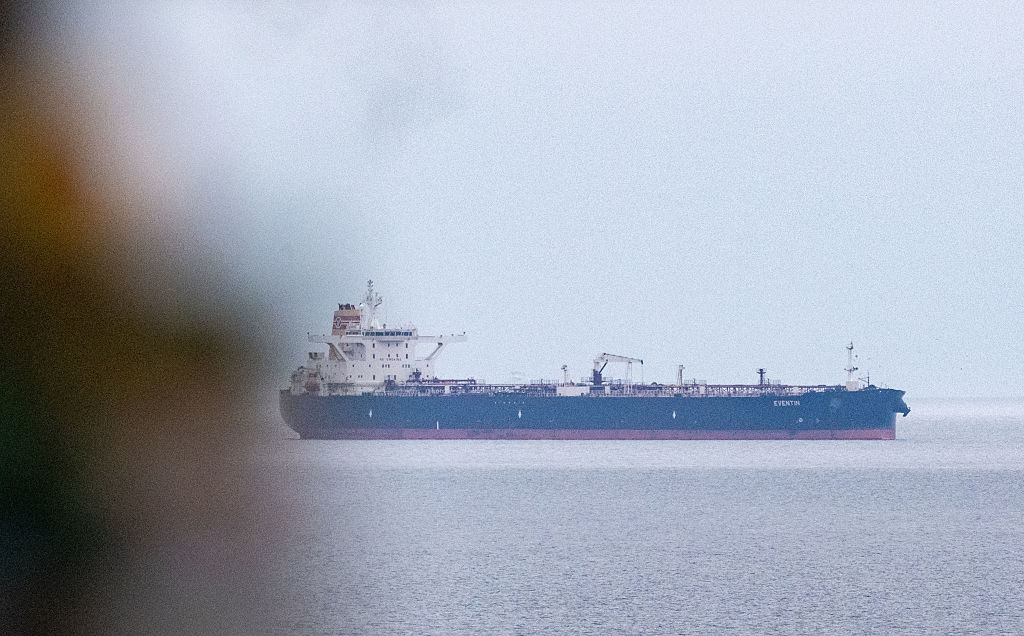
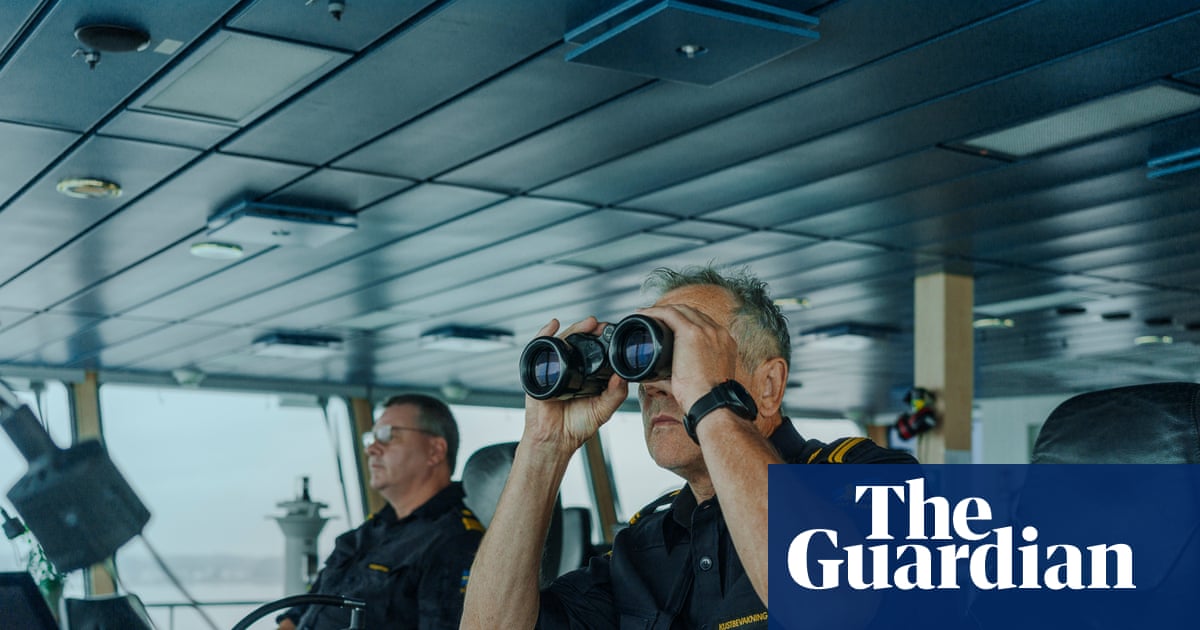
n front of a bank of screens on the boat’s bridge, the Swedish coastguard Jan Erik Antonsson shows on a live map on a laptop how many vessels of Russia’s “shadow fleet” there are in the area. “These green symbols are the shadow fleet,” he says. More than a dozen green triangles representing shadow fleet vessels pop up around the coastline of southern Sweden alone.
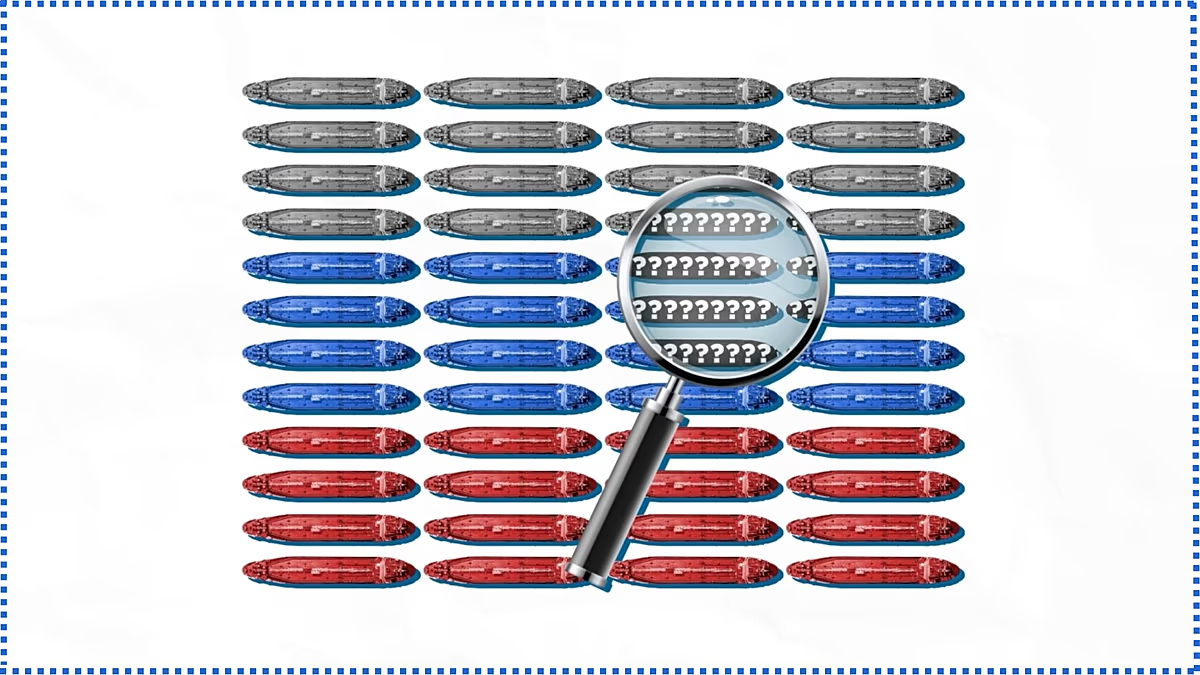
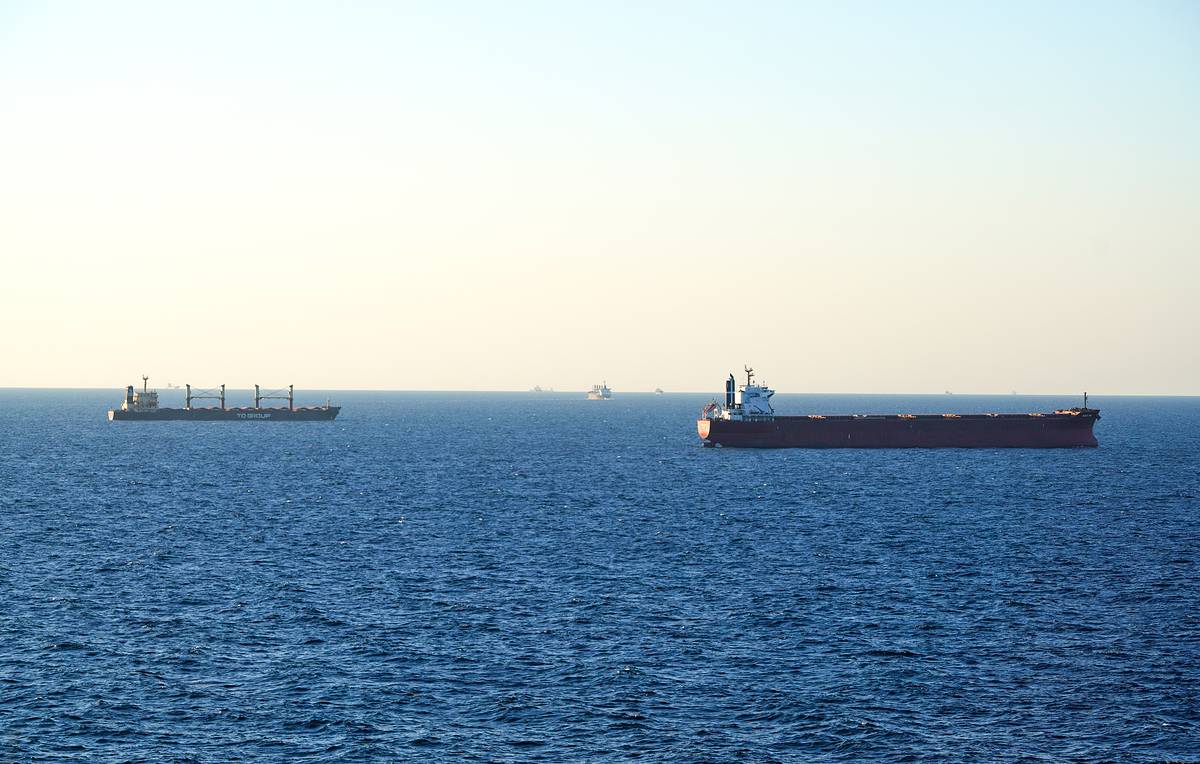
Every day hundreds of shadow fleet ships – unregulated ageing tankers from around the world in varying states of repair carrying oil from Russia to states including China and India – are moving through a relatively narrow passage in the Baltic.
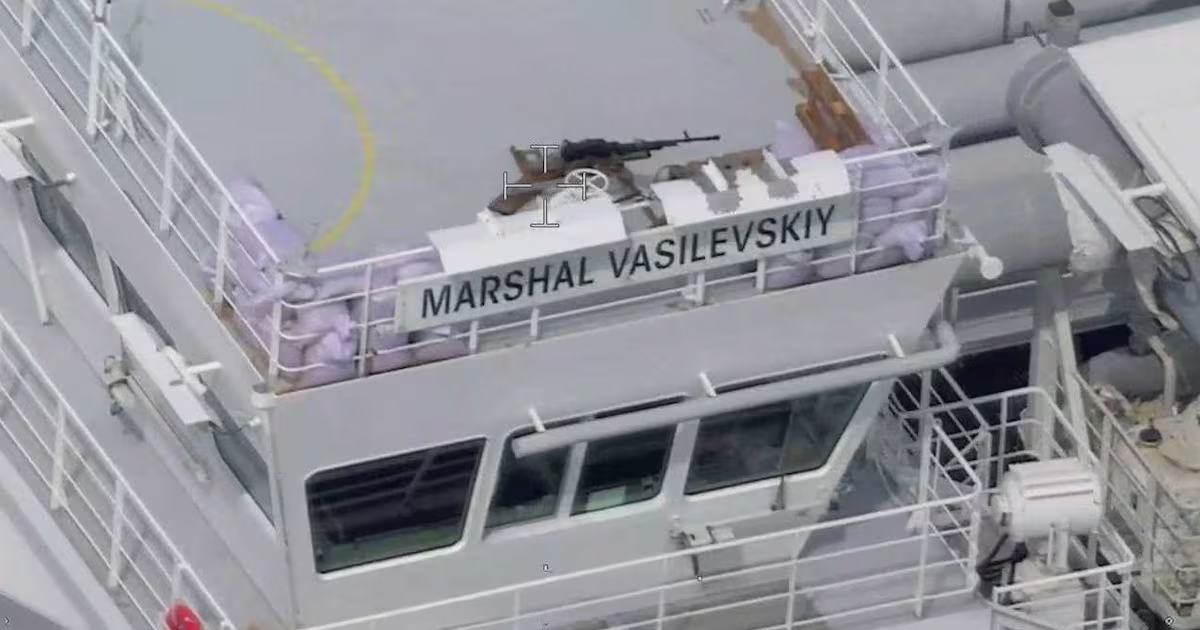
What was previously hoped would effectively become “Nato lake” after Finland and Sweden joined Nato, has instead become a battleground for hybrid warfare and the shadow fleet, which move under various identities and change flags to circumvent western economic sanctions imposed on Moscow since its full-scale invasion of Ukraine.