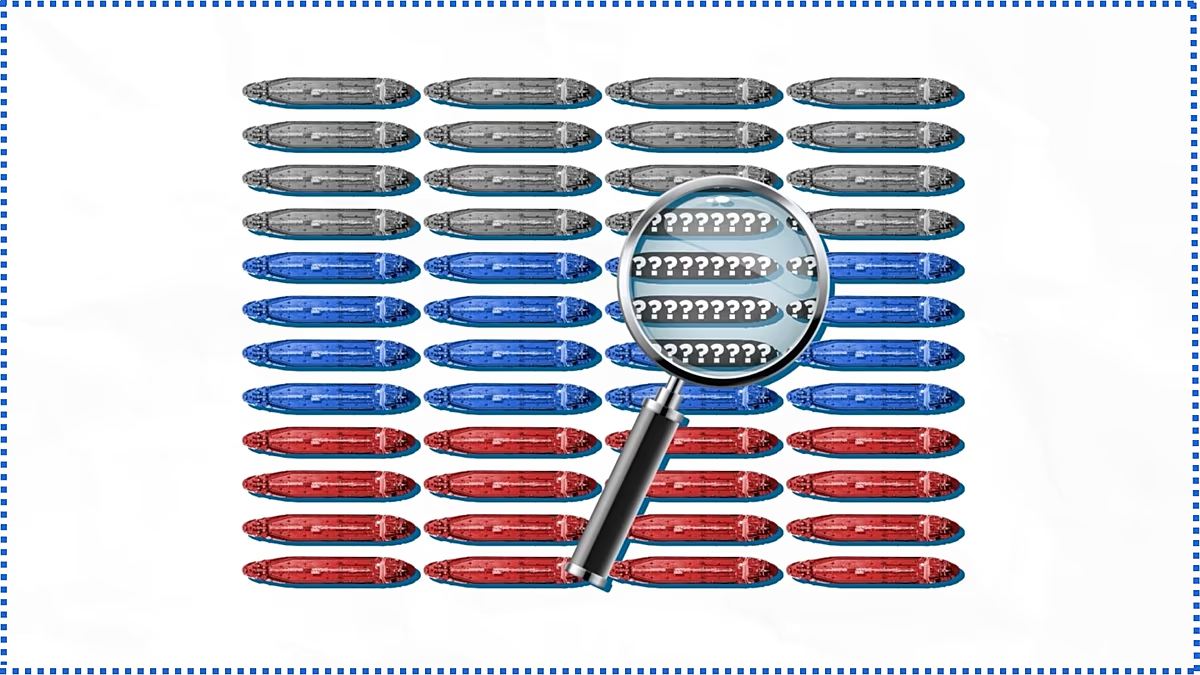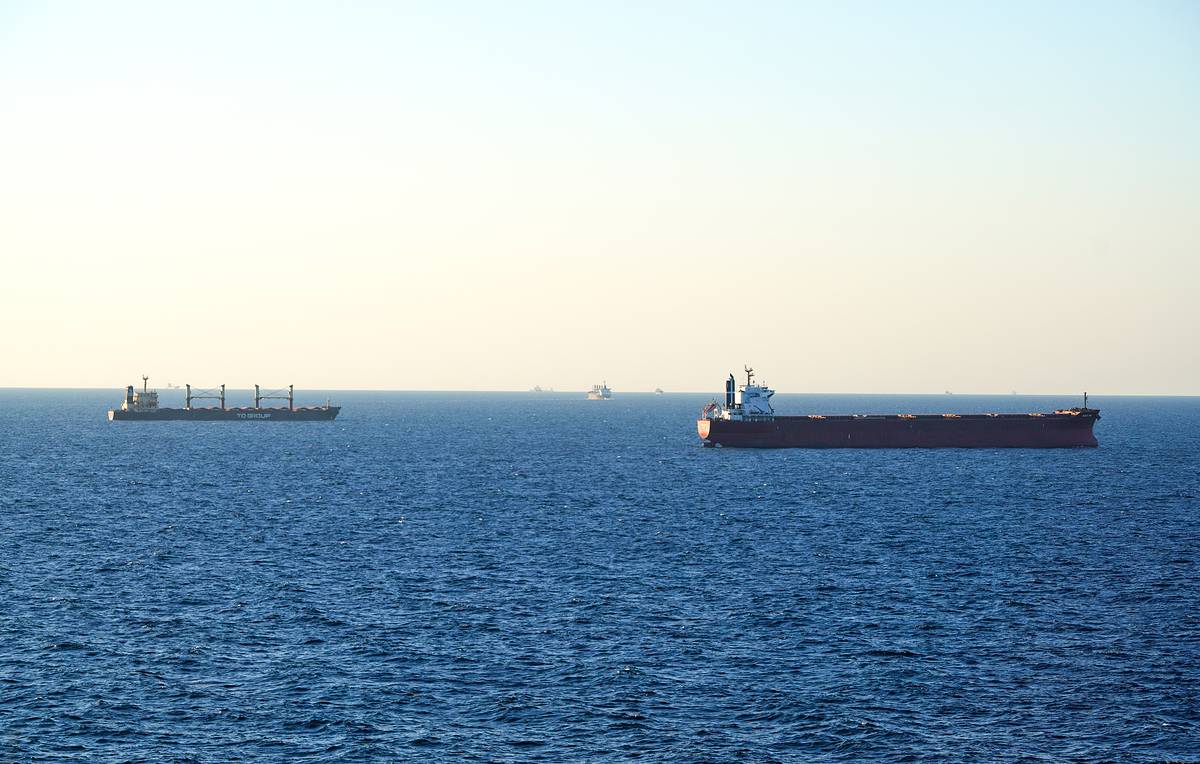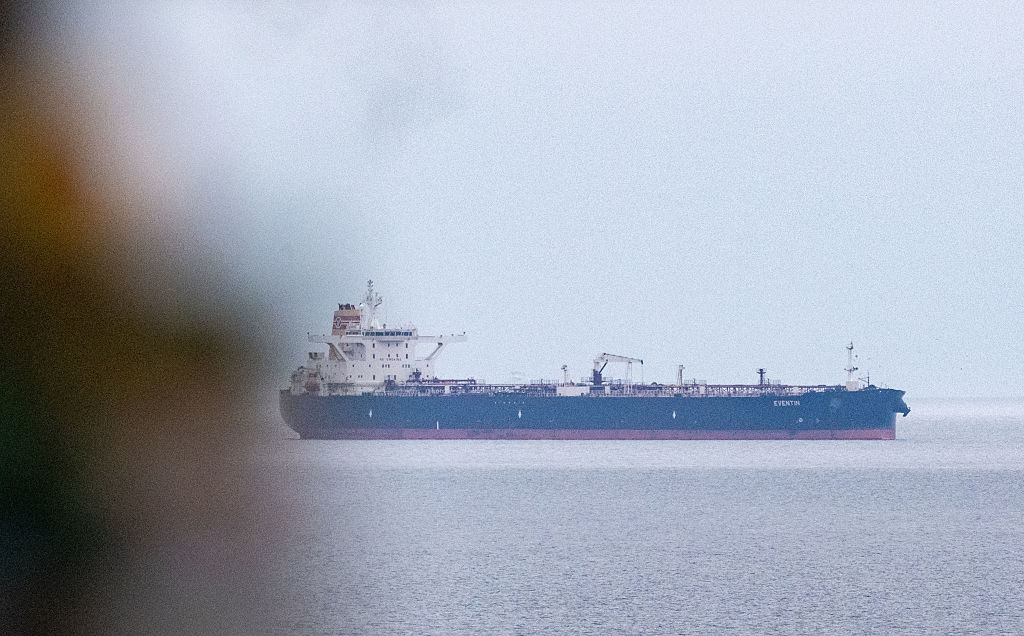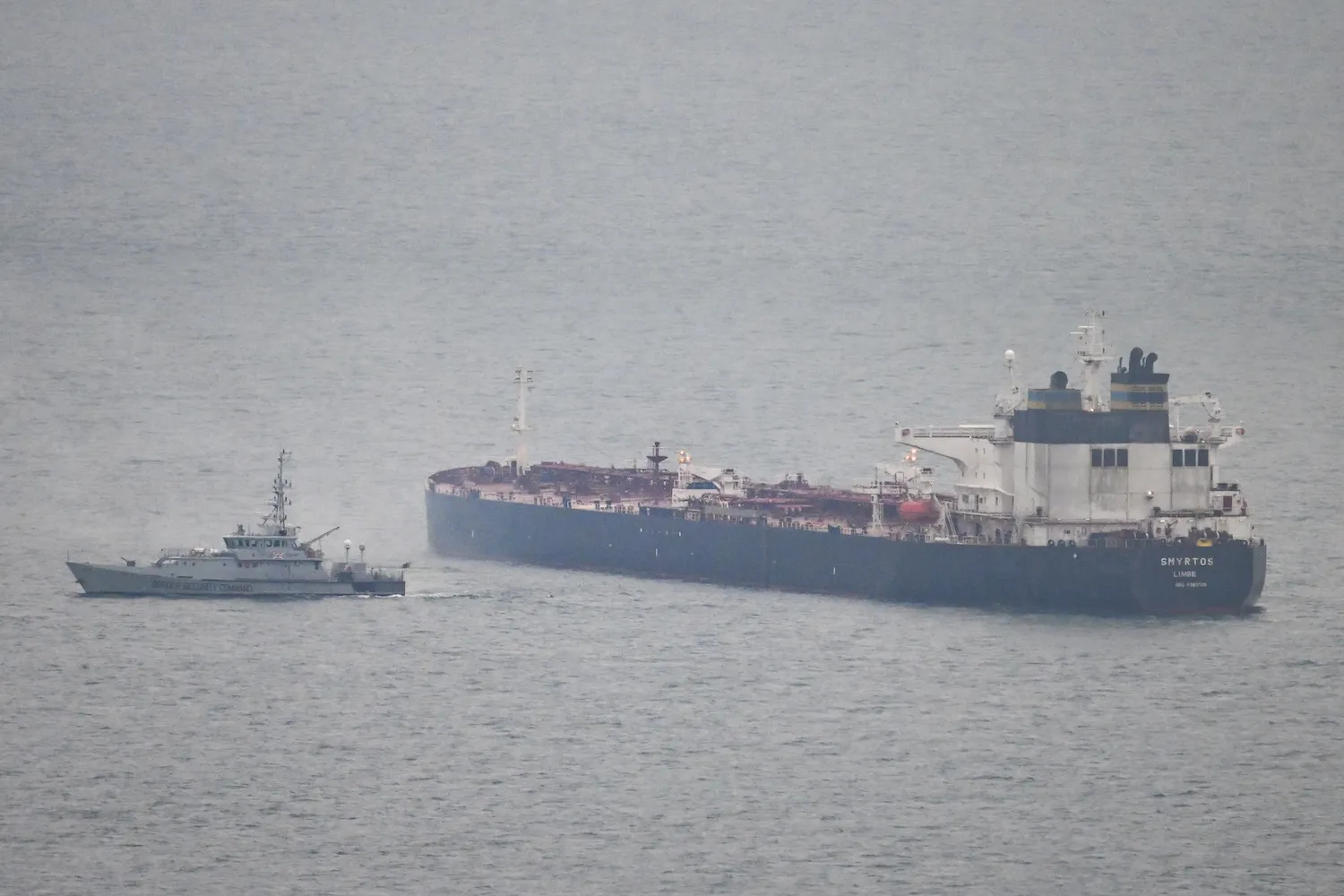
The Kremlin’s shadow fleet is coming out of the shadows. In recent months, the Russian Maritime Register of Shipping has been unusually busy. The ships it is registering aren’t newly built ones, the kinds of ships that typically register in established maritime nations like Russia. Rather, they are old and in some cases not particularly safe—the sorts of vessels, in other words, that belong to the shadow fleet and have typically registered overwhelmingly in nations with minuscule maritime expertise, such as Togo, Cameroon, and the Cook Islands. At the end of 2024, a mere 4.3 percent of Moscow’s shadow tankers were flagged in Russia; by the first quarter of this year, their share had skyrocketed to 19.5 percent, according to a new report from the Kyiv-based KSE Institute.
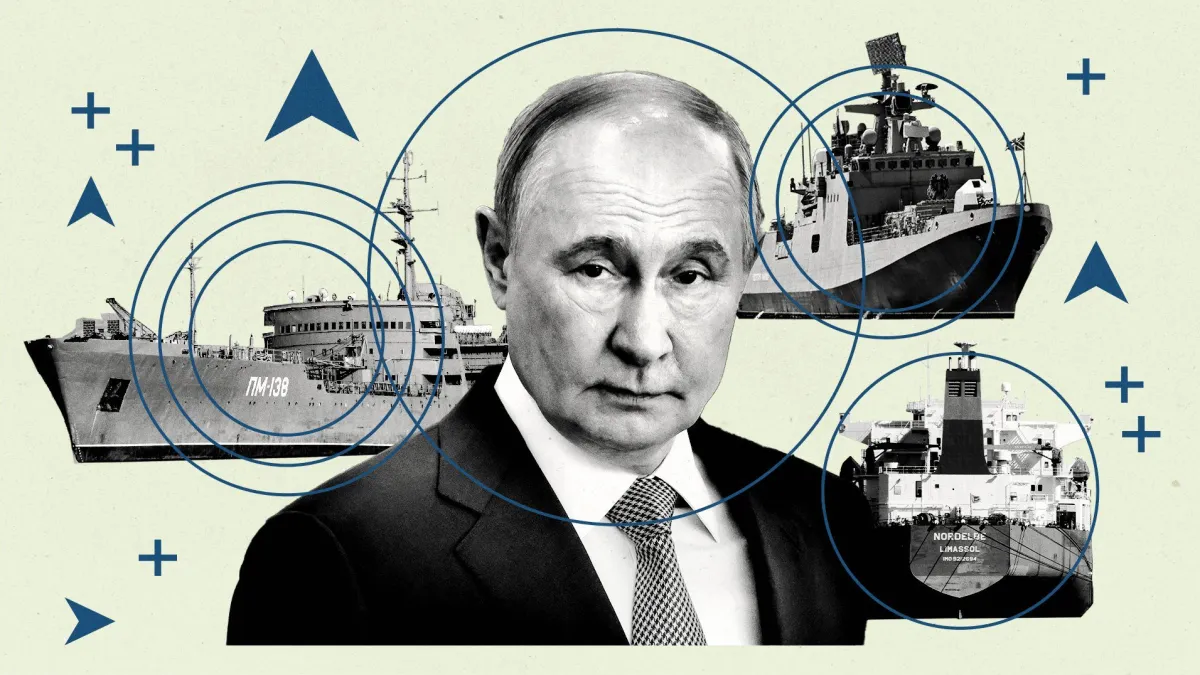
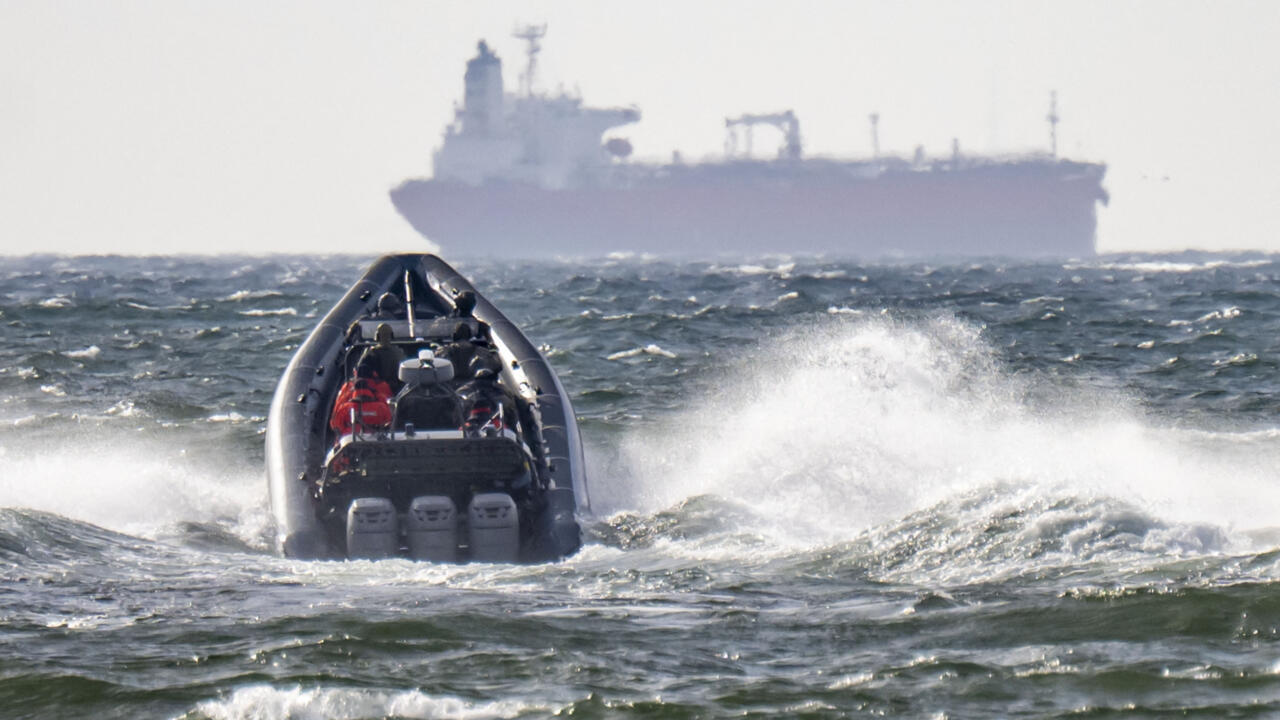
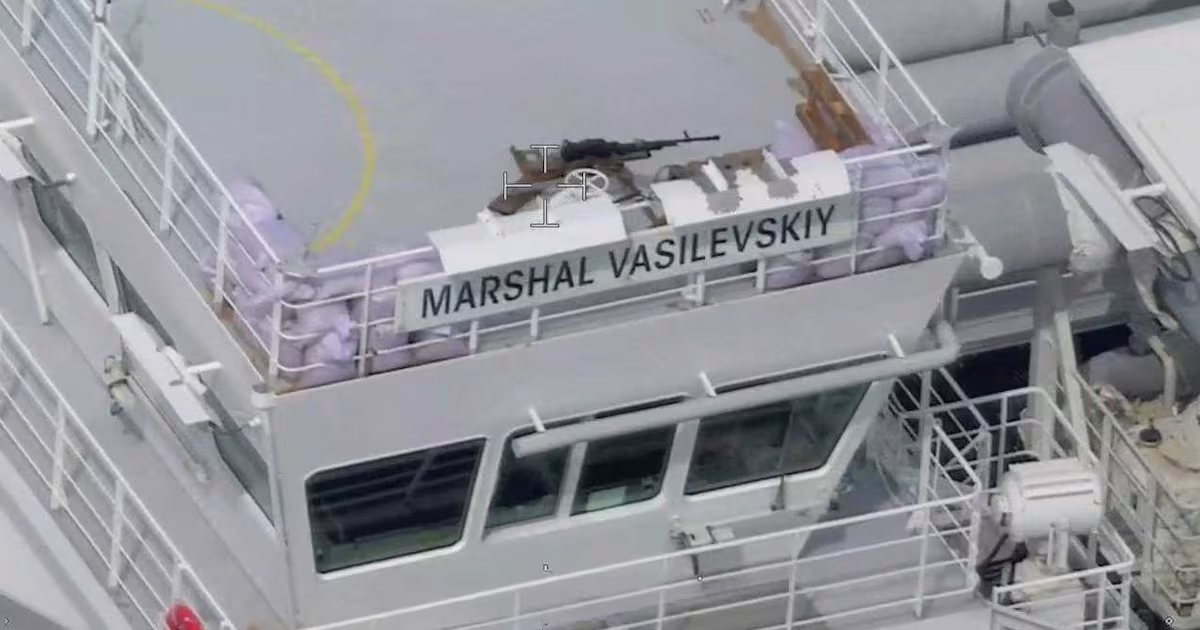
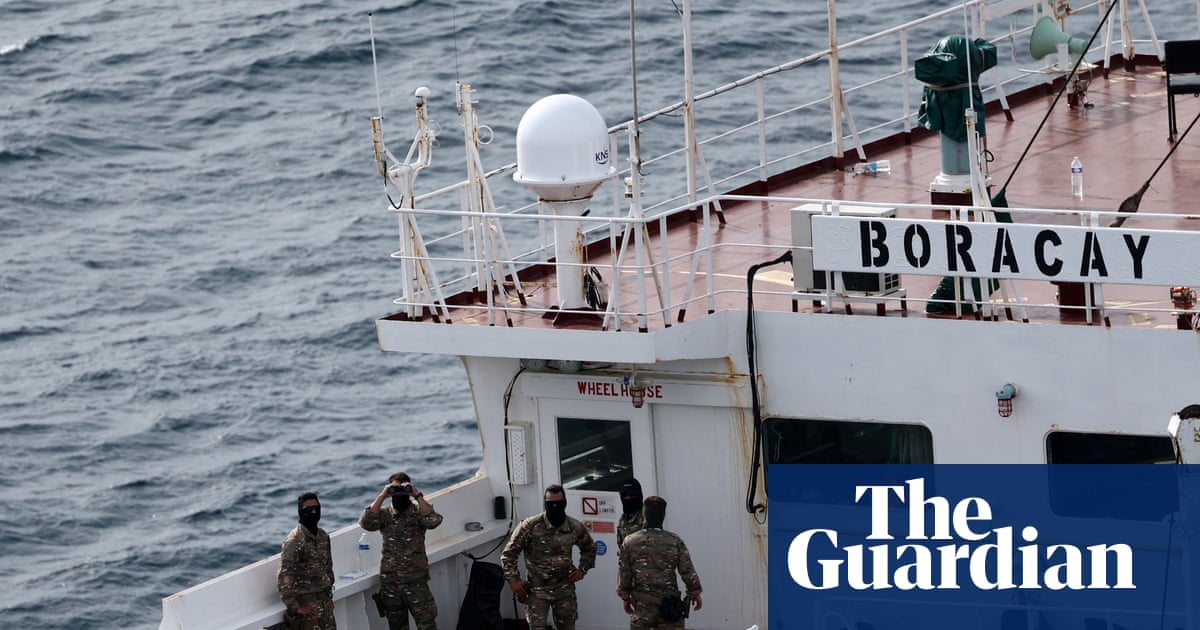
The reason for all this re-registering is a draft presidential decree from Vladimir Putin intended to speed up the process of laying claim to the country’s shadow fleet. In other circumstances, this could represent a victory for transparency. In reality, though, it actually indicates something more alarming. Not only is Russia accepting ownership of the vessels that used to do its dirty business, but it is also arming them and giving them naval escorts. In other words, rather than use flags of convenience to disassociate itself from smuggling, the Kremlin is doubling down on its identity as a rogue nation. This creates a new and dangerous challenge for European nations that are struggling to crack down on illicit Russian shipping.