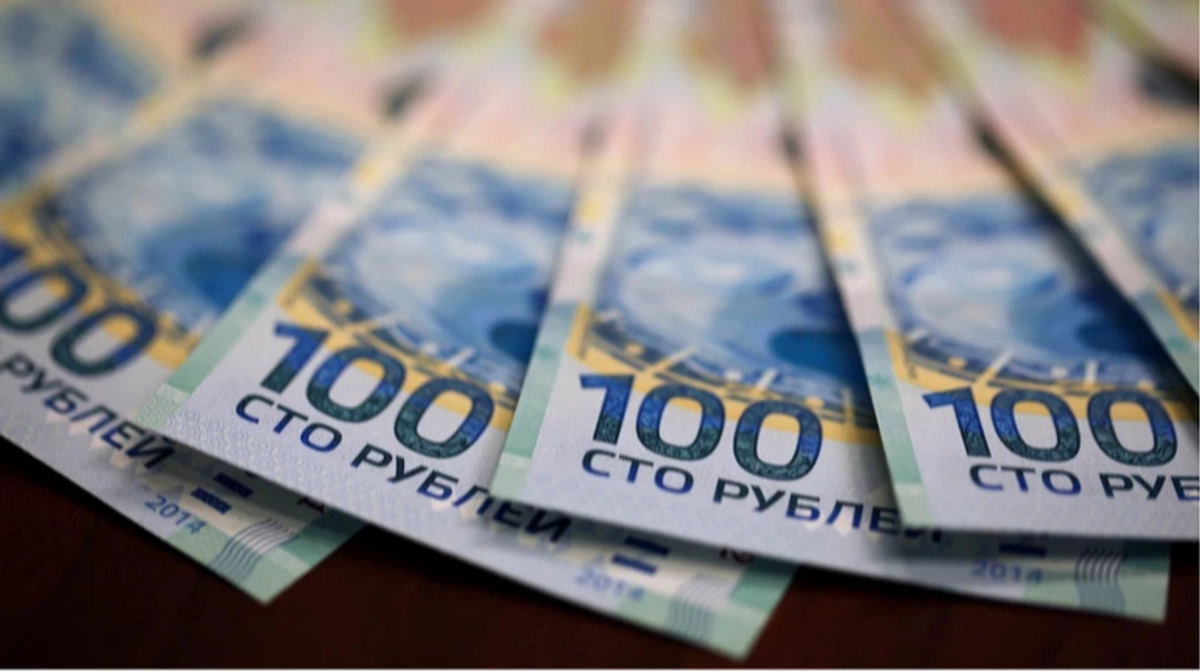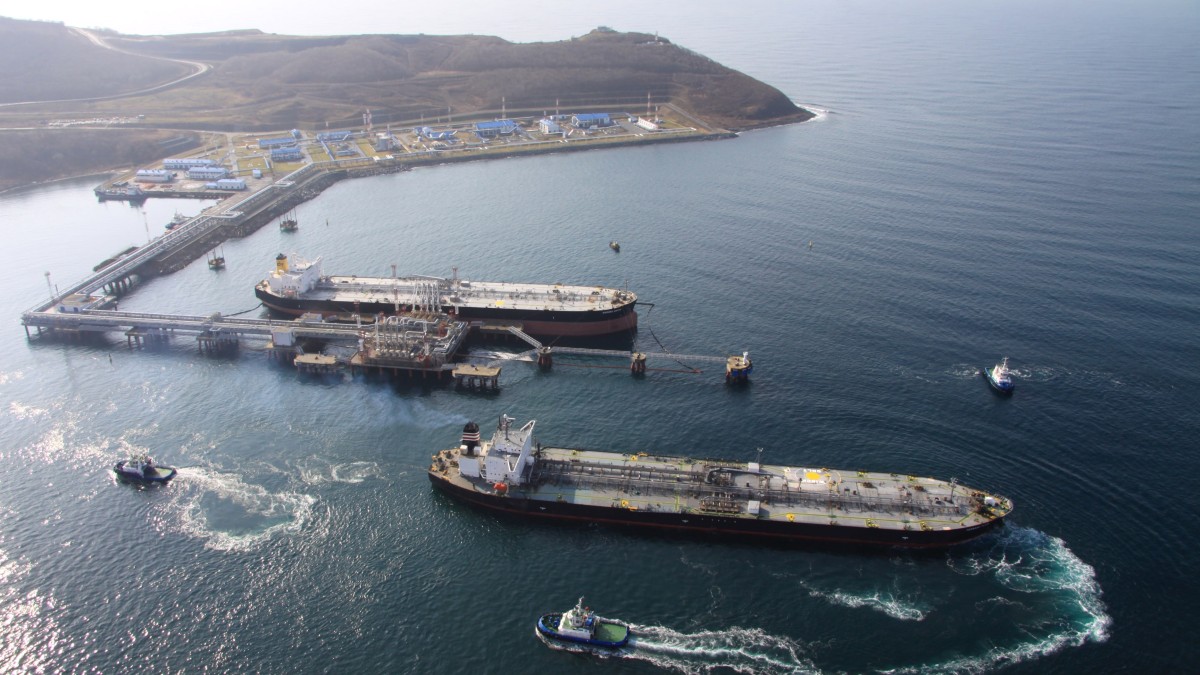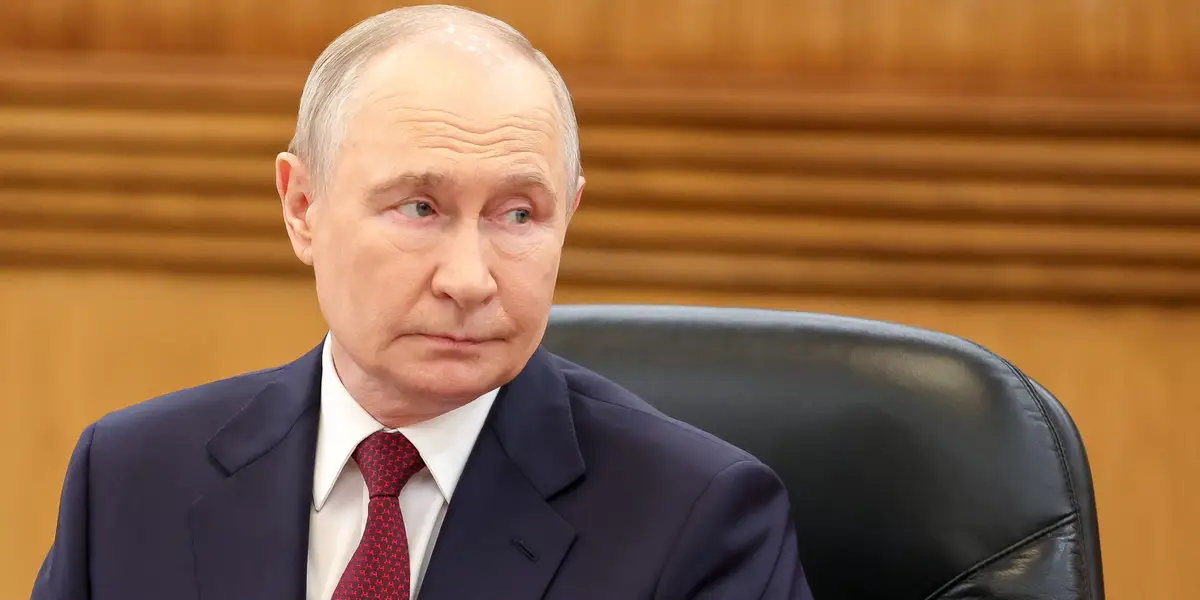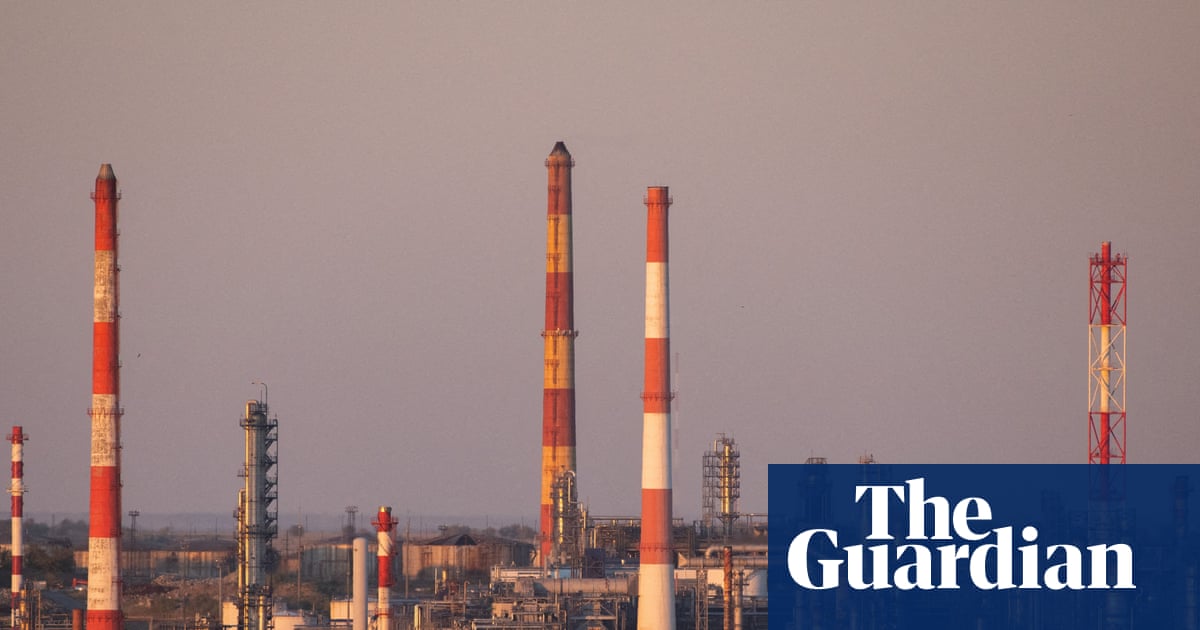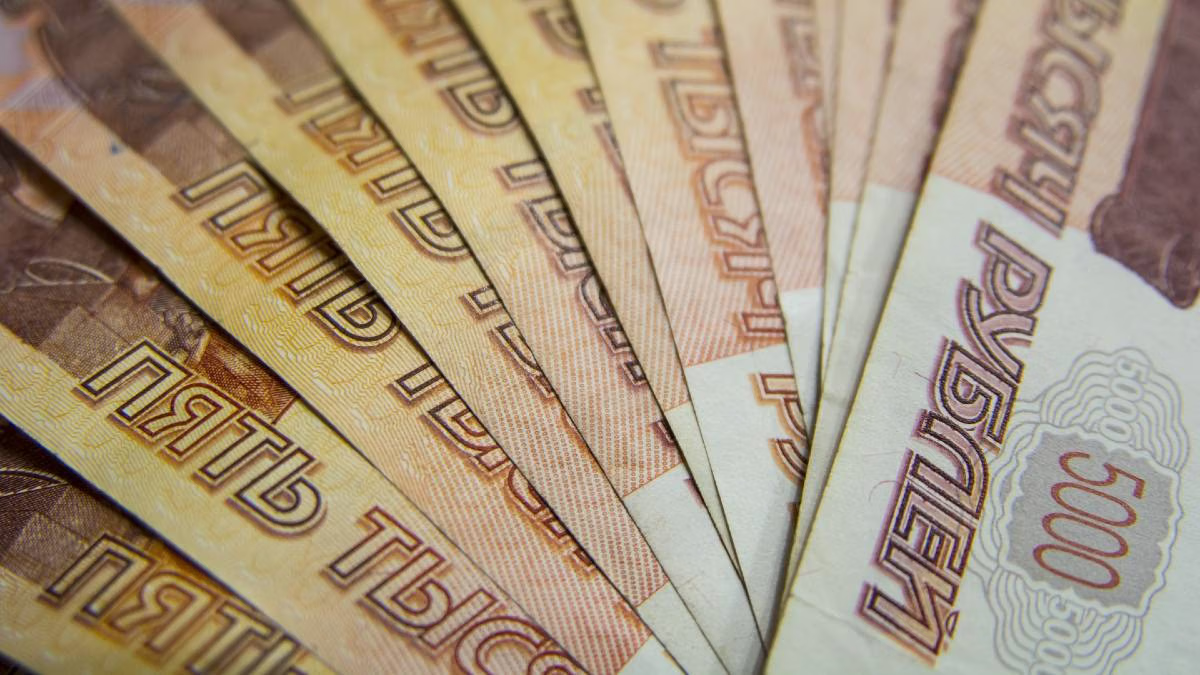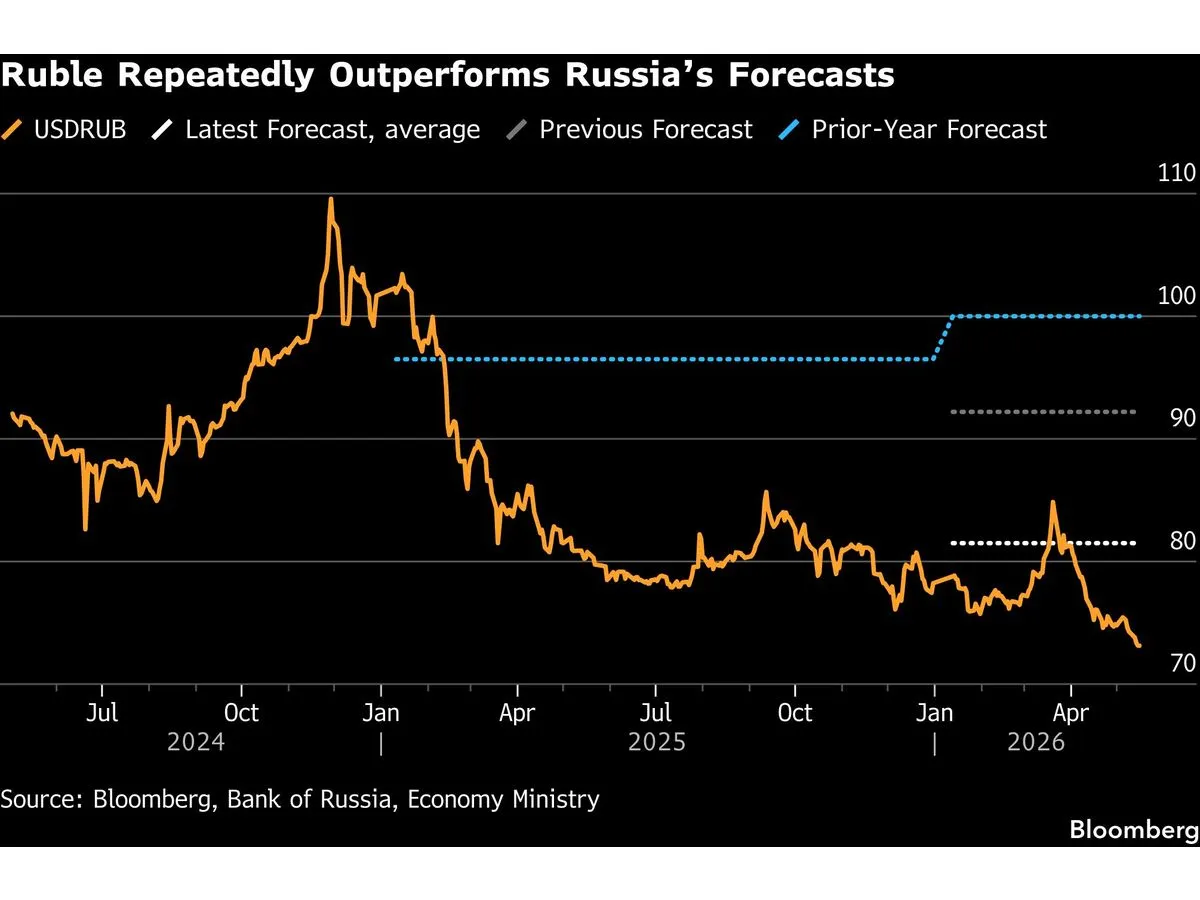
Russia is emerging as an early beneficiary in the Iran war, as it is seeing a surge in oil revenue due to rising crude prices.Oil and gas revenue is the primary source of income for Russia, the third-largest oil exporter behind Saudi Arabia and the US. A recent Reuters calculation showed Moscow's state oil and gas revenue are projected to increase by 39 per cent year-on-year this month on rising oil prices.Increased spending on its military since it invaded Ukraine in 2022 has strained the Kremlin's finances.However, energy supply constraints caused by disruptions in the Strait of Hormuz and attacks on key infrastructure sites across the Middle East and relaxed sanctions are opening an opportunity for partial economic relief for Moscow.“There are inherent tensions and trade-offs when making decisions about how to licence or waive certain existing sanctions with respect to Russia,” said Alex Zerden, founder of Capitol Peak Strategies and a former Treasury official.Underscoring that tension was this week's G7 conference in Paris, where US Treasury Secretary Scott Bessent pushed his counterparts to impose harsher economic restrictions on Iran's banks, financiers and shell companies. At the same time, the US also announced it was extending a 30-day waiver on Russian oil shipments already at sea.Mr Bessent defended the move in a post on X, saying it was necessary to stabilise the oil market and support energy-vulnerable countries that are dependent on oil imports.US Democratic Senators Jeanne Shaheen and Elizabeth Warren said Treasury's decision to extend its waiver on Russian oil shipments is an “indefensible gift” to the Kremlin.“The administration’s stated concern for energy-vulnerable countries would be more credible had it not launched [the Iran] war, or if it had used policy tools to limit the prices Russia could push on those countries,” they said in a joint statement.UK eases sanctions The UK also announced it had relaxed sanctions on imports of Russian jet fuel and diesel refined in third countries, such as India and Turkey. The move came after officials in the G7 pledged to place “severe costs” on Russia.Conservative opposition leader Kemi Badenoch criticised British Prime Minister Keir Starmer's decision. Mr Starmer said the “short-term” licences were issued to protect UK consumers struggling with rising energy prices.The US, UK and other western countries placed unprecedented financial sanctions against Russia following its invasion of Ukraine in 2022 that targeted Moscow's oil exports and so-called shadow fleet, banks, and placed restrictions and asset freezes on thousands of Russian elites. Russian oil flows shifted from Europe to China and India, which Moscow sold at a discount to bypass sanctions and to account for its higher risk profile.An analysis from the Centre for Strategic and International Studies showed India's purchases of Russian oil rose from roughly 20,000 barrels per day before the imposition of sanctions to a peak of 2 million barrels per day, saving Indian refineries between $11 billion and $25 billion in 2023-24.Western sanctions – including those placed by US President Donald Trump's administration on Russian oil majors Rosneft and Lukoil – forced Russian oil companies to sell their crude at a discount, ranging between $20 and $30 per barrel below Brent, in December 2025, according to Reuters data.Alexander Kolyandr, a senior fellow at the Centre for European Policy Analysis, said the war in the Middle East and the relaxation of sanctions are narrowing the discount. He estimates that every $10 for which the discount is narrowed is worth about $1.6 billion a month to Moscow's budget.“Without dismantling the sanctions regime and without getting any concessions from [Russian President Vladimir] Putin, London and Washington effectively removed the cause for discount,” Mr Kolyandr said.China was the largest global buyer of Russian fossil fuels last month, with crude oil comprising 75 per cent of its purchases, or $6.39 billion, according to an analysis from the Centre for Clean Energy and Air. India was the second-largest buyer, with crude oil representing 90 per cent of its purchases, totalling $5.23 billion.In its latest economic forecasts released last month, the International Monetary Fund raised its 2026 growth projection for Russia from 0.8 per cent to 1.1 per cent on higher oil and other commodity prices resulting from the Iran war.
Russia sees rising oil revenue on Iran war energy shock | The National
Statistics suggest Moscow's state oil and gas revenue are set to increase by 39% annually this month on rising oil prices
695 words~3 min read